
What Are the Industrial Applications and Performance Advantages of Nickel 201 Foil?
- Nickel 201 Foil
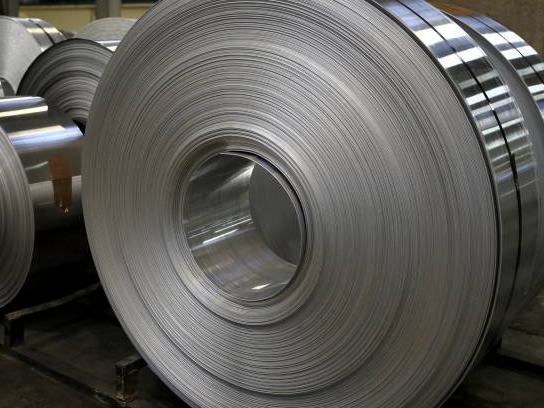
Nickel 201 foil is low-carbon high-purity nickel foil. Strict carbon control (C ≤ 0.02%) greatly lifts its high-temperature stability and anti-graphitization capacity. This material keeps pure nickel’s strong electrical conductivity and corrosion resistance. It also fixes the brittleness issue of traditional nickel materials under high temperatures. Precision sizes cover thickness 0.03–0.8 mm and maximum width 670 mm. These specs make the foil widely used in new energy batteries, chemical electrolysis, electronic shielding and high-temperature equipment. Compared with Nickel 200, Nickel 201 delivers more stable service performance and better mechanical properties at elevated temperatures. It becomes a key material option for high-end industrial projects.
1. Material Features and Technical Strengths of Nickel 201 Foil
1.1 High-temperature stability from low-carbon design
The core upgrade of Nickel 201 foil lies in carbon content kept below 0.02%. This design targets graphitization defects under high heat. Temperatures above 315°C push carbon inside regular nickel to separate out and form graphite phases. This change triggers grain boundary brittleness and drops mechanical performance. The low-carbon formula fully blocks this reaction. The material maintains complete internal structure after long service at high temperatures. This feature works perfectly for equipment with thermal cycles or constant high heat. It cuts failure risks caused by material degradation.
1.2 Balanced and reliable electrochemical properties
Nickel 201 foil carries pure nickel’s high electrical conductivity (conductivity around 14.6×10⁶ S/m). It also holds steady electrochemical activity. Inside electrolytic cells and electroplating systems, the foil transfers electric current efficiently. It also resists erosion from strong alkaline electrolyte. Ultrasonic cleaning and alkaline washing raise its dyne level to 44. This value guarantees tight bonding with other materials. Annealed foil has elongation above 25%. It fits stamping and bending for complex shapes. This advantage brings real value for making precision electrodes and connecting parts.
1.3 Consistent product quality via precision production lines
Multi-roller precision rolling controls thickness tolerance down to ±0.002 mm. This accuracy beats standard rolling processes. Continuous furnaces with protective gas annealing lock small temperature swings. The setup delivers uniform grain size and consistent microstructure. Strict process control keeps stable performance across all production batches. Tensile strength, elongation and surface cleanliness all maintain high uniformity. Fully automatic lines remove human error. The foil suits mass orders with strict quality standards.
| Performance Index | Annealed State (M) | Cold-Worked State (Y) | Test Standard |
|---|---|---|---|
| Tensile Strength | 350–420 MPa | 500–600 MPa | ASTM B162 |
| Elongation | ≥25% | ≥8% | ASTM E8 |
| Density | 8.9 g/cm³ | 8.9 g/cm³ | ASTM B311 |
| Max Working Temperature | ≤600°C (long-term use ≤500°C recommended) | ≤450°C | Lab Test Verification |
2. Core Uses in New Energy and Battery Industries
2.1 Performance matching for power battery tabs
New energy vehicle batteries set strict rules for tab materials. Tabs need strong conductivity, corrosion resistance and welding ability at the same time. Nickel 201 foil holds resistivity below 10 μΩ·cm. It cuts internal battery resistance and lowers heat output. A stable passive film forms on its surface inside electrolyte. No harmful metal ions leak out after long soaking. Ultra-thin 0.03–0.1 mm foil lightens the full battery pack. Its great ductility supports high-speed stamping and ultrasonic welding. The material meets demands of large automatic production lines.
2.2 Higher reliability for connecting parts in energy storage systems
Connections between modules in large energy storage power stations bear heavy current and frequent temperature shifts. Bus bars and connecting strips made from Nickel 201 foil keep steady contact resistance after long high-temperature operation. Nickel beats copper on oxidation resistance to hold stable contact surfaces. Compared with Nickel 200, its low-carbon makeup lowers micro-crack risks from repeated thermal cycles. Maximum width up to 670 mm cuts total welding spots. This upgrade lifts the full-life reliability of energy storage systems.
2.3 Precision components for battery testing equipment
Clamps and probes inside battery research and quality test machines need non-magnetic, corrosion-resistant materials with stable dimensions. Nickel 201 carries weak magnetism (relative permeability near 1). It creates no interference to test signals. Its electronic-grade clean surface prevents contamination of battery samples. Cold-worked foil reaches high tensile strength (500–600 MPa) to supply enough clamping force. It fits precision battery testing stations perfectly.
3. Long-Lasting Corrosion Resistance for Chemical and Electrolysis Industries
3.1 Extended service life for chlor-alkali electrolytic cells
Anodes inside chlor-alkali production cells work in mixed environments of 90–110°C high-concentration NaOH liquid and chlorine gas. Nickel 201 foil shows much lower corrosion speed against strong alkali than stainless steel. Its low-carbon makeup stops carbon precipitation under high heat. No carbon pollutes the electrolyte and maintains finished product purity. The foil resists stress corrosion cracking well. It keeps long service life even with combined assembly stress and electrochemical stress. Users cut downtime and maintenance costs.
3.2 Clean surface performance for pharmaceutical and food processing equipment
Pharmaceutical machines demand ultra-pure construction materials. Any leaked metal ions trigger defective production batches. Nickel 201 foil holds nickel content ≥99.0% with tight control over impurities (S ≤ 0.01%). Multi-stage surface cleaning brings its surface up to cleanroom standards. No pitting or color change appears on its surface after steam sterilization (121°C) and repeated acid-base washing cycles. The material keeps smooth inner walls of processing equipment. This stability meets all FDA and GMP equipment requirements.
3.3 Durable parts for electroplating and surface treatment lines
Anode hooks and conductive rods inside plating tanks stay submerged in acid or alkaline plating fluid for months. Regular metals corrode fast and ruin plating layer quality. Nickel 201 foil forms steady passive films inside sulfuric acid, phosphoric acid and other solutions. Its low corrosion current density extends replacement cycles of tank parts. Good formability supports custom wide strips for all tank sizes. Fewer welding gaps cut trapped liquid and accumulated pollutants.
| Application Scene | Corrosive Medium | Working Temperature | Material Advantages |
|---|---|---|---|
| Chlor-Alkali Electrolysis | 30% NaOH + Chlorine Gas | 90–110°C | Strong resistance to alkali and chlorine erosion |
| Pharmaceutical Reaction Vessels | Organic Solvents + Water Vapor | 80–130°C | High purity with zero metal ion leakage |
| Electroplating Anodes | Sulfuric Acid / Alkaline Plating Liquid | Room Temperature – 60°C | Stable passive film and low corrosion rate |
4. Expanded Uses in Electronic Communication and Precision Manufacturing
4.1 Balanced performance for electromagnetic shielding materials
5G communication devices and precision instruments stay sensitive to electromagnetic interference. Shielding materials need both strong conductivity and easy processing. Nickel 201 foil delivers high shielding efficiency across GHz frequency bands. Ultra-thin sizes help reduce equipment weight and overall volume. Great stamping performance allows production of micro-hole grids and complex snap structures. Fine surface roughness creates tight contact with plastic housings. Nickel beats copper on oxidation resistance to keep long-term stable shielding performance.
4.2 Clean structural parts for semiconductor production equipment
Vacuum chambers and gas distribution plates for wafer manufacturing need materials with low outgassing and zero particle pollution under high vacuum and wide temperature ranges. Vacuum annealing creates thin, stable oxide layers on Nickel 201 foil. The material holds a low outgassing rate. Wide foil sheets cut internal weld lines inside vacuum chambers. This upgrade lifts the yield rate of chip production.
4.3 Reliable design for precision sensors and connectors
Sensitive components inside temperature and pressure sensors need steady thermoelectric performance and strong anti-fatigue ability. Nickel 201 foil holds thermal expansion coefficients well matched with ceramic substrates. This match lowers stress from thermal cycles. High tensile strength of cold-worked foil suits micro spring piece production. The parts maintain steady contact after thousands of plug-in cycles. Gold or silver surface plating keeps contact resistance at low levels to meet standards of high-reliability connectors.
5. Material Selection for High-Temperature Equipment and Vacuum Systems
5.1 Thermal stability requirements for heating elements
Heating strips for industrial furnaces and heat treatment machines run nonstop at high temperatures. Anti-creep and anti-oxidation capacity become core requirements. Nickel 201 foil forms dense NiO protective layers inside hot air. It shows low oxidation weight gain, better than many alloys under identical test conditions. Its low-carbon makeup blocks grain boundary carbide precipitation and resulting brittleness. Heating strips retain ductility through thermal cycles and lower breakage risks.
5.2 Sealing and conductive parts for vacuum systems
Flange gaskets and bellows in high-vacuum systems need materials to keep air tightness and mechanical strength across wide temperature ranges. Nickel 201 foil holds good low-temperature toughness. It maintains high elongation at low temperatures and generates no micro-cracks from thermal shrinkage. Annealed foil takes precise forming into complex sealing structures with smooth surface finish. Compared with stainless steel, nickel’s low magnetic permeability works well for charged particle beam devices and does not disturb magnetic field distribution.
5.3 Hydrogen embrittlement resistance for hydrogen energy equipment
Parts inside hydrogen fuel cells and water electrolysis hydrogen production machines touch high-purity hydrogen nonstop. Anti-hydrogen-embrittlement performance becomes a key material index. Nickel 201 foil has a face-centered cubic crystal structure. The structure dissolves few hydrogen atoms. Its tensile strength drops only slightly under hydrogen pressure. Strong hydrogen embrittlement resistance makes it perfect for core parts such as electrolytic cell bipolar plates and gas diffusion layers.
| Equipment Type | Working Conditions | Key Performance Needs | Advantages of Nickel 201 Foil |
|---|---|---|---|
| Vacuum Furnace Heating Elements | High Temperature / Vacuum | Anti-Oxidation + Low Outgassing | Dense oxide film and low-carbon high purity |
| Hydrogen Fuel Cells | 80°C / Hydrogen Pressure Environment | Anti-Hydrogen Embrittlement + Conductivity | FCC crystal structure and high electrical conductivity |
| Heat Exchangers | Elevated Temperature / Corrosive Media | Corrosion Resistance + Thermal Conductivity | Stable passive film and excellent formability |
Conclusion
Nickel 201 foil combines low-carbon high-purity chemical makeup and precision manufacturing processes. It balances high-temperature stability, electrochemical performance and corrosion resistance perfectly. Ultra-thin wide sizes, precise thickness control and consistent batch quality meet application standards across new energy batteries, chemical electrolysis, electronic shielding and high-temperature equipment. The foil supplies reliable material solutions for all industrial manufacturing fields.
FAQ
Q1: How to choose between Nickel 201 and Nickel 200 for real production?
Pick Nickel 201 if your equipment runs above 315°C for long periods. Its low-carbon composition (C ≤ 0.02%) fully stops high-temperature graphitization and material brittleness. The two grades show close performance at room or low temperatures. You may select either based on your working conditions and cost budgets.
Q2: Can ultra-thin Nickel 201 foil support complex stamping processes?
Annealed foil has elongation above 25%. It reaches small bending radii with matched precision molds. Cold working hardens the material. Intermediate annealing restores its ductility. Select proper processing parameters according to your forming demands.
Q3: How to verify Nickel 201 foil meets electronic-grade cleanliness standards?
Manufacturers process foil with ultrasonic cleaning and alkaline washing to reach high dyne values. Qualified suppliers provide ICP-MS composition test reports and surface contaminant inspection documents. All products comply with SEMI and ASTM B162 standards. Every foil batch carries complete raw material traceability.
Trusted Nickel 201 Foil Manufacturer – Titanium Valley
Baoji Titanium Valley Titanium Nickel Zirconium Material Processing Co., Ltd. works as a professional maker and supplier of Nickel 201 foil. Our factory holds a 750 mm 20-high precision rolling line with annual output of 3,000 tons. We supply custom foil products from 0.005–0.8 mm thick and up to 670 mm wide, plus full-process quality traceability. Send technical inquiries or bulk purchase requests to sales@titaniumvalleys.com for detailed specification sheets and sample testing services.
References
- National Technical Committee for Nonferrous Metals Standardization. GB/T 5235-2021 Designation and Chemical Composition of Wrought Nickel and Nickel Alloys[S]. Beijing: China Standards Press, 2021.
- Kang Xifan. Nickel and Its Corrosion-Resistant Alloys[M]. Beijing: Metallurgical Industry Press, 2016. ISBN 978-7-5024-7256-6.
- Compilation Group of Heavy Nonferrous Metal Material Processing Handbook. Heavy Nonferrous Metal Material Processing Handbook (Nickel and Nickel Alloy Volume)[M]. Beijing: Metallurgical Industry Press, 1979.
- ASTM B162-22. Standard Specification for Nickel Plate, Sheet, and Strip[S]. ASTM International, 2022.