
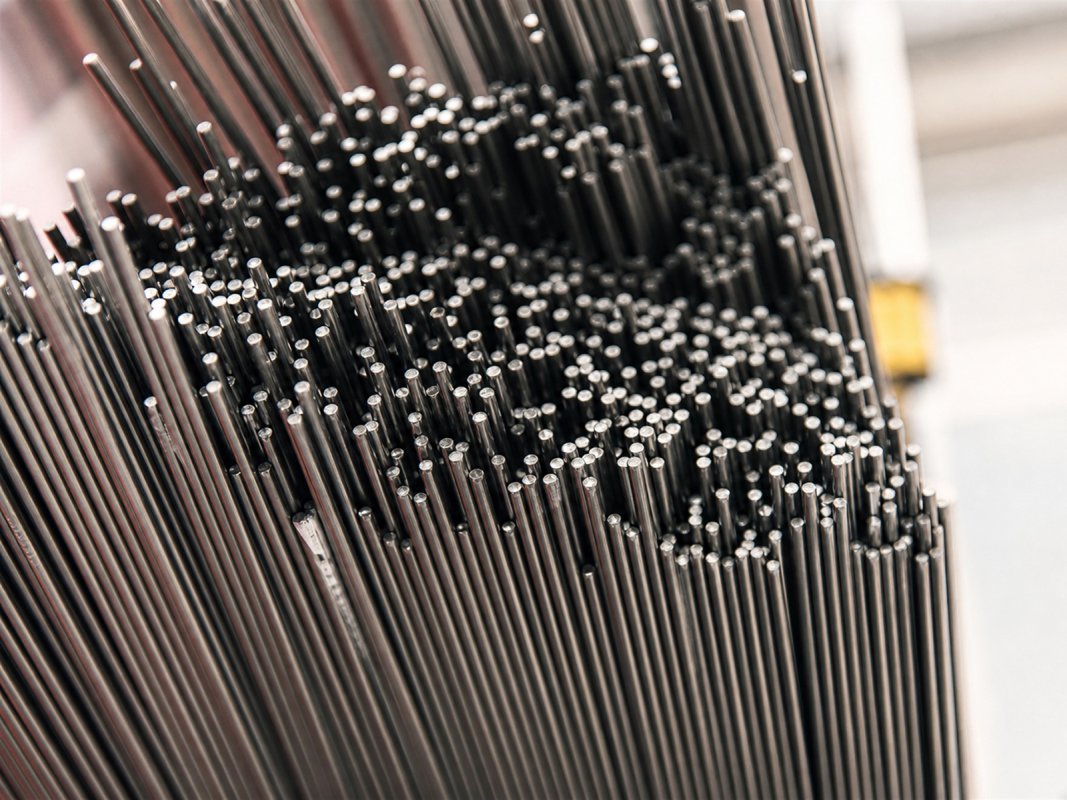
Why Does Your Project Need High-Precision Customized TB13 Titanium Alloy Rod?

TB13 titanium alloy (China GB standard designation equivalent to Ti-5Al-2.5Sn-2Zr-4Mo-4Cr), a high-s...
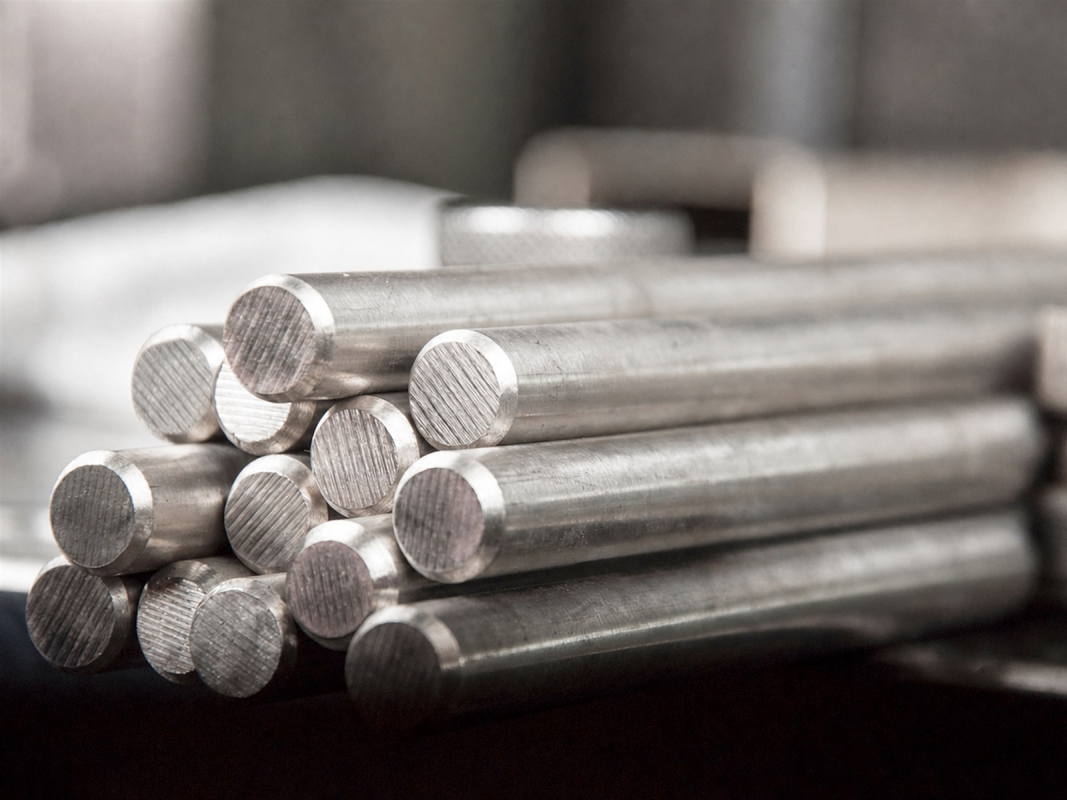
Why Does ZrR60705 Zirconium Rod Have Higher Mechanical Strength Than Pure Zirconium?
ZrR60705 Zirconium Rod, a commercially pure zirconium alloy with controlled additions of chromium an...
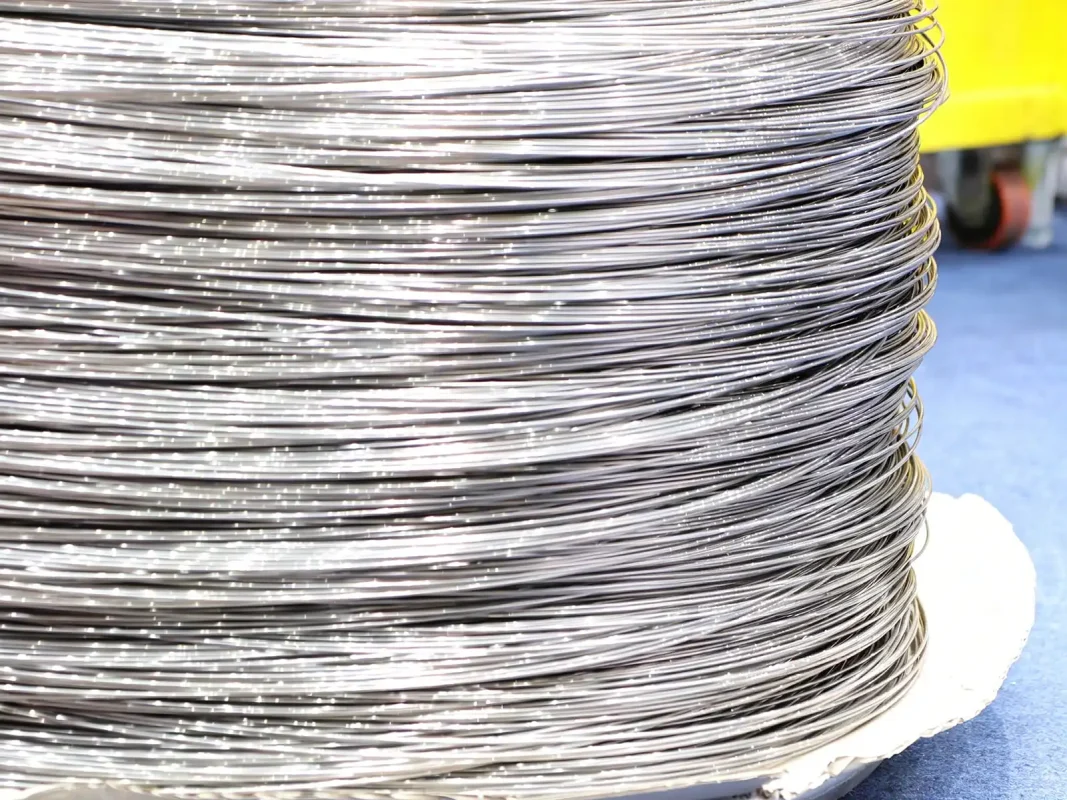
Why Does the ASTM B550 Standard Have Strict Impurity Control for Zirconium Wire?
ASTM B550 is the governing standard for zirconium and zirconium alloy wire used in nuclear, chemical...
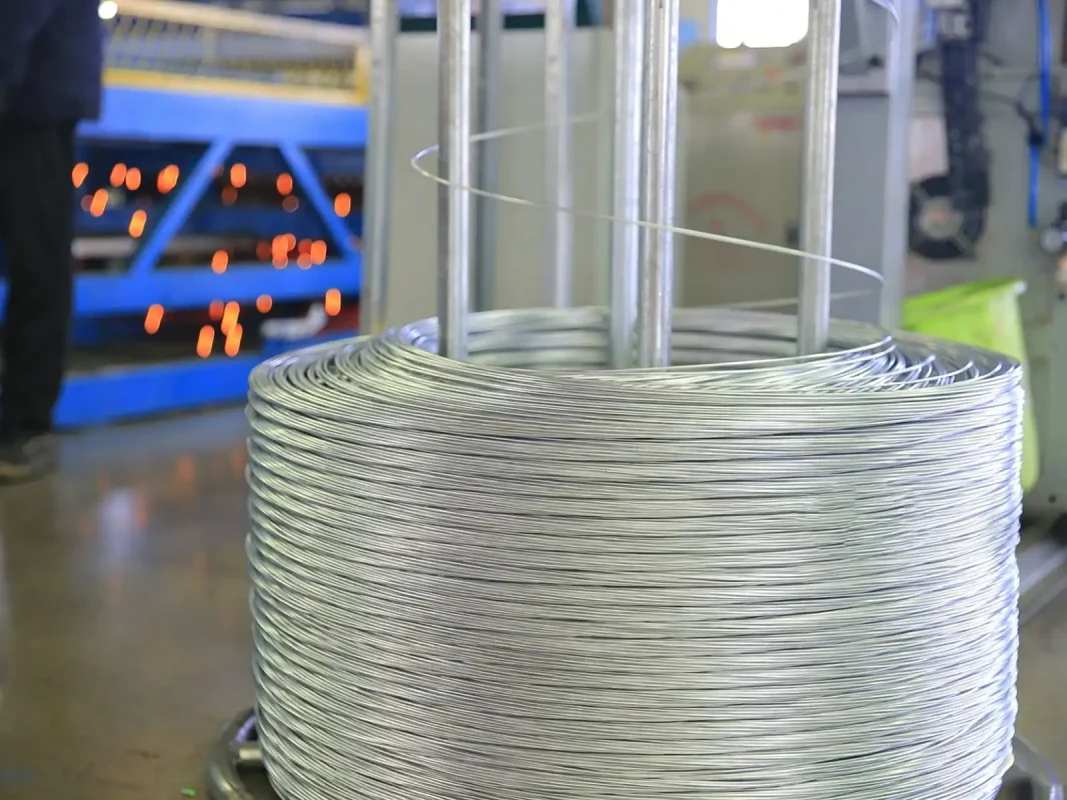
Why Is Gr2 Titanium Wire the Preferred Choice for Seawater Environment Sand Filter Assembly Components?
Sand filter assembly components in seawater environments—including filter screens, support grids, re...
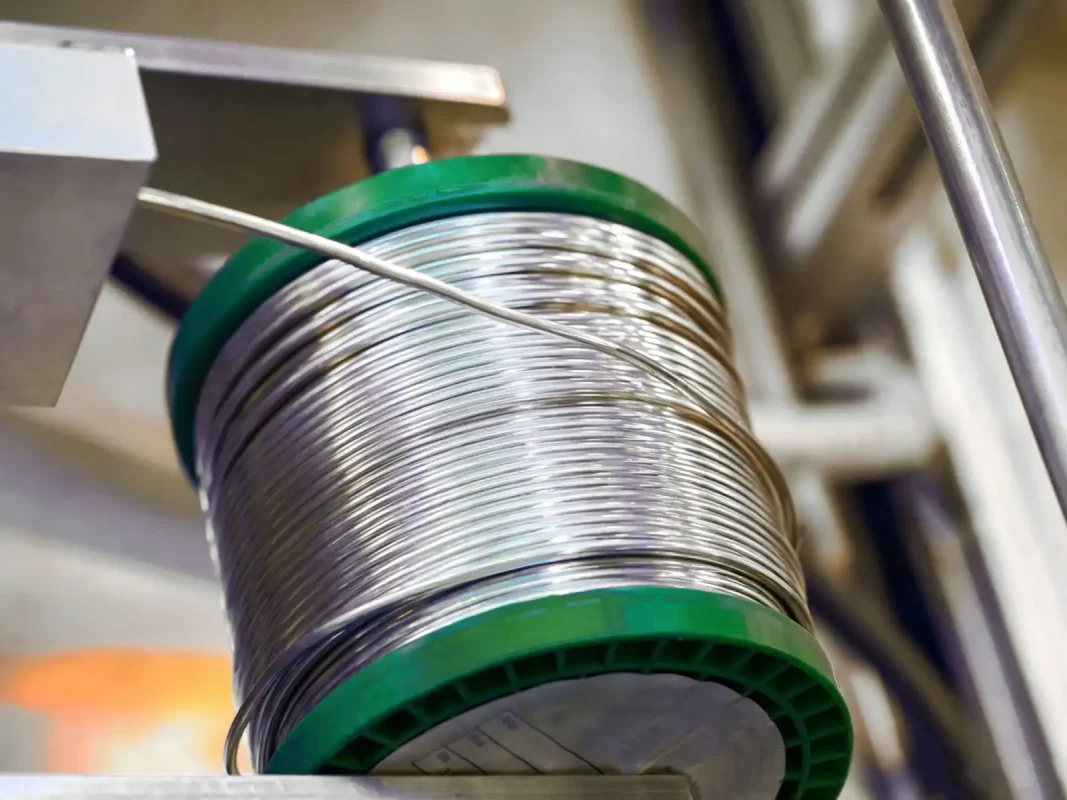
Why Is Gr5 Titanium Wire the Perfect Choice for Replacing Stainless Steel in High-Stress Springs?
In high-performance spring applications, traditional stainless steel materials face increasing chall...
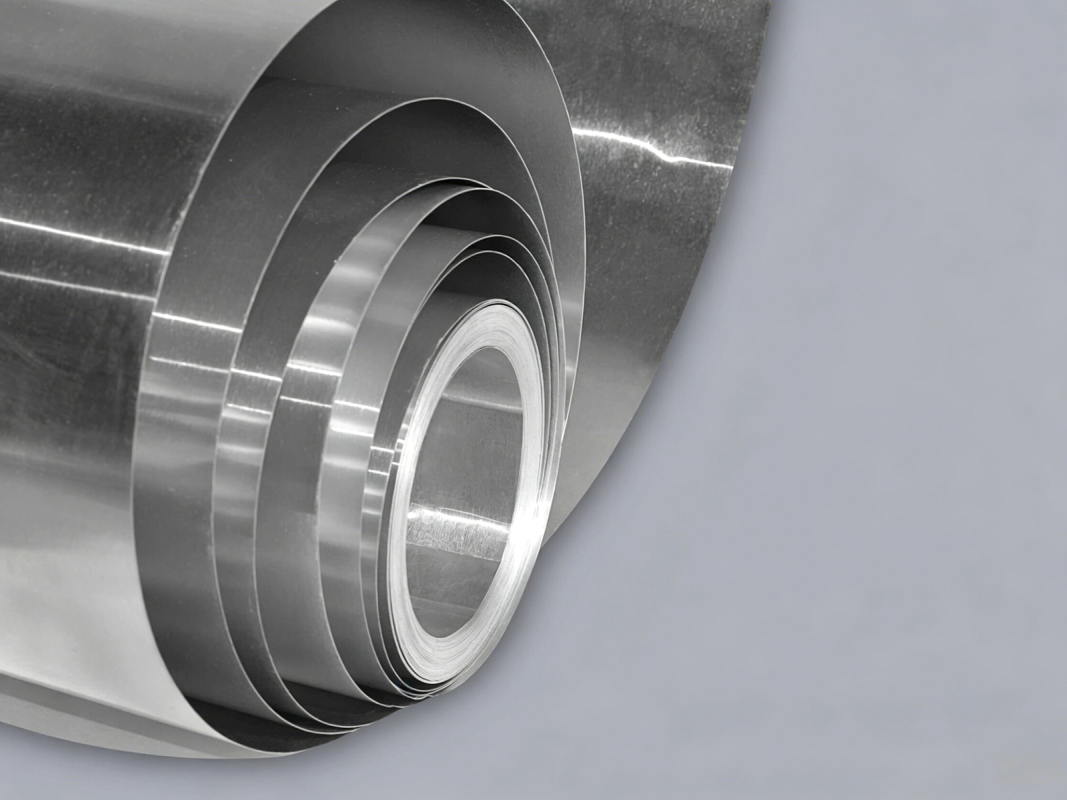
Why Is Ti-15V-3Al-3Cr-3Sn Titanium Foil the Preferred Material for Cold-Formed Parts?
Ti-15V-3Al-3Cr-3Sn titanium foil has become the material of choice for cold-formed precision parts i...
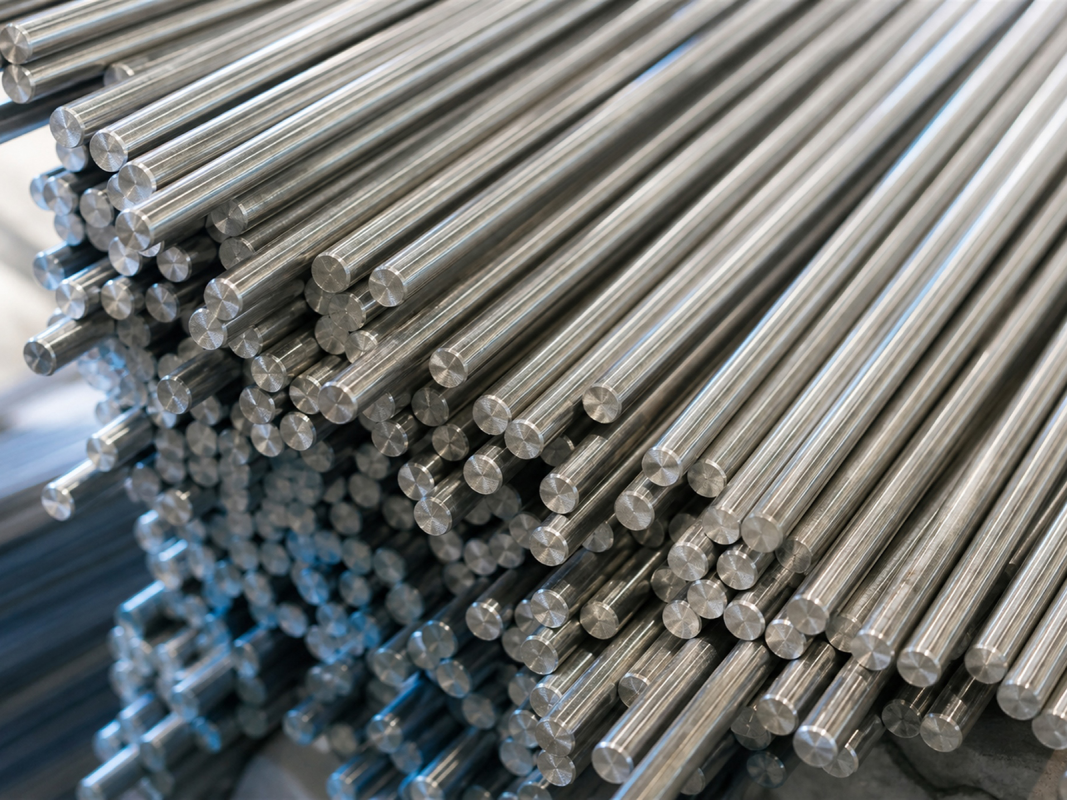
Why Use Gr12 Titanium Rod in High-Temperature Chloride Environments?
Gr12 Titanium Rod (modified Grade 2 titanium alloy, UNS R60702, containing 0.2–0.4% Mo and 0.6–0.9% ...