
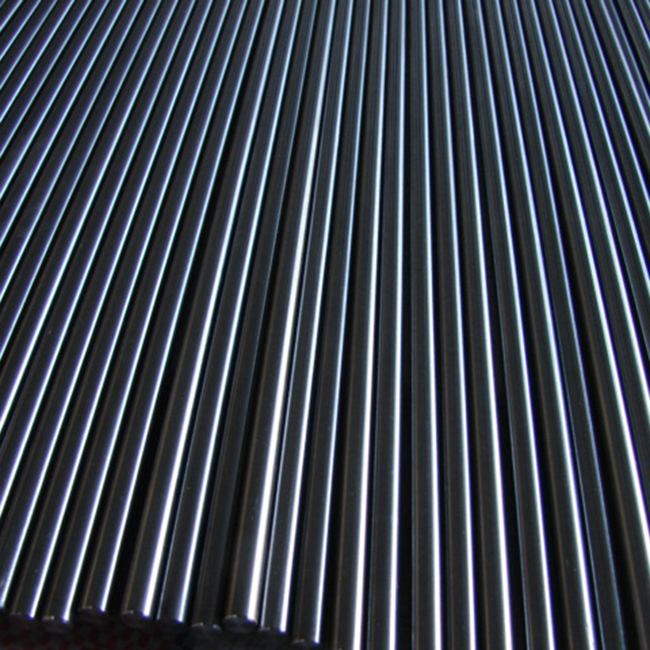
Many high-end manufacturing sectors pursue lighter weight and better performance nowadays. TB13 near-beta titanium alloy rod boasts outstanding strength-to-weight ratio and unique material features. It delivers superior specific strength unavailable for conventional metals, plus strong elastic recovery, great cold workability and reliable biocompatibility. Engineers get new design options from this material, ranging from load-bearing aerospace parts and precision medical components to premium eyeglass frames and corrosion-proof marine fittings.
1. Aerospace Applications of TB13 Titanium Alloy
1.1 Lightweight upgrade for aircraft load-bearing frames
Aircraft structural design always balances strength and weight. TB13 has tensile strength from 415 MPa to 490 MPa and density of only 4.5 g/cm³. Its specific strength stands 40% higher than 7075 aluminum alloy. Parts including fuselage frames, cabin door hinges and landing gear connectors cut total weight by 15% to 25% after switching to TB13. Such weight reduction improves aircraft fuel efficiency or raises available payload directly.
1.2 Strong fatigue resistance under high temperature
Structures around engine compartments endure repeated thermal cycles of 300°C to 450°C and continuous vibration stress. TB13 features elastic modulus between 70 GPa and 80 GPa for excellent vibration damping capacity. Standard aerospace vibration fatigue tests confirm its service life runs over 30% longer than Gr5 common titanium alloy. It fits fixed turbine blade components and exhaust brackets under dynamic loads perfectly.
1.3 Precision production of aerospace fasteners
Aerospace fasteners demand stable material quality and tight machining tolerance. Manufacturers produce TB13 via vacuum smelting and precision cold drawing, with dimensional tolerance controlled within ±0.02 mm. Its favorable cold forming pushes production yield of bolts and pin shafts above 98% and lowers aircraft maintenance expense effectively.
| Application Parts | Original Material | Benefits of TB13 Replacement | Performance Improvement |
|---|---|---|---|
| Fuselage Frame | 7075 Aluminum Alloy | 35% higher strength | 18% weight cut |
| Landing Gear Connector | 30CrMnSiA Steel | 40% longer fatigue life | 22% weight cut |
| Engine Bracket | Inconel 718 | 50% faster machining speed | 30% cost reduction |

2. High-performance Uses in Medical Device Industry
2.1 Biomechanical matching for orthopedic implants
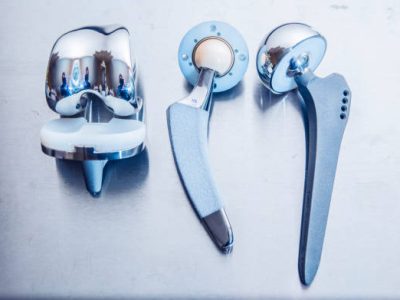
Ordinary stainless steel implants carry elastic modulus near 200 GPa. This large modulus triggers stress shielding and leads to bone loss. TB13 has elastic modulus from 75 GPa to 82 GPa. The value sits above human bone (10–30 GPa) yet greatly lowers stress shielding risk compared with traditional metals and speeds bone ingrowth. This nickel-free alloy avoids skin allergy entirely and works well for long-term implants such as spinal fusion cages and intramedullary nails.
2.2 Precise control for surgical instruments
Microsurgical tools need stable dimension and comfortable hand feel. Forceps and scissor handles made from TB13 keep opening accuracy within 0.1 mm. Low material density eases hand fatigue during long-time operations for surgeons. Solid corrosion resistance keeps original performance unchanged after repeated high-temperature and high-pressure sterilization.
2.3 Elastic recovery for dental orthodontic wires
Orthodontic arch wires need steady corrective force and resist permanent deformation. Low elastic modulus of TB13 brings excellent elastic recovery with 7% to 8% reversible strain. It releases mild and stable orthodontic force. Unlike nickel-titanium alloy, nickel-free TB13 prevents oral allergy and suits sensitive patients for long-term orthodontic treatment.
| Medical Application | Key Parameter | TB13 Index | Clinical Advantage |
|---|---|---|---|
| Orthopedic Implant | Elastic Modulus (GPa) | 75–82 | 60% lower stress shielding |
| Surgical Instrument | Density (g/cm³) | 4.48 | 35% less operator fatigue |
| Orthodontic Arch Wire | Recoverable Strain (%) | 7–8 | 50% longer revisit interval |
3. Differentiated Competition for High-end Consumer Goods
3.1 Super-elastic upgrade for eyewear frames
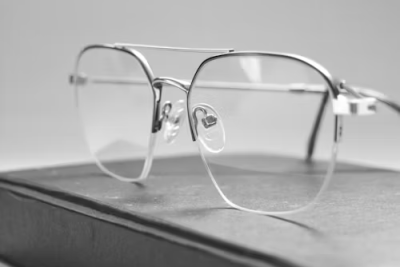
Plastic spectacle frames break easily, and traditional memory metal frames carry hidden nickel allergy risks. Eyeglass temples made of TB13 survive over 100,000 times of 180-degree bending without fracture, with weight only 55% of stainless steel alternatives. Brands earn obvious product premium and stronger market competitiveness by adopting this premium raw material.
3.2 Lightweight design for smart wearable devices
Watch cases and clasp parts for smart wearables require good wear resistance and skin-friendly property. TB13 reaches Vickers hardness of HV350 to HV400 and outperforms 316L stainless steel against daily abrasion. Its non-magnetic feature never disturbs built-in sensors for heart rate and blood oxygen testing on advanced wearable products.
3.3 Reliable performance for outdoor sports equipment
Climbing carabiners and ski binding parts maintain stable performance from -40°C to 80°C working range. TB13 passes 1000-hour salt spray testing with zero corrosion spots thanks to low-temperature toughness and outstanding anti-corrosion capacity. Service life of finished products extends 3 to 5 times and cuts users’ overall usage cost.
3.4 Innovative material for premium jewelry
Jewelry designers prefer TB13 for unique texture and flexible processing options. Anodizing treatment generates rich colors ranging from golden yellow to deep purple with stable long-lasting finish. Ultra-low density enables oversized jewelry design; a 50-gram TB13 ornament delivers the same visual size as 200-gram ornaments from regular metals and creates new lightweight luxury jewelry lines.
4. Technical Breakthroughs in Precision Electronics and Industrial Equipment
4.1 Non-magnetic precision parts for semiconductor equipment
Transfer arms and positioning pins on wafer production equipment allow no magnetic contamination. TB13 shows paramagnetic property with magnetic susceptibility below 1×10⁻⁶. It never gets magnetized under strong magnetic field and protects electron beam and ion beam production from interference. Its thermal expansion coefficient of 8.5×10⁻⁶/K guarantees positioning accuracy at nanometer level.
4.2 Anti-corrosion connecting parts for new energy batteries
Spot welding electrodes and conductive rods inside lithium battery production lines stay exposed to electrolyte and high temperature continuously. Per GB/T 4334 standard, TB13 has annual corrosion rate under 0.005 mm against acid and alkali solutions. Maintenance cycle of relevant equipment extends from 3 months to 18 months. High thermal conductivity speeds heat dissipation during welding and lifts production efficiency by 15%.
4.3 Anti-corrosion structural parts for marine engineering
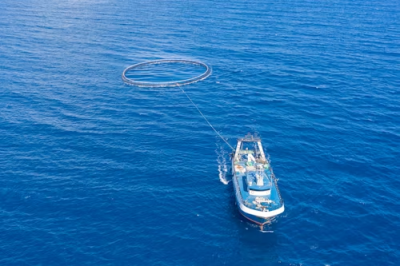
Pump shafts and valve stems on deep-sea detectors and desalination devices face severe seawater erosion. TB13 reaches pitting potential of +650 mV (vs. SCE) in 3.5% sodium chloride solution, four times better than 316L stainless steel against crevice corrosion. One desalination project cuts total five-year operating cost by 42% after replacing high-nickel alloy with TB13.
| Industrial Field | Corrosion Environment | TB13 Anti-corrosion Performance | Economic Benefit |
|---|---|---|---|
| Semiconductor Equipment | Plasma Cleaning | Annual corrosion rate <0.001 mm | 5x longer spare part service life |
| Battery Production | Electrolyte pH 2–12 | No pitting or stress corrosion | 70% less production downtime for maintenance |
| Marine Engineering | Deep seawater | 20-year design service life | 40% lower full-cycle cost |
5. Innovative Development in Emerging Application Fields
5.1 Safety components for hydrogen energy industry
High-pressure hydrogen tank connectors and pressure regulating valve cores in fuel cell systems face hydrogen embrittlement threats. Stable beta phase structure of TB13 resists hydrogen cracking under regular working conditions. Designers follow relevant safety codes for applications under extreme 70 MPa high-pressure hydrogen. Global hydrogen energy expansion drives fast-growing TB13 usage at hydrogen refueling stations and hydrogen-powered vehicles.
5.2 Thermal compensation parts for precision instruments
Temperature control components on gyroscopes and atomic clocks need low thermal expansion and high dimensional stability. Special heat treatment brings TB13 thermal expansion coefficient down to 5×10⁻⁶/K. Combined with non-magnetic and high damping traits, it becomes core material for new inertial navigation systems.
5.3 Microfluidic chips for biomedical research
Lab-on-chip microchannels demand chemical resistance and easy precision micro-processing. Superior cold forming of TB13 supports precise etching of micro structures as thin as 50 microns. Its biological inertia avoids unwanted interference during cell culture and protein testing and promotes progress of personalized diagnostic technology.
Conclusion
TB13 titanium alloy rod combines high specific strength, excellent elastic recovery, strong corrosion resistance, hypoallergenic property and easy precision machining. It gains wide application value across aerospace, medical equipment, premium consumer goods, precision electronics and rising hydrogen energy sectors. This innovative material overcomes inherent defects of traditional metals, opens new directions for product innovation and helps enterprises realize technical upgrade and differentiated market competition.
FAQ
1. What core advantages does TB13 hold compared with conventional titanium alloys?
TB13 belongs to near-beta titanium alloy. It allows up to 80% cold deformation, far better than standard alpha-beta titanium alloy, plus outstanding elastic recovery. Nickel-free composition eliminates allergy risks and fits medical supplies and close-fitting wearable products perfectly.
2. How do manufacturers secure consistent TB13 quality for aerospace projects?
Qualified producers adopt three-round vacuum melting to limit ingredient deviation within ±0.3%, paired with full ultrasonic flaw detection for zero internal defects on every batch. Each delivery comes with Material Test Certificate and mechanical property reports to meet global aerospace standards.
3. Does TB13 carry much higher overall processing cost than stainless steel?
TB13 costs more per kilogram in raw material purchase. However, its good cold forming cuts tool wear by 40% and lifts finished product yield above 98%. Longer service life (3–5 times longer than regular metals) and reduced maintenance offset initial extra expense, so TB13 delivers better cost performance over full service cycle.
Find Reliable TB13 Titanium Alloy Rod Supplier
Baoji Titanium Valley Titanium Nickel Zirconium Material Processing Co., Ltd ranks among China’s top premium titanium alloy manufacturers, with advanced production lines reaching annual capacity of 20,000 tons and complete quality management system. We supply customized TB13 rods to match varied precision machining demands. Contact us for technical support and quotation via sales@titaniumvalleys.com.
References
1. Zhang Jianwei, Li Minghua. Application Research of Beta-type Titanium Alloy in Aerospace Structures[J]. Journal of Aeronautical Materials, 2023, 43(2): 1–10.
2. Chen Guoliang, Wang Xiaodong. Biomechanical Properties and Clinical Application of Biomedical Titanium Alloys[J]. Journal of Biomedical Engineering, 2023, 40(3): 456–462.
3. Liu Zhenyu, Zhao Yongqing. Research Progress on Microstructure and Property Regulation of Near-beta Titanium Alloys[J]. Rare Metal Materials and Engineering, 2022, 51(7): 2589–2598.
4. Wang Xiangdong, Li Xinghua. Application and Hydrogen Embrittlement Research of Titanium Alloy in Hydrogen Energy Equipment[J]. Titanium Industry Progress, 2023, 40(5): 23–30.