
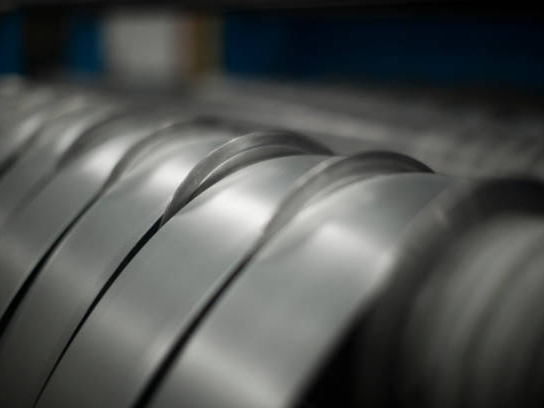
Gr1 and Gr2 are the two most widely used grades among commercially pure titanium materials. Both belong to alpha-phase pure titanium, but they differ greatly in chemical composition, mechanical properties and application scenarios. Gr1 titanium foil has higher purity with titanium content above 99.5%. It contains fewer impurities, so it delivers excellent corrosion resistance and formability. It works well for fields with strict purity requirements, such as medical implants and fuel cell electrodes. Gr2 titanium foil keeps good corrosion resistance and features higher tensile strength from 345 MPa to 480 MPa. Manufacturers use it widely for load-bearing structures like chemical equipment and heat exchangers. Knowing their differences helps buyers and engineers pick the best material for actual working conditions and strike a balance between performance and cost.
1. Chemical Composition Comparison: Purity Determines Material Performance
1.1 High Purity Advantages of Gr1 Titanium Foil
Gr1 titanium foil ranks as the purest grade of commercially pure titanium. Its titanium content reaches over 99.5%. Oxygen content stays no more than 0.18%, and iron content is below 0.20%. Low impurity levels bring outstanding ductility and corrosion resistance. It forms a dense oxide film in electrolyte solutions, strong oxidizing acids and marine atmospheres. This film provides long-lasting and reliable protection.
1.2 Balanced Composition Design of Gr2 Titanium Foil
The titanium content of Gr2 titanium foil ranges from 99.2% to 99.4%. Its oxygen content can go up to 0.25%, and iron content reaches 0.30%. Slightly higher impurities, especially oxygen and iron, strengthen the crystal lattice and raise material strength. This composition design maintains good corrosion resistance and meets higher load-bearing demands.
1.3 How Impurity Elements Affect Material Properties
Oxygen acts as an interstitial element inside titanium lattices. More oxygen increases strength but reduces elongation. Iron refines grains and improves strength at room temperature. Gr1 sets strict limits on these strengthening elements to ensure maximum ductility. Gr2 adds proper amounts of these elements to gain strength advantages. Note that processing methods, heat treatment and material microstructure also influence the final strengthening effect.
| Element | Gr1 Titanium Foil | Gr2 Titanium Foil | Effect |
| Ti (Bal.) | Balance | Balance | Higher purity brings better corrosion resistance |
| O | ≤ 0.18 % | ≤ 0.25 % | Higher oxygen raises strength and lowers ductility |
| Fe | ≤ 0.20 % | ≤ 0.30 % | Higher iron improves strength and affects formability |
| C | ≤ 0.08 % | ≤ 0.08 % | Controlled carbon content ensures good weldability |
| N | ≤ 0.03 % | ≤ 0.03 % | Low nitrogen keeps material stable |
| H | ≤ 0.015 % | ≤ 0.015 % | Strict hydrogen control prevents material brittleness |
2. Differences in Mechanical Properties: Trade-off Between Strength and Ductility
2.1 Ductility Advantages of Gr1 Titanium Foil
Gr1 titanium foil has tensile strength from 240 MPa to 345 MPa and yield strength from 170 MPa to 275 MPa. Its elongation stays above 24%. For ultra-thin foil from 0.02 mm to 1.0 mm, precision rolling and argon annealing create uniform microstructure and stable mechanical performance. Its superior ductility supports complex bending, deep drawing and micro-structure forming. It is ideal for precision electronic shielding covers, medical devices and fuel cell bipolar plates.
2.2 Strength Characteristics of Gr2 Titanium Foil
Gr2 titanium foil has tensile strength from 345 MPa to 480 MPa and yield strength from 275 MPa to 410 MPa. Its elongation is no less than 20%. It gains 40% to 50% higher strength than Gr1, with a slight drop in ductility. For parts under mechanical load such as chemical anti-corrosion liners and heat exchanger plates, the high strength of Gr2 allows thinner material design. It cuts overall weight while maintaining sufficient load capacity.
2.3 Hardness and Machinability
Gr1 titanium foil has Vickers hardness between HV 120 and HV 160. It rarely sticks to cutting tools during processing. It needs low cutting force and causes little wear on dies. Gr2 titanium foil has Vickers hardness from HV 140 to HV 200. It requires larger cutting force and sharper tools. For precision slitting and laser cutting, the lower hardness of Gr1 improves processing efficiency and finished product rate.
| Performance Index | Gr1 Titanium Foil | Gr2 Titanium Foil | Application Suggestion |
| Tensile Strength (MPa) | 240 ~ 345 | 345 ~ 480 | Choose Gr1 for load-bearing structures |
| Yield Strength (MPa) | 170 ~ 275 | 275 ~ 410 | Gr2 has higher strength margin |
| Elongation (%) | ≥ 24 | ≥ 20 | Choose Gr1 for complex forming |
| Hardness (HV) | 120 ~ 160 | 140 ~ 200 | Gr1 works better for cutting and machining |
| Density (g/cm³) | 4.51 | 4.51 | Both deliver the same lightweight effect |
3. Corrosion Resistance and Surface Features
3.1 Corrosion Performance in Different Environments
Gr1 titanium foil contains very few impurities. It forms stable passive films in oxidizing acids like nitric acid and chromic acid, chloride-containing media such as seawater and salt spray, as well as high-temperature steam. Gr2 titanium foil also provides reliable protection in most chemical media. Note that medium type, concentration, temperature and flow speed all affect corrosion resistance. Conduct corrosion tests for actual application. The two grades show similar corrosion resistance in common oxidizing media and neutral salt solutions.
3.2 Surface Cleanliness and Treatment Processes
Ultrasonic cleaning and alkaline washing deliver high surface cleanliness for titanium foil. The clean surface ensures good wettability and strong bonding force for follow-up coatings. Continuous argon annealing creates even surface color without oxidation spots or color difference. After the same treatment, both Gr1 and Gr2 titanium foil have no oil stains, scratches or obvious oxidation. They fully meet the requirements for welding, physical vapor deposition coating and adhesive bonding.
3.3 Biocompatibility and Medical Applications
High purity gives Gr1 titanium foil excellent biocompatibility. It is non-toxic and non-magnetic, and rarely triggers tissue rejection. It is a common material for implantable medical devices, orthopedic tools and dental restorations. Gr2 titanium foil also has good biocompatibility. But Gr1 works better for parts that make direct contact with human tissues and require extremely high material purity.
4. Application Selection Guide
4.1 Aerospace and Precision Instruments
Ultra-thin and wide titanium foil makes large thin-walled components, electromagnetic shielding covers and composite material substrates in aerospace industry. Gr1 titanium foil has high ductility and uniform microstructure. It suits complex curved surface forming and precision stamping, and lowers risks of springback and cracking. Manufacturers produce extra-wide foil of 0.02 mm ~ 1.0 mm × 350 mm ~ 670 mm with multi-roll precision rolling mills. The integrated forming method reduces welds and connection points and improves structural reliability.

4.2 New Energy and Electronic Industry
Fuel cell bipolar plates, lithium battery tabs and electrolytic electrodes set strict rules for substrate purity and electrical conductivity. Pure titanium has typical resistivity from 54 μΩ·cm to 58 μΩ·cm. Gr1 titanium foil has low resistivity and strong corrosion resistance. It keeps electrodes working stably for a long time in acid and alkaline electrolytes. Ultra-thin Gr1 titanium foil from 0.02 mm to 0.1 mm provides electromagnetic shielding and stable signal transmission for communication equipment and electronic packages.

4.3 Chemical and Marine Engineering
Liners for chemical reaction kettles, heat exchanger plates and offshore platform structures need both corrosion resistance and mechanical strength. Gr2 titanium foil has higher strength. It allows thinner material design while meeting anti-corrosion demands, so it cuts equipment weight and total cost. It balances strength and corrosion resistance well in chlor-alkali industry, hydrometallurgy and seawater desalination equipment. Large-size foil reduces welding points and extends equipment service life.
4.4 Medical and Biotechnology
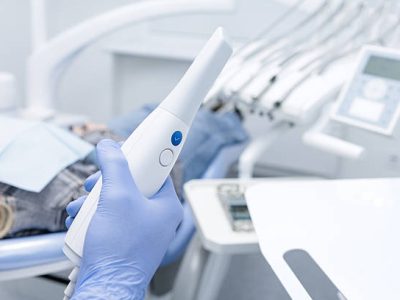
Gr1 titanium foil is non-toxic and biocompatible, so it is an ideal choice for implantable medical devices. It makes pacemaker housings, orthopedic implants and dental restorations. High material purity prevents metal ion precipitation and adverse reactions. Ultra-thin Gr1 titanium foil from 0.01 mm to 0.05 mm also serves medical sensors and microfluidic chips in biomedical engineering.
| Application Field | Recommended Grade | Core Advantages | Typical Usage |
| Aerospace | Gr1 | High ductility, integrated forming | Thin-walled parts, electromagnetic shielding covers |
| Fuel Cell | Gr1 | High purity, low resistivity | Bipolar plates, electrolytic electrodes |
| Chemical Equipment | Gr2 | High strength, chloride corrosion resistance | Reaction kettle liners, heat exchanger plates |
| Medical Implant | Gr1 | Good biocompatibility, non-toxic | Orthopedic tools, pacemaker housings |
| Electronic Packaging | Gr1 | Ultra-thin size, low magnetism | Electromagnetic shielding, packaging substrates |
| Marine Engineering | Gr2 | High strength, weight and cost reduction | Seawater desalination equipment, platform structures |
5. Production Process and Quality Control
5.1 Advanced Rolling Technology Ensures Dimensional Accuracy
Multi-roll precision rolling mills work with multi-pass rolling and precise tension control. They realize stable mass production of ultra-thin and wide titanium foil from 0.02 mm to 1.0 mm. The products have tight thickness tolerance and excellent flatness. This technology solves common problems in traditional rolling such as springback, poor flatness and uneven performance. Automatic production lines keep consistent product quality across batches.
5.2 Heat Treatment and Surface Treatment Processes
Continuous argon annealing furnaces create stable heat treatment conditions. They remove rolling stress and homogenize microstructure to improve ductility and strength. Vacuum furnace heat treatment further stabilizes material performance. Combined ultrasonic cleaning and alkaline degreasing ensure high surface cleanliness. Optimized surface treatment creates even surface texture to meet requirements of follow-up welding, coating and bonding.
5.3 Precision Slitting and Custom Processing Capacity
High-precision slitting lines carry out vertical and horizontal cutting for ultra-thin materials. They deliver high yield and stable quality. The factory customizes products with thickness from 0.02 mm to 1.0 mm and width from 350 mm to 670 mm according to customer needs. It provides bright finish, matte finish and other surface options. It also offers full customized processing services from raw materials to finished products for aerospace, electronics and new energy clients.
Conclusion
Gr1 and Gr2 titanium foil have their own strengths. Gr1 features high purity, excellent ductility and good biocompatibility. It fits medical devices, fuel cells, electronics and other fields with strict rules for material purity and formability. Gr2 has higher strength and reliable corrosion resistance. It achieves good balance between performance and cost for chemical equipment, heat exchangers and marine engineering. Select the proper grade based on working environment, mechanical load and processing methods to maximize material performance.
FAQ
1. What is the price gap between Gr1 and Gr2 titanium foil?
Gr1 titanium foil has higher purity and more complex production processes, so its price is generally higher than Gr2. Choose Gr1 if the project needs good ductility and corrosion resistance but not high strength. It may save total costs in the long run by reducing processing defects and part replacement frequency. Make final decisions after checking technical demands and budget.
2. Do ultra-thin titanium foil (below 0.05 mm) easily crack during welding and processing?
Ultra-thin titanium foil made via argon annealing and precision rolling has uniform microstructure and fully released stress. Use proper parameters including low current and fast moving speed, plus protective atmosphere during welding to avoid cracks. Gr1 titanium foil shows obvious advantages with its high ductility for ultra-thin products, and has higher yield rate than Gr2.
3. How to verify titanium foil purity and mechanical properties meet relevant standards?
Formal manufacturers provide material certificates and third-party test reports that comply with ASTM B265, EN 10204 and other international standards. These documents include spectrum analysis for chemical composition, tensile test data and surface quality inspection records. Ask suppliers for traceable batch records and quality guarantee documents before purchase.
Find Reliable Titanium Foil Supplier
Baoji Titanium Valley Titanium Nickel Zirconium Material Processing Co., Ltd. is a professional manufacturer of high-end titanium foil. We own advanced 20-high precision rolling lines with an annual output of 3000 tons. We supply ultra-thin and wide Gr1 and Gr2 titanium foil in size 0.02 mm ~ 1.0 mm × 350 mm ~ 670 mm, and provide OEM customization services. Contact us for technical data, samples and quotations: sales@titaniumvalleys.com.
References
- Wang Jinyou, Ma Mingtu, Wu Baorong. Titanium Alloy Handbook [M]. Shanghai: Shanghai Science and Technology Press, 1994.
- Liu Yong, Yang Guanjun, Zhou Lian. Titanium and Titanium Alloys [M]. Beijing: Metallurgical Industry Press, 2006.
- Editorial Group of Rare Metal Material Processing Handbook. Rare Metal Material Processing Handbook [M]. Beijing: Metallurgical Industry Press, 1984.
- Zhang Zhu, Wang Qun, Zhao Yongqing. Research Progress on Application and Corrosion Protection of Titanium Alloys in Chemical Industry [J]. Rare Metal Materials and Engineering, 2010, 39(S1): 478-482.
- Yu Jun, Li Hua. Comparative Analysis on Mechanical Properties and Microstructure of Commercially Pure Gr1and Gr2 Titanium [J]. Titanium Industry Progress, 2015, 32(4): 18-22.