
Gr1 Titanium Foil Vs Stainless Steel Foil, Which Material Is Better Suited for Extreme Environments?
- Gr1 Titanium Foil
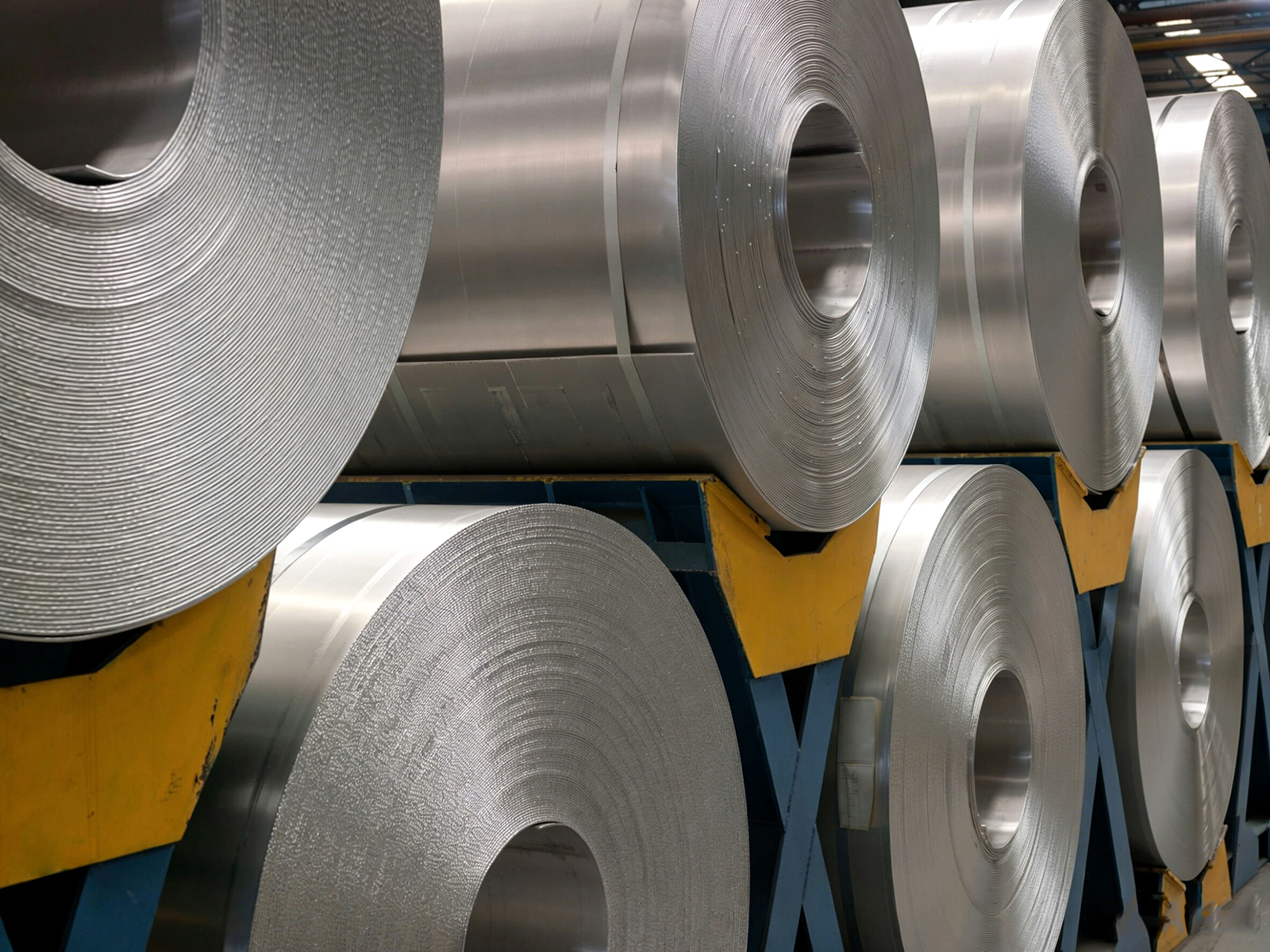
When facing extreme working conditions such as high corrosion, high temperature, and strong magnetic field, the choice of materials often directly determines the life and safety of the equipment. Gr1 titanium foil has outstanding performance in the fields of marine engineering, chemical anti-corrosion and aerospace with its high purity of ≥ 99.5%, excellent corrosion resistance and excellent plasticity; while stainless steel foil, although lower in cost, is prone to failure in chloride ion environment and high temperature oxidation conditions. From the density point of view, titanium foil is only 57% of steel. It can maintain a tensile strength of ≥ 370 MPa while achieving lightweight. From a service life analysis, titanium foil can serve stably in salt spray and acid-base media for more than 20 years, while stainless steel needs to be replaced frequently. Choosing the right material requires a combination of operating temperature, corrosion type, magnetic requirements and long-term cost. This article will conduct an in-depth comparison from the dimensions of material properties, application scenarios, and economic benefits.
1. What Are the Differences in Core Performance Comparison, the Essential Difference Between Titanium Foil and Stainless Steel Foil?
(1) Why Is Corrosion Resistance, the Advantages of Titanium Foil in Extreme Media Important?
A dense TiO2 passivation film will be quickly formed on the surface of Gr1 titanium foil. This oxide film remains stable in the pH range of 3-12 and can maintain its integrity even in a mixture of 65% nitric acid and 10% hydrochloric acid. This self-healing property enables the corrosion rate of titanium foil in seawater (chloride ion concentration 19, 000 ppm) environment to be as low as 0.0025 mm/year, which is much lower than the 0.127 mm/year of 304 stainless steel. Wet chlorine and hypochlorite solutions commonly used in the chemical industry have strong transgranular corrosion effects on stainless steel, while titanium foil can be exposed to 90℃ for a long time without obvious damage.
Stainless steel foil relies on chromium content to form a protective layer, but in a chlorine-containing environment or acidic conditions (such as sulfuric acid solution with pH < 4), its passivation film is easily destroyed and leads to pitting corrosion. After being soaked in 3.5% NaCl solution for 30 days, the pitting depth of 304 stainless steel can reach 0.15 mm, while under the same conditions, only slight discoloration occurs on the surface of Gr1 titanium foil. Marine atmospheric exposure tests show that stainless steel foil needs to be replaced in coastal environments in 3-5 years, but titanium foil can maintain stable performance for more than 25 years.
In actual working conditions, after electroplating wastewater treatment equipment is lined with titanium foil, the equipment maintenance cycle is reduced from four times a year to once every three years. A heat exchanger in the petrochemical industry, after replacing the 0.5 mm stainless steel foil with a titanium foil, has been running continuously for 8 years in a sour crude oil environment without leakage records. This difference stems from the fact that the electrode potential of titanium (-0.05 V vs SCE) is more negative than that of stainless steel, which is cathodic protection during electrochemical corrosion.
(2) What Should You Know About High Temperature Performance and Thermal Stability Analysis?
The melting point of titanium is 1668± 10℃, but the actual upper temperature limit for use of Gr1 titanium foil is 350℃. Hydrogen embrittlement and grain coarsening will occur beyond this temperature. When used for a long time at 300℃, the tensile strength retention rate of titanium foil can still reach 85%, while the strength of 304 stainless steel will decay to 70% at the same temperature due to carbide precipitation. 0.1 mm titanium foil is often used for heat insulation shielding parts of aero engines. Its thermal expansion coefficient (8.6×10⁻⁶/K) is only half that of stainless steel, and its dimensional stability is better under thermal cycle conditions.
Stainless steel foil will form loose Fe₂O₃ oxide scale in a high-temperature oxidation environment. The oxidation weight gain rate at 600℃ is 0.8 mg/cm²·h. Although titanium foil will oxidize rapidly above 600℃, the oxidation weight gain in the 300-400℃ range is only 0.02 mg/cm²·h, and the oxide layer is firmly bonded to the matrix and is not easy to peel off. In vacuum heat treatment equipment, titanium foil liners can withstand more than 500 heating-cooling cycles without cracking, while stainless steel foils develop fatigue cracks after 200 times.
In terms of low-temperature performance, titanium foil still maintains excellent toughness in a liquid hydrogen environment of -253℃, and the impact energy is not less than 70% of that at room temperature. This makes it an ideal material for thermal insulation layers in cryogenic vessels and LNG carriers. Although stainless steel also has low-temperature toughness, it is prone to martensitic transformation and embrittlement when repeated alternations of cold and heat, while the α phase structure of titanium remains stable during temperature changes.
(3) What Should You Know About Mechanical Properties and Processing Adaptability?
Performance indicators | Gr1 titanium foil (0.5mm) | 304 stainless steel foil (0.5mm) | Advantage comparison |
tensile strength | ≥ 370MPa | 520 MPa | Stainless steel is higher, but titanium has better specific strength |
Yield strength | ≥ 250 MPa | 210 MPa | Titanium foil has 25% greater resistance to deformation |
Elongation | ≥ 25% | 40% | Stainless steel has better ductility |
hardness | 100-180 HB | 187 HB | Titanium foil is easier to stamp and bend |
density | 4.51 g/cm³ | 7.93 g/cm³ | Titanium foil reduces weight by 43% |
The yield strength ratio (yield strength/tensile strength) of Gr1 titanium foil reaches 0.68, which is higher than 0.40 of stainless steel, which means that the elastic deformation of titanium foil is smaller under the same load and the dimensional accuracy is better maintained. In the application of precision electronic shielding covers, when using 0.02 mm ultra-thin titanium foil, there was no breakage after 20 folding tests, while micro-cracks appeared in stainless steel foil of the same thickness after 15 folding tests.
In terms of processing performance, titanium foil needs to control the tendency of work hardening. The 20-roll finishing process can control the thickness tolerance to ± 0.001 mm (applicable to foils with thicknesses of 0.5 mm and above), and the surface roughness Ra≤ 0.4 um, meeting the high-precision needs of semiconductor packaging, OLED displays, etc. Although stainless steel foil is easy to cold-roll, it has a large amount of springback. The flatness error of 0.1 mm thick products often reaches ± 0.05 mm, while titanium foil can control the flatness within ± 0.01 mm through optimized tension annealing.
In the comparison of welding performance, titanium foil requires argon gas protection to prevent oxidation, but the strength of the weld can reach more than 90% of the base metal. Stainless steel foil welding is prone to thermal cracks, and the sensitivity of intergranular corrosion in the heat-affected zone increases. When the fuel cell bipolar plate uses laser welding of titanium foil, the air tightness of the weld can reach 1×10⁻⁹ Pa·m³/s, meeting the hydrogen sealing requirements.
2. What Should You Know About Adaptability to Extreme Environments, Material Behavior in Real-world Conditions?
(1) What Should You Know About Long-term Protection in Marine and Salt Spray Environments?
The concentration of salt spray in the ocean atmosphere can reach 0.5-2.0 mg/m³, and the electrochemical corrosion of metals by chloride ions is extremely severe. An offshore wind power platform uses Gr1 titanium foil (0.3 mm thick) to cover the electrical cabinet. After 12 years of operation in the high-salt environment of the South China Sea, the surface of the titanium foil only changed slightly and showed no pitting corrosion or stress corrosion cracking. The 316L stainless steel foil equipment put into use during the same period had multiple perforations in the fifth year, and the cumulative maintenance cost exceeded 2.3 times the initial investment.
Salt spray test data shows that after 3, 000 hours of continuous spraying according to ASTM B117 standards, the corrosion weight loss rate of titanium foil is 0.002%, while that of 304 stainless steel reaches 0.18%, a 90-fold difference between the two. After the ship’s ballast tank lining is switched to wide-width titanium foil (670 mm), the single construction area is expanded by 60%, the number of welds is reduced by 75%, and the overall corrosion resistance is significantly improved. The anode substrate of the chlor-alkali electrolyzer at Coastal Chemical Plant uses ultra-thin titanium foil (0.05 mm), which has a service life of more than 8 years after being coated with precious metal oxide, while traditional stainless steel substrates can only last 2 years.
Condenser tube sheets are a typical application scenario. In the seawater cooling system, heat exchange tubes rolled with titanium foil have no erosion and thinning phenomenon even if the flow rate reaches 3 m/s (high erosion conditions). Under the same conditions, the annual thinning of the elbow part of stainless steel pipes reaches 0.3 mm, and the entire pipe needs to be replaced after 3 years. The metal roof of the coastal building uses titanium foil composite panels. After 25 years, the thickness loss was found to be less than 0.01 mm, while the color steel panels have been corroded and perforated and need to be re-laid.
(2) How Should Material Selection for Strong Acid and Strong Alkali Chemical Working Conditions?
In the chemical industry, media such as concentrated sulfuric acid (>70%), boiling phosphoric acid, and organic acid mixtures place stringent requirements on materials. The corrosion rate of titanium foil is less than 0.1 mm/year under the conditions of 98% sulfuric acid and 100℃, while stainless steel will undergo comprehensive corrosion in this environment. After the reactor lining of a pesticide manufacturer was changed from enamel to a titanium foil spliced structure, the impact resistance was improved, there was no peeling or delamination within 5 years, and the production efficiency increased by 18%.
Alkaline environments also test material performance. 30% NaOH solution will significantly corrode stainless steel at 80℃, but titanium foil can serve stably for a long time. Alkaline oil removal tanks and alkaline cleaning tanks in the electroplating industry generally adopt titanium foil coil welding structures, and the equipment life is extended from 3 years to more than 15 years. In the chlor-alkali industry, titanium foil, as the key material of ion membrane electrolyzers, can withstand the double erosion of high-concentration chlorine gas and alkali liquid, and the cumulative operating time can reach 60, 000 hours.
The mixed acid environment shows the advantages of titanium foil even more. Aqua regia (hydrochloric acid + nitric acid) has strong solubility to almost all metals, but titanium can rely on oxidizing components to maintain the passivation film under a specific ratio (such as hydrochloric acid: nitric acid = 1: 3). The leaching process of hydrometallurgy uses titanium foil filters. When dealing with complex solutions containing fluorine, chlorine, and sulfate, the filtration accuracy remains stable, and the service life is 8 times that of stainless steel filter materials. After the cooling jackets of fermentation tanks in the pharmaceutical industry were switched to titanium foil, iron ion contamination was avoided and product purity increased by 0.3 percentage points.
(3) What Should You Know About Special Needs for Non-magnetic and Clean Environments?
Magnetic permeability is a key parameter for material selection for precision equipment. The relative magnetic permeability of Gr1 titanium foil is close to 1.0 (μr≈1.00005), which is a completely non-magnetic material; while 304 stainless steel is weakly magnetic, but μr can still reach 1.02-1.05. The radio frequency shielding room of nuclear magnetic resonance (MRI) equipment needs to isolate external electromagnetic interference. After stacking multiple layers of 0.1 mm titanium foil, the shielding efficiency reaches more than 80 dB without generating eddy current loss. A stainless steel shielded room with the same structure will introduce artifacts and affect the imaging quality.
Components such as the electron microscope sample stage and the windshield of precision balances are extremely sensitive to the magnetism of materials. Experiments have shown that the sample tray made of titanium foil can reduce magnetic field interference to the background noise level (<0.1 nT), ensuring nanometer-level measurement accuracy. The lining of the ion implanter for semiconductor manufacturing also requires non-magnetic materials. The wide titanium foil (500 mm × 0.2 mm) is formed at one time to reduce splicing and avoid micromagnetic anomalies at the welds.
In terms of cleanliness requirements, the surface roughness of titanium foil can be controlled below Ra 0.2 um without the precipitation of metal ions. After using electrolytic polished titanium foil for the air duct lining and bioreactor mixing barrel in the pharmaceutical GMP workshop, the surface cleanliness reaches level 10⁻⁹, complying with FDA 21 CFR Part 11 standards. Titanium foil is also favored for scrapers and conveyor belts in food processing equipment. Its non-toxic and antibacterial properties avoid product contamination. The disposable surgical instrument tray for medical devices is stamped and formed from 0.05 mm ultra-thin titanium foil. It is both lightweight and can be sterilized at high temperature for more than 200 times.
3. What Should You Know About Full Life Cycle Cost Analysis, Initial Investment and Long-term Benefits?
(1) What Are the Differences in Comparison of Procurement Costs and Processing Costs?
cost item | Gr1 titanium foil (0.5mm×500mm) | 304 stainless steel foil (0.5mm×500mm) | Difference description |
Raw material unit price | $85/kg | $12/kg | Titanium foil is 7 times more expensive than stainless steel |
Weight per unit area | 2.26kg/m² | 3.97kg/m² | Titanium foil is 43% lighter and requires less actual use |
Material cost per square meter | $192 (unit price × weight) | $48 (unit price × weight) | Initial investment is 4 times higher |
Precision slitting fee | $8/m² | $3/m² | Titanium foil processing is difficult |
Surface treatment fee | $5/m² (pickling + passivation) | $2/m² (skimmed) | The titanium foil process is more complicated |
Comprehensive unit price | $205/m² | $53/m² | The first purchase cost gap is significant |
Although the initial cost of titanium foil is high, it needs to be evaluated in conjunction with its service life. Comparative calculations by a chemical company show that stainless steel foil equipment is replaced every 3 years, with a total of 3 replacements in 10 years (including downtime losses), with a total cost of $53 × 4 times = $212/m²; while titanium foil equipment can last for 15 years without replacement, and the annual cost is even lower. In large-scale projects, the use of 670 mm ultra-wide titanium foil can reduce longitudinal welds by 30%, reducing welding labor costs by $15/m², further narrowing the cost gap.
The loss rate of the processing link also affects the economy. Due to severe springback of stainless steel foil, the scrap rate of stamping parts is about 8-12%; through precise control of the annealing process of titanium foil, the scrap rate can be reduced to 3-5%. In mass production of shielding covers, the material utilization rate of titanium foil reaches 92%, which is 6 percentage points higher than that of stainless steel. In the laser cutting process, the slit width of titanium foil is 0.1 mm, and that of stainless steel is 0.15 mm. For precision parts, 2-3 more products can be produced per square meter.
The premium brought about by customized demand is also worthy of attention. Ultra-thin titanium foil (0.01-0.02 mm) has a high technical threshold, limited market supply, and the price can be up to 1.8 times that of conventional thickness. However, in applications such as RFID antennas and flexible sensors, its ultra-thin characteristics have significant advantages, and customers are willing to bear the premium. Although stainless steel foil can be rolled to 0.01 mm, its strength and flatness cannot meet high-end demands, so titanium foil must ultimately be used.
(2) What Should You Know About Maintenance Intervals and Downtime Costs?
The frequency of equipment maintenance is directly related to production continuity. The evaporator of a seawater desalination plant uses titanium foil heat transfer tube bundles. During annual maintenance, only scale needs to be cleaned, no parts need to be replaced, and the maintenance time is 12 hours per year. Due to pitting corrosion and leakage, the stainless steel tube bundle in the comparison group needs to replace 15% of the tubes every year, requiring 80 hours of maintenance per year, and a daily loss of production value of $18, 000 during downtime. Cumulatively calculated over five years, the titanium foil solution saves maintenance costs by $120, 000, and reduces downtime losses by $450, 000.
The cost of safety accidents caused by corrosion failure is even higher. If the anode frame of the electrolytic cell in the chlor-alkali plant is made of stainless steel, corrosion and fracture may lead to leakage of the bath liquid. The accident will require a 48-hour shutdown and an economic loss of more than $200, 000. After switching to a titanium foil frame, there was no unplanned downtime due to material failure in 10 years, and the safety record improved significantly. Insurance companies reduce premiums by 5-8% for companies that use titanium equipment, which indirectly reduces operating costs.
The cost of spare parts inventory cannot be ignored either. Stainless steel foil equipment requires a standing inventory of 30% of wearing parts, which takes up working capital and poses a risk of depreciation. Due to the low failure rate of titanium foil equipment, spare parts inventory can be reduced to 5%, and the funds released can be invested in technology upgrades. After a battery factory changed the tab material from stainless steel to titanium foil, the spare parts storage area was reduced by 60%, and the inventory turnover rate increased by 2.3 times.
Durability test data supports long-term benefits. A 6% ferric chloride pitting test was conducted according to the ASTM G48 standard. The stainless steel foil showed 12 corrosion pits with an average diameter of 0.5 mm/cm² within 24 hours; the titanium foil showed only slight discoloration during the 72-hour test. The accelerated aging test simulated the marine environment for 20 years. The thickness loss of titanium foil was 1.2% and that of stainless steel was 18%. This means that the actual service life of titanium foil equipment can be 3-5 times that of stainless steel.
(3) Why Is Environmental Compliance and Sustainable Development Value Important?
The cost of waste disposal has gradually become a burden for enterprises. Stainless steel foil needs to be regenerated through multiple processes such as pickling and smelting after scrapping, and the processing cost is $0.8-1.2/kg. Due to its strong chemical stability, titanium foil has a recycling purity of up to 98%. The recycling energy consumption is only 5% of that of virgin titanium. The recycling value is $25-30/kg. Enterprises can benefit from waste recycling. An aviation company generates 80 tons of titanium foil scraps every year and generates $2 million in revenue through professional recycling channels, effectively offsetting the purchase cost.
Carbon footprint accounting affects corporate ESG ratings. The production of 1 ton of stainless steel foil emits approximately 1.8 tons of CO₂, while titanium foil reduces carbon emissions per unit area of the product by 43% due to its lightweight properties. After the implementation of the EU Carbon Border Adjustment Mechanism (CBAM), export products will need to pay additional fees. Using titanium foil can reduce related expenses by $15-20/m². In order to achieve the goal of carbon neutrality, new energy vehicle manufacturers are gradually replacing stainless steel with titanium foil in battery pack thermal management systems, which not only reduces weight and improves battery life, but also reduces carbon emissions throughout the life cycle.
Regulatory compliance reduces potential risks. The EU RoHS directive and REACH regulations have strict limits on the release of nickel and chromium in metal materials. Stainless steel foil may precipitate hexavalent chromium (Cr⁶⁺) in an acidic environment, posing environmental and health risks; titanium foil does not have this hidden danger, and products are exempted from complex compliance certification when exported. The medical device industry attaches particular importance to this. Implants made of titanium foil do not need to worry about metal allergies, and the cost of passing the ISO 10993 biocompatibility test is reduced by 30%.
The scarcity of resources and the scale effect promote the application of titanium foil. The global annual output of stainless steel exceeds 50 million tons, with sufficient supply but high energy consumption; while the annual output of titanium (global, not specific companies) is only 200, 000 tons, but technological progress is reducing costs year by year. With the popularization of advanced processes such as 20-roller finishing rolling, the production efficiency of ultra-thin and wide-width titanium foil has increased by 40%, and the scale effect has gradually emerged. The annual production capacity of a domestic production line has reached 3, 000 tons. Bulk supply has reduced the unit price by 25% compared with 5 years ago. The economics of titanium foil is quickly approaching that of stainless steel.
4. Why Is Application Scenario Matching Guide, How to Make Wise Choices Important?
(1) What Should You Know About Materials Strategies for Aerospace and Defense?
Aircraft structure is extremely sensitive to weight. Every 1 kilogram of weight reduction can save fuel costs by $3, 000 per year. The engine compartment heat shield of a wide-body passenger aircraft adopts a 0.08 mm titanium foil honeycomb sandwich structure, which is 65 kilograms lighter than the stainless steel solution and saves $4.87 million in fuel costs over the entire life cycle of a single aircraft (25 years). The leading edge heat protection of hypersonic aircraft needs to withstand instantaneous high temperatures of 1, 200℃. The composite of Gr1 pure titanium foil and ceramic fiber not only meets the heat insulation requirements but also controls the weight.
Multilayer insulation components (MLI) for satellite thermal control systems need to reflect infrared radiation while remaining flexible. The infrared emissivity of titanium foil can be adjusted to 0.03-0.15 through surface treatment, which is better than 0.05-0.20 of aluminized polyester film. The space station’s solar cell substrate uses wide-width titanium foil (500 mm), which reduces splicing welds and improves reliability in microgravity environments. The radar stealth coating of the missile body requires a non-magnetic substrate. After adding 0.1 mm titanium foil composite absorbing material, the RCS (radar scattering cross section) is reduced by 18 dB.
The electromagnetic shielding requirements for military communication equipment require both lightweight and impact resistance. After the casing of a certain type of individual soldier radio was changed from aluminum alloy to titanium foil stamping parts, the weight was reduced by 40%. In the drop test, the shielding effectiveness was attenuated by no more than 2 dB. However, the stainless steel casing caused shielding failure due to plastic deformation. The drone’s onboard computer heat sink is folded into a corrugated shape with 0.3 mm titanium foil. The heat conduction efficiency is 15% higher than that of stainless steel, and its salt spray corrosion resistance ensures the reliability of maritime missions.
(2) How Should Technology Selection for New Energy and Electrochemical Industries?
In the manufacturing of lithium batteries, the tab material directly affects the internal resistance and cycle life. Although the resistivity of titanium foil (42 μΩ·cm) is higher than that of copper foil (1.7 μΩ·cm), its corrosion resistance makes it the first choice for the negative electrode current collector. After a power battery company used 0.01 mm ultra-thin titanium foil, the battery’s capacity retention rate reached 92% after 2, 000 charge and discharge cycles, 7 percentage points higher than that of stainless steel current collectors. The electrolyte interface layer of solid-state batteries needs to block dendrite growth. The dense structure of titanium foil can effectively inhibit the penetration of lithium dendrites. There was no short circuit accident in the safety test.
The bipolar plates of fuel cells need to take into account conductivity, corrosion resistance and air tightness. Proton exchange membrane fuel cells (PEMFC) work in an environment of 80℃ and high humidity, which places stringent requirements on materials. After surface nitriding treatment of titanium foil, the contact resistance is reduced to 10 mΩ·cm², while the corrosion resistance remains unchanged. A commercial fuel cell stack uses 0.1 mm titanium foil bipolar plates, and the power attenuation is only 3% after 5, 000 hours of operation, while the stainless steel solution has attenuated 12% at 2, 000 hours.
The anode of the water electrolysis hydrogen production device needs to withstand the highly oxidizing environment generated by the oxygen evolution reaction. In alkaline electrolytic cells, nickel-based coated stainless steel or nickel mesh is often used as the anode. Titanium foil is not commonly used due to its high cost. In the PEM electrolyzer, the proton exchange membrane is in direct contact with the titanium foil porous transmission layer. The material purity needs to be ≥ 99.9%, and the impurity iron element needs to be <200 ppm to avoid membrane fouling. After vacuum annealing, the oxygen content of Gr1 titanium foil is controlled below 0.15%, which can meet the needs of high-end electrolysis equipment.
The backsheet of the photovoltaic module needs to reflect light and isolate water vapor. After the rise of double-glass modules, titanium foil was used as a frame material instead of aluminum alloy, and the weather resistance was significantly improved. The components of a desert photovoltaic power station use titanium foil frames, and after 10 years of testing, there is no attenuation in strength. However, the thickness of the aluminum alloy frames has been reduced by 15% due to sand and dust abrasion and alkaline soil corrosion. Offshore wind power cable joint boxes also benefit from the protection of titanium foil, and the insulation resistance remains above 10¹² Ω in salt spray environments.
(3) What Should You Know About Professional Needs for Medical and Precision Instruments?
Medical implants have strict biocompatibility requirements. The surface oxide layer (TiO2) of titanium foil is non-cytotoxic and has better compatibility with human tissue than stainless steel. The skull repair mesh is stamped and formed from 0.3 mm titanium foil, which does not produce artifacts during CT scanning, and the postoperative infection rate is 2.3 percentage points lower than that of stainless steel materials. The pacemaker shell is deep-drawn from titanium foil, with a wall thickness uniformity of ± 0.005 mm and an air tightness of 10⁻¹⁰ Pa·m³/s, ensuring long-term stable operation of electronic components.
Disposable trays for surgical instruments are switching from plastic to metal. The titanium foil tray can withstand 300 times of high-pressure steam sterilization at 134℃, has better rigidity than stainless steel, and is 40% lighter. Dental root canal files are rolled from 0.05 mm titanium foil, which has a moderate elastic modulus and is not easy to break in curved root canals. The microscissors for eye surgery use titanium foil to cut the cutting edge. The sharpness is maintained three times longer than that of stainless steel and has no interference with MRI equipment.
Laboratory analytical instruments are extremely picky about material cleanliness. The inner wall of the liner of the gas chromatograph is made of electrolytically polished titanium foil, with a surface roughness Ra<0.1 um and a 90% reduction in sample residue rate. The ion lens of the mass spectrometer is stamped with ultra-thin titanium foil (0.02 mm), with an aperture accuracy of ± 2 um, and no impurity gas is released in a vacuum environment. The probe holder of the atomic force microscope is required to be non-magnetic and thermally stable, and the titanium foil can be used in a wide temperature range of -180℃ to +200℃.
After the biopharmaceutical fermentation tank cooling coil was rolled with titanium foil, the cleaning and verification time was shortened by 50%. The inner surface of the storage tank of the pharmaceutical water system needs passivation treatment, and stainless steel needs to be re-passivated regularly, while the natural oxide layer of titanium foil is effective for life. The heat exchanger of the hemodialysis machine uses 0.15 mm titanium foil, which has good blood compatibility and does not activate coagulation factors. The patient’s adverse reaction rate is reduced by 18%.
5. What Is the Conclusion?
In extreme environments, material selection needs to balance performance, cost and sustainability. Gr1 titanium foil has shown significant advantages in the fields of marine engineering, chemical anti-corrosion, aerospace, new energy and medical equipment due to its excellent corrosion resistance, lightweight properties and non-magnetic properties. Although its initial investment is 3-4 times higher than that of stainless steel foil, its full life cycle economics is superior based on its service life of more than 15 years, extremely low maintenance costs and excellent safety record. With the breakthrough of precision rolling technology, the production capacity of ultra-thin and wide-width titanium foil has increased, and the cost has continued to decrease, and its application scope will be further expanded. Enterprises should comprehensively evaluate the corrosiveness of the working conditions, temperature range, magnetic requirements, weight restrictions and long-term operating costs to make scientific decisions.
FAQ
Q1: Is the 0.02 mm ultra-thin titanium foil easy to crack during bending?
After annealing treatment, the elongation rate of Gr1 titanium foil can reach more than 28%. With a precisely controlled bending radius (≥ 3 times the material thickness), 180° folding can be achieved without cracks. It is recommended to use a rounded corner mold when bending to avoid stress concentration at sharp corners.
Q2: Will titanium foil rapidly oxidize and fail in high temperature environment?
Gr1 titanium foil has no obvious oxidation when used for a long time below 300℃, and 350℃ is the recommended upper limit. Loose oxide scale will form when the temperature exceeds 450℃, but the structural integrity can still be maintained when exposed to 500℃ for a short period of time (<2 hours). For sustained high-temperature working conditions, it is recommended to use titanium alloy.
Q3: Does welding of wide-width titanium foil require special equipment?
Both argon arc welding and laser welding can achieve high-quality connections. The key is to ensure that the back side is protected by argon. Recommended welding parameters: current 80-120A, voltage 12-15V, welding speed 200-300 mm/min. Automatic welding equipment can ensure the consistency of welds, while manual welding requires strict control of heat input to avoid overheating and oxidation.
6. What Should You Know About Get Customized Gr1 Titanium Foil Now?
As a professional Gr1 titanium foil manufacturer and supplier, Baoji Titanium Valley Titanium Nickel Zirconium Material Processing Co., Ltd. is equipped with a 750mm 20-roller precision finishing mill, a continuous vacuum annealing furnace and a fully automatic slitting system. The annual production capacity reaches 3, 500 tons, and can provide full-specification customization services for 0.01-0.8mm thickness and 5-670mm width. The products comply with ASTM B265 standards, and the surface supports pickling, brightening, electrolytic polishing and matte treatments, fully meeting the stringent requirements in the fields of marine engineering, chemical anti-corrosion, aerospace, new energy batteries and medical equipment. Each batch of products comes with a complete chemical composition analysis, mechanical property test report and EN 10204 3.1 material certificate. Welcome to send technical requirements to sales@titaniumvalleys.com to obtain selection suggestions, sample testing and professional technical support.
References
- Zhang Xiaodong, Wang Lei. “Study on the Corrosion Behavior of Industrial Pure Titanium in Marine Environment”. Chinese Journal of Corrosion and Protection, 2021, 41(3): 245-253.
- Liu Jianguo, Chen Jianhua. “Application and Progress of Titanium and Titanium Alloys in the Chemical Industry”. Chemical Equipment and Piping, 2022, 59(4): 1-8.
- Tanaka Kenji, Sato Masahiko. “Quality Management Technology of Precision Rolled Ultra-Thin Nitro foil”. Journal of the Japan Metal Society, 2023, 87(5): 178-186.
- Zhao Weifeng, Li Zhiqiang. “Comparative Analysis of the Economics of Titanium and Stainless Steel Based on the Whole Life Cycle Cost Theory”. Materials Herald, 2023, 37(14): 115-122.