
How Often Should Zr702 Foil Be Replaced in Industrial Corrosion-Resistant Applications?
- Zr702 foil
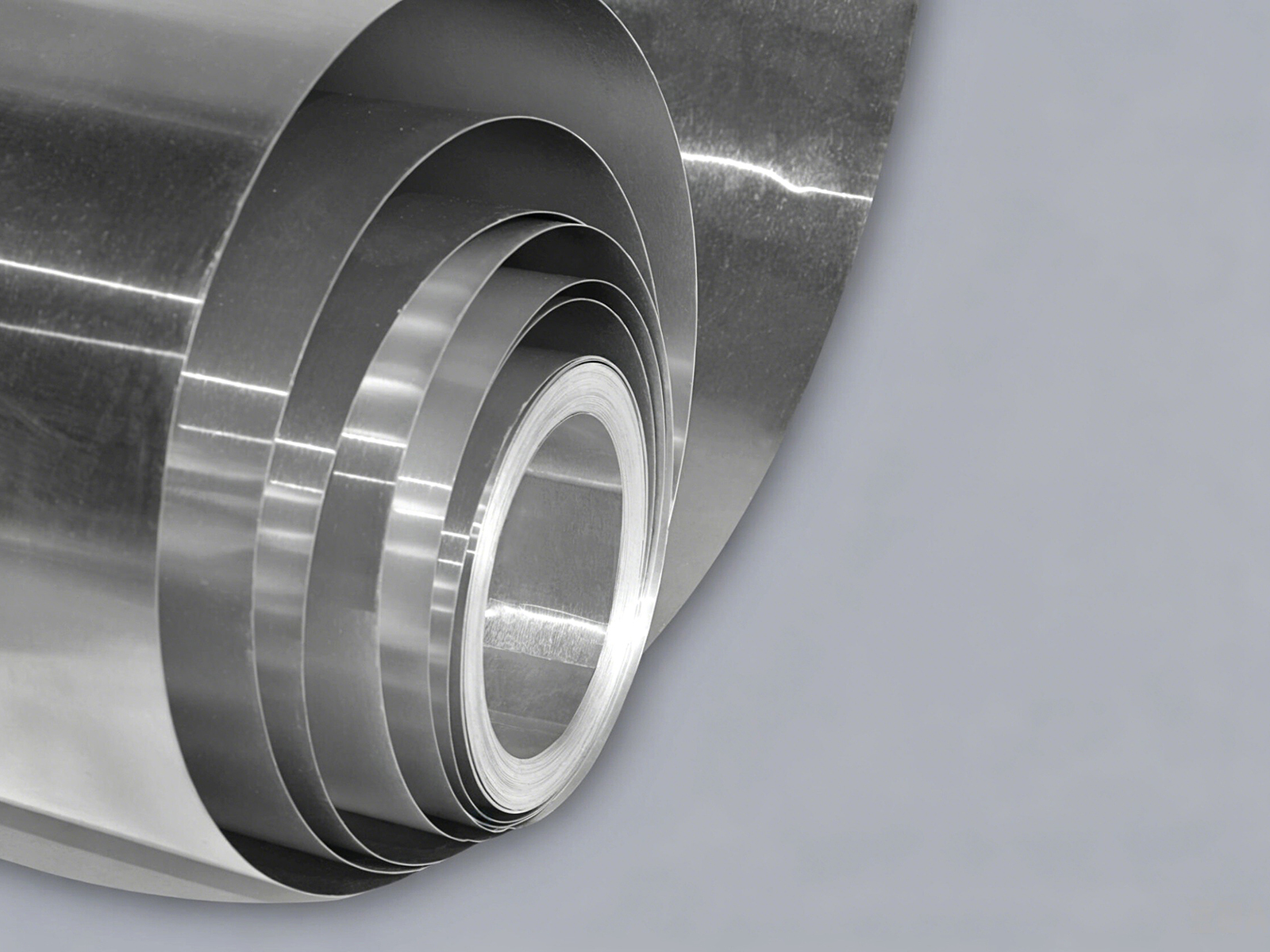
The service life and replacement cycle of Zr702 foil are not fixed values. They depend on multiple influencing factors. High-quality Zr702 foil works steadily for several years in harsh environments like hydrochloric acid and dilute sulfuric acid. Key factors include medium concentration, working temperature, mechanical stress, surface condition and installation quality. Zr702 foil keeps a low corrosion rate in hydrochloric acid below 20% concentration and at temperatures under 60 ℃. Designers need to set proper corrosion allowance for practical use. Take 0.3 mm thick foil as an example. Users calculate actual service life based on working conditions and reserve safety margins. Building monitoring systems, selecting proper specifications and standardizing installation work can extend foil life and cut maintenance costs effectively.
1 Core Factors Affecting the Service Life of Zr702 Foil
1.1 Concentration and Temperature of Corrosive Media
Medium concentration directly changes corrosion speed. Zr702 foil delivers good corrosion resistance within a certain concentration range of hydrochloric acid. Corrosion rate rises sharply when concentration or temperature exceeds critical values. Corrosion rate follows the Arrhenius equation in dilute sulfuric acid. It increases exponentially along with temperature. Conduct field corrosion tests to get accurate data for actual working conditions.
1.2 Mechanical Stress and Fatigue Load
Compressive stress on gaskets, electrochemical stress in electrolytic cells and thermal stress from temperature cycles all speed up micro crack growth. Continuous vibration and pressure fluctuation shorten the effective service life of Zr702 foil. Ultra-thin foil with thickness 0.02 ~ 0.05 mm acts as current collectors for batteries. It is more sensitive to stress. Rational structural design and stress control help achieve long service life.
1.3 Surface Quality and Micro Defects
Complete surface oxide film forms the self-passivation protection system of Zr702 foil. Tiny cracks, inclusions and uneven thickness from production become starting points for local corrosion. Foil made with precision rolling lasts longer than regular products. Vacuum annealing at 600 ~ 750 ℃ and ultrasonic cleaning remove surface contaminants and residual stress effectively.
| Influencing Factor | Low-risk Condition | High-risk Condition | Impact on Service Life |
|---|---|---|---|
| Hydrochloric Acid Concentration | 10 ~ 20 % | > 35 % | Service life drops sharply in high-concentration media |
| Working Temperature | < 50 ℃ | > 90 ℃ | High temperature accelerates corrosion |
| Mechanical Stress | Static compression | Vibration & cyclic load | Dynamic stress cuts service life by over 40% |
| Surface Condition | Defect-free after vacuum annealing | Damaged oxide film | Surface quality decides corrosion resistance |
2 Replacement Cycles for Different Application Scenarios
2.1 Corrosion-resistant Seals for Chemical Equipment
Zr702 foil has long service life for static seals on hydrochloric acid tanks and pipe flanges. Avoid scratches and excessive compression during installation. Choose foil with thickness 0.3 ~ 0.5 mm and reserve 20% ~ 30% corrosion allowance. Replace the gasket timely if thickness reduces obviously or surface discolors during regular inspection.
2.2 Electrodes for Electrolysis and Electroplating Equipment
Zr702 electrode foil bears electrochemical corrosion and current impact in electrolytic cells. Current density and medium conditions decide the service life of 0.1 ~ 0.2 mm foil. Higher current density shortens service time. Anodizing pre-treatment extends the working cycle of electrode foil.
2.3 Current Collectors for New Energy Batteries
Zr702 foil works as current collectors for lithium batteries and fuel cells. It resists electrolyte corrosion for a long time at room temperature. Temperature rise or fluoride in electrolyte speeds up material aging. Vacuum annealing removes internal stress. Optimized structural design avoids stress concentration and extends stable running time. Consistent performance of each batch guarantees overall battery pack quality.
| Application Scenario | Typical Thickness (mm) | Main Influencing Factors | Main Failure Modes | Monitoring Index |
|---|---|---|---|---|
| Static Sealing Gasket | 0.3 ~ 0.5 | Medium concentration, temperature | Uniform thickness reduction | Thickness change rate |
| Electrolytic Cell Electrode | 0.1 ~ 0.2 | Current density, medium | Pitting, cracking | Surface roughness |
| Battery Current Collector | 0.02 ~ 0.05 | Electrolyte, temperature | Local perforation | Resistance change |
| Vacuum Equipment Parts | 0.05 ~ 0.1 | Mechanical fatigue | Mechanical fatigue | Air tightness test |
3 Scientific Methods to Evaluate Remaining Service Life
3.1 Visual and Dimensional Inspection
Set up regular patrol plans for preventive maintenance. Use precision thickness gauges (0.01 mm accuracy) to track thickness changes and draw corrosion rate curves. Silver-white surface turning dark gray or developing spots means severe damage to the oxide film. Edge curling, cracks and perforation are clear signs for immediate replacement.
3.2 Electrochemical Performance Testing
Use Electrochemical Impedance Spectroscopy (EIS) for electrode products. Sharp rise of interface impedance means degraded passive film. Cyclic voltammetry reflects the decline of electrode activity. Portable conductivity meters support quick field evaluation.
3.3 Corrosion Rate and Life Prediction Model
Use weighing method or ultrasonic thickness measurement to collect corrosion data. Build temperature-corrosion models based on the Arrhenius equation.
Remaining service life = (Current thickness – Minimum safe thickness) / Annual corrosion rate
Reserve 10% ~ 20% of the original thickness as the minimum safe thickness per structural strength requirements.
4 Practical Strategies to Extend Zr702 Foil Service Life
4.1 Optimize Design and Material Selection
Calculate initial thickness by multiplying total corrosion depth by safety factor during design. Use 1.5 times safety factor for severe corrosion and high-reliability working conditions. Use 1.2 ~ 1.3 times safety factor for regular static seals. Choose 0.5 ~ 0.8 mm foil for strong acid environments, and 0.2 ~ 0.3 mm foil for electrolysis work. Process wide foil (350 ~ 670 mm) with precision slitting and edge passivation to prevent stress concentration.
4.2 Standardize Installation and Operation Rules
Clean mating surfaces thoroughly before installation. Remove oil and rust. Control surface roughness below Ra 1.6 μm via polishing or fine grinding. Fasten sealing gaskets in diagonal sequence and follow specified torque strictly. Keep sharp tools away from foil surfaces. Use protective films during transportation.
4.3 Optimize Working Conditions
Reduce corrosive ions such as chloride and fluoride by purifying media. Zr702 foil develops pitting easily when exposed to free fluorine. Control fluoride content per corrosion test results. Keep temperature and pressure stable and avoid frequent thermal cycles. Distribute current evenly in electrolytic equipment to prevent local overheating. Clean surface deposits regularly to maintain the self-repair ability of passive film.
| Service Life Extension Measure | Operation Points | Expected Effect |
|---|---|---|
| Thickness Margin Design | Corrosion depth × Safety factor | Greatly extend service life |
| Surface Pre-treatment | Vacuum annealing + Ultrasonic cleaning | Improve corrosion resistance |
| Precision Installation | Control fastening torque, Diagonal tightening | Reduce stress-related failure |
| Medium Purification | Limit corrosive impurity content | Lower corrosion rate |
| Regular Inspection & Maintenance | Periodic check and thickness monitoring | Predict failures in advance |
5 Quality Control and Technical Standards
5.1 High-precision Production Technology
Modern automatic production lines solve multiple technical difficulties for ultra-thin and wide zirconium foil. Precision rolling mills keep strict thickness tolerance. Continuous vacuum annealing ensures uniform microstructure. Stable production supports large-scale orders.
5.2 Customized Processing Services
We supply full-size Zr702 foil from 0.02 mm to 0.8 mm for chemical corrosion, electrolysis, electroplating and new energy industries. We provide bright finish and pickled finish, annealed and cold-worked states. We also offer precision slitting and cut-to-length services. Every batch comes with complete material certificates and test reports, complying with ASTM B551 standards.
5.3 Technical Support
We provide full services including material selection, working condition analysis, installation guidance and regular inspection. We conduct corrosion simulation and life assessment for complex working conditions. Customers can apply for technical support and sample delivery.
Conclusion
The replacement cycle of Zr702 foil depends on medium property, temperature, mechanical stress and surface quality. Carry out regular inspection, corrosion rate prediction and preventive maintenance for scientific life management. Optimize material selection, standardize installation and control working conditions to extend foil service life. Choose qualified manufacturers with high-precision production and strict quality control to guarantee long-term stable operation.
FAQ
1. How to judge when to replace Zr702 foil?
2. Does ultra-thin Zr702 (0.02 ~ 0.05 mm) have shorter service life?
3. Can surface treatment extend the service life of Zr702 foil?
Contact Us
Baoji Titanium Valley Titanium Nickel Zirconium Material Processing Co., Ltd. is a professional manufacturer and supplier of Zr702 foil. We own world-class production equipment and technical teams. We deliver high-precision, consistent corrosion-resistant materials for global clients. Contact us for customized technical support and sample testing: sales@titaniumvalleys.com
References
- Li Wei, Zhang Hua. Research on Corrosion Behavior of Zirconium Alloys in Hydrochloric Acid[J]. Rare Metal Materials and Engineering, 2019, 48(3): 876-881.
- Wang Ming, Chen Zhiqiang. Experimental Study on Corrosion Rate and Temperature Relationship of Zirconium Alloys in Dilute Sulfuric Acid[J]. Corrosion Science and Protection Technology, 2020, 32(4): 345-350.
- Liu Tao, Zhao Gang. Application of Electrochemical Impedance Spectroscopy in Evaluation of Zirconium Passive Film[J]. Corrosion and Protection, 2021, 42(7): 23-28.
- Zhao Jianguo, Sun Qiang. Influence of Precision Rolling on Microstructure and Properties of Ultra-thin Zirconium Foil[J]. Forging & Stamping Technology, 2022, 47(5): 112-118.