
What Are the New Applications of Gr5 Titanium Foil in 3D Printing Shims and Acoustic Diaphragms?
- Gr5 Titanium Foil
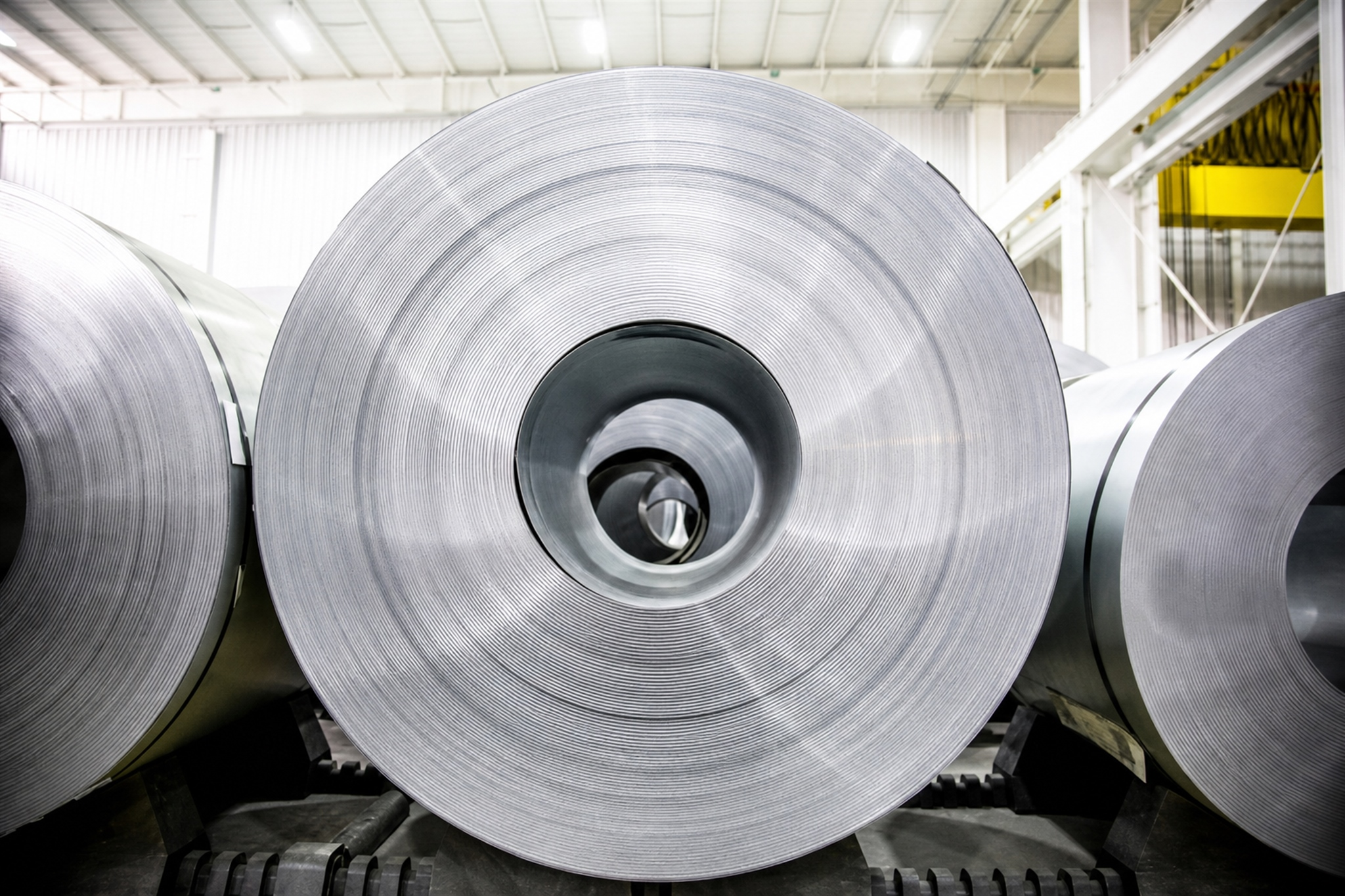
Gr5 Titanium Foil (Ti-6Al-4V titanium alloy foil), traditionally used in aerospace structural components, is expanding into emerging fields such as 3D printing shims and acoustic diaphragms. Its ultra-high strength, lightweight characteristics, and fatigue resistance bring unique value propositions in these new application domains. From thermal stress matching in additive manufacturing to transient response optimization in audio equipment, Gr5 titanium foil is creating irreplaceable technical advantages that traditional materials cannot match.
1. 3D Printing Shims: Thermal Stress Matching and Structural Support
(1) Thermal Expansion Matching with Titanium Alloy Print Materials
In powder bed fusion 3D printing of titanium components, the print bed and support structures experience extreme thermal cycles ranging from room temperature to over 1,000°C. Gr5 titanium foil serves as an ideal shim material because its thermal expansion coefficient (8.6 ×10⁻²/K) closely matches that of Ti-6Al-4V print powder (8.6–9.0 ×10⁻²/K), minimizing thermal stress mismatch. At 300°C, Gr5 foil retains over 90% of its room-temperature strength, preventing deformation during extended print cycles. Compared to pure titanium Gr2 foil, Gr5 provides 2.3 times higher strength at equivalent thickness, allowing thinner shims that reduce material costs by 15–20% while maintaining structural integrity.
(2) Fatigue Resistance for Repeated Thermal Cycling
3D printing chambers undergo thousands of thermal cycles during production runs. Gr5 titanium foil’s fatigue limit of 550 MPa enables it to withstand repeated heating and cooling without plastic deformation. In practical testing, Gr5 foil shims survived over 500 thermal cycles (room temperature to 800°C) with zero cracking or warping, whereas stainless steel 304 shims showed visible deformation after 200 cycles. This extended service life reduces shim replacement frequency from weekly to monthly intervals, significantly lowering operational costs.
(3) Cost Reduction Through Domestic Supply Chain Development
Previously, high-quality Gr5 titanium foil was predominantly sourced from overseas suppliers at prices of –500/kg with lead times of 8–12 weeks. Following domestic process breakthroughs and stable mass production, prices have dropped to –160/kg with delivery cycles shortened to 4–6 weeks. For 3D printing equipment manufacturers consuming 10 tons of titanium foil annually, procurement costs can be reduced by 600,000–1,000,000 USD while avoiding supply chain disruption risks and enhancing product market competitiveness.
2. Supporting New Energy and Electronics Industry Upgrading
(1) Battery Thermal Management Systems
Lithium battery thermal management systems require corrosion-resistant, high-thermal-conductivity lightweight materials. Gr5 titanium foil as battery pack heat dissipation substrates reduces weight by 40% compared to aluminum alloys and improves corrosion resistance by 5 times, extending battery pack life by 15–20%.
(2) 5G Communication Equipment Electromagnetic Shielding
In 5G communication equipment electromagnetic shielding applications, 0.05 mm thick Gr5 foil provides shielding effectiveness >90 dB at 1 GHz, combining non-magnetic properties with high-temperature stability. It is an ideal replacement for aluminum and copper foils in high-frequency, high-temperature environments.
3. Advancing Acoustic Engineering Toward Ultra-High Fidelity
(1) Diaphragm Performance Comparison
Professional recording studio monitor speakers require distortion <0.05% and frequency response deviation <±0.5 dB. Gr5 titanium foil diaphragms paired with neodymium magnets and long-throw voice coils achieve linear response across 20 Hz–40 kHz full frequency range with sound pressure levels >110 dB at 1 meter. This performance improvement brings domestic monitor speakers to the level of international top-tier brands, breaking the long-standing import monopoly in the high-end audio market and providing more cost-effective professional equipment for music production and post-production industries.
4. Manufacturing Challenges and Technical Solutions
(1) Ultra-Thin Wide-Foil Rolling Technology
Producing Gr5 titanium foil below 0.1 mm thickness presents significant challenges due to the material’s high strength and low ductility. A 20-high mill with multi-pass small reduction process (<8% per pass) combined with intermediate vacuum annealing solves the rolling crack problem. Continuous vacuum annealing furnaces (<10⁻³ Pa, 780–820°C) ensure uniform α+β phase organization with batch strength standard deviation <15 MPa.
(2) Thickness Control and Flatness Management
PLC tension-matching systems control thickness deviation within ±0.005 mm for 670 mm wide products, achieving aviation-grade precision for stable mass production. Slitting accuracy is maintained within ±0.05 mm with flatness better than 0.3 mm/m, ensuring consistent performance in downstream diaphragm and shim manufacturing.
Conclusion
Gr5 titanium foil, with its ultra-high strength, lightweight properties, and fatigue resistance, is creating irreplaceable technical value in 3D printing shims and acoustic diaphragms (note: Gr5, due to its higher elastic modulus, does not sound as well as pure titanium Gr2). From thermal stress matching to transient response optimization, from ultra-thin rolling to batch consistency control, every breakthrough stems from deep exploration of material intrinsic properties and precise control of process limits. With continued upgrading of additive manufacturing and high-fidelity audio industries, this high-performance alloy foil will unlock broader application potential.
FAQ
Q1: What is the core advantage of Gr5 titanium foil over pure titanium in 3D printing shim applications?
Gr5 titanium foil has tensile strength ≥895 MPa—2.3 times that of pure titanium Gr2—and a fatigue limit of 550 MPa, capable of withstanding thousands of high-temperature cycles without plastic deformation. Its thermal expansion coefficient matches titanium alloy print materials more closely, with thermal stress mismatch <5%, reducing component warpage by over 60% and significantly improving print success rates for complex structures and equipment service life.
Q2: Why can Gr5 titanium foil achieve lower acoustic distortion than aluminum alloys?
Gr5 titanium foil has a damping ratio of only 0.003, far lower than aluminum alloy’s 0.018, reducing residual vibrational energy by 85%. Combined with a specific strength of 203 kN·m/kg, it achieves an 8.2 μs rise time and 0.07% total harmonic distortion, accurately reproducing 20 Hz–40 kHz full-frequency audio signals and meeting the extreme purity requirements of professional monitoring-grade equipment.
Q3: How are the production difficulties of ultra-thin wide-grain Gr5 titanium foil overcome?
A 20-high mill multi-pass small reduction process (<8% per pass) combined with intermediate vacuum annealing solves the rolling crack problem for high-strength, low-ductility materials. Continuous vacuum annealing furnaces (<10⁻³ Pa, 780–820°C) ensure uniform α+β phase organization with batch strength standard deviation <15 MPa. PLC tension-matching systems control thickness deviation within ±0.005 mm for 670 mm wide products, achieving aviation-grade precision for stable mass production.
Looking for a Reliable Gr5 Titanium Foil Supplier?
Baoji Titanium Valley Titanium Nickel Zirconium Material Processing Co., Ltd., as a professional Gr5 titanium foil manufacturer, has an annual production capacity of 3,000 tons of ultra-thin wide titanium foil, providing full-specification customization from 0.03 to 1.0 mm, aviation-grade material traceability, and OEM processing services. Contact us now for technical solutions and sample testing:
References
Zhang Minghui, Wang Jianguo. Research on Precision Rolling Process of Ti-6Al-4V Alloy Ultra-Thin Foil [M]. Beijing: Metallurgical Industry Press, 2021.
Li Xiaodong, Chen Hua. Application and Performance Optimization of Titanium Alloy Diaphragms in High-Fidelity Speakers [J]. Acta Acoustica, 2023, 48(2): 256–267.
Zhao Wei, Liu Qiang. Study on Thermal Fatigue Performance of Titanium Alloy Foil for 3D Printing Shims [J]. The Chinese Journal of Nonferrous Metals, 2022, 32(5): 1234–1242.
Wang Zhiyuan, Li Fang. Damping Characteristic Analysis of Titanium Alloy Foil in Acoustic Diaphragms [J]. Materials Science and Engineering, 2023, 41(3): 345–352.