
How Is Gr1 Titanium Wire Used in Medical Devices
- Gr1 Titanium Wire
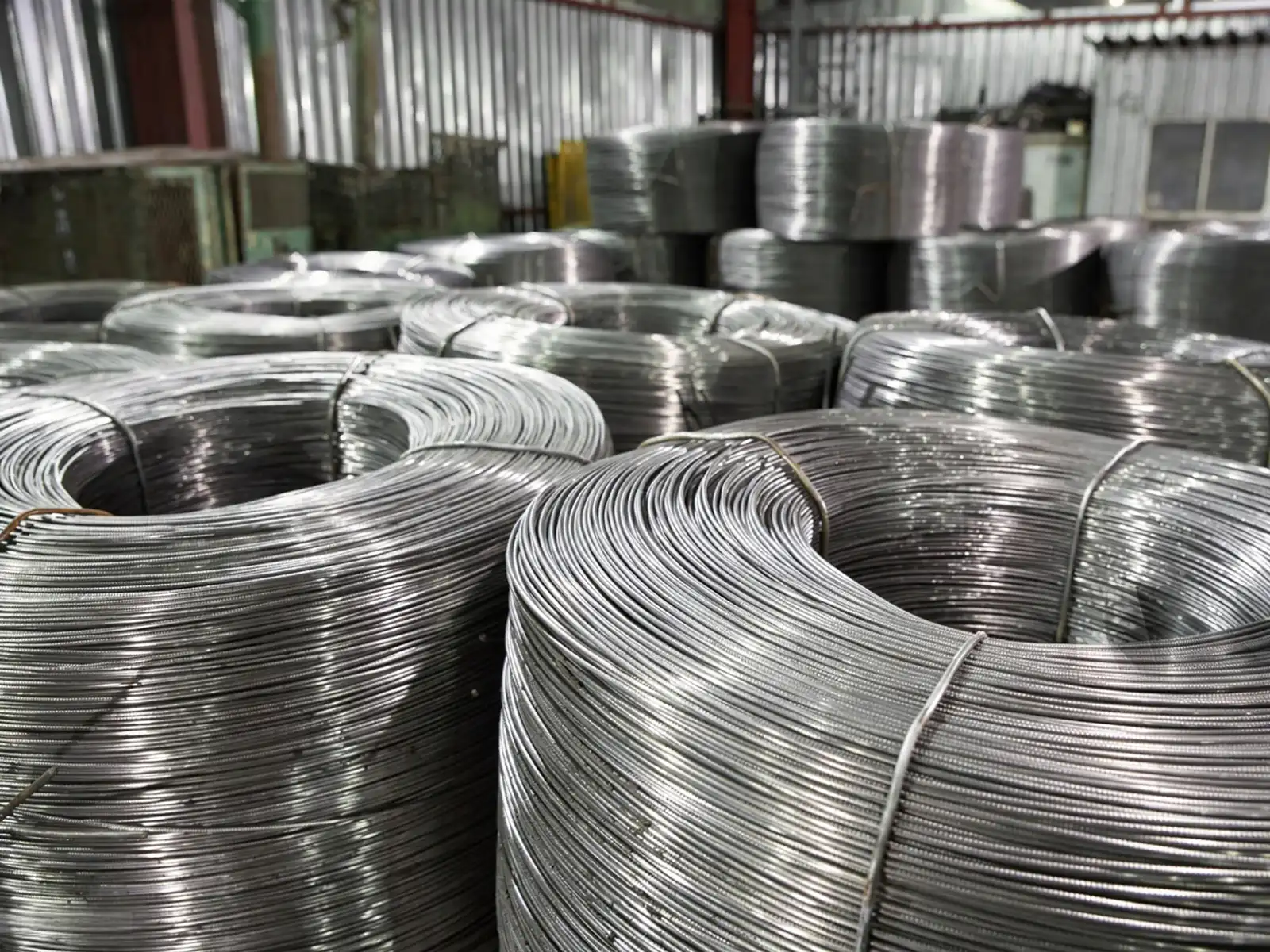
Gr1 Titanium Wire has become an indispensable key material in the field of modern medical device manufacturing due to its excellent biocompatibility, excellent corrosion resistance and non-magnetic properties. This kind of titanium wire with a purity of more than 99.5% plays a vital role in human implants, surgical instruments, dental restorations and minimally invasive medical equipment. Compared with traditional stainless steel materials, Gr1 Titanium Wire not only fully complies with the ISO 10993 series of biomedical evaluation standards, but also maintains long-term stability in complex body fluid environments without causing allergic reactions or tissue rejection. From precision surgical suture wires to orthopedic implant fixations, from cardiovascular interventional guide wires to dental orthodontic arch wires, Gr1 Titanium Wire is redefining the safety boundaries and performance standards of medical devices.
1. Biocompatibility basis and medical certification system of Gr1 titanium wire
(1) Material purity and tissue reaction mechanism
The biocompatibility of Gr1 Titanium Wire comes from its extremely high material purity, with titanium content (including inevitable impurities) ?99.5%, oxygen content strictly controlled at ?0.18%, and iron content ?0.20%. This pure chemical composition ensures that a stable TiO? oxide film (thickness approximately 3 to 7 nanometers) can be quickly formed on the surface of the material. This passivation layer can effectively isolate the release of metal ions and avoid cytotoxic reactions. Clinical studies have shown that the adhesion rate of human osteoblasts on the Gr1 titanium surface is significantly higher than that of 316L stainless steel, and the proliferation rate of fibroblasts is increased by about 35%, which directly verifies its excellent tissue integration ability.
(2) Compliance with international medical standards
As a medical-grade metal material, Gr1 Titanium Wire needs to pass a strict multi-level certification system. ASTM F67 and ASTM B863 standards stipulate the mechanical properties and chemical composition requirements of implant-grade titanium materials, while ISO 5832-2 specifically formulates technical specifications for pure titanium for surgical implants. During the US FDA and EU CE certification processes, materials must complete applicable biological evaluation items in the ISO 10993 series according to product type, including cytotoxicity, sensitization, irritation, blood compatibility and chronic toxicity testing. Gr1 Titanium Wire that meets these standards can be supplied with a full EN 10204-3.1 material certificate, ensuring traceability of each batch.
(3) Long-term implantation environment stability
In the human body fluid environment (pH 7.35~7.45, temperature 37?C, chloride ion concentration approximately 150 mmol/L), Gr1 Titanium Wire exhibits excellent long-term stability. In vitro corrosion tests show that the corrosion rate after immersion in simulated body fluid (SBF) for one year is
2. Core technical advantages in medical device applications
(1) Ultra-fine specification processing and precision dimensional control
Modern minimally invasive medical technology places extreme requirements on material diameter. Gr1 Titanium Wire can stably produce a full range of specifications from ?0.06 mm to ?6.5 mm. Using the Italian Danieli continuous rolling production line and a multi-pass cold drawing process, the dimensional tolerance can be controlled within ?0.01 mm, and the surface roughness Ra value reaches a bright surface level of ?0.4 ?m. This precise control capability allows ?0.1 mm ultra-fine titanium wire to be used for ophthalmic microsurgical suturing, ?0.8 mm titanium wire can be processed into vascular interventional guide wires, and ?3.0~5.0 mm specifications are suitable for orthopedic Kirschner wire and intramedullary nail manufacturing.
(2) Mechanical performance matching and fatigue life
The mechanical properties of Gr1 Titanium Wire perfectly meet the needs of medical devices: the tensile strength in the annealed state (M state) is ?240 MPa, the yield strength is ?170 MPa, and the elongation is ?20%, which not only ensures sufficient structural strength, but also has good plastic deformation ability. The strength of semi-hard state (Y2 state) can reach 380~480 MPa, which is suitable for making device parts that require elastic recovery. Fatigue test data shows that under 10? cycles of load, the fatigue strength of Gr1 Titanium Wire is approximately 55% of the tensile strength, which allows the implantable pacemaker lead to withstand the impact of the heart’s approximately 40 million beats per year without breaking.
(3) Non-magnetic properties and image compatibility
Gr1 titanium is a typical paramagnetic material (magnetic susceptibility is about +1.8?10?? emu/g), which does not produce a magnetizing effect in a strong magnetic field. This feature is crucial for modern medical diagnosis: patients implanted with devices made of Gr1 Titanium Wire can safely undergo MRI (magnetic resonance imaging) examinations (fully compatible in magnetic fields of 3.0T and below) without artifact interference or risk of device displacement. Comparative studies have shown that the signal-to-noise ratio of MRI images with titanium-containing implants decreases by <5%, while stainless steel implants result in a 30-50% loss of image quality. This enables long-term imaging follow-up of patients after orthopedic surgery to detect complications in a timely manner.
(4) Surface treatment diversity and functional customization
Medical devices have differentiated requirements for surface conditions, and Gr1 Titanium Wire can provide a variety of surface treatment solutions. Acid-washed surface (Ra ? 0.8 ?m) is suitable for implant bases that require bioactive coatings; bright surfaces (Ra ? 0.4 ?m) meet the aesthetic requirements of direct-view surgical instruments; sandblasting + acid etching treatment can make the surface roughness reach Sa 1.5~3.0 ?m, promoting osseointegration speed by 25~40%. Anodizing technology can generate TiO? films of different colors (gold, blue, gray), which not only enables device code recognition but also enhances wear resistance. These surface engineering techniques allow the same substrate to be adapted to a wide range of applications, from sutures to bone nails.
3. In-depth analysis of typical medical device application scenarios
(1) Orthopedic implant fixation system
In the fields of orthopedic trauma and spine surgery, Gr1 Titanium Wire is the preferred material for manufacturing Kirschner wires, screw guide wires, and circular external fixator connecting wires. ?1.5~3.0 mm titanium wire has good puncture performance after cold drawing, and can provide an axial load capacity of 200~400N while minimizing tissue damage. Children’s fracture fixation particularly relies on the biosafety of Gr1 Titanium Wire – since children’s bones are in the growth and development stage, the material’s non-toxicity and low elastic modulus (approximately 110 GPa, close to 20 GPa of human cortical bone) can reduce the stress shielding effect and help reduce the risk of osteoporosis.
(2) Cardiovascular interventional treatment equipment
The guidewire system used in coronary interventional surgery has extremely demanding material performance requirements. The ?0.3~0.5 mm Gr1 ultra-fine titanium wire is specially twisted to form a guide wire core material with high torque transmission efficiency (>85%) and excellent tracking properties. Its elastic modulus is 30% lower than stainless steel, allowing the guidewire to conform to the natural curvature of blood vessels (radius of curvature
(3) Oral and maxillofacial and dental applications
Arch wires in orthodontic treatment are an important application area of ??Gr1 Titanium Wire. The semi-hard titanium wire with a diameter of 0.4~1.2 mm has long-lasting elastic recovery force (elastic recovery rate >92%) and gentle orthodontic force (approximately 50~150g), and can maintain a stable tooth movement rate during the course of 3~6 months. Compared with nickel-titanium alloy archwires, pure titanium archwires avoid the risk of allergies caused by the release of nickel ions (the nickel allergy rate in the population is about 10~15%), and are especially suitable for patients with sensitive constitutions..
(4) Minimally invasive surgical suture materials
Modern microsurgery and laparoscopic surgery have promoted the development of ultra-fine titanium wire sutures. After special surface treatment, the tensile strength of ?0.06~0.15 mm titanium wire can still reach more than 450 MPa. A single wire can withstand a tension of 3~8 N, meeting the needs of precision operations such as ophthalmic corneal suturing and neurosurgery dural repair. Compared with absorbable sutures, the tensile strength of wounds sutured with titanium wires recovers 25% faster and can reach 80% of the original tissue strength after 6 weeks. Compared with silk threads, titanium wires do not cause chronic inflammatory reactions in tissues, and the postoperative sinus tract formation rate is reduced from 12% to <2%.
(5) Implantable electronic device connectors
The electrode leads of active implantable devices such as pacemakers and neurostimulators place complex performance requirements on materials. Gr1 Titanium Wire serves as the outer protective layer or structural support skeleton. Although its resistivity (approximately 0.55 ???m) is higher than that of platinum-iridium alloy, it can meet the signal transmission needs through multi-core stranding design. More importantly, the low magnetic susceptibility of titanium ensures the safety of the instrument in the MRI environment and avoids tissue damage caused by eddy current heating. Long-term implantation studies have shown that the insulation damage rate of titanium wire-coated electrode leads is 60% lower than that of stainless steel leads, which directly reduces the need for device replacement surgery.
4. Material Selection Guidelines and Clinical Application Considerations
(1) Specification matching and mechanical design principles
Device designers need to select appropriate titanium wire specifications and conditions based on the force pattern. Orthopedic plate screws that bear static load should use annealed ?3.0~5.0 mm titanium wire to ensure sufficient plastic deformation ability to adapt to micro-movements at the fracture end; elastic components that bear cyclic loads should use semi-hard or hard ?0.5~2.0 mm titanium wire, using its high yield strength (?380 MPa) to avoid permanent deformation. Mechanical calculations show that a tension band made of ?2.0 mm semi-hard titanium wire has a safety factor of approximately 2.8 when withstanding a tension of 150 N, meeting the safety requirements of orthopedic internal fixation.
(2) Match surface state with biological function
Different implant environments have different requirements for surface properties. For long-term intraosseous implantation of devices (such as intramedullary nails, pedicle screws), sandblasting + acid etching surfaces should be selected. Its micron-level roughness can promote osseointegration, and the shear strength of the bone-titanium interface can reach 15~25 MPa within 6 weeks. Soft tissue contact devices (such as sternal fixation wires and abdominal wall hernia repair mesh stents) should use bright polished surfaces to reduce the fiber wrapping thickness by about 40%. Temporary fixation devices (such as Kirschner wires that need to be removed after fracture healing) can use acid-washed surfaces to ensure biocompatibility and facilitate postoperative removal to reduce bone tissue avulsion.
(3) Quality traceability and batch management
Medical device regulations require a complete material traceability chain for each implant. Qualified Gr1 Titanium Wire suppliers should provide a material certificate containing the following information: melting furnace batch number, chemical composition spectral analysis report, mechanical property test data, surface quality inspection records and vacuum melting (VM) process parameters. Advanced manufacturers use laser marking technology to mark batch codes on the surface of titanium wire, which can still be identified even after multiple processes. This traceability system can quickly locate the source of the problem when an adverse medical device event occurs, and the recall rate accuracy can reach the single batch level.
(4) Supply chain stability and certification system
When selecting titanium wire suppliers, medical device manufacturing companies need to evaluate their production capabilities and quality systems. Large-scale production lines with an annual production capacity of ?3,000 tons (such as using Danieli continuous rolling technology) can ensure batch stability, and the material performance fluctuations of different batches are <3%. ISO 13485 medical device quality management system certification is the entry threshold for suppliers, and materials that have passed FDA registration and EU MDR certification can be directly used in export products. The production line with an automation rate of >90% reduces the risk of contamination by reducing manual operations. The full-process online inspection system can monitor diameter deviations (accuracy ?0.01 mm) and surface defects (detection of defects ?0.05 mm) in real time.
5. Future development trends and technological innovation directions
(1) Additive manufacturing and titanium wire composite application
The development of 3D printing technology has promoted new application models of titanium wire in the medical field. The manufacturing cycle of low-load-bearing personalized craniomaxillofacial repair mesh or tissue engineering non-load-bearing scaffold is shortened from 4 to 6 weeks of traditional machining to 48 hours. This process is particularly suitable for craniofacial restorations with complex geometries and personalized joint prostheses. Studies have shown that the porosity of the porous titanium structure of wire additives can be controlled at 40~70%, and the pore diameter is 200~600 ?m. It is highly similar to the cancellous bone structure, and the bone ingrowth rate is more than 3 times faster than that of solid implants.
(2) Surface nanomodification and bioactive coating
The new generation of medical titanium wire is achieving functional upgrades through surface nanotechnology. The TiO? nanotube array (tube diameter 50~100 nm, length 1~3 ?m) prepared by anodization can load antibiotics or growth factors to achieve local sustained-release treatment, and the postoperative infection rate is reduced from 5~8% to <1%. Plasma sprayed hydroxyapatite coating (thickness 30~50 ?m) can shorten the osseointegration time from 12 weeks to 6~8 weeks. The bioactive glass coating induces the formation of a bone-like apatite layer on the titanium surface by releasing Ca?? and PO??? ions, with a shear strength of 25-35MPa, meeting the requirements of load-bearing parts.
(3) Intelligent sensing and function integration
Implantable sensor technology brings new application dimensions to titanium wire. Weaving ?0.2 mm ultra-fine titanium wire into a strain sensing network and implanting it into a spinal fusion device or hip prosthesis can monitor the stress state of the implant and the bone healing process in real time. By wirelessly transmitting data via Bluetooth, doctors can remotely assess the patient’s recovery status during the postoperative recovery period and promptly detect problems such as loose internal fixation or wear of the prosthesis. The market size of such smart implants is expected to reach US$15 billion in 2030, of which titanium-based materials will account for more than 60%.
(4) Ultra-high purity and low modulus alloying
In order to further optimize biological performance, research institutions are developing ultra-high-purity titanium wire with a purity of >99.8% (oxygen content <0.10%). The cell adhesion of this material is about 15% higher than that of standard Gr1. Another direction is to develop low elastic modulus titanium alloy wires (E=60-80GPa) through microalloying (adding 0.2~0.5% Nb, Ta or Zr), which is closer to the elastic modulus of human bones and is expected to completely eliminate the stress shielding effect. These new materials are currently in clinical trials and are expected to be commercially available within 5-10 years.
Conclusion
Gr1 Titanium Wire has become an irreplaceable core material in modern medical device manufacturing due to its excellent biocompatibility, precise size control capabilities and diverse surface treatment technologies. From orthopedic internal fixation to cardiovascular intervention, from dental restoration to neurosurgery, its application scope continues to expand. Choosing suppliers with international certification, stable supply capabilities and advanced manufacturing processes is the key to ensuring the safety and effectiveness of medical devices. With the development of additive manufacturing, nano-surface modification and intelligent integration technology, the application of titanium wire in the biomedical field will usher in broader prospects.
FAQ
Q1: What is the difference between Gr1 Titanium Wire and Gr2 titanium wire in medical applications?
(The upper limit of Gr2 oxygen content is usually <= 0.25%), but Gr1 has stricter iron and nitrogen content restrictions (iron ? 0.20%, nitrogen ? 0.03%), higher purity, better plasticity and ductility, and is more suitable for minimally invasive instruments and ultra-fine specifications that require complex molding and processing; Gr2 has a slightly higher iron content (?0.30%), slightly higher strength but equivalent biocompatibility, and is mostly used for load-bearing parts with higher strength requirements.
Q2: How does the surface roughness of medical titanium wire affect the implantation effect?
Smooth surface (Ra3?m) may increase the risk of bacterial adhesion, and the optimal surface condition needs to be selected according to the specific implant site.
Q3: How to verify the medical grade qualification of titanium wire supplier?
Core indicators include: ISO 13485 certification, ASTM B863 or ISO 5832 standard compliance, the ability to provide batch-by-batch EN 10204-3.1 material certificates, production environment cleanliness levels (at least ISO level 8), traceable smelting batch number management systems, and third-party biocompatibility test reports.
Looking for a trustworthy Gr1 Titanium Wire manufacturer?
Baoji Baoji Titanium Valley Titanium Nickel Zirconium Material Processing Co., Ltd. is equipped with an Italian Danieli production line with an annual output of 5,000 tons of medical grade titanium wire. It provides complete EN 10204-3.1 certificate and customized surface treatment services. Contact us for technical support and sample testing: sales@titaniumvalleys.com
References
Wang Zhen, Li Ying. Research progress of biomedical titanium alloys [J]. Materials Herald, 2020, 34(5): 101-108.
Zhang Qiang, Chen Feng. Application of pure titanium and titanium alloys in orthopedic implants [J]. Chinese Journal of Medical Devices, 2019, 43(2): 112-115.
Liu Jie, Zhao Xiaoguang. Research on surface treatment and biocompatibility of medical titanium wire [J]. Rare Metal Materials and Engineering, 2021, 50(8): 2876-2882.