
How Much Does Gr1 Titanium Foil Cost
- Gr1 Titanium Foil
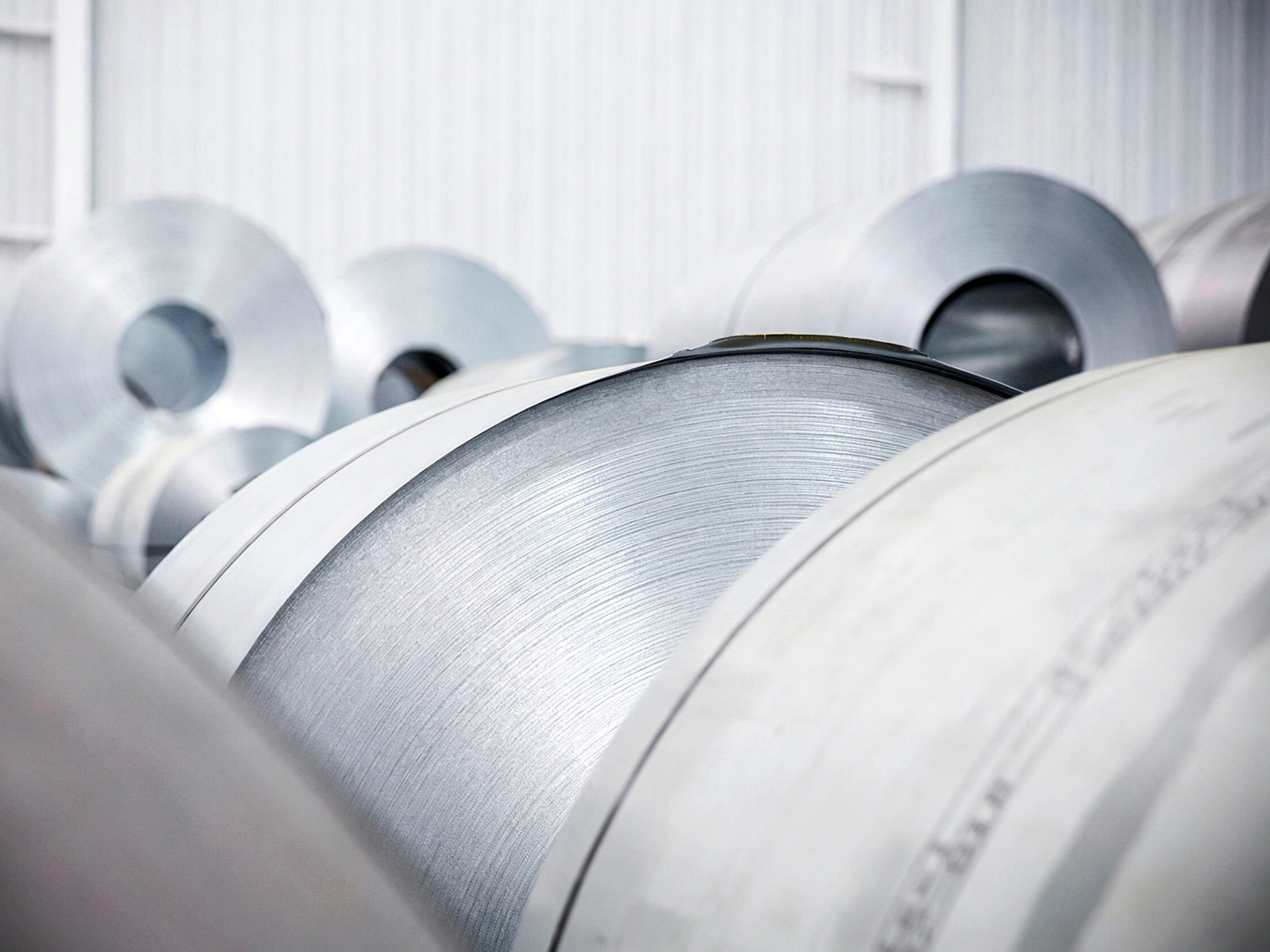
The market price of Gr1 Titanium Foil is usually between US$200 and US$600 per kilogram, depending on thickness, width, surface treatment requirements and purchase volume. Ultra-thin specifications (0.02~0.1 mm) and wide-format products (?500 mm) are priced at the upper limit due to high process difficulty. You can enjoy a 15~30% price discount for bulk orders. Gr1 Titanium Foil with a purity of ?99.5% is affected by fluctuations in raw materials. Every 10% increase in the price of titanium sponge will increase the cost of the finished foil by approximately 3~4%. In addition to raw materials, precision rolling equipment investment, surface treatment technology and quality inspection standards also significantly affect the final quotation. This article will provide an in-depth analysis of price structure, market trends and purchasing strategies to help you make wise business decisions.
1. The core components of Gr1 titanium foil price
(1) Analysis of raw material cost proportion
Titanium sponge is the basic raw material of Gr1 Titanium Foil, and its price directly determines the bottom line of product cost. The global titanium sponge market is significantly affected by mineral resource supply, energy prices and geopolitics. In the past three years, the price of titanium sponge has fluctuated between US$8,000 and US$15,000 per ton, accounting for 40-55% of the total cost of titanium foil. China, Japan, and Russia are the main production areas, and differences in supply chain stability lead to different price competitiveness in different production areas. High-purity titanium raw materials (Ti ? 99.5%) need to strictly control the content of Fe, O, C and other impurities, and the refining process adds 10-15% additional costs.
Table 1: The transmission effect of titanium sponge price on the cost of titanium foil
(2) Cost weight of processing technology
20-roll precision rolling technology is a key link in the production of 0.02~1.0 mm ultra-thin titanium foil, and the equipment investment reaches tens of millions of dollars. Multi-pass cold rolling requires a thickness tolerance of ?0.001 mm. Every time the thickness is reduced by 0.005 mm (in the range of 0.02~1.0 mm), the processing difficulty increases exponentially, and the scrap rate jumps from 5% to 12~18%. The continuous argon annealing furnace maintains a temperature control accuracy of ?2?C, and energy consumption accounts for 18~22% of the processing cost. Ultrasonic cleaning and alkaline solution treatment ensure that the surface dyne value (dyn/cm) is stable at 44. Chemical reagents and wastewater treatment increase environmental protection costs by 8 to 10%. Although automated production lines reduce labor costs by 60%, the proportion of equipment depreciation and maintenance costs increases to 15~20%.
(3) Price gradient based on specification differences
Due to the difficulty of extreme rolling, the price of ultra-thin specifications (?0.05 mm) is 40~80% higher than that of conventional thicknesses (0.5~1.0 mm). Wide-width products (600~670 mm) have strict requirements on shape control, and technical barriers to springback compensation and tension control increase prices by 25~35%. The surface treatment level also affects the quotation: the bright surface requires additional polishing and pickling processes, which is 15-20% more expensive than the glossy surface; medical grade surface cleanliness standards (particle contamination <0.05%) increase the cost by 30%. For customized services such as non-standard width slitting and special length rolls, when the single minimum order quantity is less than 500 kg, the unit price will increase by 20~40%.
2. Global market conditions and regional price differences
(1) Price benchmarks in major markets
The North American market is driven by aerospace demand. The price of ASTM B265-2020 standard Gr1 Titanium Foil is US$380 to US$550 per kilogram. It has strict requirements for material traceability and third-party testing reports, and certification costs push up the selling price by 10 to 15%. Europe’s high-end manufacturing industry focuses on EN 10204 3.1 certificates. German and Italian buyers accept a price range of US$350 to US$500 per kilogram, but require a batch consistency coefficient of variation <3%. The Asian market is clearly divided: the price of 0.02~0.1 mm ultra-thin foil required by Japan’s precision electronics industry reaches 420~600 US dollars per kilogram; the Korean battery industry purchases 0.3~0.5 mm specifications in bulk, and the price is compressed to 240~320 US dollars per kilogram; China’s local supply relies on its production capacity advantage, and the export price is between 200 and 380 US dollars per kilogram, with outstanding cost performance.
(2) Seasonal fluctuations and periodic patterns
The demand for titanium foil shows an obvious quarterly cycle: Q2 and Q4 are the traditional peak seasons. Electronic consumer goods preparation and centralized procurement of new energy projects release orders, and prices increase by 8~12% compared with the off-season. The production expansion of fuel cells and lithium batteries in the new energy industry has caused the price center to move up by 15% from 2023 to 2024. It is expected that it will fall back to a reasonable range in 2026 as production capacity is released. Supply chain disruptions caused by geopolitical factors caused a short-term surge of 25% in prices in 2022, but they returned to normal six months later. From a long-term perspective, global decarbonization policies promote the hydrogen energy industry, and the annual growth rate of demand for titanium foil for electrolyzers reaches 18~22%, supporting a steady rise in prices.
(3) Price competitiveness of import substitution
Before China’s high-end titanium foil production capacity breakthrough, Japanese and German products had long-term monopoly on the market, with premium rates as high as 50~80%. Baoji Titanium Valley and other companies have achieved stable mass production of ultra-thin and wide-width titanium foil through a 750 mm twenty-high finishing mill and a fully automated production line. The thickness tolerance and surface quality have reached the same international level. Under the premise of equivalent performance, the price of domestic Gr1 Titanium Foil is 25-40% lower than that of imported products, and the delivery cycle is shortened from 12-16 weeks to 4-6 weeks. Test data from North American and European customers show that domestic materials fully comply with ASTM B265-2020 standards in terms of tensile strength (?370MPa), elongation (?25%) and corrosion resistance. The quality stability has enabled the repeat purchase rate to exceed 70%.
Table 2: Price comparison of Gr1 Titanium Foil from different origins (0.5 mm?500 mm specification)
3. Key evaluation dimensions in purchasing decisions
(1) Key points for verification of technical parameters
Thickness tolerance is the core indicator of ultra-thin Gr1 Titanium Foil. The accuracy of ?0.001 mm needs to be equipped with a laser thickness gauge for full monitoring. When purchasing, you need to request roll-by-roll test data instead of random inspection reports. Surface quality inspection should include visual inspection (scratches, oxidation spots) and dyne value determination (?44 to ensure weldability). Medical and electronic applications also need to detect particle contamination. Among the mechanical properties, the ratio of tensile strength to yield strength (370/250?1.48) reflects the plastic reserve of the material. If it is too low, it indicates that insufficient annealing affects processability. Batch consistency is evaluated by the performance standard deviation of 5 samples from the same batch, and the coefficient of variation for quality suppliers should be <2.5%.
(2) Supplier qualifications and production capacity considerations
Manufacturers with an annual production capacity of ?1,000 tons usually have stable delivery capabilities and avoid the risk of delays caused by small factories due to equipment failure or raw material shortages. The certification system needs to cover ASTM B265-2020, ISO 9001 and industry-specific standards (such as aviation AS9100, medical ISO 13485). Materials from suppliers without certificates may not pass end customer audits. The equipment list should include key devices such as finishing rolling mills with more than 20 rollers, continuous annealing furnaces, and vacuum heat treatment furnaces to prove the integrity of the process. Check the customer case database or reference list for cooperation records with North American or European customers to verify their international market service experience. Third-party testing capabilities (such as SGS, T?V certification reports) enhance material traceability and reduce the risk of quality disputes.
(3) Total cost of ownership calculation
Low unit price is not the optimal choice, and the full life cycle cost needs to be calculated. In terms of transportation costs, sea freight is 60~70% cheaper than air freight but the lead time is 3~4 weeks longer. Urgent projects need to weigh the timeliness value. Tariffs and value-added taxes vary significantly due to trade agreements: tariff reductions and reductions among RCEP member states can save 5 to 8% of costs, and the United States has imposed an additional 25% tariff on Chinese products (specifically, the current policy shall prevail). Quality stability affects back-end processing losses: the material defect rate is reduced from 2% to 0.5%, equivalent to cost savings of 3~5%. The speed of after-sales service response is related to the continuity of production. Although suppliers with local warehousing or 48-hour replenishment commitments have higher unit prices by 5 to 8%, their overall costs are lower by avoiding line shutdown losses.
Table 3: Analysis of total procurement cost composition (taking a 1 ton order as an example)
4. Special procurement strategies for industry application scenarios
(1) Compliance requirements in the aerospace sector
Aviation grade titanium foil needs to meet AMS 4900 or AMS 4902 specifications (applicable to Gr1 foil), and requires a complete material history traceable to the titanium sponge batch number. Ultrasonic detection of internal micro-cracks, and the grain size is controlled at ASTM E112 standard level 7-9 to ensure fatigue life. Wide-width titanium foil (?600 mm) for large thin-walled structural parts needs to eliminate lateral performance differences, and suppliers should provide mechanical property data sampled from different parts. The aircraft maintenance market prefers small batches and multiple specifications, and flexible slitting capabilities (accuracy ?0.5 mm) and quick response (delivery within 7 to 10 days) have become the keys to bidding. Although the price is 30~50% higher than that of industrial grade, long-term stable orders will be formed after passing the certification.
(2) Cost-effective balance between electronics and new energy industries
EMI electromagnetic shielding materials pursue ultimate thickness uniformity (??0.002 mm) to avoid protection failure caused by local electromagnetic wave penetration. Titanium foil used for fuel cell bipolar plates needs to have both conductivity and corrosion resistance. The surface roughness Ra
(3) Special customization requirements for chemical and medical scenarios
Chemical anti-corrosion lining uses wide titanium foil (?650 mm) to reduce the number of welds and reduce corrosion weak points. Medical implant foils require biocompatibility test reports (such as ISO 10993-1 or ISO 10993-5), have no magnetic requirements, are usually measured by magnetic permeability <1.005, and strictly control ferromagnetic impurities. These areas often require special surface treatments: anodizing for identification, plasma cleaning to achieve ultra-clean grade, and micro-nano embossing to improve cell adhesion. Customized services usually require a minimum order quantity of ?200 kg, and the unit price increases by 25~40% but the added value is significant. Choose suppliers with clean workshops (Class 10,000) and special processing equipment to meet customization needs at one time and avoid the risk of secondary outsourcing.
5. Price Negotiation and Risk Management and Control Skills
(1) Effective price inquiry and price comparison methods
The structured inquiry form should include: precise specifications (thickness ? tolerance, width, length), surface condition (bright/matt/acid washed), packaging requirements (core diameter, moisture-proof packaging), delivery terms (FOB/CIF/DDP), payment method (prepayment/letter of credit/account period). At the same time, inquire about prices from 3 to 5 suppliers and ask for itemized quotations (materials, processing, transportation, taxes) to facilitate horizontal comparison. Be wary of abnormally low prices: more than 20% lower than the average market price, there may be hidden dangers such as material inconsistency (such as TA1 pretending to be Gr1), negative thickness deviation (nominal 0.5 mm, actual 0.48 mm), excessive surface defects, etc. Technical question-answering capabilities reflect the strength of a supplier, and manufacturers that can explain the relationship between process parameters and performance in detail are more reliable.
(2) Room for price optimization in bulk purchases
Significant discounts can be obtained if the single order quantity exceeds the critical point: 500~1000 kg price reduction of 10~15%, 1000~3000 kg price reduction of 15~25%, and ?5000 kg can be negotiated to cost price + 8~12% profit. The annual agreement locks in the total amount (such as purchasing 50 tons per year) in exchange for stable prices, avoiding the transmission of raw material price increases, and at the same time obtaining priority production scheduling and technical support. Joint procurement combines orders with companies in the same industry to reach the batch threshold and share bargaining power. Accept the supplier’s standard specifications (such as 500 mm width instead of customized 520 mm) and use its inventory quick response, reducing the price by 8~12% and shortening the delivery time by 50%. Long-term cooperative customers can receive a 2~5% cash discount by prepaying or shortening the account period.
(3) Risk plan for quality and delivery
For the first order, the cooperation will implement a small batch of samples (50~100 kg), and the order will be enlarged after internal testing and trial verification. The contract clearly cites quality standard clauses (such as “conforms to the requirements of ASTM B265-2020 Table 2”), and agrees on the sampling plan (such as 3-point sampling per volume) and judgment rules. Set up a quality guarantee or third-party escrow account, and the balance will be released after the materials are accepted. The delivery terms set milestones (raw materials in place, rolling completed, quality inspection out of the warehouse) and delay compensation (2% deduction for one week overdue). Cultivate a dual-supplier strategy, with primary supply for 70% of orders and backup supply of 30%, to avoid supply chain interruptions caused by single dependence. Establish 6 to 8 weeks of safety stock to cope with sudden demand fluctuations, and negotiate with suppliers on a consignment model to transfer inventory pressure.
Conclusion
The price of Gr1 Titanium Foil is a comprehensive reflection of raw material cost, precision processing technology, specification customization and market supply and demand. Procurement decisions need to go beyond a single price dimension and comprehensively evaluate technical parameters, supplier qualifications, full life cycle costs and industry-specific requirements. With the breakthrough of domestic high-end production capacity and the improvement of international certification, China-made Gr1 Titanium Foil is reshaping the global market structure with excellent cost performance. Only by mastering the logic of price formation, market dynamics and negotiation skills, and combining the core demands of your own application scenarios, can you achieve the optimal balance between cost and quality in the fiercely competitive supply chain.
FAQ
Q1: What is the price difference between 0.02 mm ultra-thin titanium foil and 0.5 mm conventional titanium foil?
Due to the difficulty of extreme rolling and high scrap rate, the unit price of ultra-thin specifications is usually 40-80% higher than that of conventional thickness. 0.02 mm titanium foil requires more than 20 passes of precision rolling, and the thickness tolerance is controlled at ?0.001 mm. Equipment loss and energy consumption increase significantly, causing the cost to rise significantly.
Q2: How to verify the purity and authenticity of Gr1 Titanium Foil provided by the supplier?
Suppliers are required to provide third-party testing reports (such as SGS, T?V), clearly indicating the content of Ti, Fe, O, C, N, H and other elements. An independent laboratory can be entrusted to conduct ICP spectrum analysis or direct reading spectrometer re-inspection. The Ti content should be ?99.5%, Fe?0.20%, and O?0.18% to meet the Gr1 standard.
Q3: What is the best minimum order quantity for bulk purchase of Gr1 Titanium Foil?
500~1000kg is the critical point to obtain obvious price advantages, which can reduce costs by 10~15%. If you lock in a total volume of 3 to 5 tons in an annual agreement, you can get a 15 to 25% discount and priority in property allocation. Orders less than 200 kg are usually calculated based on the retail price, and the minimum order quantity for customized specifications must be ? 500 kg to be economical.
Get a professional quote now
Baoji Titanium Nickel Zirconium Material Processing Co., Ltd., as a leading Gr1 Titanium Foil manufacturer and supplier, has an automated production line with an annual output of 3,000 tons and ?0.001 mm precision processing capabilities. We provide titanium foil in full specifications of 0.03~1.0 mm?15~680 mm, and support customized surface treatment and OEM services. The products have passed ASTM and ISO international certifications. Contact us for technical solutions and competitive quotations: sales@titaniumvalleys.com
References
Zhang Wei, Li Qiang. Research progress on precision rolling technology of titanium and titanium alloy foils [J]. Rare Metal Materials and Engineering, 2022, 51(6): 2156-2163.
American Society for Testing and Materials. ASTM B265-2020: Standard Specification for Titanium and Titanium Alloy Strip, Sheet, and Plate[S]. Philadelphia: ASTM International Press, 2020.
Wang Haitao, Chen Min. Analysis of global titanium market supply and demand pattern and price influencing factors [J]. China Nonferrous Metals, 2024(2): 78-85.
Japan Titanium Association. White paper on manufacturing technology of ultra-thin titanium foil for aerospace [R]. Tokyo: Japan Titanium Association Publishing Department, 2022.