
What Is the Critical Role of UNS R60702 Zirconium Foil in Nuclear Reactors?
- UNS R60702 Zirconium Foil
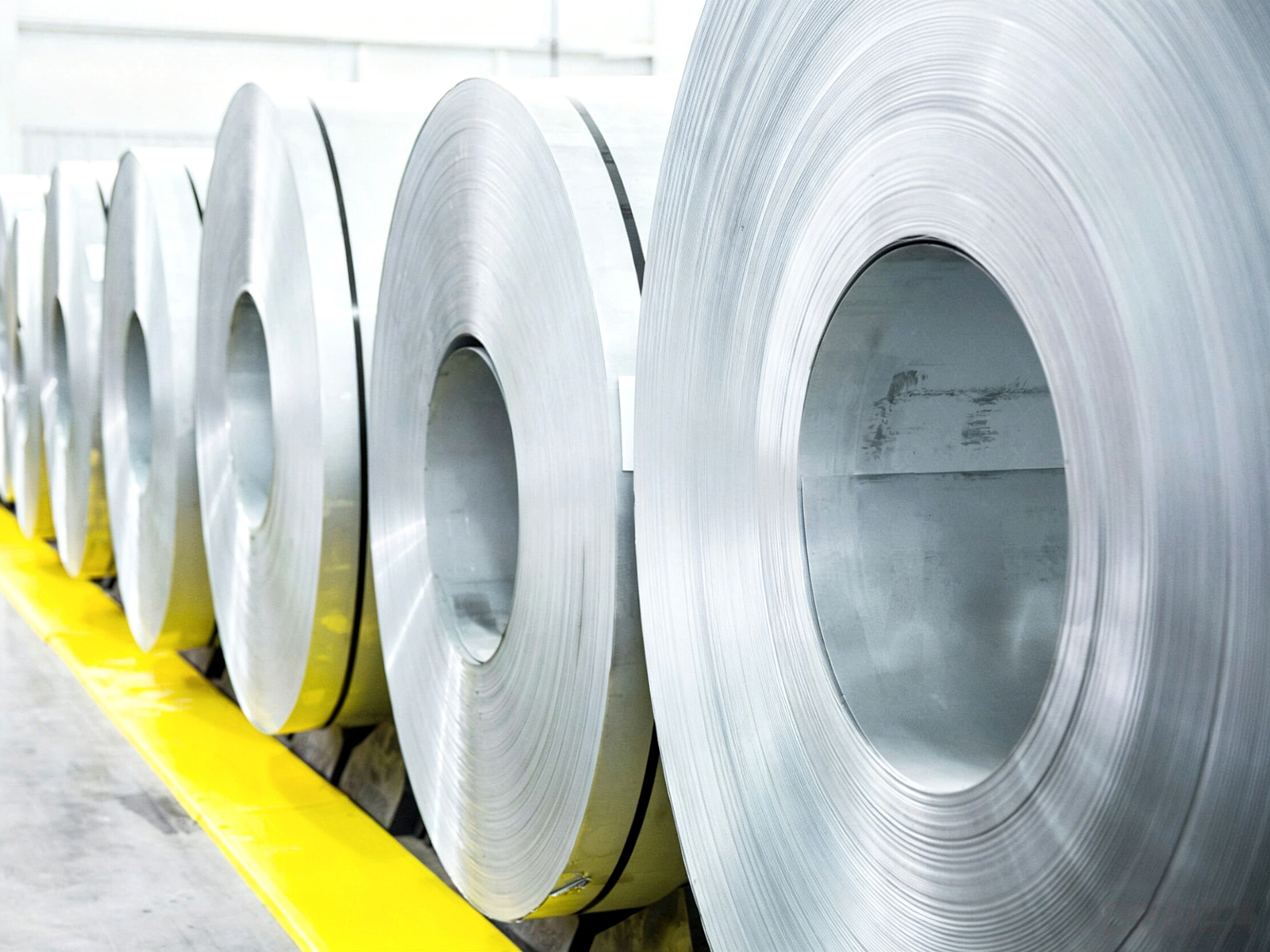
UNS R60702 Zirconium Foil (commercially pure Grade 2 zirconium per ASTM B551) plays an indispensable role in nuclear reactor construction, serving as critical components in fuel cladding, control rod assemblies, reactor internals, and structural supports. The selection of zirconium alloys for nuclear applications is driven by their uniquely low neutron absorption cross-section, excellent corrosion resistance in high-temperature water and steam, favorable mechanical properties, and proven long-term irradiation performance. This article examines the specific roles of UNS R60702 zirconium foil in nuclear reactors and the material science principles that make it irreplaceable in nuclear energy systems.
1. Neutronic Properties: The Foundation of Nuclear Zirconium Selection
(1) Low Neutron Absorption Cross-Section
Natural zirconium exhibits an extremely low thermal neutron absorption cross-section of 0.185 barns, orders of magnitude lower than stainless steel (approximately 2-3 barns effective) and significantly lower than titanium (approximately 3.1 barns). This property is paramount in nuclear reactor design, where neutron economy directly determines fuel burnup, core lifetime, and reactor power density. Every neutron absorbed by structural materials is a neutron unavailable for fission, reducing reactor efficiency and requiring more frequent fuel reloading. UNS R60702 zirconium foil minimizes neutron absorption while providing essential structural integrity.
(2) Hafnium Separation and Purity Requirements
Zirconium and hafnium are geochemically associated and co-exist in zircon minerals. However, hafnium has a neutron absorption cross-section of 104 barns—560 times higher than zirconium. Nuclear-grade zirconium requires hafnium removal to below 0.01% through complex solvent extraction or ion exchange processes. UNS R60702 foil for nuclear applications must meet strict Hf content specifications (<0.005%) to ensure acceptable neutronic performance. This purification requirement distinguishes nuclear-grade zirconium from industrial-grade material used in chemical processing.
2. Key Nuclear Reactor Applications of Zirconium Foil
(1) Fuel Cladding and Sheathing
While thick-walled zirconium alloys (Zircaloy-4, ZIRLO, M5) dominate fuel cladding tube applications, thin UNS R60702 zirconium foil (0.05-0.2 mm) serves as wrapping material for pellet-clad interface studies, experimental fuel element fabrication, and research reactor fuel plate cladding. The foil’s corrosion resistance in high-temperature water (300-350 degrees C, 150-160 bar) and low neutron absorption make it ideal for nuclear fuel containment applications where minimal neutron poisoning is essential.
(2) Control Rod Components
Zirconium foil is used in control rod guide tubes, spacer grids, and structural supports that position neutron-absorbing control materials (boron, hafnium, silver-indium-cadmium) within the reactor core. These structural components must maintain dimensional stability under irradiation, resist corrosion in coolant water, and contribute minimally to neutron absorption. UNS R60702 foil meets all three requirements, enabling reliable control rod operation throughout the fuel cycle.
(3) Reactor Internals and Structural Supports
Thinner zirconium foil (0.1-0.5 mm) fabricated into gaskets, seals, and thermal barrier layers provides corrosion-resistant interfaces between reactor pressure vessel components. Foil-wrapped insulation materials reduce heat loss while maintaining neutron transparency. Zirconium foil diaphragms in instrumentation ports provide pressure-sealed, corrosion-resistant access for neutron flux monitors and temperature sensors.
(4) Experimental and Research Reactor Applications
Research reactors and materials testing facilities extensively use UNS R60702 zirconium foil for irradiation test capsules, sample holders, and neutron transparency windows. The foil’s predictable behavior under neutron flux, combined with its ease of fabrication and welding, makes it the standard material for nuclear research experiments requiring minimal neutron perturbation of the reactor core.
3. Irradiation Performance and Material Stability
(1) Neutron Irradiation Effects
Under neutron irradiation, zirconium undergoes dimensional changes (irradiation growth) of 0.1-0.5% at typical reactor operating fluences (10^20-10^22 n/cm2, E > 1 MeV), significantly lower than the swelling experienced by stainless steel (2-5% under similar conditions). Irradiation hardening increases yield strength by 20-40% but maintains adequate ductility (elongation >10%) for structural integrity. Creep rates under combined stress and irradiation are well-characterized and incorporated into reactor design codes, enabling predictable component lifetimes.
(2) Corrosion in High-Temperature Water and Steam
Zirconium forms a protective ZrO2 oxide layer in high-temperature water environments, with corrosion rates of 1-10 um/year at 300-350 degrees C—acceptably low for reactor design lifetimes of 40-60 years. The oxide layer growth follows parabolic kinetics and self-limits as thickness increases, providing inherent corrosion protection that improves with time. Hydrogen uptake from water radiolysis is minimized in Grade 2 zirconium (UNS R60702) through controlled oxygen content, reducing hydride formation risk.
(3) Thermal and Mechanical Property Retention
UNS R60702 zirconium foil maintains mechanical properties throughout reactor service life. Tensile strength retention at 350 degrees C exceeds 80% of room-temperature values. Fatigue strength under thermal-mechanical cycling is well-documented, with design fatigue curves incorporated into ASME Boiler and Pressure Vessel Code Section III, Division 1, Subsection NB for nuclear reactor component design.
4. Quality Assurance and Nuclear Regulatory Compliance
(1) Nuclear-Grade Material Specifications
Nuclear reactor components fabricated from UNS R60702 zirconium foil must comply with ASME Section III, ASTM B551 (standard specification for zirconium and zirconium alloy plate, sheet, and strip), and customer-specific nuclear quality requirements. Material certifications must include chemical composition, hafnium content verification, mechanical properties, non-destructive examination results, and irradiation history (if applicable).
(2) Non-Destructive Examination
All zirconium foil for nuclear applications undergoes 100% eddy current inspection to detect surface and near-surface defects. Ultrasonic testing verifies internal integrity. Radiographic examination may be required for critical components. Surface finish requirements (Ra <= 0.4 um) ensure optimal corrosion performance and minimize neutron scattering sites.
Conclusion
UNS R60702 zirconium foil occupies a critical niche in nuclear reactor construction, providing neutron-transparent, corrosion-resistant structural components that enable safe, efficient, and long-lasting nuclear power generation. Its uniquely low neutron absorption cross-section, combined with excellent high-temperature water corrosion resistance and predictable irradiation behavior, makes it irreplaceable in applications where every neutron counts and every component must perform reliably for decades under extreme conditions. As nuclear technology advances toward next-generation reactors with higher operating temperatures and improved fuel efficiencies, zirconium foil applications will continue to expand, supporting the global transition to clean, reliable nuclear energy.
FAQ
Q1: Can UNS R60702 zirconium foil be used in fast breeder reactors?
Zirconium alloys including Grade 2 (UNS R60702) have been used successfully in liquid metal (sodium-cooled) fast breeder reactors. However, fast reactor designs often employ specialized zirconium alloys with enhanced creep resistance at elevated temperatures (400-500 degrees C). Consult material specialists for fast reactor-specific applications.
Q2: What is the maximum operating temperature for zirconium foil in water-cooled reactors?
In water-cooled reactors operating at 300-350 degrees C, UNS R60702 zirconium foil maintains stable oxide layer growth and acceptable corrosion rates. Above 375 degrees C, corrosion rates increase significantly, and alloyed zirconium materials (Zircaloy-4, M5) with added tin and niobium provide superior high-temperature performance.
Q3: How is zirconium foil welded for nuclear reactor components?
Zirconium foil is welded using electron beam welding (EBW) or tungsten inert gas (TIG) welding in argon shielded enclosures with oxygen content below 50 ppm. EBW is preferred for nuclear applications due to its deep penetration, narrow heat-affected zone, and excellent weld quality. All nuclear welds require 100% radiographic or ultrasonic examination for acceptance.
Contact Titanium Valley
Baoji Titanium Valley Titanium Nickel Zirconium Material Processing Co., Ltd. supplies nuclear-grade UNS R60702 zirconium foil with hafnium content below 0.005%, EN 10204 3.1 certification, and full material traceability. Custom thicknesses 0.05-1.0 mm available for nuclear reactor applications. Contact us for technical data and quotations:
References
ASM International. ASM Handbook, Volume 22: Properties and Selection: Nonferrous Alloys and Special-Purpose Materials [M]. ASM International, 2001.
Lemaignan, C. Zirconium in the Nuclear Industry [J]. Nuclear Engineering and Design, 2019, 348: 1-15.
ASTM International. ASTM B551-20 Standard Specification for Zirconium and Zirconium Alloy Plate, Sheet, and Strip [S]. 2020.
ASME International. ASME Boiler and Pressure Vessel Code, Section III, Division 1 [S]. 2021.