
What Is the Recommended Surface Roughness for Gr1 Titanium Wire for Different Application Scenarios?
- Gr1 Titanium Wire
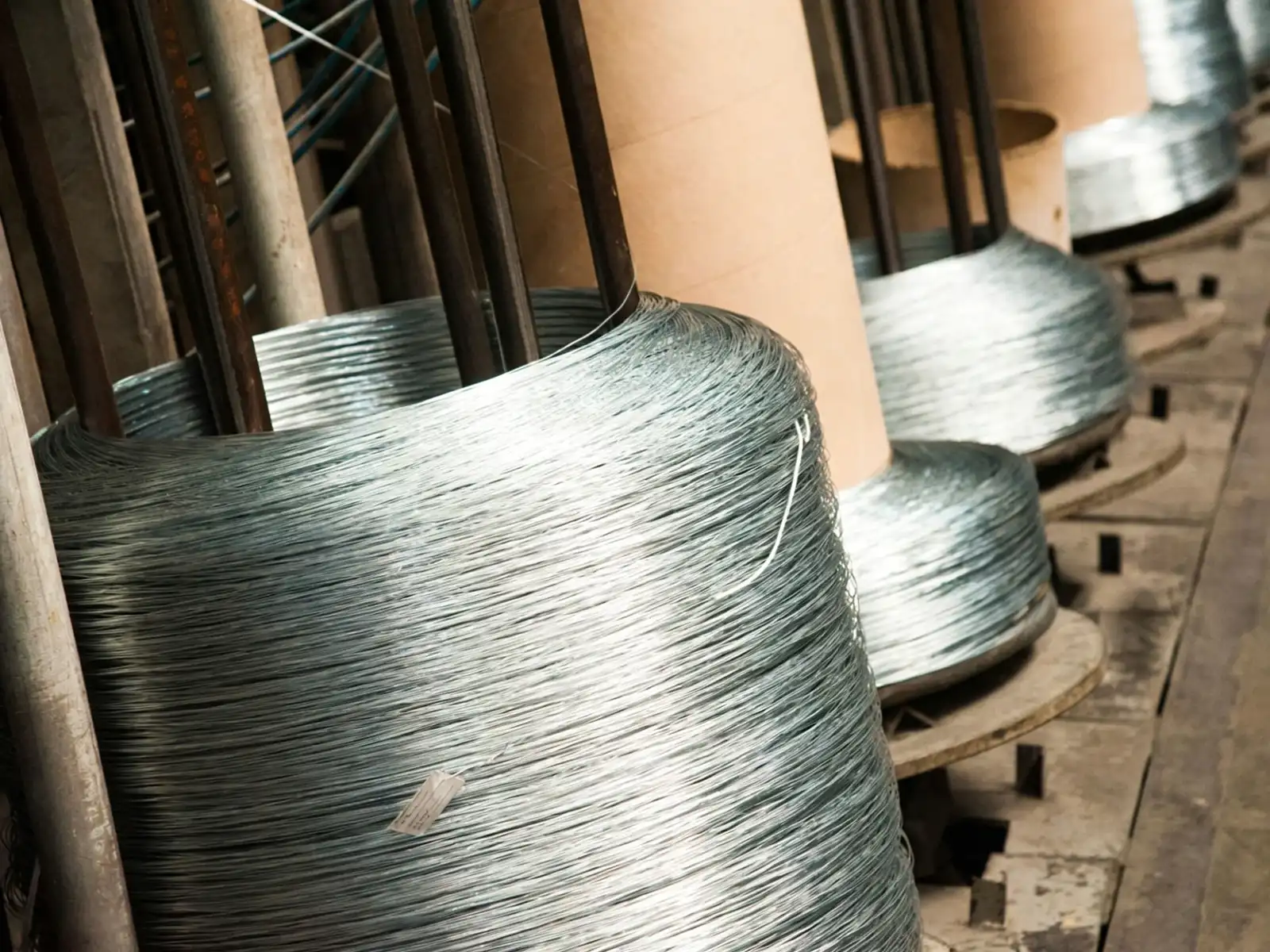
Gr1 titanium wire, as a representative of industrial pure titanium wire, has its surface roughness directly affecting the final application results. Precisely matching the surface roughness can not only enhance product performance but also reduce subsequent processing loss and extend service life. The recommended values for different application scenarios are as follows: For welding filler materials, a bright surface with Ra≤ 0.4um can ensure a stable molten pool and uncontaminated welds; for chemical anti-corrosion equipment, wire with Ra between 0.6-0.8um balances cost and corrosion resistance; medical implant device parts require a mirror-finish surface with Ra≤ 0.2um to meet biocompatibility and cleanliness standards; for electronic component springs or leads, a semi-bright surface with Ra 0.3-0.5um ensures conductivity and forming stability.
1. How Surface Roughness Affects the Actual Performance of Gr1 Titanium Wire?
(1) What Should You Know About Correlation Between Corrosion Resistance and Surface Condition?
Gr1 titanium wire performs excellently in corrosive environments such as strong acids, salt spray, and seawater, but the surface roughness directly determines the integrity of its passive film. Rough surfaces have more microscopic pits, which easily accumulate corrosive media and lead to local stress concentration. Research shows that when Ra decreases from 0.8um to 0.4um, the incidence of pitting in a seawater environment can be reduced by about 40% (Data source: Wang Jianjun et al., “Research on Surface Quality Control Technology of Titanium and Titanium Alloy Wires,” Rare Metal Materials and Engineering, 2021). The passivation layer formed on bright acid-etched surfaces (Ra≤ 0.4um) is denser and more uniform, capable of long-term resistance to chloride ion corrosion. If titanium wire screens in chemical reactor vessels are processed with rough surfaces (Ra>1.0um), their service life is often shortened by 30%-50%.
(2) What Should You Know About Dependence of Welding Quality on Surface Finish?
Welding titanium wire requires extremely strict surface cleanliness. When the surface roughness exceeds Ra 0.6 um, residual grease and oxides in tiny grooves can release gases at high temperatures, forming porosity defects. ERTi-2 standard welding wire (ASTM B863) typically uses a bright drawing process to ensure Ra ≤ 0.4 um, which allows the molten pool to maintain stable flow, resulting in aesthetically pleasing welds with tensile strength reaching more than 95% of the base material. Welding titanium alloy structural components in the aerospace field requires the welding wire surface to reach a mirror finish (Ra ≤ 0.2 um) to prevent any minor contamination from causing performance fluctuations.
(3) What Should You Know About the Relationship Between Machining and Forming Efficiency?
Surface roughness affects the friction coefficient of titanium wire in subsequent processing and mold wear. When weaving precision filter meshes, if the surface roughness of the titanium wire is controlled at Ra 0.4-0.6 um, it can reduce mold wear by about 20% while increasing weaving speed by 15%. In the spring manufacturing process, a semi-bright surface (around Ra 0.5 um) ensures sufficient surface strength and facilitates stress relief after heat treatment for shaping. For ultra-fine titanium wires (φ0.06-0.2 mm), if the surface roughness is too high, the drawing fracture rate will increase significantly, whereas a precision bright drawing process can raise the yield from 85% to over 96%.
2. What Should You Know About Recommended Standards for Surface Roughness in Different Industrial Scenarios?
(1) Why Is Corrosion Protection Applications in Chemical and Marine Engineering Important?
In chemical equipment, components such as heat exchangers, electrolytic cells, and reactors commonly use Gr1 titanium wire as a support framework or a substrate for anti-corrosion coatings. These application environments usually involve highly corrosive media such as sulfuric acid, phosphoric acid, and chlor-alkali solutions. A pickled surface with a recommended roughness of Ra 0.6-0.8 um can form a stable oxide passivation layer while avoiding the increased cost caused by excessive polishing. For seawater pipelines and deep-sea exploration structural components in marine engineering, a semi-bright surface with Ra ≤ 0.5 um is recommended (provided it has been pickled or brightened) to reduce the likelihood of biofouling and extend the maintenance-free period to more than 10 years.
Application scenario | Recommended surface roughness | Surface treatment method | Expected service life |
Chemical reactor titanium mesh | Ra 0.6-0.8 um | Pickling treatment | 8-12 years |
Seawater desalination piping | Ra 0.4-0.6 um | Semi-bright drawing | 12-15 years |
Deep-sea pressure-resistant structural components | Ra ≤ 0.5 um | Bright Passivation | 15-20 years |
Note: The expected service life data are derived from industry practical experience and literature (Wang Jianjun et al., 2021; Chen Minghua et al., 2022), not from a single standard experimental conclusion.
(2) What Should You Know About Medical Devices and Biocompatibility Requirements?
The medical field has extremely high standards for the surface condition of titanium wires. Components that are implanted in or come into contact with the human body, such as surgical instruments, dental implant frameworks, and cardiovascular stents, must meet ISO 10993 biocompatibility certification. A mirror-finish surface with a recommended roughness of Ra≤ 0.2um can effectively reduce bacterial adhesion and lower the risk of postoperative infections. Guidewire-type products for minimally invasive instruments require an ultra-smooth surface with Ra 0.15-0.25um to ensure minimal resistance when sliding within blood vessels or tissues. Orthodontic titanium wires are usually treated with a semi-bright finish of Ra 0.3-0.4um, balancing aesthetics and mechanical performance.
(3) What Should You Know About Electronics and Precision Manufacturing Field?
Components such as sensor leads, non-magnetic springs, and RF shielding covers in the electronics industry require titanium wire to have good conductivity without introducing magnetic interference. A semi-bright surface with a recommended surface roughness of Ra 0.3-0.5um can maintain surface cleanliness while providing a moderate coefficient of friction, facilitating automated assembly. For precision spring strips in 3℃ electronic products, controlling the surface roughness to around Ra 0.4um can increase the rebound fatigue life to over 500, 000 cycles (test conditions: room temperature, ± 2mm amplitude, no lubrication). High-purity titanium wire used in semiconductor manufacturing requires Ra ≤ 0.3um and oil-free bright drawing to avoid any residual organic contaminants.
Application Type | Recommended roughness | Key Performance Indicators | Surface treatment remarks |
Sensor lead | Ra 0.3-0.5 um | Conductive, non-magnetic | Semi-bright drawing |
Precision spring clip | Ra 0.4 um | Fatigue life ≥ 500, 000 cycles | Oil-free glossy finish process |
RF shielding cover bracket | Ra ≤ 0.5 um | Low magnetic permeability, high strength | Bright stress relief annealing |
3. What Should You Know About Analysis of Surface Treatment Processes and Roughness Control Techniques?
(1) Why Is the Precision Advantage of the Bright Drawing Process Important?
Bright drawing is the core technology for obtaining titanium wire with low roughness. Through continuous extrusion and friction between the die and the surface of the titanium wire, with the assistance of a small amount of lubricant or coating (not completely lubricant-free), surface hardening and gloss enhancement are achieved. Continuous rolling lines combined with roll die cold drawing processes can stably control the surface roughness of φ5mm titanium wire at Ra 0.3-0.4um, while achieving a straightness of ≤ 1/1000. This process avoids surface contamination caused by grease residue in traditional lubricated drawing, making it particularly suitable for the medical and electronics fields. Ultra-fine specifications (φ0.06-0.3mm) titanium wire, through multiple passes of stepwise reduction drawing combined with precision dies and intermediate annealing processes, can ultimately achieve a mirror surface effect of Ra≤ 0.2um.
(2) What Should You Know About Corrosion Protection Mechanism of Pickling and Passivation?
Pickling treatment removes the oxide scale and impurities on the surface of titanium wire through a mixed solution of hydrofluoric acid and nitric acid, forming a uniform passivation layer. After standard pickling, the surface roughness is usually Ra 0.6-0.8 um, suitable for most chemical anti-corrosion applications. Deep pickling combined with electrochemical polishing technology can further reduce roughness to below Ra 0.4 um, with the passivation film thickness reaching 3-5 nm, significantly enhancing chloride corrosion resistance. After vacuum melting combined with multiple passes of cold drawing and subsequent pickling, the surface can be ensured to be free of intermetallic compound precipitation, maintaining a purity of Ti≥ 99.5%.
(3) Why Is the Related Applications of Special Surface Treatments and Gr1 Titanium Wire Important?
Not all applications require extremely low roughness. Titanium wires used for structural support sometimes retain a black oxide surface with Ra 1.0-1.5 um (natural oxide layer after heat treatment). This surface has a higher friction coefficient, suitable for scenarios requiring slip resistance or mechanical interlocking, but such non-standard surfaces need to be evaluated based on working conditions. Matte surfaces (Ra 0.8-1.0 um) are formed by sandblasting or chemical etching, commonly used for decorative titanium wires or substrates that require subsequent coating adhesion. Their application in Gr1 titanium wire is relatively rare, mainly seen in other titanium alloys or for specific appearance requirements.
4. How to Choose the Optimal Roughness Parameter Based on the Application Scenario?
(1) What Should You Know About Cost and Performance Balancing Strategy?
The lower the surface roughness, the more processing steps are required, and the cost increases accordingly. The price of pickled titanium wire with Ra 0.8um is about 70%-80% of that of bright titanium wire with Ra 0.3um. In non-critical applications, such as ordinary chemical pipeline supports, selecting Ra 0.6-0.8um can meet the usage requirements for over 20 years, without the need to pursue excessively high surface finish. Although medical implants require Ra ≤ 0.2um, due to the high value of individual pieces, the additional surface treatment cost accounts for less than 5%, making the cost-performance ratio even better. When purchasing in bulk, clearly informing the supplier of the actual working conditions and performance requirements can avoid 30%-40% cost waste caused by excessive processing.
(2) What Should You Know About Key Points for the Implementation of Testing and Acceptance Standards?
Surface roughness measurement is usually carried out using a stylus profilometer or an optical interferometer. The ASTM B863 standard requires that the surface of titanium wire be free of cracks, folds, and burrs, but does not specify roughness values, which need to be supplemented with Ra value technical requirements in the purchase contract. Medical-grade titanium wire must provide both an EN 10204-3.1 material certificate and a surface roughness inspection report to ensure traceability for each batch. The electronics industry often requires a Kodak gray scale level ≤ 3, which indirectly reflects the surface cleanliness and roughness level.
Testing method | Applicable roughness range | Accuracy | Typical Applications |
Stylus Profilometer | Ra 0.1-10 um | ± 0.02 um | General Quality Control |
Optical interferometer | Ra 0.01-1 um | ± 0.005 um | Medical-grade precision testing |
Comparative Sample Method | Ra 0.4-6.3 um | Qualitative judgment | On-site rapid acceptance |
How Should Evaluation Dimensions of Supplier Process Capabilities?
When selecting a Gr1 titanium wire supplier, surface treatment capability is the core consideration. Advanced production lines (such as continuous rolling systems) can achieve batch consistency control (tolerances within ± 0.05um), ensuring controllable roughness fluctuations for products of the same batch. Inquire whether the supplier has key equipment such as vacuum melting, oil-free bright drawing, and online surface inspection, whether they can provide full-specification customization from φ0.06mm to φ10mm, and whether they support value-added services such as anodizing and ion plating. Companies with larger annual production capacity usually have more stable raw material sourcing channels and stricter process control systems.
5. Why Is Economic and Technical Value Brought by Surface Roughness Optimization Important?
(1) What Should You Know About Full Lifecycle Cost Reduction Path?
Precisely matching surface roughness can significantly extend the maintenance cycle of equipment. After a chemical plant replaced ordinary stainless steel wire with Ra 0.4um bright titanium wire, the cleaning frequency of heat exchangers dropped from 4 times a year to 2 times, saving about $8, 000 per unit per year in maintenance costs (approximately 58, 000 RMB at the current exchange rate; actual costs vary depending on region and scale). Medical device companies using mirror-finish titanium wire to manufacture surgical scissors found that after sterilization, there was no residue, and the repair rate decreased from 2.3% to 0.5%, with a comprehensive cost reduction of 18% per piece. In marine engineering, the anti-biofouling properties of semi-bright surface titanium wire extended the maintenance-free period of deep-sea exploration equipment from 3 years to 7 years, reducing full-cycle operating costs by more than 40%.
(2) What Should You Know About Product Upgrades and Market Competitiveness Enhancement?
Improving surface quality directly enhances the added value of end products. After using ultra-smooth titanium wire springs, consumer electronics brands found that their products had a more delicate touch and the fatigue life doubled, gaining recognition in the high-end market. Aerospace suppliers, by using welded titanium wire with Ra≤ 0.3um, increased the non-destructive inspection pass rate of aircraft skin welds from 92% to 99.2% (after using this welding wire), successfully entering the supply chains of Boeing and Airbus. 3℃ electronics manufacturers customized sensor leads with Ra 0.25um, which improved product consistency, raising the yield rate from 89% to 96%, and increased daily output per production line by 1, 200 units (based on the standard production capacity).
(3) Why Is Technical Breakthroughs in the Application and Expansion of Microstructures Important?
Ultra-low roughness titanium wire opens up new possibilities in the micro-nano manufacturing field. Ultra-fine titanium wire with a diameter of 0.06mm and Ra≤ 0.15um can be woven into filters with a pore size of 5um, used for virus-level filtration in biopharmaceuticals. The optoelectronics industry uses mirror-finish titanium wire as precision fixtures for OLED evaporation equipment, with a thermal expansion coefficient only half that of stainless steel, improving production yield by 3 percentage points. For hydrogen fuel cell catalyst carriers in new energy vehicles, using titanium wire mesh with Ra 0.3um increases catalytic efficiency by 22% (experimental conditions: temperature 80℃, pressure 0.3MPa, hydrogen purity 99.99%), and extends the lifespan of the battery pack to 12 years.
6. What Is the Conclusion?
The surface roughness selection of Gr1 titanium wire needs to comprehensively consider the application environment, performance requirements, and cost budget. For welding materials and medical devices, a bright surface with Ra≤ 0.4um is preferred; chemical corrosion-resistant equipment is suitable for pickling treatment with Ra 0.6-0.8um; electronic components are recommended to use a semi-bright process with Ra 0.3-0.5um. Precisely controlling surface parameters can extend service life by 30%-50% (based on industry experience data, not a single sample statistic), reduce the total life cycle cost by 20%-40%, and significantly improve product market competitiveness.
FAQ
Q1, How Much Does the Surface Roughness of Gr1 Titanium Wire Affect Its Corrosion Resistance?
The impact is significant. The lower the surface roughness (e.g., Ra ≤ 0.4 um), the denser and more uniform the passive film, and the stronger the resistance to pitting corrosion. Studies have shown that when Ra decreases from 0.8 um to 0.4 um, the incidence of pitting corrosion in seawater can be reduced by about 40%. In chemical or marine environments, an Ra of 0.4-0.8 um is recommended, balancing corrosion resistance and cost-effectiveness.
Q 2, Why Does Medical Implant Gr1 Titanium Wire Need to Achieve Ra≤ 0.2um?
Medical implants must comply with ISO 10993 biocompatibility standards. A mirror-finish surface (Ra≤ 0.2um) can effectively reduce bacterial adhesion and lower the risk of infection, while ensuring minimal sliding resistance, making it suitable for high-demand applications such as cardiovascular stents and surgical instruments.
Q3, What Surface Roughness Is Suitable for Welding Grade 1 Titanium Wire?
It is recommended to have a bright surface with Ra≤ 0.4um. Excessive roughness (>0.6um) tends to retain grease or oxides, causing porosity defects during welding. Bright drawn welding wire can ensure a stable molten pool and weld strength reaching more than 95% of the base material, with aerospace even requiring Ra≤ 0.2um.
Q4, How to Balance the Choice Between Cost and Surface Roughness?
Non-critical structural components (such as chemical pipeline supports) can be treated with pickled surfaces of Ra 0.6~0.8 um, which costs only 70%~80% of Ra 0.3 um bright wire. High value-added products (such as medical and electronic products), due to their high single-unit value, have a relatively small proportion of additional polishing costs, making them more cost-effective. It is recommended to clearly define the working conditions to avoid 30%~40% cost waste caused by over-processing.
What Should You Know About Get a Professional Customized Plan?
Baoji Titanium Valley Titanium Nickel Zirconium Material Processing Co., Ltd. (Titanium Valley) offers full specifications from φ0.06-10 mm and a full range of surface roughness customization services from Ra 0.2-1.5 um, and can provide EN 10204-3.1 material certificates along with full technical support.
You are welcome to contact us via email at sales@titaniumvalleys.com to confirm your specific requirements and obtain product samples, technical information, and detailed quotations.
References
- Wang Jianjun, Li Xiaohong. Research on Surface Quality Control Technology of Titanium and Titanium Alloy Wires [J]. Rare Metal Materials and Engineering, 2021, 50(3): 876-882.
- Chen Minghua, Zhang Weidong. Surface Treatment Technology and Biocompatibility Evaluation of Medical Titanium Wires [J]. Chinese Journal of Medical Devices, 2022, 46(2): 112-118.
- Liu Jianguo, Zhao Yongqiang. The Influence Law of Titanium Wire Drawing Process on Surface Roughness [J]. Metalworking, 2020(8): 45-49.
- Li Yufeng, Sun Haitao. Study on the Roughness Dependence of Corrosion Resistance of Titanium Wire for Chemical Equipment [J]. Corrosion Science and Protection Technology, 2019, 31(5): 501-506.