
Gr2 Titanium Wire: Analysis of Mechanical Properties, Key Applications, and Market Outlook
- Gr2 Titanium Wire
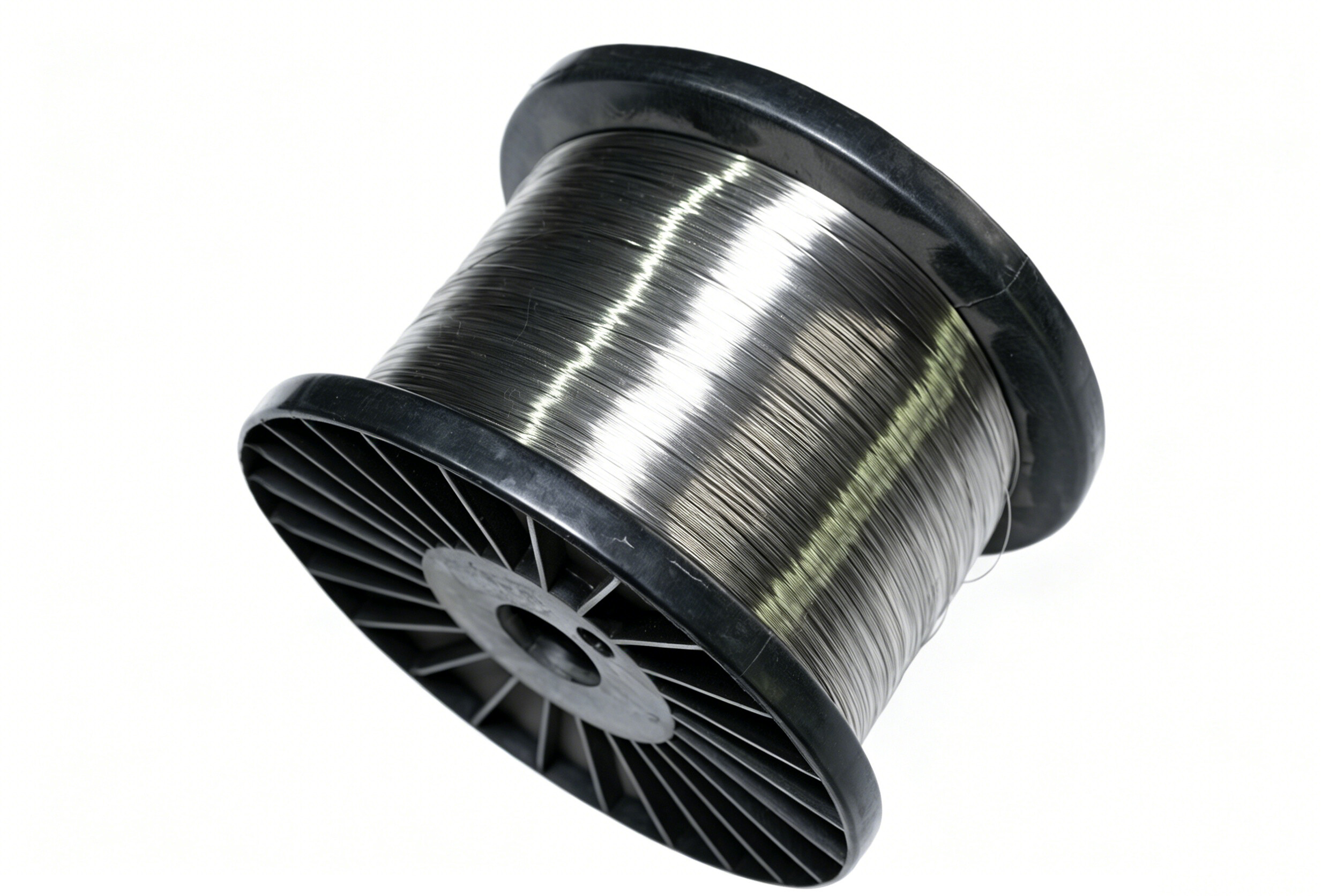
Thanks to their unique mechanical properties, exceptional corrosion resistance, and excellent high‑temperature strength, titanium materials have found widespread application across numerous fields, including aerospace, chemical engineering, medical technology, and marine engineering. As a critical titanium material, Gr2 titanium wire—characterized by its high strength and excellent processability—has emerged as a core material in a diverse range of industries. This article provides a detailed overview of the mechanical properties of Gr2 titanium wire, while also exploring relevant technical parameters, industry standards, common misconceptions regarding material selection, technical controversies, and current market conditions and price trends.
Mechanical Properties of Gr2 Titanium Wire
Technical Parameters
Gr2 titanium is classified as commercially pure titanium; its primary composition consists of over 99% titanium, supplemented by trace amounts of elements such as oxygen, nitrogen, and hydrogen. Consequently, its mechanical properties differ from those of traditional titanium‑based materials. The following are its typical mechanical parameters:
Tensile Strength: At room temperature, the tensile strength of Gr2 titanium wire ranges approximately from 350 to 450 MPa. Compared to aluminum alloys and stainless steels, this strength level offers a distinct advantage, making it highly suitable for applications requiring high structural strength combined with strict weight control.
Yield Strength: The yield strength typically falls within the 200 to 300 MPa range, a level sufficient to meet the requirements of most conventional application scenarios.
Elongation: Gr2 titanium exhibits high elongation, generally reaching between 15% and 20%. This excellent ductility ensures that the material retains superior plasticity during forming and processing operations, thereby effectively minimizing the risk of crack formation.
Hardness: The Brinell hardness (HB) is approximately 130 to 160.
Density: Gr2 titanium possesses a low density—typically 4.5 g/cm³—offering significant advantages in terms of reducing the overall weight of structural components.
Corrosion Resistance: Given that titanium is the primary constituent of Gr2 titanium, the material demonstrates exceptionally superior corrosion resistance, exhibiting particular stability and reliability when exposed to seawater and various chemical media.
Heat Treatment: The heat treatment temperature for Gr2 titanium wire is typically controlled within the range of 450°C to 500°C; processing within this temperature range can significantly enhance both the material’s strength and its plasticity.
Industry Standards
ASTM B348: This is the standard specification issued by the American Society for Testing and Materials (ASTM) governing titanium bars and wires. This standard specifies the chemical composition, mechanical properties, and testing methods for titanium wire. It places particular emphasis on the purity requirements and consistency of mechanical properties for titanium materials—factors that are critical for materials utilized in fields with extremely rigorous performance demands, such as aerospace.
GB/T 3621‑2007: This is a Chinese national standard that stipulates the technical requirements for titanium and titanium‑based wire, applicable to both production and quality inspection processes. Compared to ASTM B348, GB/T 3621‑2007 places greater emphasis on the production process requirements and specific inspection items for titanium materials; as such, it serves as a vital guiding framework for domestic titanium manufacturing.
Common Pitfalls in Material Selection
When selecting Gr2 titanium wire, several common misconceptions often arise, which may ultimately compromise the performance and functional efficacy of the final product:
Overemphasizing High Strength While Neglecting Plasticity: During the material selection process, many engineers tend to focus exclusively on tensile strength while overlooking the critical attributes of plasticity and ductility. Although Gr2 titanium possesses high strength, its plasticity is equally indispensable—particularly in applications requiring complex forming or welding operations. Therefore, material selection decisions should be made by comprehensively balancing both strength and ductility.
Disregarding Environmental Factors: Gr2 titanium exhibits varying performance characteristics depending on the specific operating environment. For instance, in marine environments, corrosion resistance becomes a paramount concern; conversely, in high‑temperature environments, the material’s strength and thermal stability emerge as the decisive factors. Material selection must involve a holistic assessment of the operating environment’s impact, avoiding decisions based solely on standard performance data.
Blindly Opting for Low‑Cost Materials: Low cost does not equate to high performance—especially in sectors where safety and durability are of paramount importance. Selecting materials based solely on the lowest price point often leads to quality deficiencies and may even introduce safety hazards or the risk of accidents. The selection of Gr2 titanium wire should prioritize long‑term stability and reliability rather than being driven solely by cost considerations.
Points of Technical Controversy
In the application of Gr2 titanium wire, ongoing debates persist regarding the optimization of processing techniques. While traditional processing methods—such as cold drawing and heat treatment—are widely employed, the question of whether these methods can be further refined to enhance processing efficiency without compromising the material’s mechanical properties remains a central topic of discussion within the industry. Some researchers argue that by refining heat treatment processes—particularly by focusing on grain refinement and the precise control of impurity element content—the mechanical and forming properties of Gr2 titanium wire can be significantly enhanced. Conversely, another perspective emphasizes that existing conventional processing methods are already sufficient to meet the requirements of most practical applications, rendering extensive process adjustments unnecessary.
Market Conditions and Price Trends
According to the latest data from the LME (London Metal Exchange) and Shanghai Nonferrous Metals (SMM), prices for titanium materials have exhibited a certain degree of fluctuation. On the global market, the cost of titanium raw materials is typically closely correlated with the prices of titanium ore, energy, and the dynamics of supply and demand.
Currently, the market price for Gr2 titanium wire hovers around 350–400 RMB/kg; the specific price is influenced by a multitude of factors, including production processes, material specifications, and market demand. Driven by the ever‑increasing demand for high‑performance materials across sectors such as aerospace and marine engineering, market demand for Gr2 titanium wire is projected to continue its upward trajectory in the future, with prices likely to follow a trend of steady appreciation.
Conclusion
By virtue of its exceptional mechanical properties and vast potential for application, Gr2 titanium wire has established itself as an indispensable core material across numerous industries. In practical applications, the key to ensuring that Gr2 titanium wire delivers its superior performance lies in selecting the appropriate material, strictly adhering to standard specifications, avoiding common pitfalls in material selection, and closely monitoring market dynamics.