
The Exceptional Applications of Titanium Alloys in the Petroleum Industry
- Titanium, Titanium Alloy
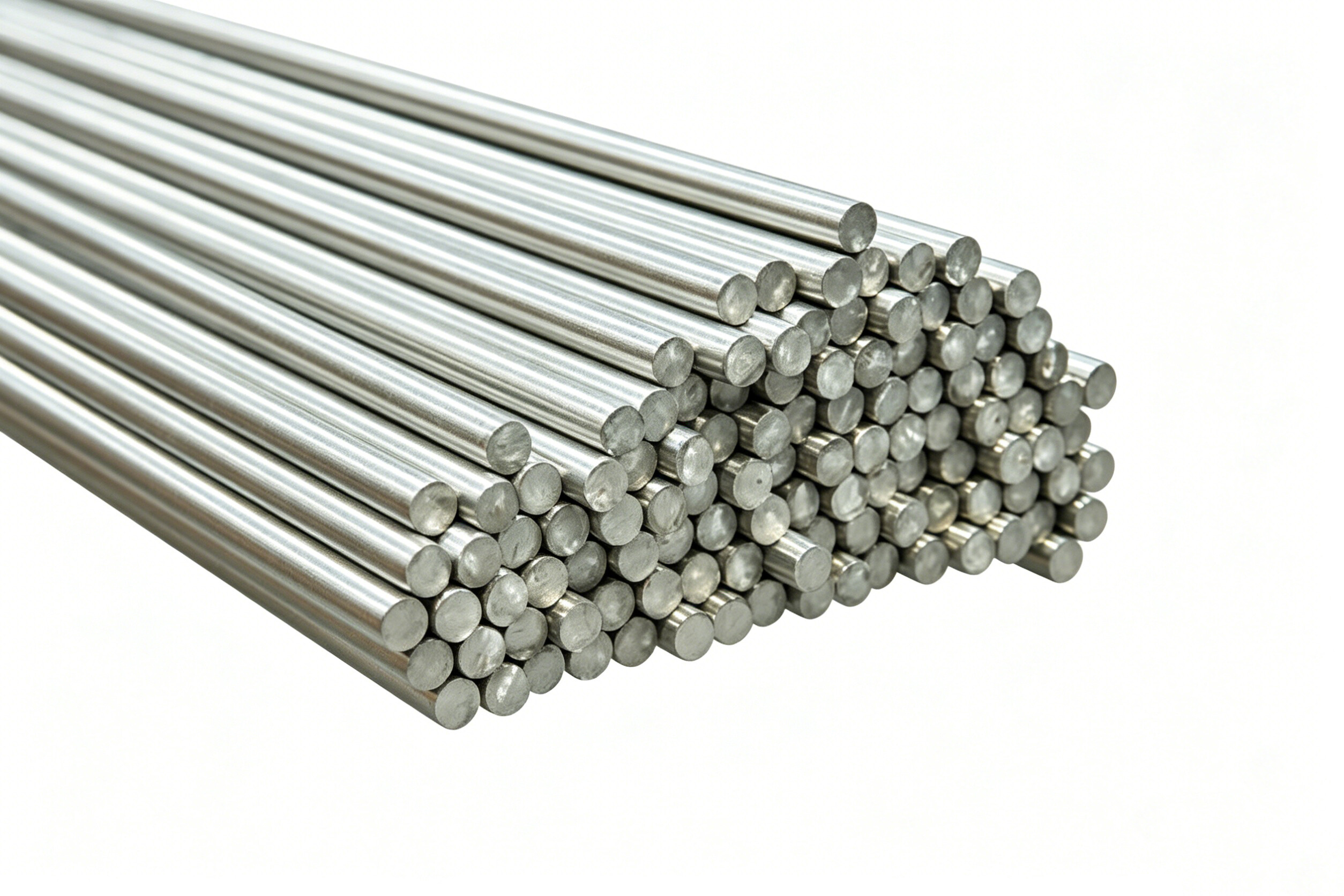
Driven by the wave of industrial modernization, novel metal materials have continuously emerged and found widespread application. Among these, titanium and titanium alloys—by virtue of their unique performance advantages—have secured a pivotal position within the petroleum industry, becoming indispensable structural metal materials for its ongoing development.
I. Types of Titanium and Titanium Alloys Commonly Used in the Petrochemical Industry
In the petrochemical sector, the most commonly utilized titanium and titanium alloys primarily consist of commercially pure titanium and low-alloyed titanium. In accordance with national standards, specific grades include TA0, TA1, TA2, as well as TA9 (Ti-Pd) and TA10 (Ti-Mo-Ni). Due to variations in their chemical composition and mechanical properties, these distinct types of titanium and titanium alloys each play a unique and specific role across the various operational scenarios within the petroleum industry.
II. Specific Applications of Titanium Alloys Across Various Stages of the Petroleum Industry
(I) Titanium Alloy Oil Casing and Tubing: A Premium Choice for High-Corrosion Gas Fields
A significant portion of my country’s natural gas reserves consists of sulfur-bearing gas fields. The oil and gas produced from such fields are highly corrosive, presenting formidable challenges to the development and exploitation of the petroleum and natural gas industry. Against this backdrop, the selection of high-quality, corrosion-resistant materials for the manufacture of tubular goods has emerged as a dominant trend within the industry. Thanks to their exceptional corrosion resistance, titanium alloys have become the ideal material for manufacturing oil casing and tubing. The use of titanium alloy casing and tubing effectively withstands the corrosive attack of media such as sulfur-bearing oil and gas; this extends the service life of the tubular goods, reduces the frequency of replacements, and thereby safeguards the stable extraction of oil and gas fields while simultaneously enhancing production efficiency.
(II) Titanium Alloy Pipelines: A High-Performance Asset for Offshore Transportation
1. Outstanding Resistance to Dynamic Stress Corrosion Fatigue: Titanium alloy pipes are characterized by their inherent flexibility (ease of bending) and their capacity to withstand extremely high levels of dynamic stress corrosion fatigue—stresses induced by the impact of ocean waves and the movement of offshore platforms. Compared to existing carbon steel, titanium alloy pipes exhibit a resistance to stress corrosion fatigue that is more than ten times greater. This characteristic enables titanium alloy pipes to maintain stable performance even under the complex environmental conditions found offshore, thereby reducing the risk of pipeline damage caused by stress corrosion fatigue.
2. Adaptability to Bending and Deformation: During the process of laying subsea pipelines, the lines are subjected to various forms of bending and deformation. Thanks to their excellent flexibility and adaptability, titanium alloy pipes can easily withstand these conditions, ensuring the smooth progress of the laying operation and preventing delays or compromised quality resulting from pipeline deformation issues.
3. Superior Welding Performance: Titanium alloy pipelines utilize an advanced “single-sided welding, double-sided forming” technique, which guarantees the uniformity and reliability of the weld seams. This superior weldability allows for the creation of high-quality joints during the connection process, minimizing the occurrence of welding defects and thereby enhancing the overall leak-tightness and stability of the entire pipeline system.
4. Outstanding Mechanical Properties: Titanium alloy pipelines possess exceptional mechanical properties, enabling them to withstand significant pressures and loads while ensuring the safety and stability of oil and gas transport. Their high strength and excellent toughness ensure that the pipelines remain resistant to cracking and damage when subjected to various complex external forces.
(III) Terephthalic Acid (PTA) Equipment: Solving the Challenge of High-Temperature Corrosion
Terephthalic acid (PTA) is a crucial raw material for the synthesis of polyester fibers. It is primarily produced via the xylene oxidation method, a process broadly categorized into two variants: low-temperature oxidation and high-temperature oxidation. Both processes utilize acetic acid as a solvent, along with cobalt acetate or manganese acetate as catalysts, and bromides as co-catalysts. When operating temperatures exceed 135°C, stainless steel equipment is prone to severe pitting corrosion, which compromises the equipment’s normal operation and significantly reduces its service life. Shanghai Petrochemical General Plant introduced Japanese-manufactured equipment for its low-temperature oxidation production line; specifically, the high-temperature scrubbing vessel, the high-temperature scrubbing vessel condenser, and the high-temperature heater were all constructed using titanium. Operational experience has demonstrated that these titanium components have achieved excellent performance results, effectively resolving the corrosion issues typically associated with stainless steel equipment in high-temperature environments, thereby ensuring the stable operation of the terephthalic acid production line.
(IV) Adipic Acid Production Equipment: The Preferred Solution for Corrosion Protection of Critical Components
Adipic acid is a primary chemical feedstock for the production of Nylon-66 salt. During the adipic acid manufacturing process, equipment is primarily exposed to corrosive media such as nitric acid, phosphoric acid, and adipic acid. When equipment constructed from low-carbon stainless steel materials is exposed to these corrosive media, it suffers from severe corrosion. In particular, several critical components within the adipic acid facility experienced frequent breakdowns requiring maintenance due to corrosion issues, which severely impacted adipic acid production yields.
To resolve this challenge, two critical components—the bottom reboiler of the nitric acid distillation column and the secondary nitric acid evaporator—were retrofitted using industrially pure titanium and titanium-clad steel plates. Following this modification, the equipment has operated smoothly with no visible signs of corrosion on the material surfaces; indeed, the machining marks on the tube sheets remain clearly visible. This retrofit fundamentally resolved the equipment’s corrosion issues, thereby enhancing both the production efficiency and product quality of adipic acid.
III. The Significant Role of Titanium Alloys in the Petroleum Industry
As an ideal metallic structural material for corrosion resistance in petrochemical equipment, titanium and its alloys play an indispensable role in resolving equipment corrosion issues and mitigating the severity of corrosion. Not only do they ensure the long-term, safe, and stable operation of equipment—thereby reducing production interruptions caused by mechanical failures and boosting production efficiency—but they also lower the costs associated with equipment maintenance and replacement, resulting in overall production cost savings. Furthermore, the application of titanium alloys contributes to reducing environmental pollution resulting from equipment corrosion, thereby ensuring compliance with environmental protection regulations. Therefore, titanium and titanium alloys serve as indispensable corrosion-resistant materials within the petroleum industry, playing a pivotal role in its development.
IV. Conclusion
By virtue of their exceptional corrosion resistance, favorable mechanical properties, and excellent weldability, titanium alloys have found widespread and successful application across every segment of the petroleum industry. From oil casing and pipelines to equipment for the production of terephthalic acid and adipic acid, titanium alloys have consistently demonstrated superior performance and distinct advantages. As the petroleum industry continues to evolve, the demands for equipment corrosion resistance and reliability will become increasingly stringent, thereby broadening the prospects for the application of titanium alloys. Moving forward, efforts to research and develop titanium alloys should be further intensified, and their performance continuously optimized, in order to meet the growing needs of the petroleum industry and drive its advancement to a higher level.