
Titanium Alloy Plates The Lightweight and Corrosion-Resistant Revolution for Critical Components in the Power Industry
- Titanium Alloy
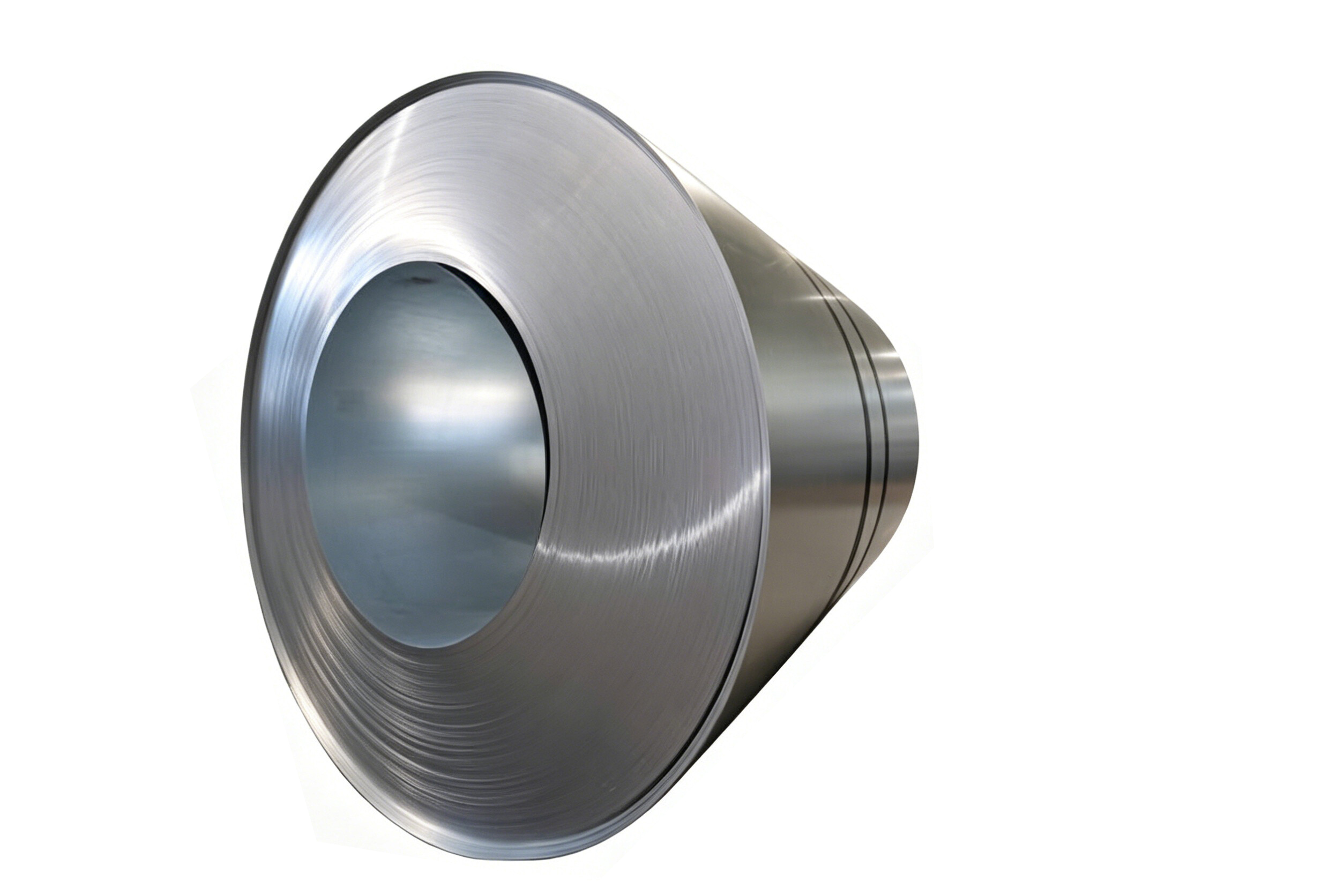
In recent years, with the increasing demands of the power industry for equipment efficiency, reliability, and service life, titanium alloy plates, due to their high specific strength, excellent corrosion resistance, and superior fatigue performance, have gradually replaced traditional materials in key components such as steam turbine blades and generator retaining rings. Therefore, titanium alloy plates have become a key force driving technological upgrades in the industry. This article will analyze how titanium alloy plates effectively solve the “material bottleneck” faced by power generation equipment through specific application scenarios.
I. Low-Pressure Steam Turbine Blades: 40% Weight Reduction, Significantly Improved Corrosion Resistance
Traditional Pain Points:
The final stage of low-pressure steam turbine blades is constantly exposed to high temperature, high humidity, and corrosive media (such as chlorides and sulfides generated from condenser leaks). Traditional martensitic chromium stainless steel blades (such as Cr13 steel) have a high specific gravity (approximately 7.85 g/cm³), thus they must withstand enormous centrifugal forces during high-speed rotation, often leading to fatigue fracture at the blade root. Furthermore, their resistance to pitting and crevice corrosion is insufficient; the corroded area often becomes a crack initiation point, significantly shortening the blade’s service life.
Titanium Alloy Solutions:
1. Weight Reduction for Stress Reduction: Titanium alloys (e.g., Ti-6Al-4V) have a density of only 4.51 g/cm³. For blades with the same geometry, this can result in a 40% weight reduction, significantly reducing centrifugal forces acting at the blade root and increasing fatigue life by more than three times.
2. Breakthrough in Corrosion Resistance: A dense oxide film forms on the surface of titanium alloys, making them 5 to 8 times more resistant to corrosive vapors (especially salty vapors) than Cr13 steel. This effectively eliminates the risk of pitting and crevice corrosion.
3. Stable Fatigue Performance: In air, the fatigue strength of Ti-6Al-4V alloy is 30% higher than that of Cr13 steel. Furthermore, when exposed to sodium chloride solution, the fatigue strength of Cr13 steel decreases by 60% to 80%, while the performance of titanium alloys is almost unaffected.
Confirmed Results:
In a thermal power plant renovation project, replacing the last two stages of the low-pressure blades with titanium alloy blades extended the blade lifespan from 3 years to 8 years, reduced maintenance costs by 65%, and improved overall unit efficiency by 1.2%.
II. Generator Retaining Rings: Non-magnetic, High-strength, and Resistant to Stress Corrosion
Limitations of Traditional Materials
Generator retaining rings must withstand the enormous centrifugal force generated by the high-speed rotation of the rotor, while also resisting stress corrosion cracking (SCC) in aqueous environments. Although the currently mainstream material—austenitic Fe-Mn-Cr alloy—possesses a certain strength, it has two main drawbacks:
1. Susceptibility to Stress Corrosion: Stress corrosion cracking easily occurs in environments containing chloride ions, which can lead to sudden catastrophic fracture of the retaining ring.
2. Magnetic Interference: The inherent residual magnetism in the alloy can interfere with the electromagnetic performance of the generator, thus requiring additional demagnetization treatment.
Advantages of Titanium Alloy as an Alternative:
1. Zero Magnetism: Titanium alloys are non-ferromagnetic materials, therefore they will not interfere with the generator’s magnetic field.
2. Ultra-high strength and toughness: For example, the tensile strength of Ti-6Al-4V alloy exceeds 1000 MPa, and its fracture toughness (KIC) ≥60 MPa·m¹/², values far exceeding those of Fe-Mn-Cr alloy.
3. Resistance to stress corrosion: In a 3.5% NaCl solution, the critical stress (σth) for stress corrosion of titanium alloy retaining rings is 2.5 times that of Fe-Mn-Cr alloy, thus ensuring long-term operational safety.
Application Case Study:
In a generator retaining ring upgrade project at a hydropower station, after adopting titanium alloy retaining rings, no cracks appeared during five consecutive years of operation. In contrast, the original iron-manganese-chromium alloy retaining rings needed to be replaced on average every two years. Therefore, the overall lifecycle cost was reduced by 70%.
III. Techno-economic Feasibility: From “High-End Substitution” to “Wide Industry Adoption”
Although the unit price of titanium alloys is higher than that of stainless steel, their advantages in terms of overall life-cycle cost are significant:
Longer Service Life: The service life of titanium alloy components is typically 3 to 5 times that of steel components, thus reducing the costs associated with frequent replacements.
Improved Efficiency: Lightweight construction reduces energy consumption; for example, reducing the weight of steam turbine blades can improve the overall efficiency of the generator set by 0.8% to 1.5%.
Simplified Maintenance: Its superior corrosion resistance minimizes downtime due to inspections and maintenance, thereby increasing annual operating time by 200 to 300 hours. According to statistics from the China Power Equipment and Materials Association, using titanium alloys can save a large generator set (1000 MW class) more than 20 million RMB in operating costs over a 10-year cycle, with a return on investment as high as 180%.
IV. Future Outlook: The Accelerated Development of Titanium Alloy “Electrification”
With the decreasing cost of titanium materials (domestic titanium plate prices have fallen by 35% in the past five years) and the maturation of processing technologies (such as precision rolling and 3D printing), the application of titanium alloys in the power industry is expanding from high-end units to conventional generator sets. It is projected that by 2030, the domestic market share of titanium turbine blades will exceed 40%, while the application rate of titanium alloys in generator retaining rings will reach 60%. This trend will drive a comprehensive upgrade of power generation equipment towards the goals of “high efficiency, low carbon emissions, and long service life.”
The successful application of titanium alloy plates in the power industry perfectly integrates materials science and engineering practice. From solving the “corrosion fatigue” problem of turbine blades to overcoming the “stress corrosion” bottleneck of generator retaining rings, titanium alloys, with their three major advantages of being lightweight, corrosion-resistant, and high-performance, are reshaping the core competitiveness of power generation equipment. In this process, they provide crucial material support for the global energy transition.