
Titanium Alloys: Whence Come These Perplexing “Counter-Intuitive” Properties?
- Gr1 Titanium Foil
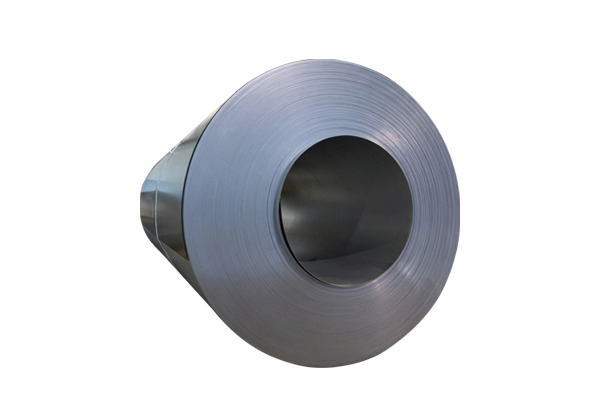
In the realm of metals, titanium alloys stand out like a dazzling, exotic celestial body, constantly upending conventional wisdom regarding metals with their myriad mind-boggling characteristics. From corrosion resistance to high strength, from biocompatibility to iridescent color-shifting—and extending to their adaptability to extreme environments, increasing affordability, and unique performance in space—titanium alloys seem to be staging a spectacular, ongoing drama of “counter-intuitive” phenomena.
1. The “Invisible” Metal: Titanium’s Incredible Corrosion Resistance
In common perception, metals are highly susceptible to rust and corrosion in humid environments—as if this were their inherent “destiny.” However, titanium alloys defy this convention. Titanium remains virtually unaffected by corrosion in seawater or acidic environments; even after being buried underground for decades, it retains its original luster, appearing as good as new—almost as if it “refuses to participate in nature’s chemical reactions.” This stability in humid environments (such as oceans and swimming pools)—which far surpasses that of stainless steel—has even made titanium alloys the ideal material for containers used to store nuclear waste. Its corrosion resistance is so extraordinary that it borders on the “counter-intuitive,” truly a marvel to behold.
The key to titanium alloys’ exceptional corrosion resistance lies in their unique protective mechanism: a self-forming oxide film. When exposed to air, the surface of a titanium alloy rapidly develops an extremely thin yet dense layer of oxide. This oxide film acts like a sturdy suit of “armor,” effectively isolating the titanium alloy from external corrosive agents. Furthermore, this oxide film possesses self-healing capabilities; should it be damaged, the titanium alloy immediately reacts with the surrounding oxygen to regenerate the film, thereby restoring its protective function and ensuring the alloy remains unscathed in a wide variety of harsh environments.
2.Strength That Defies Belief
Titanium alloys possess a density of only 60% that of steel, yet their strength is comparable to it. This perfect fusion of lightweight properties and high strength often creates an illusion for those handling titanium objects—such as bicycle frames or eyeglass frames—prompting them to wonder, “Is this really metal?” In the early days, many users even mistook titanium knives or golf clubs for items made of “plastic or composite materials,” only to be astonished—after subjecting them to strength tests—by the realization that titanium alloys truly embody the coexistence of extreme lightness and remarkable durability.
3.The “Biocompatible” Metal: Titanium Coexisting with the Human Body
Within the complex and sensitive environment of the human body, most metals struggle to establish a lasting presence, often triggering rejection reactions. Titanium, however, stands as one of the few metals that the human body can accept over the long term. When titanium is implanted into the human body—such as in artificial joints or dental roots—it not only avoids triggering rejection reactions but can even achieve “osseointegration” with the bone, truly becoming an integral part of the body. Patients are often astonished that “a metal can integrate so harmoniously with the body”—a notion that stands in stark contrast to traditional beliefs that metal implants might cause inflammation or toxicity.
4.A Play of Colors: The Dazzling Effects of Anodized Titanium
Through the magical process of electrolytic oxidation (anodizing), the surface of titanium can be made to display a spectrum of colors as brilliant as a rainbow—including pink, blue, green, and more. Moreover, these colors are not produced by dyes, but solely through the phenomenon of light interference. This unique color-shifting property is widely utilized in fields such as jewelry and mobile phone casings. Initially, people found it difficult to grasp “how a metal could change color like a soap bubble,” sometimes even mistakenly assuming the effect was due to a surface coating.
5.”Zen-like” Resilience in Extreme Environments
In extreme environments—such as under high temperatures (above 600°C) or ultra-low temperatures (down to -250°C)—the performance of most metals is severely compromised; they may become brittle or even melt. Titanium alloys, however, maintain their stable performance, behaving like a truly “calm and composed metal.” For instance, when spacecraft utilizing titanium alloy components return to Earth, the components’ interiors remain completely intact even after their surfaces have undergone severe ablation—a testament to titanium alloys’ exceptional adaptability in extreme conditions.
6.The Paradox of an Expensive Material Becoming “Everyday”
In the past, due to its high refining costs (necessitating the Kroll process), titanium was regarded as a “space metal,” utilized primarily in high-end sectors such as aerospace. However, in recent years—thanks to continuous technological advancements and the widespread adoption of techniques like 3D printing and recycling—titanium has gradually made its way into the consumer goods market, appearing in items such as cookware and watches. This vast functional spectrum—where the same material can be used in both rocket engines and everyday cooking pots—defies conventional classifications of material usage, often leaving users feeling quite perplexed.
7.The Space-Age Conundrum of “Cold Welding”
In the vacuum of space, when two pieces of pure titanium come into contact, they may spontaneously bond together—a phenomenon known as “cold welding.” Here on Earth, however, instances of cold welding are relatively rare, as the process is typically inhibited by the protective oxide layer present on the metal’s surface. However, in the vacuum of space, such an unforeseen occurrence can lead to grave consequences. Titanium components in early satellites once failed due to accidental “cold welding,” compelling engineers to redesign the interfaces to prevent similar issues from recurring.
8.The Misconception Regarding Titanium’s “Memory”
Titanium-nickel alloys (Nitinol) exhibit a shape memory effect—a characteristic that has led to their widespread application across numerous fields. However, many people mistakenly assume that pure titanium possesses this same property, leading to unrealistic expectations that “titanium products will automatically revert to their original shape.” Consequently, retailers often find it necessary to clarify to consumers that “pure titanium eyeglass frames will not automatically bend back into their original form,” thereby avoiding unnecessary misunderstandings.
With its array of astonishing properties, titanium alloy continually pushes the boundaries of our understanding of metals. It acts like a mysterious “magician,” displaying its unique allure across various domains and bringing us countless surprises and possibilities. As technology continues to advance, we can be confident that titanium alloy will shine even brighter in an ever-expanding range of fields, forging an even more brilliant future.