
How Does ZrR60705 Zirconium Rod Perform in Corrosion-Resistant Urea Production Environments?
- ZrR60705 Zirconium Rod
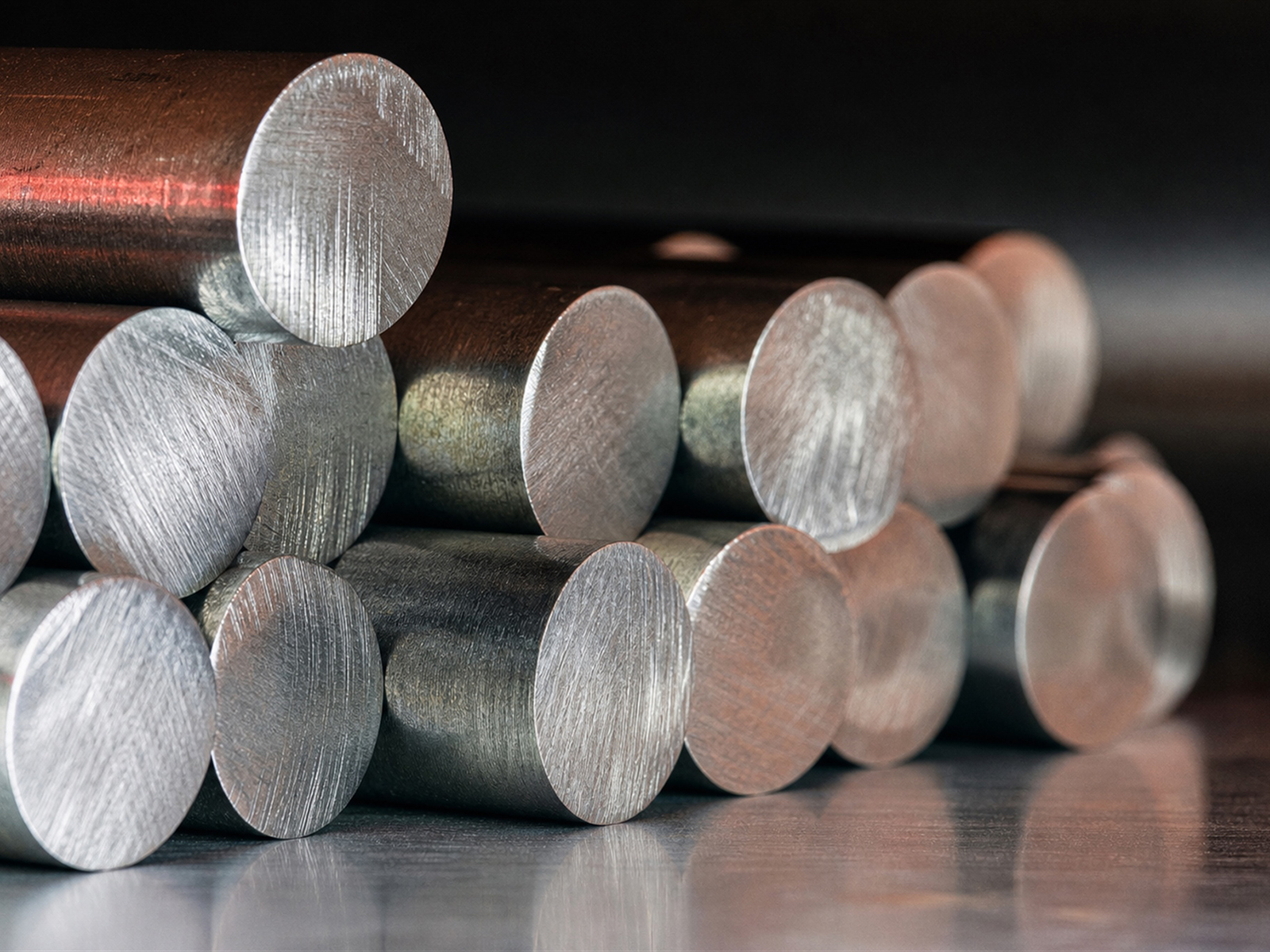
ZrR60705 Zirconium Rod, a high-purity zirconium alloy with controlled additions of chromium and other elements, exhibits exceptional corrosion resistance in urea production environments where conventional stainless steels fail prematurely. Urea synthesis operates under extreme conditions—high temperatures (180–190°C), elevated pressures (140–160 bar), and highly corrosive ammonium carbamate intermediate solutions—creating one of the most aggressive chemical processing environments in the fertilizer industry. ZrR60705 zirconium rod provides a reliable, long-lasting material solution for heat exchangers, reactors, and piping systems in modern urea plants.
1. Corrosion Mechanisms in Urea Production Environments
(1) Ammonium Carbamate Attack on Conventional Materials
Urea is synthesized from ammonia and carbon dioxide via the intermediate formation of ammonium carbamate (NH₂COONH₄), a highly corrosive species that attacks passive films on stainless steels. At temperatures above 180°C and pressures exceeding 140 bar, the carbamate solution becomes increasingly aggressive, dissolving protective chromium oxide layers on stainless steel 316L and causing rapid localized corrosion. This drives the industry toward more corrosion-resistant alloys for critical process equipment.
(2) Nitrogen Oxide Accelerated Corrosion
Trace amounts of nitrogen oxides (NOx) introduced as oxidation promoters to maintain passive film integrity on stainless steel equipment paradoxically increase corrosion rates when present in excess. NOx generates nitric and nitrous acids in the carbamate solution, creating mixed oxidizing-reducing conditions that destabilize passive films. ZrR60705 zirconium rod maintains stable passivity across a wide range of oxidizing and reducing conditions, making it inherently resistant to NOx-induced corrosion acceleration.
2. ZrR60705 Zirconium Rod Properties for Urea Service
(1) Composition and Microstructure
ZrR60705 zirconium rod contains zirconium as the base element with controlled chromium (Cr 0.5–1.0%), iron (Fe ≤0.15%), and oxygen (O ≤0.15%) contents. The microstructure consists of a predominantly alpha phase with fine, uniformly distributed secondary phases that enhance mechanical strength without compromising corrosion resistance. Hot working and annealing processes produce a grain size of ASTM 6–8, providing optimal balance of strength and toughness for pressure vessel and heat exchanger applications.
(2) Corrosion Rate Performance
In simulated urea plant conditions (185°C, 150 bar, NH₂COOH solution with 200 ppm NOx), ZrR60705 zirconium rod exhibits corrosion rates below 0.001 mm/year—essentially negligible over equipment design life. This contrasts sharply with stainless steel 316L, which shows corrosion rates of 0.5–2.0 mm/year under identical conditions, requiring frequent replacement and plant shutdowns for maintenance.
(3) Mechanical Properties at Elevated Temperatures
ZrR60705 zirconium rod retains tensile strength of ≥550 MPa at 200°C, with yield strength exceeding 350 MPa. Elongation remains above 20% after prolonged exposure to urea plant temperatures, ensuring adequate ductility for fabrication and resistance to thermal shock during plant start-up and shutdown cycles.
3. Equipment Applications in Ura Plants
(1) Carbamate Condensers and Coolers
Carbamate condensation is the most corrosion-intensive process step, with temperatures reaching 200°C and concentrated ammonium carbamate solutions. ZrR60705 zirconium rod tubing in shell-and-tube condensers provides 15+ years of uninterrupted service, compared to 2–3 years for titanium tube alternatives and less than 1 year for super-austenitic stainless steels. The material’s resistance to stress corrosion cracking eliminates tube failure risks that cause costly plant downtime.
(2) Urea Synthesis Reactor Linings
Reactor vessel linings fabricated from ZrR60705 zirconium plate and rod provide complete corrosion protection for the carbon steel pressure shell. Welded zirconium liners with butt joints ground and inspected to radiographic standards ensure continuous corrosion barrier integrity. Zirconium liners eliminate the risk of iron contamination in the urea product, maintaining biological nitrogen (BI) values below 20 mg/100 mL as required for premium-grade fertilizer.
(3) Piping Systems and Valves
Process piping carrying carbamate solutions, liquid CO₂, and ammonia utilizes ZrR60705 zirconium rod for pipe fittings, flange studs, and valve stems. The material’s high strength allows reduced wall thickness compared to stainless steel, lowering overall piping system weight. Zirconium valve components demonstrate zero corrosion wear after 10 years of cyclic operation in throttling service.
4. Economic Analysis and Lifecycle Cost
(1) Initial Investment vs. Long-Term Savings
While ZrR60705 zirconium rod costs approximately 3–5 times more than stainless steel 316L on a per-kg basis, the extended service life reduces total lifecycle cost by 60–70%. A typical urea plant saving 2 shutdowns per year for equipment replacement realizes annual savings of \,000–\,000,000 in avoided production losses and maintenance labor costs, paying back the material premium within the first operational year.
(2) Product Quality Benefits
Zirconium-lined equipment eliminates iron and nickel contamination of urea product, producing polymerization-grade urea with oligomer content below 0.5%. This premium product commands market prices 5–10% above standard fertilizer-grade urea, generating additional revenue streams that further improve the economic case for zirconium material investment.
Conclusion
ZrR60705 zirconium rod stands as the definitive material solution for the most corrosive equipment in urea production plants. Its unparalleled resistance to ammonium carbamate and NOx-induced corrosion, combined with excellent mechanical properties at elevated temperatures, delivers decades of reliable service that far outweighs the higher initial material investment. As urea plants grow larger and operational margins tighten, zirconium material selection becomes increasingly essential for maximizing plant availability, product quality, and profitability.
FAQ
Q1: How does ZrR60705 compare to titanium in urea plant applications?
ZrR60705 zirconium exhibits 10–20 times lower corrosion rates than titanium in carbamate solutions at temperatures above 180°C. While titanium performs adequately in lower-temperature zones, zirconium provides superior reliability in the most aggressive condenser and reactor sections where corrosion rates are highest.
Q2: Is welding ZrR60705 zirconium rod technically challenging?
Zirconium welding requires inert gas shielding (argon or helium) with oxygen content below 50 ppm to prevent alpha-case formation. Skilled welders using automated TIG or electron beam welding produce joints with corrosion resistance equal to the base material. Pre-qualified welding procedure specifications per ASME Section IX ensure consistent joint quality.
Q3: What is the typical service life of ZrR60705 in a urea plant?
With proper fabrication and welding procedures, ZrR60705 zirconium components routinely achieve service lives of 15–20 years in urea plants without corrosion-related replacement. Many first-generation zirconium-lined urea plants installed in the 1980s continue in operation with only minor maintenance, demonstrating the material’s exceptional long-term stability.
Contact Titanium Valley
Baoji Titanium Valley Titanium Nickel Zirconium Material Processing Co., Ltd. supplies ZrR60705 zirconium rod and plate for urea plant construction, providing EN 10204 3.1 certification, full material traceability, and technical support for welding and fabrication. Contact us for material data sheets and quotations:
References
Brandi, G., et al. Corrosion of Materials in Urea Plants [J]. Corrosion Engineering, 2019, 68(4): 234–248.
Smith, R., Jones, P. Zirconium Applications in Chemical Processing Equipment [M]. Elsevier, 2020.
Wang, L., Chen, H. Corrosion Behavior of Zirconium Alloys in Ammonium Carbamate Solutions [J]. Materials Performance, 2021, 60(6): 45–52.
ASME International. ASME Section II: Materials Specification for Zirconium for Pressure Vessels [S]. 2021.