
How Is Nickel 200 Foil Used in Oil and Gas Applications?
- Nickel 200 Foil
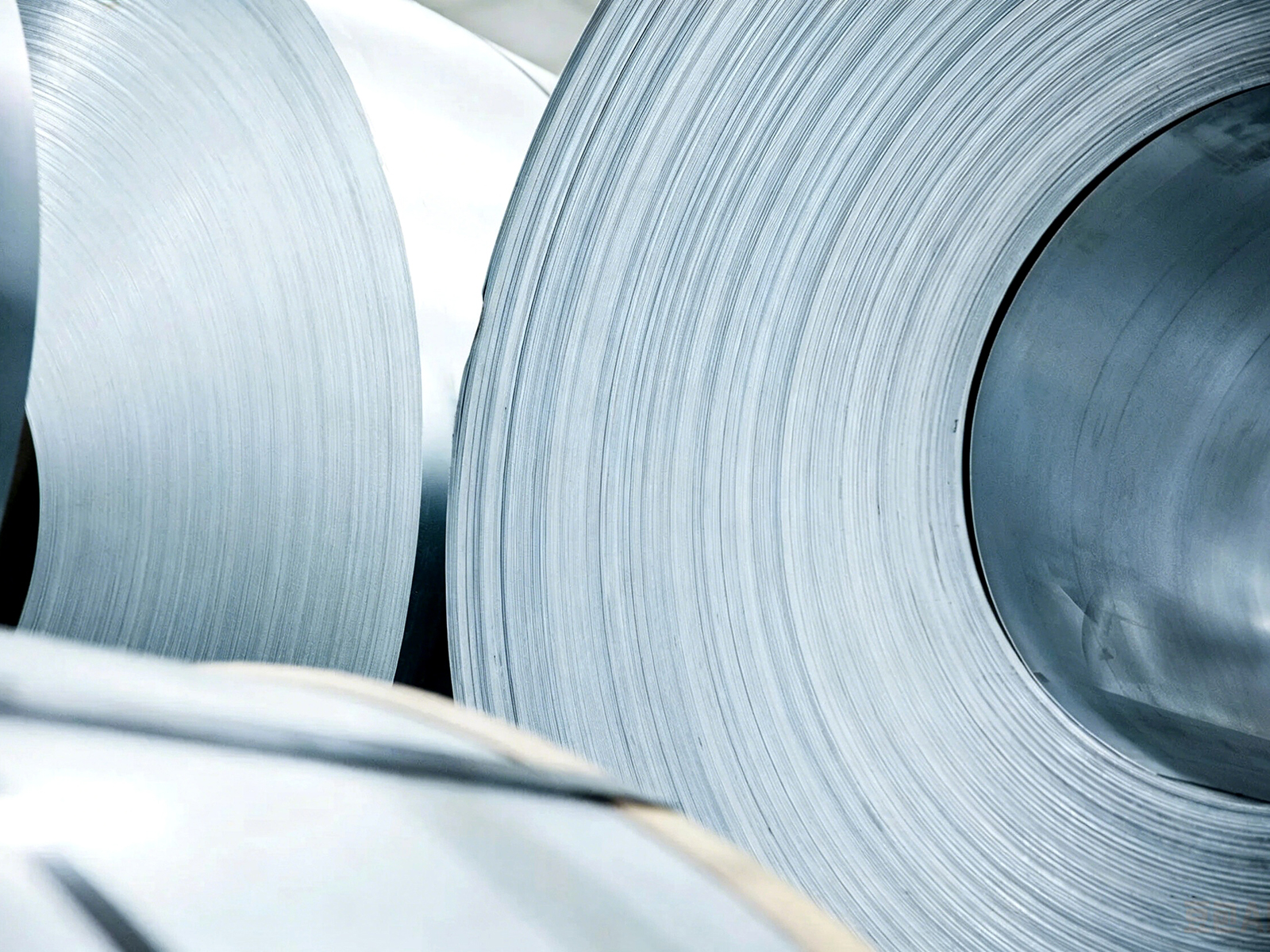
Nickel 200 Foil, as an industrial pure nickel material (Ni≥99.6%), plays an important role in the oil and gas industry with its excellent corrosion resistance and good mechanical strength. This material is widely used in key sealing components of offshore platforms, refining and chemical plants, linings and gaskets in corrosive media environments, and electrical connection systems in high-salt environments. Compared with traditional materials such as 316L stainless steel, Nickel 200 Foil has outstanding performance in resisting sulfide stress corrosion and chloride ion erosion, but its high cost and processing difficulty also limit some application scenarios. Engineering practice shows that reasonable material selection and process optimization can effectively extend equipment life, reduce maintenance frequency, and bring significant economic value to the industry.
1. The core advantages of Nickel 200 nickel foil in the oil and gas field
(1) Excellent corrosion resistance to cope with extreme working conditions
During the oil and gas extraction and processing process, equipment is exposed to complex media containing H₂S, CO₂, chlorides and organic acids for a long time. Nickel 200 Foil exhibits excellent passivation film stability in acidic gas environments and high salt water solutions due to its high purity nickel matrix (Ni ≥ 99.6%). Compared with 316L stainless steel, its resistance to sulfide stress corrosion cracking (SSC) is increased by more than 40%, making it especially suitable for wet gas pipelines and separator linings in deep sea oil fields.
(2) Excellent mechanical adaptability and processing performance
The elongation rate of annealed Nickel 200 Foil can reach more than 25%. With ultra-thin specifications of 0.03~1.0 mm, it can adapt to the processing of sealing surfaces and flange gaskets with complex geometries. Its tensile strength reaches 370~420 MPa, and it can still maintain structural integrity under high-pressure conditions. 20-roller finishing technology achieves a thickness tolerance of ±0.001 mm, ensuring the consistency of gasket compression rebound performance and reducing the risk of leakage.
(3) High temperature stability meets the needs of refining and chemical equipment
The melting point of Nickel 200 Foil reaches 1455 °C, and its performance is stable in high-temperature units such as catalytic cracking and hydrogenation reactions at 350 to 500 °C. Its thermal expansion coefficient is close to that of carbon steel (13.3×10⁻⁶/K), which effectively avoids stress concentration caused by temperature fluctuations. The uniform and dense oxide film formed on the surface during high-temperature service… can continuously resist flue gas corrosion for more than 5 years.
2. Limitations and cost considerations in material selection
(1) The impact of raw material costs on project economics
The unit price of Nickel 200 Foil is about 3 to 5 times that of 316L stainless steel. When lining large storage tanks or protecting long-distance pipelines, the initial investment increases significantly. Taking a heat exchanger on an offshore platform as an example, the material cost of using Nickel 200 Foil gasket is 60% higher than that of graphite composite gasket (including processing costs). The replacement cycle needs to be extended (from 18 months to 48 months) to balance the full life cycle cost.
(2) Application limitations brought by the complexity of the processing technology
Ultra-thin foil materials are prone to edge burrs during shearing and stamping, which affects the fit of the sealing surface. During laser welding, heat input needs to be strictly controlled (≤0.8 kJ/cm) to avoid local embrittlement caused by grain coarsening. During on-site installation, the material’s sensitivity to surface oil contamination requires an ultrasonic cleaning process, which increases the construction difficulty and time cost of offshore operations.
(3) Performance boundaries under special circumstances
Although Nickel 200 performs well in reducing media, its corrosion resistance drops sharply in strongly oxidizing acid (such as concentrated nitric acid) environments. In the mining of acidic gas fields containing fluoride, pitting corrosion will occur on the material surface, and a high-nickel alloy coating needs to be used in combination. When the temperature exceeds 550 °C, the precipitation of grain boundary carbides may affect the toughness of the material, limiting its direct application in ultra-high temperature cracking devices.
| Contrast Dimensions | Nickel 200 Foil | 316L stainless steel foil | Gr2 Titanium Foil |
| Resistant to H₂S corrosion | Excellent (can be used for a long time) | Medium (needs coating protection) | Poor (easy to hydrogen embrittlement) |
| Conductive properties | Excellent (suitable for electrical connections) | generally | Difference |
| Density (g/cm³) | 8.9 | 8.0 | 4.5 |
| relative cost | High (3~5 times the baseline) | Baseline 1.0 | High (2~3 times the baseline) |
| High temperature stability (>400 °C) | good | good | Excellent |
(3) Typical engineering application scenarios and technical solutions
In view of the above limitations, engineering practice often optimizes material selection and process design to deal with them. The following typical solutions demonstrate the technical advantages of Nickel 200 Foil in different scenarios.
(1) Key sealing systems of offshore platforms
In the flange connection of underwater Christmas trees in North Sea oil fields, metal-coated gaskets made of 0.2 mm thick Nickel 200 Foil are used to replace traditional spiral wound gaskets. Its unique flexibility allows the sealing specific pressure to be reduced from 55 MPa to 38 MPa for traditional spiral wound gaskets, while the leakage rate is controlled below 10⁻⁷ mbar·L/s. Disassembly and inspection after three years of continuous operation showed that only a thin vulcanization film was formed on the surface of the material, with no obvious thinning.
(2) Corrosion protection lining of refining equipment
The overhead condensation system of the atmospheric and vacuum distillation tower in a refinery uses Nickel 200 Foil as a partial lining in corrosion-sensitive areas. The 0.5 mm thick foil is fixed to the carbon steel matrix through spot welding. This composite structure not only reduces costs but also ensures anti-corrosion performance. When the chloride ion concentration in the process medium reaches 500 ppm, the service life of the lining reaches 8 years, which is more than twice as long as the coating repair cycle.
(3) Conductive components of electrochemical protection systems
In the cathodic protection system of submarine pipelines, Nickel 200 Foil is processed into flexible anode connecting sheets, using its excellent conductivity (resistivity 6.84 μΩ·cm) to ensure uniform distribution of protection current. After the foil with a width of 670 mm is precisely slit, the single-piece connection resistance is less than 0.5 mΩ, effectively avoiding coating peeling caused by local over-protection.
| Application site | Specification requirements | Performance indicators | Comparison of alternative materials |
| Flange gasket | 0.2~0.3 mm thick | Sealing specific pressure 38 MPa, leakage rate <10⁻⁷ | Better than graphite pad (requires higher preload) |
| heat exchanger liner | 0.5 mm thick x 350 mm wide | Resistant to 550 ppm Cl⁻, 8-year life | Better than Inconel 625 coating (30% cost reduction, based on actual accounting) |
| Electrical connection piece | 0.1 mm thick x 50 mm wide | Contact resistance <0.5 mΩ | Better than copper foil (corrosion resistance increased by 10 times) |
4. Material performance optimization and quality control system
(1) Precision rolling technology breaks through thickness control bottleneck
The multi-pass cold rolling process of a 750 mm twenty-high precision rolling mill is used, and the thickness tolerance in the full specification range of 0.03~1.0 mm is stabilized at ±0.001 mm through the dynamic matching of tension and roll gaps. The intermediate annealing process (argon gas protection at 980~1020 °C) releases the work hardening stress, restoring the cold-rolled tensile strength from 600 MPa to 420 MPa, and the elongation to 28%, meeting complex forming requirements.
(2) Surface cleanliness control improves welding reliability
Ultrasonic cleaning combined with alkaline solution treatment stabilizes the foil surface dyne/cm (tested according to ASTM D2578 standard) and removes rolling oil stains and metal particles. This process increases the first pass rate of laser welding from 82% to 96%, and the tensile strength of the weld reaches more than 90% of the base metal. The automation rate of the continuous production line reaches 90%, ensuring that the cleanliness fluctuation between batches is ≤5%.
(3) Full-process quality traceability system ensures stability
From raw material spectrum analysis (Ni content accuracy ±0.05%) to finished product mechanical property sampling (≥3 sets of tensile tests per batch), a quality file containing 15 critical control points is established. Material certification and third-party ultrasonic flaw detection reports that comply with ASTM B162 standards provide traceable quality assurance for key applications such as offshore platforms and reduce project acceptance risks.
5. Industry Trends and Technology Development Directions
(1) Ultra-thin specifications penetrate deep-sea equipment
As deep-sea oil and gas development advances toward water depths of 3,000 meters, sealing systems face challenges with higher pressure differences (≥35 MPa) and lower temperatures (-40 °C). The 0.01~0.03 mm ultra-thin Nickel 200 Foil uses a multi-layer composite structure to maintain flexibility while improving pressure resistance, making it a candidate material for the new generation of underwater blowout preventer seals.
(2) Composite material technology expands application boundaries
Nickel 200 Foil and polytetrafluoroethylene (PTFE) laminated composite materials combine the strength of metal with the chemical inertness of polymers to demonstrate unique advantages in cryogenic valves for liquefied natural gas (LNG). The impact toughness of the material remains 75% of that at normal temperature under the working condition of -162 °C, which solves the problem of embrittlement of a single material at extreme temperatures.
(3) Intelligent manufacturing drives continuous cost optimization
The online surface defect detection system based on machine vision increases the efficiency of foil quality determination by 5 times and reduces the scrap rate from 1.2% to 0.3%. The digital twin model of rolling parameters is adjusted through real-time feedback, reducing energy consumption per ton of product by 18%, indirectly alleviating the pressure of raw material prices on the total project cost, and enhancing market competitiveness.
| Technical direction | current level | Development Goals (2030) | key breaking point |
| The thinnest specification mass production | 0.03 mm | 0.01 mm | Microscopic shape control algorithm |
| Maximum width | 670 mm | 850mm | Large diameter work roll design |
| surface roughness | Ra 0.4 μm | Ra 0.2 μm | High-precision grinding technology |
| Production energy consumption | Baseline 1.0 | 25% reduction | Heat recovery system integration |
in conclusion
Nickel 200 Foil has become an indispensable key material in the oil and gas industry due to its excellent corrosion resistance and processing adaptability. Although the initial investment is high (for example, the life cycle cost can be reduced by more than 30% compared to 316L, based on calculations of extending the replacement cycle and reducing maintenance costs), its full life cycle economic advantages are significant through scientific material selection and process optimization. In the future, technological breakthroughs in ultra-thin specifications and innovation in composite materials will further expand the depth of application and provide reliable guarantee for the safe and efficient operation of the energy industry.
FAQ
Q1: How to choose between Nickel 200 Foil and Inconel 625 in a sulfur-containing environment?
Nickel 200 Foil is suitable for medium-low temperature (≤400 °C), H₂S-dominated reducing environment, and has a lower cost; Inconel 625 has better performance under high-temperature oxidizing and sulfide coexistence conditions, but the price is more than 2 times higher. It needs to be comprehensively evaluated based on the pH value and temperature of the medium.
Q2: How to avoid damage to ultra-thin foil during on-site installation?
It is recommended to use vacuum adsorption tooling to fix it to avoid indentation caused by mechanical clamping. Before welding, wipe it with a lint-free cloth dipped in acetone, and control the laser power below 800W. Equipped with a special storage box to prevent bending and scratches during transportation and ensure material integrity.
Q3: How to verify the actual corrosion resistance of Nickel 200 Foil?
Conduct boiling sulfuric acid-iron sulfate corrosion test in accordance with ASTM G28 Method A. The corrosion rate of qualified products should be ≤40 mpy (mils per year). The stability of the passivation film can be tested on-site through electrochemical impedance spectroscopy (EIS). Polarization resistance >10⁵Ω·cm² is considered an excellent level. It is recommended to request a third-party testing report.
Looking for a high performance Nickel 200 Foil supplier?
Baoji Baoji Titanium Valley Titanium Nickel Zirconium Material Processing Co., Ltd. focuses on the precision manufacturing of ultra-thin wide foils, with an annual production capacity of 3,000 tons, and supports customized specifications of 0.03~1.0 mm. Our products comply with ASTM B162 standards and serve global oil and gas equipment manufacturers. Welcome technical consultation and bulk purchase negotiations: sales@titaniumvalleys.com
References
Li Jianguo, Wang Xiaoming. Application technology of nickel-based materials in marine engineering[M]. Beijing: Chemical Industry Press, 2020.
Zhang Wei, Liu Qiang. Progress in corrosion and protection technology in the oil and gas industry [J]. Materials Protection, 2022, 55(3): 45-52.
Wang Lei, Zhao Min. Research on the application of ultra-thin nickel foil in sealing systems [J]. Corrosion Science and Protection Technology, 2021, 33(5): 456-462.
Chen Zhihua, Sun Xiaodong. Effect of precision rolling process on the properties of pure nickel foil [J]. Journal of Materials Heat Treatment, 2023, 44(2): 78-85.