
How to Prevent Surface Oxidation of ASTM B160 Nickel Rods During Long-Distance Ocean Freight?
- ASTM B160 Nickel Rods
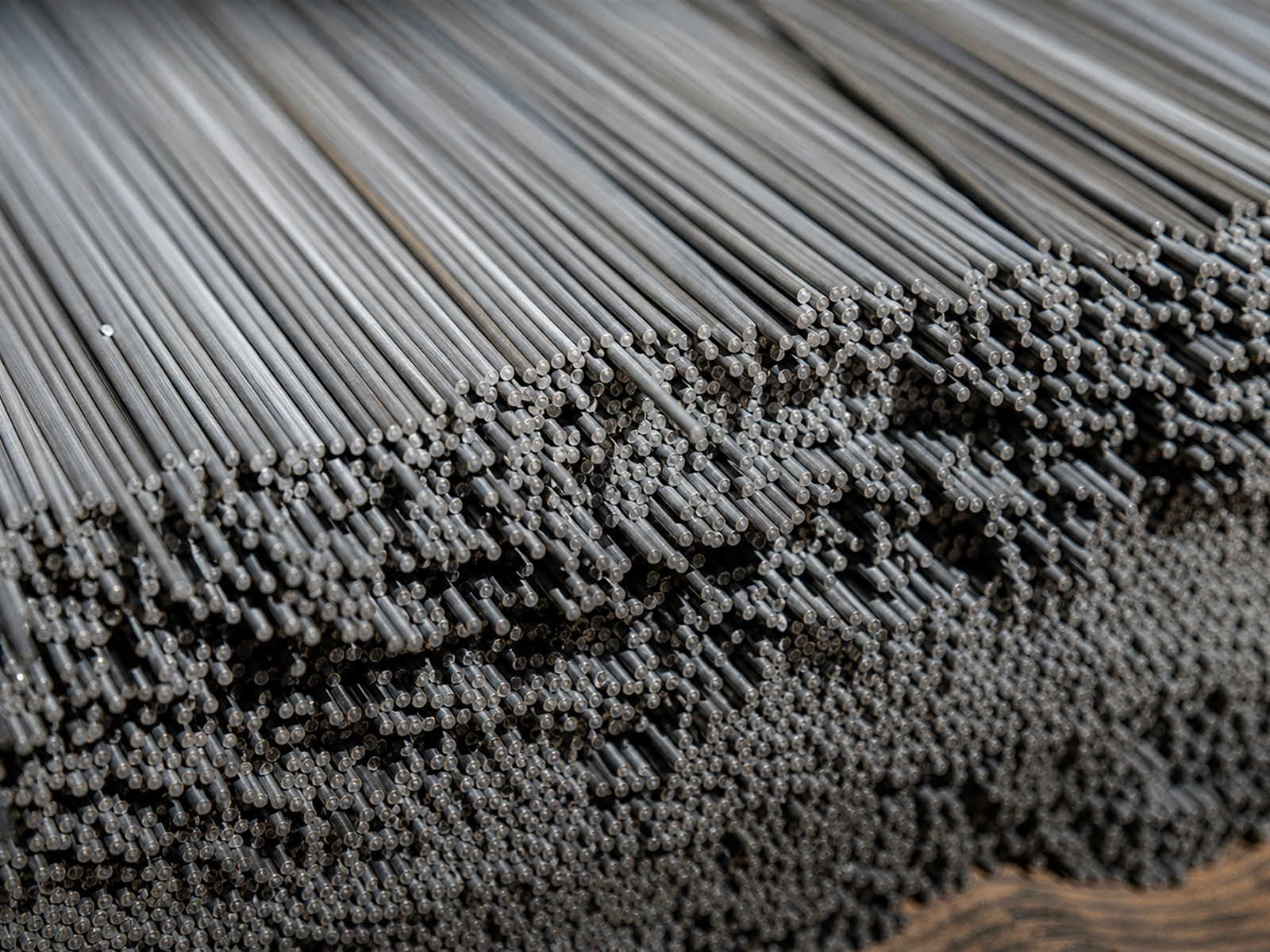
ASTM B160 Nickel Rods shipped via ocean freight are exposed to highly corrosive marine environments characterized by high humidity, elevated chloride concentrations, temperature fluctuations, and container condensation. Without proper packaging and protection measures, nickel rod surfaces develop oxidation products ranging from cosmetic yellow-brown staining to severe white corrosion products that require extensive post-arrival cleaning and may compromise dimensional tolerances. This article outlines comprehensive strategies for preventing surface oxidation during long-distance ocean freight, from initial packaging design through transit monitoring and arrival inspection.
1. Understanding Ocean Freight Corrosion Mechanisms
(1) Marine Atmosphere Composition and Corrosivity
Marine atmospheres contain airborne salt particles (primarily NaCl) at concentrations of 50-500 ug/m3-day deposition rate, depending on proximity to coast and sea state. These salt particles deposit on cargo surfaces and, when combined with high relative humidity (above 80%), form electrolytic films that accelerate electrochemical corrosion. The marine corrosion environment is classified as C5-M (very high) per ISO 9223, representing the most aggressive atmospheric corrosion category for metallic materials.
(2) Container Microclimate Dynamics
Enclosed shipping containers experience dramatic microclimate fluctuations during transit. Day-night temperature swings of 20-40 degrees C cause condensation cycles: warm, moisture-laden air contacts cooler container walls and cargo surfaces, depositing water droplets that dissolve airborne salts into concentrated corrosive solutions. This condensation phenomenon creates localized wet-dry cycles that are more corrosive than continuous immersion, as oxygen replenishment at wetted surface edges accelerates corrosion rates.
2. Packaging and Protection Strategies
(1) Vapor Corrosion Inhibitor (VCI) Packaging
VCI technology employs volatile corrosion inhibitor molecules that adsorb onto metal surfaces, forming molecular-level protective films that block moisture and chloride attack. ASTM B160 nickel rods should be wrapped in VCI film or placed in VCI bags with inhibitor concentrations calibrated for nickel alloys. Effective VCI systems provide 12-24 months of protection without surface residue, eliminating post-arrival cleaning requirements. VCI packaging must be sealed completely to maintain inhibitor vapor concentration within the protected volume.
(2) Desiccant and Moisture Control
Silica gel desiccant bags (minimum 500 g per 20 ft container, 1000 g per 40 ft container) absorb moisture from the container headspace, maintaining relative humidity below 40% where nickel corrosion rates are negligible. Desiccants should be placed at multiple locations within the container (corners and center) and replaced if color indicators show saturation. Climate-controlled containers with integrated desiccant systems provide enhanced protection for high-value nickel shipments.
(3) Protective Coating and Wrapping
For extended ocean transit (above 60 days) or highly corrosive routes (tropical seas with high salinity), nickel rods should receive additional surface protection. Temporary protective coatings such as rust preventive compounds or water-displacement oils provide 6-12 months of marine protection. Wrapped rods should use multi-layer packaging: inner VCI film in direct contact with metal surface, intermediate foam or corrugated padding for mechanical protection, and outer waterproof laminated bag for moisture barrier.
3. Loading and Stowage Practices
(1) Container Preparation
Before loading, containers must be inspected for structural integrity, watertightness, and cleanliness. Floor moisture content should be below 12% (measured by moisture meter) to prevent upward capillary moisture migration. Container floors should be lined with moisture-absorbing boards or desiccant-treated plywood to provide an additional barrier against deck moisture.
(2) Stowage Configuration
Nickel rod bundles should be stacked on wooden or plastic dunnage (minimum 50 mm thickness) to elevate cargo above the container floor and ensure air circulation beneath bundles. Stacks should not exceed 2.5 m height to prevent crushing of lower layers and ensure even weight distribution. Adequate spacing between bundles (minimum 100 mm) allows VCI vapor to reach all exposed surfaces and prevents moisture trapping between contacting metal surfaces.
(3) Transit Monitoring
Data loggers recording temperature and relative humidity throughout transit provide evidence of cargo exposure conditions and help diagnose any corrosion issues upon arrival. Wireless IoT sensors with real-time cloud monitoring enable proactive intervention if container conditions exceed safe thresholds (e.g., RH above 70% or temperature above 40 degrees C). Logging data should be retained for warranty claims and continuous improvement of packaging specifications.
4. Arrival Inspection and Remediation
(1) Visual Inspection Protocol
Upon arrival, nickel rods should be inspected within 24 hours of container opening to minimize atmospheric exposure of freshly revealed surfaces. Visual examination per ASTM B912 assesses surface condition, identifying any oxidation, staining, or corrosion products. Acceptance criteria: silver-gray metallic surface with no more than light straw tinting (indicating minimal oxide growth) is acceptable without remediation.
(2) Surface Cleaning Procedures
Light oxidation or straw discoloration can be removed by wiping with acetone or isopropyl alcohol. More significant surface oxidation requires light mechanical polishing with nylon abrasive pads (Scotch-Brite type) or chemical cleaning in 10-20% nitric acid solution at 50-60 degrees C for 5-15 minutes, followed by thorough rinsing in deionized water and drying. All cleaning procedures must be performed in controlled environments to prevent recontamination.
Conclusion
Preventing surface oxidation of ASTM B160 nickel rods during ocean freight requires a systematic approach combining VCI packaging, moisture control, protective coatings, proper stowage practices, and transit monitoring. While nickel exhibits inherent corrosion resistance, the aggressive marine shipping environment can overcome this resistance without adequate protection. By implementing the strategies outlined in this article, shippers and receivers can ensure that nickel rods arrive at their destination in pristine condition, ready for immediate use without costly cleaning or rejection procedures.
FAQ
Q1: How long can VCI packaging protect nickel rods during ocean transit?
Properly sealed VCI packaging protects nickel rods for 12-24 months in marine environments without surface degradation. For transits exceeding 6 months, supplemental desiccant and protective coatings are recommended for maximum assurance.
Q2: Is it necessary to remove VCI residue before using nickel rods?
VCI inhibitors are designed to be non-residue and leave no visible film on nickel surfaces. If a slight oily film is present, wiping with acetone or isopropyl alcohol removes it instantly. No chemical stripping or specialized cleaning is required.
Q3: What are the most common mistakes in ocean freight packaging for nickel rods?
The most frequent errors include: inadequate VCI coverage (gaps in packaging expose surfaces), insufficient desiccant quantity, improper stowage allowing moisture trapping between bundles, and delayed inspection after arrival (allowing corrosion to progress on freshly exposed surfaces). Following a documented packaging and loading checklist prevents these mistakes.
Contact Titanium Valley
Baoji Titanium Valley Titanium Nickel Zirconium Material Processing Co., Ltd. provides export-grade packaging solutions for ASTM B160 nickel rods, including VCI packaging, desiccant systems, and protective coatings. We ship globally with documented protection protocols ensuring pristine arrival condition. Contact us for packaging specifications and quotations:
References
Revie, R.W. Uhligs Corrosion Handbook [M]. 3rd ed. Wiley, 2011.
ISO 9223: Corrosivity of Environments-Classification [S]. International Organization for Standardization, 2019.
ASTM B912-18 Standard Guide for Examination of Nickel and Nickel Alloys [S]. ASTM International, 2018.
ASTM International. ASTM B160-20 Standard Specification for Nickel and Nickel Rods and Bars [S]. 2020.