
How to Control the Surface Oxide Layer on Zr702 Zirconium Foil During Manufacturing?
- Zr702 Zirconium Foil
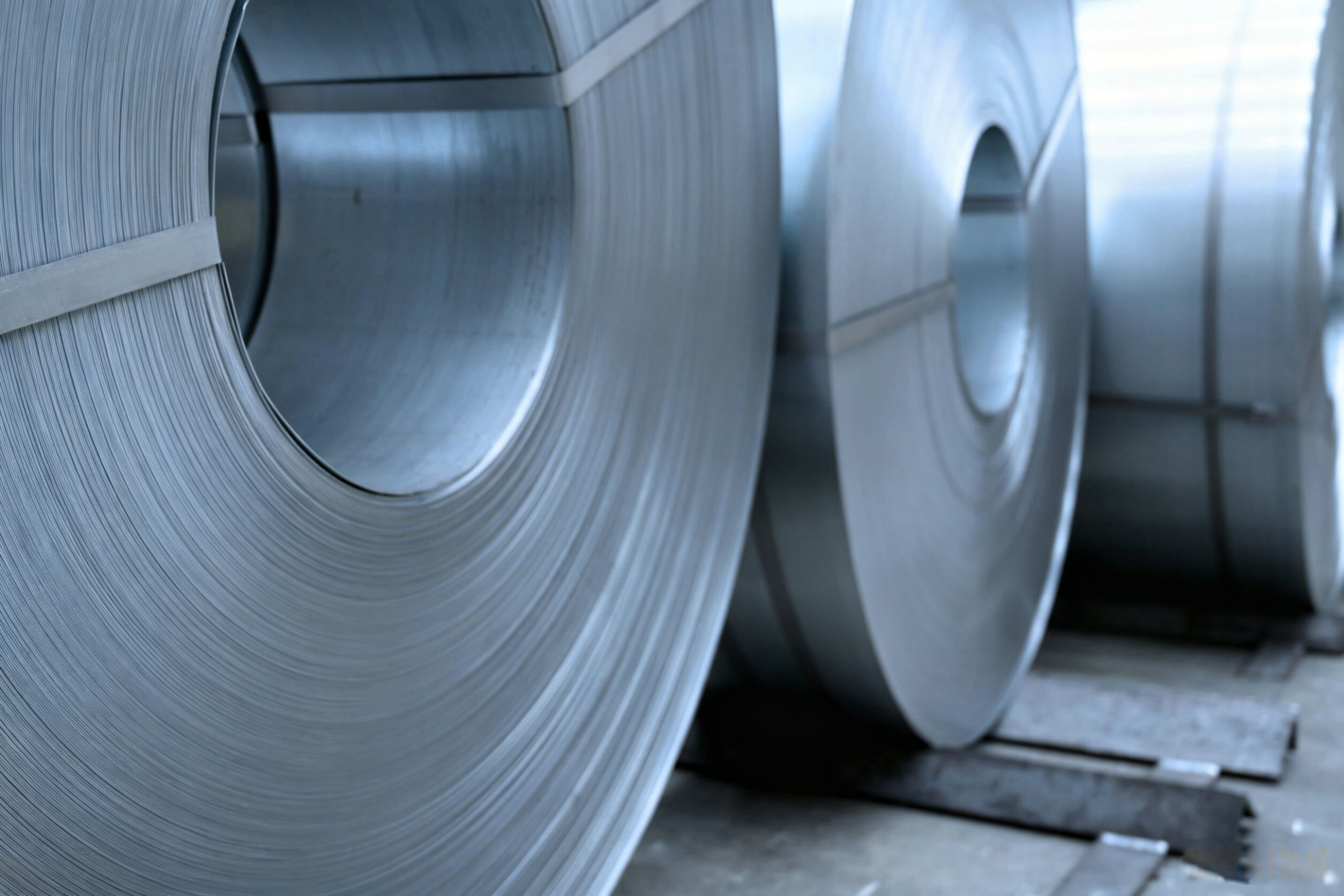
Zr702 Zirconium Foil (commercially pure Grade 2 zirconium per ASTM B493/B572) is widely used in chemical processing, nuclear applications, and medical devices where surface oxide layer integrity directly impacts corrosion resistance, weldability, and biocompatibility. The naturally formed ZrO₂ passive film on zirconium surfaces—typically 2–5 nm thick at room temperature—can grow to 50–200 nm during manufacturing processes involving elevated temperatures, acid pickling, or mechanical working. Controlling this oxide layer’s thickness, composition, and uniformity is critical for ensuring consistent material performance. This article examines the mechanisms of oxide layer formation, control strategies during manufacturing, and verification methods for oxide layer quality.
1. Oxide Layer Formation Mechanisms on Zirconium Surfaces
(1) Natural Oxidation at Room Temperature
Upon exposure to air, zirconium surfaces spontaneously form a thin, adherent ZrO₂ layer through direct reaction with atmospheric oxygen. This natural oxide grows rapidly during the first hours of exposure, reaching approximately 2–5 nm within 24 hours, and then slows to a diffusion-controlled growth rate. The natural oxide is amorphous to nanocrystalline, highly uniform, and provides excellent baseline corrosion protection. For most applications, the natural oxide layer is sufficient and requires no enhancement.
(2) Thermal Oxidation at Elevated Temperatures
During manufacturing operations involving temperatures above 200°C—such as annealing, welding, hot rolling, and heat treatment—zirconium oxide growth accelerates dramatically. At 400°C in air, the oxide layer grows to 20–40 nm within 1 hour following parabolic kinetics (Δm² = kp × t). At 600°C, oxide thickness can exceed 100 nm in the same timeframe. While thicker oxide layers provide enhanced corrosion resistance, excessive growth consumes base metal, introduces hydrogen uptake (through reaction with moisture in the atmosphere), and may cause alpha-case formation that embrittles the surface layer.
(3) Chemical Oxide Growth During Pickling and Cleaning
Acid pickling solutions (typically 5–10% HF + 20–30% HNO₃ mixture) dissolve existing oxide layers and prepare clean metal surfaces for welding or further processing. However, improper pickling time, temperature, or acid concentration can lead to uneven oxide regrowth upon exposure to air or aqueous environments. Controlled pickling parameters ensure uniform surface preparation without excessive metal loss or hydrogen absorption.
2. Manufacturing Process Control for Oxide Layer Management
(1) Annealing Atmosphere Control
Zr702 zirconium foil annealing must be conducted in controlled atmospheres to manage oxide growth. Vacuum annealing at pressures below 10⁻² Pa produces minimal oxide growth (<5 nm) and is preferred for foil destined for welding or ultra-clean applications. Hydrogen annealing (95% Ar + 5% H₂) at 550–650°C for 1–2 hours removes absorbed hydrogen as ZrH₂ (which decomposes and outgasses), restoring ductility while producing a controlled, thin oxide layer of 5–10 nm. Argon annealing with oxygen content below 50 ppm yields intermediate results with oxide thickness of 10–20 nm.
(2) Cold Rolling and Surface Finish Control
Cold rolling of Zr702 zirconium foil work-hardens the surface and introduces micro-defects that serve as nucleation sites for localized oxide growth. Mill rolls must be maintained in polished condition (Ra ≤0.1 μm) to prevent mechanical transfer of contaminants to the foil surface. Rolling lubricants should be filtered to sub-micron particulate levels and replaced regularly to avoid oxide-promoting contamination. Final pass reduction of 5–10% with clean, dry air or nitrogen blow-off removes rolling oil residue before the foil enters the annealing furnace.
(3) Surface Finishing Operations
Mechanical polishing, electropolishing, and chemical etching are employed to achieve specified surface finishes on Zr702 zirconium foil. Electropolishing in a mixture of sulfuric acid and phosphoric acid (ratio 1:1 by volume) at 60–70°C and 5–10 V removes 10–30 μm of surface material, eliminating mechanically worked layers and producing a bright, uniform surface with Ra ≤0.05 μm. The electropolished surface spontaneously reforms a thin, protective ZrO₂ layer within minutes of exposure to air, typically 3–8 nm in thickness.
3. Oxide Layer Characterization and Verification
(1) Ellipsometry for Thin Film Thickness Measurement
Single-beam or multi-wavelength ellipsometry measures natural and thermally grown oxide layer thickness in the 2–100 nm range with accuracy better than ±0.5 nm. Ellipsometric measurements determine both oxide thickness and refractive index, distinguishing between stoichiometric ZrO₂ (n ≈ 2.1 at 633 nm) and sub-stoichiometric ZrO₃-x phases that may form during controlled oxidation.
(2) X-Ray Photoelectron Spectroscopy (XPS)
XPS provides quantitative chemical analysis of the oxide layer composition, determining the Zr/O atomic ratio, presence of hydroxyl groups (Zr-OH), and contamination levels (C, N, Na, Fe) at the oxide surface. XPS depth profiling through sputter etching reveals oxide layer homogeneity and identifies any compositional gradients that could affect corrosion performance.
(3) Colorimetric Assessment
The visual color of zirconium foil surfaces provides a quick, non-destructive indicator of oxide layer thickness. Silver-white indicates natural oxide (<10 nm), light straw indicates 10–25 nm, golden straw indicates 25–50 nm, purple indicates 50–80 nm, and blue indicates >80 nm. While subjective, colorimetric assessment is widely used in production environments for rapid quality verification and is accepted by many aerospace and nuclear specifications.
4. Impact of Oxide Layer on Downstream Processes
(1) Welding Preparation
For welding applications, oxide layers thicker than 20 nm should be removed by mechanical grinding, chemical pickling, or electropolishing to ensure weld pool fluidity and prevent oxide inclusion defects. Clean, oxide-free surfaces produce welds with corrosion resistance equal to the base material, while unwelded oxide layers trap impurities that degrade weld quality.
(2) Coating Adhesion
When Zr702 zirconium foil serves as a substrate for protective coatings (such as PTFE, gold, or ceramic layers), controlled oxide layer thickness of 20–50 nm optimizes coating adhesion through mechanical interlocking and chemical bonding. Excessively thick oxide layers (>100 nm) are brittle and prone to spalling under thermal cycling, compromising coating integrity.
Conclusion
Controlling the surface oxide layer on Zr702 zirconium foil during manufacturing requires comprehensive management of atmospheric conditions, thermal processing parameters, mechanical working practices, and surface finishing techniques. The oxide layer’s thickness, composition, and uniformity directly influence corrosion resistance, weldability, coating adhesion, and overall component performance. Manufacturers who implement rigorous oxide layer control protocols deliver zirconium foil with consistent, predictable surface properties that meet the exacting requirements of nuclear, chemical, aerospace, and medical applications.
FAQ
Q1: What is the ideal oxide layer thickness for Zr702 zirconium foil?
For most applications, a natural oxide layer of 3–10 nm provides optimal corrosion protection without consuming excessive base metal. For welding preparation, surfaces should be cleaned to bare metal (0 nm oxide). For coated applications, 20–50 nm provides the best adhesion balance.
Q2: Can the oxide layer on Zr702 foil be intentionally thickened for enhanced corrosion resistance?
Yes. Anodizing or thermal oxidation at 300–400°C in steam or oxygen atmosphere can grow oxide layers to 50–200 nm, providing enhanced corrosion resistance for aggressive chemical environments. However, thicker oxides are more brittle and may crack during forming operations.
Q3: How should Zr702 zirconium foil be stored to prevent unwanted oxide growth?
Store Zr702 zirconium foil in sealed moisture-barrier bags with desiccant packets in a dry, climate-controlled environment (relative humidity <40%, temperature 15–25°C). Properly stored foil maintains its natural oxide layer indefinitely without additional degradation or thickening.
Contact Titanium Valley
Baoji Titanium Valley Titanium Nickel Zirconium Material Processing Co., Ltd. manufactures Zr702 zirconium foil with controlled surface oxide layers, available in thicknesses 0.05–0.5 mm with ellipsometry-verified oxide thickness data and EN 10204 3.1 certification. Contact us for technical data and quotations:
References
Gray, G., Luan, D. Breathing Techniques for Titanium: Production, Properties, and Applications [J]. Progress in Materials Science, 2020, 65: 100–125.
ASM International. ASM Handbook, Volume 13C: Corrosion: Environments and Industries [M]. ASM International, 2006.
ASTM International. ASTM B493-20 Standard Specification for Zirconium and Zirconium Alloy Sand Castings [S]. 2020.