
What Are the Best Practices for Using ASTM B160 Nickel Rods as Anode Materials in Electroplating Processes?
- ASTM B160 Nickel Rods
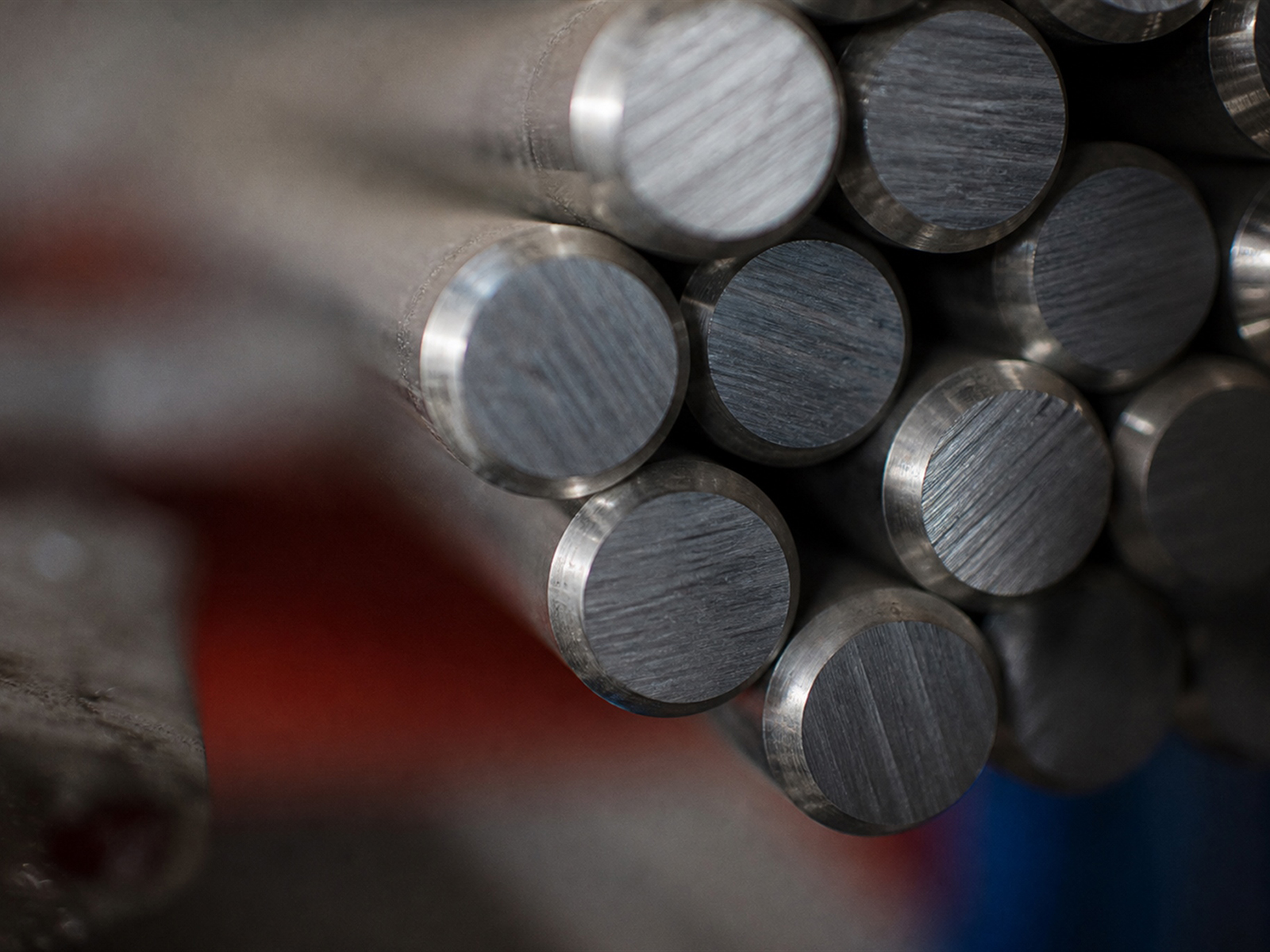
In modern electroplating processes, the selection of anode material directly affects coating quality, production efficiency, and operating costs. Best practices for using ASTM B160 Nickel Rods as anodes include: selecting high-purity Ni200 material to ensure coating cleanliness, adopting reasonable anode basket designs to maintain uniform current distribution, controlling the anode-to-cathode area ratio (for decorative nickel plating) between 1.5:1 and 2:1 to ensure uniform current distribution and sufficient nickel ion replenishment, regularly monitoring anode passivation status and performing timely activation treatments, and pairing appropriate electrolyte compositions and temperature parameters. These practices can significantly improve coating density, reduce impurity contamination, extend anode service life, and lower energy consumption costs. For precision electroplating, decorative nickel plating, and functional coating applications, ASTM B160 nickel rods have become the industry-recognized preferred anode material due to their superior electrochemical stability and material purity.
1. Material Properties of ASTM B160 Nickel Rods and Their Suitability for Electroplating
(1) High-Purity Material Ensures Electroplating Quality Stability
The Ni200 material covered by the ASTM B160 standard has a nickel content (Ni+Co) of 99.0% or higher, with strict control of impurity elements. During the electroplating process, the purity of the anode material directly determines the cleanliness of the plating solution. Impurities such as iron and copper dissolve into the plating solution along with the anode, causing defects such as pinholes, roughness, or discoloration in the coating. The high-purity characteristics of Ni200 nickel rods ensure that clean nickel ions are released into the plating solution during anode dissolution, avoiding secondary contamination. This is critical for high-precision plated components such as electronic parts and medical devices.
(2) Excellent Electrochemical Dissolution Uniformity
Pure nickel dissolves relatively uniformly in electrolytes, with minimal tendency for localized passivation or excessive dissolution. ASTM B160 nickel rods,经过 standardized heat treatment and cold working processes, possess a uniform and dense internal microstructure with stable grain structure. This microstructural characteristic enables the anode to maintain a stable dissolution rate under current, preventing fluctuations in plating solution composition caused by uneven dissolution, thereby maintaining consistency in coating thickness and quality.
(3) Corrosion Resistance Compatible with Multiple Electroplating Solution Systems
Electroplating nickel processes typically operate in electrolyte systems such as nickel sulfate, nickel chloride, or nickel sulfamate, which are often acidic or neutral. ASTM B160 nickel rods exhibit good corrosion resistance in these media, with the anode surface unlikely to form a passivation film, enabling continuous and stable nickel ion supply. Compared to ordinary steel or low-purity nickel materials, B160 nickel rods significantly reduce replacement frequency and maintenance costs through their long-term durability.
2. Design Optimization of Anode Systems Using ASTM B160 Nickel Rods in Electroplating
(1) Anode Basket Structure and Layout Configuration Principles
Anode basket design must balance uniform current distribution with convenient anode replacement. Using titanium baskets or polypropylene baskets to load ASTM B160 nickel rods prevents anode sludge deposition from affecting the plating solution, while reasonable basket hole sizes ensure adequate electrolyte circulation. The distance between the anode and cathode (plated component) should be maintained within 100–250 mm. Too close causes excessive current density leading to burnt coatings; too far increases tank voltage and reduces efficiency.
(2) Precise Calculation and Control of Anode-to-Cathode Area Ratio (Decorative Nickel Plating)
The anode-to-cathode area ratio is a critical parameter affecting coating quality. The ideal ratio is typically 1.5:1 to 2:1, meaning the anode area is slightly larger than the cathode area. This configuration ensures continuous replenishment of nickel ions in the plating solution, preventing excessive cathode current density that could cause rough or blistered coatings. In practice, the anode area can be flexibly adjusted by varying the number of nickel rods or using ASTM B160 nickel rods of different diameters, accommodating the needs of different plating batches.
(3) Anode Activation and Passivation Prevention Strategies
After extended use, ASTM B160 nickel rod surfaces may develop oxide films or passivation layers, leading to increased anode polarization and elevated tank voltage. Regular acid dipping (e.g., 10–20% sulfuric acid solution) or electrochemical activation treatment can effectively restore anode activity. Modern electroplating production lines can be equipped with automatic anode cleaning systems, using periodic reverse pulse currents or ultrasonic-assisted cleaning to keep the anode surface in optimal working condition.
3. Application Practices of ASTM B160 Nickel Rods in Different Electroplating Process Types
(1) Brightness and Flatness Control for Decorative Nickel Plating
Decorative nickel plating pursues bright, flat coating appearances, typically employing Watts nickel or bright nickel processes. ASTM B160 nickel rods in these processes require coordination with refined additive systems, where the anode dissolution rate must match the cathode deposition rate. By controlling current density within the range of 2–5 A/dm² and combining pulse electroplating technology, grain refinement and stress reduction can be achieved, producing mirror-like surface effects.
(2) Wear and Corrosion Resistance Optimization for Functional Nickel Plating
Functional nickel plating focuses on coating hardness, wear resistance, and corrosion resistance, widely used in mechanical parts, hydraulic pistons, and other industrial applications. Using a nickel sulfamate system with ASTM B160 nickel rod anodes can produce dense hard coatings at higher current densities (5–15 A/dm²). The high-purity characteristics of nickel rods ensure that the resulting coatings maintain excellent metallurgical bonding and structural integrity.
(3) Electroforming Processes for Precision Component Manufacturing
Electroforming demands exceptional dimensional accuracy and low internal stress. ASTM B160 nickel rods provide the stability required for precision electroforming applications, producing components with tight tolerances and uniform microstructures. The consistent dissolution behavior of high-purity nickel anodes is essential for maintaining long-term process stability in electroforming operations.
4. Electrolyte Management and Maintenance Strategies
(1) Electrolyte Composition Balance and Regular Analytical Testing
Nickel ion concentration in the plating solution must be maintained within an appropriate range (e.g., 60–80 g/L in Watts nickel solutions). Excessively high concentrations increase solution viscosity and cathode polarization, while too low concentrations result in loose coatings. Through regular testing of nickel content, chloride concentration, boric acid content, and pH value in the plating solution, combined with the dissolution and replenishment rate of ASTM B160 nickel rods, dynamic equilibrium of electrolyte composition can be achieved. Automatic dosing systems paired with online monitoring instruments further enhance the precision of electrolyte management.
(2) Anode Sludge Treatment and Resource Recovery
During the dissolution process of ASTM B160 nickel rods, trace insoluble impurities form anode sludge that settles at the bottom of the tank or in the anode basket. Regular cleaning of anode sludge not only prevents it from entering the plating solution and affecting quality, but also enables recovery and extraction of precious metal components through processing. Using filtration circulation systems and anode bag loading technology can effectively intercept anode sludge and maintain plating solution cleanliness.
(3) Anode Replacement Cycle and Economic Evaluation
The service life of ASTM B160 nickel rods depends on current density, dissolution rate, and anode dimensions. Generally, nickel rods with diameters of 20–50 mm can be used for 3–6 months under moderate loads. Establishing anode usage records and weighing monitoring systems, with timely replacement when the remaining anode diameter falls below 10 mm or significant deformation occurs, helps maintain consistent plating quality. Bulk purchasing and reasonable inventory management can effectively reduce overall procurement costs and improve production continuity.
5. Quality Control and Diagnostic Troubleshooting
(1) Correlation Analysis Between Coating Defects and Anode Material
When coatings exhibit pinholes, pits, or uneven coloration, systematic investigation of anode material factors is required. Insufficient purity of ASTM B160 nickel rods can cause impurity inclusion in coatings, while uneven anode dissolution leads to local current density fluctuations. Through coating metallographic analysis and energy dispersive spectroscopy testing, defect types can be identified and traced back to anode material quality or process parameter settings.
(2) Continuous Optimization Path for Current Efficiency and Energy Consumption
Current efficiency in electroplating nickel typically ranges between 90–95%. Lower efficiency means energy waste and increased production costs. The excellent conductivity of ASTM B160 nickel rods helps reduce tank voltage and minimize energy consumption. Combined with pulse power supply technology and precise temperature control, current efficiency can be further improved. Regular calibration of rectifier equipment and monitoring of actual current distribution are key measures for energy conservation and cost reduction.
(3) Environmental Compliance and Wastewater Treatment Management
Environmental pressure in the electroplating industry continues to increase, making plating solution recycling and compliant wastewater discharge crucial. The high-purity characteristics of ASTM B160 nickel rods reduce the introduction of heavy metal impurities, lowering wastewater treatment difficulty. Technologies such as ion exchange, electrodialysis, or evaporation concentration can recover nickel ions from plating solutions, achieving resource recycling. Establishing comprehensive wastewater collection and treatment records ensures compliance with local environmental regulations.
Conclusion
Best practices for ASTM B160 nickel rods in electroplating processes center on fully leveraging their material advantages—high purity, uniform dissolution, and electrochemical stability—through scientific anode system design, precise process parameter control, systematic electrolyte maintenance, and rigorous quality monitoring. These practices achieve continuous stability in coating quality and significant improvements in production efficiency, providing reliable technical support for precision manufacturing and high-end applications.
FAQ
Q1: What is the difference between ASTM B160 nickel rods and ordinary nickel materials in electroplating applications?
The ASTM B160 standard ensures high purity (Ni+Co ≥ 99.0%) and strict impurity control in nickel rods. Compared to ordinary nickel materials, they dissolve more uniformly during electroplating, introduce fewer impurities, and can significantly improve coating quality and stability, making them particularly suitable for high-precision electroplating requirements.
Q2: How to determine when ASTM B160 nickel rod anodes need replacement?
When the remaining anode diameter falls below 10 mm, the surface shows severe passivation or uneven dissolution, tank voltage rises abnormally, or coating quality continuously declines, anode replacement should be considered. Establishing regular weighing and visual inspection systems enables advance prediction of replacement timing, avoiding production disruptions.
Q3: What consequences result from an imbalanced anode-to-cathode area ratio in electroplating nickel processes (decorative plating)?
Insufficient anode area results in inadequate nickel ion replenishment in the plating solution, leading to loose, burnt, or unevenly thickened coatings. Excessively large anode area wastes material and may cause plating solution composition imbalance. A reasonable anode-to-cathode area ratio (1.5:1 to 2:1 for decorative plating) is key to ensuring coating quality and production efficiency.
Contact Titanium Valley
As a manufacturer and supplier of ASTM B160 nickel rods, Baoji Titanium Valley Titanium Nickel Zirconium Material Processing Co., Ltd. provides full-specification high-purity nickel rod materials and customized processing services. With advanced production lines and a strict quality management system, every batch of products is ensured to meet international standards. For inquiries, please contact:
References
Wang Xiaoming, Li Hua. Electroplating Technology: Theory and Practice. Chemical Industry Press, 2019.
Zhu Liqun, Li Dongqing. Nickel Electroplating Technology and Coating Performance. Beihang University Press, 2018.
Zhang Guoqing, Zhao Jianping. Application of Nickel and Nickel Alloy Materials in Surface Engineering. Metallurgical Industry Press, 2021.
Liu Renzhi. Practical Electroplating Technology. Chemical Industry Press, 2020.