
What Are the Typical Uses of Grade 5 Titanium Foil? Full Industry Breakdown

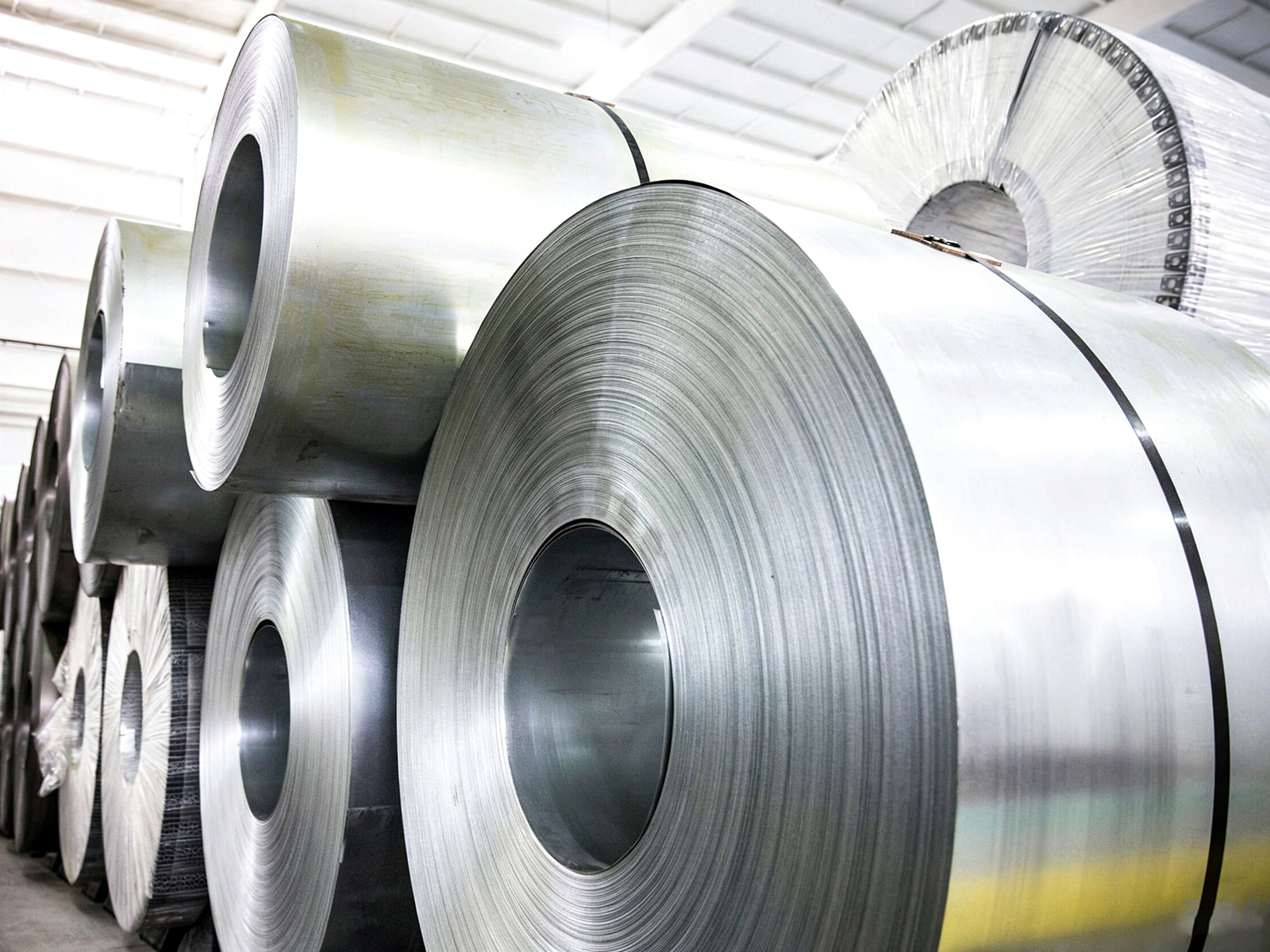
Grade 5 titanium foil (Ti-6Al-4V) is an ultra-thin high-performance alpha plus beta dual-phase titanium alloy. Its tensile strength hits at least 895 MPa, yield strength reaches minimum 825 MPa, and density stands at only 4.43 g/cm³.
It delivers over 60 percent higher strength than standard Grade 2 pure titanium foil and carries loads far better. It also keeps strong corrosion resistance and non-magnetic features. It works steadily at 260°C for long-term regular use and resists short-term heat up to 300°C with almost no drop in mechanical performance.
This foil covers thicknesses from 0.03 mm to 0.8 mm and reaches a maximum width of 670 mm. Factories produce it in stable mass volumes with precise cold rolling and vacuum annealing processes.
Its unique high specific strength makes it an irreplaceable core material for high-end sectors: aerospace, medical implantation, new energy and chemical protection. It fits extreme working scenarios that need both light weight design and strong load-bearing capacity.
1. Core Uses in Aerospace
1.1 Core Material for Aircraft Honeycomb Structures
Aerospace honeycomb sandwich structures demand core materials with extremely high specific stiffness and compressive strength. Grade 5 titanium foil with thickness between 0.05 mm and 0.15 mm goes through precise folding and forming. Its load capacity per unit weight beats aluminum alloy by a wide margin.
It does not lose high-temperature strength like aluminum alloy under harsh conditions: hypersonic flight, repeated heat cycles and heavy fatigue loads. Top-tier aircraft makers pick this material for critical parts. Manufacturers build flap support structures with Grade 5 titanium honeycomb panels. These panels cut aircraft weight and extend service life against fatigue damage.
1.2 Heat Insulation and Protection Systems for Aero Engines
Workers lay ultra-thin Grade 5 titanium foil (0.03 mm to 0.08 mm) as radiant heat barrier layers around engine casings and low-temperature sections of exhaust nozzles. The material carries a low thermal conductivity value of roughly 7.5 W/m·K and a high melting point at 1668°C. It blocks radiant heat effectively and avoids the heavy weight downside of nickel-based alloys. It balances heat shielding and light weight design at the same time.
This titanium foil weighs much less than nickel-based superalloys and cuts total engine weight. Modern aero engines stack multiple layers of Grade 5 titanium foil for heat insulation. This layered system lifts thermal protection efficiency and improves fuel economy.
1.3 Aircraft Skin and Fastener Components
Modern fighter jets need skin materials to handle heavy overloads and wide temperature shifts. Factories shape 0.3 mm to 0.5 mm Grade 5 titanium foil with precise laser welding. The finished sheets hold tensile strength above 890 MPa, retain most weld strength and keep elongation over 12 percent. These traits support forming complex curved surfaces.
Engineers widely use Ti-6Al-4V foil as load-bearing skins under stealth coatings. These skins cut far more weight than steel sheets.
Performance Comparison Between Grade 5 Titanium Foil and Traditional Aerospace Materials (Data under equal stiffness and identical working conditions)
| Performance Index | Grade 5 Titanium Foil | Aluminum Alloy | Stainless Steel |
|---|---|---|---|
| Specific Strength (MPa·cm³/g) | Around 210 | Around 185 | Around 65 |
| Strength Retention Rate at 300°C | Above 90% | Below 50% | Above 85% |
| Fatigue Strength (MPa) | Around 520 | Around 160 | Around 240 |
| Corrosion Resistance Grade | Excellent | Medium | Good |
| Weight Reduction Potential | Balanced high strength and light weight | Best light weight performance | Major weight gain |
2. Medical and Biomedical Implant Applications
2.1 Orthopedic Implants and Fixation Plates
Human bones bear dynamic loads, so implant materials must combine high strength and full biocompatibility. Factories stamp Grade 5 titanium foil into cranial repair plates and rib fixation bands with thickness from 0.4 mm to 0.6 mm. The foil holds tensile strength above 930 MPa and resists large impact forces without deformation.
Its elastic modulus sits close to natural human bone. Designers carve hollow patterns and thin down the foil to lower stress shielding effects and boost bone integration. Sandblasting creates a surface roughness of Ra 3 μm to 5 μm. This rough surface lets bone cells attach and grow easily, raising bone integration rates after implantation.
2.2 Cardiovascular Stents and Medical Catheters
Manufacturers build peripheral vascular stents, minimally invasive catheter sheaths and vascular occlusion accessories from Grade 5 titanium foil. They cut ultra-thin 0.05 mm to 0.08 mm foil with lasers and smooth the surface through electrolytic polishing to form mesh stents. These stents stand up to repeated cyclic loads from beating blood vessels and show strong anti-fatigue performance.
This titanium alloy carries no magnetic properties. Patients with these implants can safely receive MRI scans. Workers roll 0.15 mm titanium foil to produce catheter sheaths. The finished tubes maintain even wall thickness and lower resistance during medical puncture operations.
2.3 Dental Implant Abutments
Dental implant abutments must resist biting force and corrosion from human saliva. Factories spin Grade 5 titanium foil into custom abutments ranging 0.3 mm to 0.5 mm thick. The foil delivers yield strength above 850 MPa. Anodizing builds a TiO₂ film on the surface and cuts bacterial adhesion rates.
Clinical trials prove Ti-6Al-4V abutments stay intact for long periods and form tighter seals with soft oral tissues than pure titanium parts. Dentists pair all-ceramic crowns with titanium alloy abutments to strike a balance between cosmetic look and mechanical strength.
Technical Specifications of Grade 5 Titanium Foil for Different Medical Implant Uses
| Application Type | Thickness Range (mm) | Key Performance Standards | Surface Treatment | Clinical Advantages |
|---|---|---|---|---|
| Cranial Repair Plate | 0.4~0.6 | Strong impact resistance | Sandblasting + Anodizing | Easy shaping, compatible with CT scans |
| Peripheral Vascular Stent | 0.05~0.08 | Long cyclic service life | Electrolytic Polishing | Low artery re-stenosis rate |
| Dental Implant Abutment | 0.3~0.5 | High biting force resistance | Nano TiO₂ Coating | Tight seal with oral soft tissue |
| Spinal Fixation Thin Sheet | 0.5~0.8* | High fatigue strength | Micro-arc Oxidation | Special thin sheet for auxiliary spinal fixation |
Note: Standard spinal fixation parts measure 1.0 mm to 2.0 mm thick. This specification only applies to thin auxiliary fixation sheets.
3. Innovative Uses in New Energy and Electronics
3.1 Heat Dissipation and Connection Parts for Lithium Batteries
Power battery packs heat up quickly during fast charging, so they need efficient heat transfer materials. Grade 5 titanium foil outperforms copper and aluminum in special heat insulation and connection spots that demand anti-corrosion, insulation and resistance to electrolyte liquid. It removes risks of corrosion-induced short circuits.
Workers place 0.1 mm to 0.2 mm Grade 5 titanium foil as thermal isolation sheets between battery cells. Its thermal conductivity sits at roughly 7.5 W/m·K, lower than copper, yet its strong corrosion resistance stops short circuits caused by leaking electrolyte. Laser welding joins this titanium foil with aluminum bus bars to create low contact resistance and support large electric currents.
Manufacturers stamp 0.05 mm titanium foil into bipolar plates for hydrogen fuel cells. These plates extend the working life of proton exchange membranes.
3.2 Electromagnetic Shielding and Precision Electronic Components
5G base stations and quantum computers stay highly sensitive to electromagnetic interference. Factories apply nickel chemical plating on ultra-thin 0.03 mm to 0.05 mm Grade 5 titanium foil. The treated foil delivers excellent shielding performance to meet strict industry standards.
Its non-magnetic property blocks extra magnetic field disturbance. Engineers use it to build outer casings for MRI devices and precision sensors. Foldable phone hinges adopt multi-layer composite structures made from 0.08 mm titanium foil. This structure draws on the alloy’s long fatigue life, low density and corrosion resistance to support millions of folds with little stiffness loss.
Production lines line semiconductor vacuum chambers with Grade 5 titanium foil. The foil releases very few gas molecules and maintains stable ultra-high vacuum environments.
3.3 Photovoltaic and Energy Storage Systems
Power modules inside photovoltaic inverters require high-temperature resistant heat sink substrates. Factories bond 0.3 mm to 0.5 mm Grade 5 titanium foil with ceramic substrates through diffusion welding. The bonded parts retain high shear strength after repeated temperature cycles.
This titanium foil carries a low thermal expansion coefficient of around 8.6×10⁻⁶/K. This value matches aluminum nitride ceramic well and stops layered separation failures caused by thermal stress. Energy storage container fire safety systems use titanium alloy pressure vessels. These vessels resist corrosion from marine air and run for years without maintenance.
4. Corrosion Resistant Uses in Chemical and Marine Engineering
4.1 Electrolyzer Electrodes and Diaphragms
Anodes inside chlor-alkali industry electrolyzers bear high current density inside saturated salt water. Workers coat catalytic layers onto 0.5 mm to 0.8 mm Grade 5 titanium foil. This coating cuts overpotential during chlorine gas production and lowers overall cell voltage to save power.
The titanium base fights chloride corrosion far better than nickel alloys and extends total equipment service life. PEM water electrolysis hydrogen production equipment uses 0.1 mm titanium foil as gas diffusion layers. These layers raise hydrogen purity and lift power density of electrolysis stacks.
4.2 Seawater Desalination and Vessel Protection
Manufacturers weld Grade 5 titanium foil into impellers for high-pressure pumps in reverse osmosis seawater desalination plants. These impellers resist cavitation damage better than stainless steel. Factories lay 0.2 mm to 0.3 mm titanium foil as tube sheets inside thermal seawater desalination evaporators. The foil lifts heat exchange rates and slows mineral scale build-up.
Ship builders coat steel plates with titanium alloy layers for ballast tanks. This coating cuts corrosion rates to near zero and lowers long-term maintenance costs. Deep-sea submersibles combine forged Ti-6Al-4V blocks and titanium foil through welding to build pressure hulls that withstand extreme deep-sea water pressure.
4.3 Lining Sheets and Pipes for Petrochemical Equipment
Grade 5 titanium foil delivers outstanding anti-corrosion performance inside these mediums: low-concentration sulfuric acid, room-temperature concentrated sulfuric acid, acetic acid and chloride-rich seawater. Workers bond 0.5 mm Grade 5 titanium foil onto carbon steel base plates through explosive cladding to make titanium-steel composite panels. These panels slash total equipment costs compared with full titanium machinery.
The thin titanium layer shows extremely low corrosion rates and works reliably for more than 20 years. Acetic acid production reactors install titanium foil liners to resist erosion from glacial acetic acid. Offshore oil platform water injection systems adopt titanium alloy filters. The titanium foil material stops sulfide stress cracking, weighs little, resists seawater corrosion and stretches maintenance cycles significantly.
Corrosion Resistance Data of Grade 5 Titanium Foil in Different Corrosive Mediums
| Corrosive Medium | Concentration / Temperature | Corrosion Rate (mm/year) | Reference Material | Service Life Advantage |
|---|---|---|---|---|
| Saturated Sodium Chloride | 26% / 90°C | Below 0.001 | 316L Stainless Steel: Below 0.05 | Remarkable improvement |
| Low-Concentration Sulfuric Acid | ≤10% / Room Temperature | Below 0.005 | 316L Stainless Steel: 0.2~0.5 | Dozens of times longer |
| Seawater | 3.5% / 25°C | Below 0.0005 | Carbon Steel: 0.15 | Hundreds of times longer |
| Glacial Acetic Acid | 99.5% / 120°C | Below 0.003 | Stainless Steel: Below 0.08 | Dozens of times longer |
Note: Titanium alloys suffer severe corrosion inside high-concentration hot sulfuric acid (over 90% concentration, above 100°C). They do not suit such environments.
5. High-End Manufacturing and Special Working Condition Applications
5.1 Vacuum Equipment and Semiconductor Production
Vacuum chambers for semiconductor etching machines need materials with ultra-low gas release rates and strong resistance to plasma erosion. Factories clean 0.3 mm to 0.5 mm Grade 5 titanium foil with ultrasonic tools then run vacuum annealing. The finished foil leaves almost no hydrocarbon residues on its surface and runs stably under ultra-high vacuum levels.
This titanium foil resists corrosive process gases such as CF₄ and SF₆ well and extends the service life of vacuum chambers. Some high-precision evaporation and vacuum coating machines use ultra-thin 0.02 mm Grade 5 titanium foil as auxiliary mask parts. Workers drill tiny holes on the foil with laser equipment to reach high hole dimensional accuracy and create even coating layers.
5.2 Racing Car and High-Performance Auto Parts
Exhaust systems on high-performance racing cars run at high temperatures, so component materials must handle heat and keep light weight. Workers weld 0.4 mm to 0.6 mm Grade 5 titanium foil with TIG welding to build exhaust manifolds. These manifolds weigh far less than stainless steel alternatives and speed up engine response.
Manufacturers stamp titanium alloy foil into compressor wheels for turbochargers. These wheels spin at high speeds and maintain long anti-fatigue service life. Electric supercars place Ti-6Al-4V foil as bottom protective plates for battery packs. These plates absorb collision energy better than aluminum alloy sheets.
5.3 Military and Special Equipment
Personal protective gear stacks multiple Grade 5 titanium foil layers with ceramic sheets. This composite structure cuts equipment weight by roughly 30 to 40 percent under equal protection levels and takes repeated impact damage without failure.
Unmanned aerial vehicles use 0.15 mm titanium foil honeycomb panels as fuselage skins. These skins lift impact resistance and shrink radar cross-section signals. Nuclear reactor spent fuel storage tanks line inner walls with titanium alloy foil. The foil resists radiation damage well and eliminates risks of liquid leakage over long storage periods.
Conclusion
Grade 5 titanium foil combines tensile strength above 895 MPa, low density at 4.43 g/cm³ and excellent corrosion resistance. It delivers irreplaceable value across aerospace, medical implantation, new energy, chemical protection and high-end manufacturing industries.
From aircraft honeycomb panels to peripheral vascular stents, lithium battery thermal isolation sheets to seawater desalination gear, Ti-6Al-4V material balances light weight design and high reliability through precise processing methods. It becomes the top material choice for all types of extreme working conditions.
FAQ
1. What key differences exist between Grade 5 titanium foil and pure titanium foil for real-world applications?
Grade 5 (Ti-6Al-4V) holds tensile strength above 895 MPa, around 160 percent higher than Grade 2 pure titanium (minimum 345 MPa). It fits projects that carry heavy loads. Pure titanium offers higher elongation above 20 percent and works better for deep drawing forming.
Grade 5 titanium foil shows clear advantages for aerospace and medical implant projects that require high specific strength. It also keeps solid corrosion resistance and full biocompatibility.
2. How do factories process ultra-thin Grade 5 titanium foil without breaking the material?
Production lines use precise cold rolling machines and tension control systems. These machines spread rolling pressure across multiple roller sets and limit single-pass thickness reduction to 8 to 12 percent. Vacuum annealing follows rolling work to restore the foil’s plastic forming ability.
Ultrasonic surface cleaning removes oil stains and oxide layers to avoid stress concentration points. Operators control thickness tolerances tightly to guarantee uniform material quality across the whole foil roll.
3. How much mechanical performance does Grade 5 titanium foil lose under temperatures above 300°C?
Ti-6Al-4V retains at least 92 percent of its tensile strength during long-term use at 260°C, with less than 10 percent drop in yield strength. The material stands short-term heat exposure between 300°C and 400°C.
Temperatures over 500°C trigger heavy surface oxidation and sharp losses of mechanical strength. The material loses stable long-term service ability under such heat. The alloy itself does not produce phase changes until 980°C.
For high-temperature working projects, multi-layer titanium foil structures use radiant heat shielding to lock operating temperatures within safe ranges.
Want to Find a Trusted Supplier of Grade 5 Titanium Foil?
Baoji Titanium Valley Titanium Nickel Zirconium Material Processing Co., Ltd. runs automatic production lines with a yearly output of 3000 tons. We supply custom high-precision Grade 5 titanium foil with thickness from 0.02 mm to 1.0 mm and width ranging 15 mm to 680 mm.
We hold full ISO manufacturing certifications. Our factory owns 750 mm 20-high precision rolling mills and vacuum annealing furnaces. These devices guarantee consistent quality across all production batches and meet aerospace-grade material standards.
Contact our team to receive technical data sheets and free material sample tests: sales@titaniumvalleys.com
Note: All performance data listed in this document stands for typical test values under regular working conditions. Actual working results change based on specific project environments and operating parameters. We suggest completing targeted material verification tests before starting critical industrial applications.
References
- Zhao Yongqing, Qu Hanglei. Titanium Alloy Material Handbook [M]. Beijing: Chemical Industry Press, 2019.
- Li Minghua, Wang Guodong. Precision Rolling Technology and Equipment for Thin Titanium Alloy Sheets [M]. Beijing: Metallurgical Industry Press, 2021.
- Zhang Xiaonong, Zhou Lian. Biomedical Titanium Alloys [M]. Beijing: Chemical Industry Press, 2019.
- China Nonferrous Metals Industry Association. Standard Compilation of Titanium and Titanium Alloy Processed Products [M]. Beijing: China Standards Press, 2020.
- Wang Xinnan, Li Jianming. Application Progress of Ti-6Al-4V Titanium Alloy in Aerospace Sector [J]. Aeronautical Manufacturing Technology, 2020, 63(15): 76-83.