
Why Does Gr5 Titanium Wire Dominate the Aerospace Fastener Market?
- Gr5 titanium wire
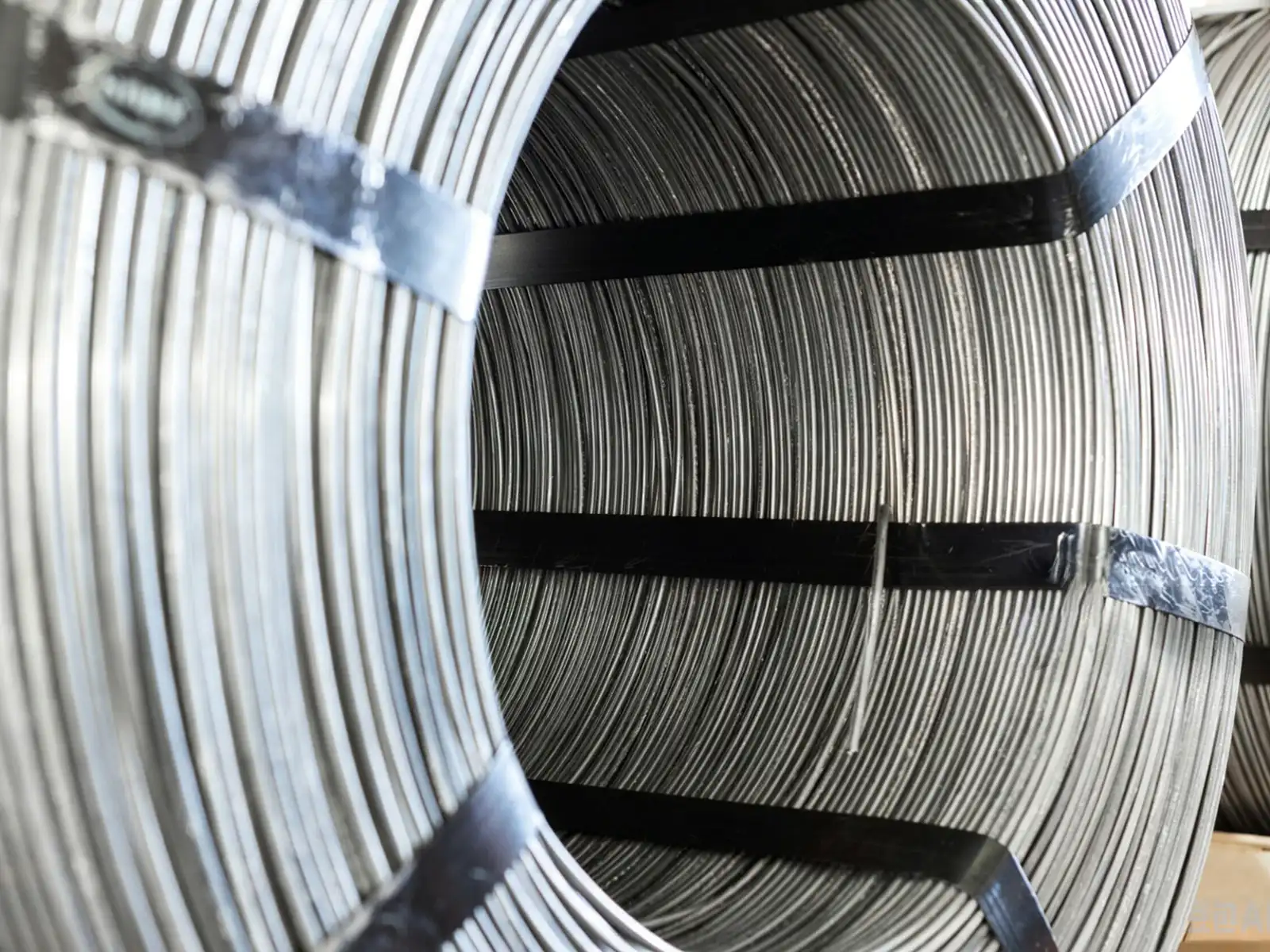
Gr5 Titanium Wire (Ti-6Al-4V per ASTM B863) has become the dominant material for aerospace fasteners, accounting for over 60% of high-strength fastener volume in modern aircraft structures. This dominance stems from the alloy’s unique combination of high tensile strength (up to 1240 MPa in hardened condition), excellent fatigue resistance, superior corrosion resistance, and compatibility with automated high-volume fastener production. As aircraft designers push for lighter structures with longer service lives and reduced maintenance intervals, Gr5 titanium wire fasteners deliver performance advantages that steel and other titanium alloys cannot match.
1. Performance Requirements for Aerospace Fasteners
(1) Strength-to-Weight Imperative
Aerospace fasteners must carry structural loads while contributing minimally to overall airframe weight. Gr5 titanium wire fasteners offer tensile strengths of 1030–1240 MPa (after heat treatment) at a density of 4.43 g/cm³, yielding a specific strength of 230–280 kN·m/kg. This exceeds high-strength steel fasteners (4340 steel at 180 kN·m/kg) by 28–55% and aluminum alloy fasteners (2017-T4 at 85 kN·m/kg) by 170–230%. In an aircraft with 500,000+ fasteners, the cumulative weight savings of 2–3 grams per fastener translates to hundreds of kilograms saved, directly improving fuel efficiency and payload capacity.
(2) Fatigue Resistance and Damage Tolerance
Aircraft structures experience millions of load cycles during service life. Gr5 titanium wire fasteners exhibit fatigue limits of approximately 550–600 MPa (50% of ultimate tensile strength), enabling reliable performance under cyclic loading without premature failure. The material’s high fracture toughness (K₁c ≈ 85 MPa√m) provides damage tolerance, resisting crack propagation from stress concentrators at thread roots and fillet radii.
(3) Corrosion and Galvanic Compatibility
Titanium fasteners eliminate galvanic corrosion concerns when used with carbon fiber reinforced polymer (CFRP) structures, where aluminum and steel fasteners cause severe deterioration. Gr5 titanium wire fasteners maintain corrosion resistance in marine and high-humidity environments, eliminating the need for protective coatings that can interfere with torque-tension relationships and fastener removal for maintenance.
2. Gr5 Titanium Wire Processing for Fastener Manufacturing
(1) Cold Heading and Forming
Gr5 titanium wire in the annealed (M temper) condition is ideal for cold heading operations to form bolt heads, nut threads, and screw profiles. Multi-stage heading with intermediate annealing produces fasteners with grain flow patterns that follow component contours, enhancing fatigue strength. Wire diameters of 1.0–12.0 mm are commonly used for aerospace fastener production, with tight diameter tolerances of ±0.015 mm ensuring consistent thread engagement and clamp load performance.
(2) Heat Treatment and Strength Enhancement
Solution treating at 900–950°C followed by aging at 500–550°C transforms annealed Gr5 wire from ~930 MPa to 1240 MPa ultimate tensile strength. This heat treatment produces a fine alpha-beta microstructure with distributed beta-phase islands that impede dislocation motion while maintaining adequate toughness. Fastener manufacturers control heat treatment atmospheres (vacuum or argon) to prevent alpha-case formation, which would degrade surface fatigue strength.
(3) Surface Treatment and Coating Options
Gr5 titanium fasteners may be treated with conversion coatings (such as anodizing or chromate-free treatments) to prevent galling during installation and improve corrosion resistance in specific environments. Electroless nickel plating provides additional wear resistance for high-cycle bolted joints. All surface treatments must be qualified to ensure no hydrogen embrittlement risk and maintained fatigue performance.
3. Fastener Types and Applications
(1) Bolts and Screws for Primary Structure
Gr5 titanium wire bolts (MS20074, NAS6603 series) join primary structural members including wing spars, fuselage frames, and empennage attachments. High clamp load capacity and resistance to relaxation under vibration ensure joint integrity throughout the aircraft service life. Typical diameters range from M3 to M12, with lengths from 6 mm to 100 mm.
(2) Rivets and Pins
Solid and blind rivets manufactured from Gr5 titanium wire provide permanent fastening for skin panels, fairings, and access doors. Titanium rivets eliminate galvanic corrosion at aluminum-titanium interfaces and reduce structural weight by 30–40% compared to steel rivets. Cotter pins and clevis pins from Gr5 wire secure control surface linkages and landing gear attachments in critical safety-of-flight applications.
(3) Nuts and Locking Devices
Self-locking nuts manufactured from Gr5 titanium wire provide vibration-resistant fastening for engine mounts, accessory drives, and avionics racks. The material’s low thermal expansion coefficient maintains clamp load stability across the -55°C to +200°C temperature range encountered in aircraft service.
4. Economic and Programmatic Advantages
(1) Reduced Maintenance and Inspection Intervals
Gr5 titanium fasteners eliminate corrosion-related inspections and replacements, reducing airline maintenance burden. Aircraft operators report 50% reduction in fastener-related discrepancies on titanium-fastened structures compared to aluminum-fastened equivalents, directly improving aircraft availability and reducing labor costs.
(2) Supply Chain and Standardization
Gr5 titanium wire is produced by multiple qualified suppliers worldwide under ASTM B863 and AMS 4928/4955 specifications, ensuring supply resilience. Standardized fastener series (NAS, MS, BAC) provide interchangeability across aircraft manufacturers and maintenance organizations, simplifying inventory management and reducing program risk.
Conclusion
Gr5 titanium wire dominates the aerospace fastener market because it uniquely satisfies the competing demands of high strength, low weight, fatigue resistance, corrosion immunity, and manufacturability. As next-generation aircraft push toward higher fuel efficiency, longer service intervals, and increased use of composite structures, the role of Gr5 titanium wire fasteners will only expand. Material standardization, qualified supply chains, and proven flight experience provide the confidence needed for continued adoption across commercial and military aviation programs.
FAQ
Q1: Can Gr5 titanium fasteners be used with carbon fiber composite structures?
Yes, Gr5 titanium fasteners are the recommended choice for CFRP structures. Titanium’s electrical potential is closer to carbon fiber than aluminum or steel, minimizing galvanic corrosion risk. Gr5 fasteners are the industry standard for Boeing 787 and Airbus A350 composite airframe assembly.
Q2: What is the maximum service temperature for Gr5 titanium fasteners?
Gr5 titanium fasteners maintain mechanical properties up to 350°C. Above this temperature, prolonged exposure causes alpha-case growth and strength degradation. For temperatures above 350°C, beta titanium alloys or nickel alloy fasteners should be considered.
Q3: How does Gr5 titanium fastener cost compare to steel alternatives?
Gr5 titanium fasteners cost 5–10 times more than high-strength steel fasteners on a per-unit basis. However, when lifecycle costs including weight savings (fuel savings over aircraft lifetime), reduced maintenance, and galvanic corrosion prevention are factored in, the total cost of ownership is often lower for titanium fasteners in critical structural applications.
Contact Titanium Valley
Baoji Titanium Valley Titanium Nickel Zirconium Material Processing Co., Ltd. supplies aerospace-grade Gr5 titanium wire conforming to AMS 4928/4955 and ASTM B863 specifications. We provide fastener-grade wire in diameters 1.0–12.0 mm with EN 10204 3.1 certification. Contact us for material data and quotations:
References
Suresh, S. Causes and Prevention of Fatigue Failure in Aerospace Structures [J]. International Journal of Fatigue, 2020, 130: 105289.
ASM International. Fastener Engineering Manual [M]. ASM International, 2019.
Boeing Company. Material Specification for Titanium Wire, Aerospace Material Specification AMS 4955 [S]. 2021.
ASTM International. ASTM B863-20 Standard Specification for Titanium and Titanium Alloy Wire [S]. 2020.