
What Makes UNS R60702 Zirconium Foil a Core Material for Strong Acid Environments and Precision Manufacturing?
- UNS R60702 Zirconium Foil
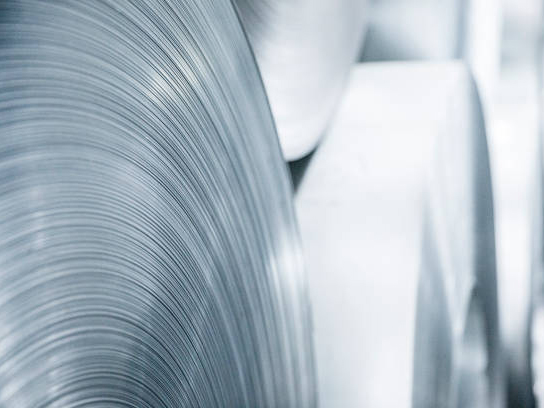
UNS R60702 zirconium foil is commercial pure zirconium foil. It delivers outstanding resistance to strong acid corrosion and long-term service stability. Many high-end industrial sectors rely on this indispensable material. It outperforms titanium alloys and stainless steel in hydrochloric acid, sulfuric acid and mixed acid solutions. Common use cases include chemical anti-corrosion gaskets, electrodes for electrolysis and electroplating, current collectors for new energy batteries, shielding parts for vacuum electronics and corrosion-resistant structural components for aerospace. The material supports ultra-thin rolling down to 0.02 mm, and its maximum width reaches 670 mm. These dimensional strengths meet strict size and performance rules for precision equipment. Its zirconium base purity hits 99.2% minimum, fully matching ASTM B551 standards with hafnium content no higher than 4.5%. The foil also boasts great forming and welding performance. UNS R60702 zirconium foil supplies reliable corrosion protection solutions to high-end manufacturing firms worldwide.
1 Key Uses in Chemical Anti-Corrosion Industries
1.1 Sealing Gaskets and Liners for Strong Acid Working Conditions
Chemical production often runs under harsh acid parameters. The working range covers hydrochloric acid above 10% concentration from room temperature to 150 °C, plus 60% to 90% concentrated sulfuric acid. Concentrated sulfuric acid carries strong oxidizing properties, and zirconium forms an extremely stable passive film in this liquid. Ordinary metal sheets develop pitting holes and lose function within a short time under these conditions. Sealing gaskets made from UNS R60702 zirconium foil withstand long-term soaking in strong acid media below 150 °C. Their service life ranges from 5 years to 8 years. Its ultra-thin thickness from 0.02 mm to 0.5 mm works perfectly for precise sealing at flange joints. Precision thickness tolerance sits between ±0.002 mm and ±0.005 mm. This tight tolerance guarantees full contact between sealing surfaces to meet industrial standards.
1.2 Reactor Inner Liners and Protective Coatings
Synthesis of pharmaceutical intermediates and fine chemical production regularly use mixed acid solutions. A typical example is mixed strong acid made of nitric acid and hydrochloric acid. Zirconium holds far better corrosion resistance than titanium or stainless steel in mixed oxidizing and reducing acids. Factories use UNS R60702 zirconium foil with 0.3 mm to 0.8 mm thickness as reactor inner liners. Workers fix the foil with spot welding or seamless fitting techniques. The original structural strength of the reaction equipment stays intact, and the foil creates a complete anti-corrosion barrier. This solution cuts total equipment costs by 40% to 60% compared to reactors built entirely from zirconium. Maintenance and part replacement also take much less time.
1.3 Corrosion Protection for Pipeline Systems
Chemical transport pipelines face constant contact with corrosive fluids. Local pitting and stress corrosion cracks appear after years of service. Manufacturers use wide-width UNS R60702 zirconium foil (350 mm to 670 mm) as inner liners for pipes. Two fixing methods connect the foil to base metal. Roll bonding works for prefabricated composite plates, while lining plus spot welding fits existing pipe inner walls. The zirconium layer blocks corrosive liquids from touching carbon steel or stainless steel substrates directly. Composite pipes with this lining run safely for more than 10 years in hydrochloric acid delivery systems for chlor-alkali industries.
2 Core Components for Electrolysis and Electroplating Industries
2.1 Anode and Cathode Structures for Electrolytic Cells
Processes such as chlor-alkali electrolysis and non-ferrous metal electrolytic refining set two strict requirements for electrode materials. The electrode must resist heavy corrosion and maintain steady electrochemical performance. UNS R60702 zirconium foil carries a resistivity of roughly 42 μΩ·cm. Its moderate density at 6.51 g/cm³ delivers stable electrical conductivity. Factories roll the foil into ultra-thin electrode sheets from 0.05 mm to 0.2 mm thick. Operators stamp these sheets into corrugated, perforated or grid shapes. These structures expand the effective electrochemical area, balance current density across electrode surfaces and lower polarization loss. Overall electrolysis efficiency rises by 8% to 12%. The annealed foil shows elongation above 20%. This property supports easy stamping of corrugated or grid efficiency-boosting structures.
2.2 Anti-Contamination Coatings for Electroplating Racks
High-end electronic component plating creates gold, silver and palladium coatings. These processes allow zero metal ion contamination inside plating solutions. Titanium sheets easily develop local pitting in plating liquids with high chloride ion content. Corrosion products dissolve into the bath and release heavy metal ions. These impurities ruin the purity of finished metal coatings. Workers wrap UNS R60702 zirconium foil around plating rack surfaces. Zirconium shows chemical inertness against chloride ions with extremely low corrosion rates. This wrap fully stops heavy metal ion leakage and contamination. This method has become a mainstream solution in precision electronics manufacturing.
2.3 Diaphragm Supports for Ion Exchange Membrane Electrolysis
The ion exchange membrane alkali production process demands stable dimensions from diaphragm support materials. The material endures cycles of high-temperature alkaline liquid and chlorine gas. Manufacturers cut R60702 foil from 0.1 mm to 0.3 mm thick into precise perforated sheets. Hole diameters range from 0.5 mm to 2 mm, and the open area ratio hits 30% to 50%. These perforated sheets act as supporting frames for ion exchange membranes. Zirconium melts at 1852 °C, and the foil holds strong resistance to high-temperature creep and stress relaxation. The perforated structure keeps its original shape without hole deformation or edge warping under alternating exposure to 90 °C alkaline liquid and chlorine gas. The steady structure maintains tight contact between ion exchange membranes and extends diaphragm service life to 4–6 years.
Performance Advantages of R60702 Foil in Electrolysis Industry
| Performance Index | UNS R60702 Zirconium Foil | Gr2 Titanium Foil | Nickel 200 Foil |
|---|---|---|---|
| Corrosion Resistance to 10% Boiling Hydrochloric Acid | Extremely Low (<0.005 mm/year) | High (5 ~ 20 mm/year) | Medium (0.5 ~ 2 mm/year) |
| Stability in Chloride Ion Environments | Excellent | Prone to Pitting | Good |
| Resistivity (μΩ·cm) | Approx. 42 | Approx. 54 | Approx. 9.5 |
| High-Temperature Creep Resistance (150 °C) | Excellent | Good | Excellent |
| Relative Material Cost | High | Baseline | Higher |
3 Innovative Applications in New Energy and Battery Industries
3.1 Anti-Corrosion Coatings for Fuel Cell Bipolar Plates
Proton exchange membrane fuel cells (PEMFC) run under acidic conditions with pH values between 2 and 4 and high electric potential. Stainless steel bipolar plates lose performance fast once their passive surface film breaks down. Manufacturers bond ultra-thin R60702 foil (0.02 mm to 0.05 mm) onto bipolar plate surfaces. Diffusion welding or laser welding creates full metallurgical bonding between layers. The contact resistance gain stays below 5 mΩ·cm². Zirconium forms a thin conductive passive film and does not raise interface resistance by large margins. This zirconium coating lifts the anti-corrosion service life of bipolar plates from roughly 3000 hours to more than 8000 hours.
3.2 Anti-Corrosion Protection for Lithium Battery Tabs
Power batteries go through repeated high-temperature cycles and long-term contact with liquid electrolyte. Electrochemical corrosion easily forms at connecting points between copper and aluminum tabs. Factories slip protective sleeves made of 0.03 mm to 0.08 mm R60702 foil over tab root sections. Ultrasonic welding locks the sleeve firmly in place. The zirconium barrier blocks electrolyte contact and corrosion. This design fits high-nickel ternary batteries and solid-state battery systems perfectly.
3.3 Substrate Materials for Electrolytic Hydrogen Production Electrodes
Alkaline water electrolysis technology expands rapidly and sets higher standards for electrode base materials. Factories use R60702 foil as electrode substrates. Workers create porous textures on foil surfaces and load catalytic materials onto these pores. The finished electrode runs stably for more than 20000 hours inside 30% potassium hydroxide solution at 80 °C. Zirconium-based electrodes deliver better stability than nickel substrates under high current density above 500 mA/cm². Their passive film resists breakdown easily, and hydrogen evolution overpotential stays low to cut overall power consumption.
Application Specifications of R60702 Foil for New Energy Fields
| Application Scenario | Thickness Range (mm) | Width Range (mm) | Surface Treatment | Core Performance Requirements |
|---|---|---|---|---|
| Coating for Fuel Cell Bipolar Plates | 0.02 ~ 0.05 | 100 ~ 300 | Ultrasonic Cleaning + Annealing | Low Contact Resistance, Strong Acid Resistance |
| Protection for Lithium Battery Tabs | 0.03 ~ 0.08 | 15 ~ 50 | Alkali Washing + Passivation | Strong Ultrasonic Weldability, Chemical Stability |
| Substrate for Water Electrolysis Electrodes | 0.1 ~ 0.3 | 200 ~ 500 | Porous Surface Treatment | High Specific Surface Area, Strong Catalytic Activity |
| Current Collectors for Solid-State Batteries | 0.05 ~ 0.15 | 300 ~ 600 | High-Cleanliness Finishing | Non-Magnetic, Low Metal Ion Precipitation |
Note: Precision thickness tolerances available with customized orders from customers
4 Special Demands from Aerospace and High-End Equipment
4.1 Anti-Corrosion Sealing Parts for Aero Engines
Aero engines operate in marine service environments. Gas turbine components face long-term exposure to high-temperature salt mist and corrosive combustion residues. Engineers select R60702 foil from 0.1 mm to 0.5 mm thick to produce sealing gaskets for critical engine sections. Zirconium maintains excellent combined resistance to salt mist and combustion waste corrosion at temperatures below 500 °C. Maintenance teams match these gaskets with titanium alloy or superalloy bolt assemblies. This sealing solution extends engine overhaul intervals.
4.2 Anti-Corrosion Components for Satellite Attitude Control Systems
Satellite propulsion systems use hydrazine-based propellants. These chemicals create heavy corrosion risks to most metal types. Manufacturers build valve sealing surfaces and propellant tank inner liners for attitude control engines from R60702 foil. Pure zirconium acts as a paramagnetic material with relative magnetic permeability close to 1 (μ < 1.01). It counts as low-magnetic or non-magnetic material. The foil does not create signal interference for magnetic torque rods, ion beams and precision magnetic sensors. This property guarantees reliable long-term operation of propulsion systems while satellites stay in orbit.
4.3 Pressure Chamber Seals for Deep-Sea Exploration Equipment
Deep-sea environments over 6000 meters depth deliver high-pressure seawater filled with dissolved oxygen and chloride ions. These harsh conditions place heavy pressure on equipment sealing systems. Deep submersible pressure hatch covers adopt multi-layer composite sealing structures. Designers add a 0.2 mm to 0.5 mm R60702 foil layer as an anti-corrosion isolation sheet inside these structures. Engineers combine this zirconium barrier with rubber sealing rings to greatly lift overall sealing reliability.
5 Ultra-Clean Applications for Vacuum Electronics and Precision Instruments
5.1 Inner Liners for Vacuum Chambers in Semiconductor Manufacturing
Etching and deposition steps for integrated circuit production run inside sealed vacuum chambers. Tiny metal impurity releases from chamber wall materials contaminate silicon wafers and lower finished product yield rates. Factories heat-treat R60702 foil at 650 °C to 750 °C under high vacuum conditions (vacuum level < 10⁻⁶ Pa). This annealing process fully removes water vapor and hydrocarbon compounds trapped on foil surfaces and shallow surface layers. The treated foil meets strict low outgassing and low metal release standards for semiconductors and high-vacuum equipment. Engineers line vacuum chamber walls with 0.3 mm to 1.0 mm thick R60702 foil. The zirconium surface stays clean for years under plasma bombardment and corrosive process gas exposure.
5.2 Ion Source Shielding Parts for Mass Spectrometers
High-resolution mass spectrometers carry extreme sensitivity to stray magnetic fields and ion contamination. Production teams fabricate ion source shielding covers from 0.1 mm to 0.3 mm thick R60702 foil. Pure zirconium is paramagnetic with relative magnetic permeability near 1. The non-magnetic property eliminates distortion to ion beam paths and signals from precision magnetic sensors. The foil does not release secondary pollutants under high vacuum and trace corrosive sample vapor conditions. This clean performance raises overall testing sensitivity of mass spectrometer devices.
5.3 Protective Structures for Electron Beam Welding Equipment
Electron beam welding processes run inside vacuum or inert gas sealed spaces. Internal metal parts of welding machines withstand sputtering from high-energy electron beams and corrosive welding fumes. Equipment builders install R60702 foil as protective baffles and chamber liners. Zirconium melts at 1852 °C and produces very low sputtering rates under electron beam impact. These traits secure stable long-term machine operation during continuous high-power welding runs.
Technical Parameters of R60702 Foil for Precision Instruments
| Technical Index | Typical Requirement | Typical Value of R60702 | Testing Conditions |
|---|---|---|---|
| Surface Outgassing Rate | Extremely Low | <1×10⁻¹¹ Pa·m³/s | Vacuum Level 10⁻⁶ Pa, 25 °C |
| Relative Magnetic Permeability μ | < 1.02 | ≈ 1.008 | Room Temperature |
| Metal Ion Precipitation | Extremely Low | < 0.5 ppb | Boiling Deionized Water, 24 Hours Soaking |
| Neutron Absorption Cross Section | < 0.5 barn | 0.18 barn | Thermal Neutron Environment |
| High-Temperature Oxidation Weight Gain | Low | < 0.5 mg/cm² | 500 °C Air Atmosphere, 1000 Hours Exposure |
Conclusion
UNS R60702 zirconium foil brings unmatched strong acid corrosion resistance, ultra-thin precision rolling capacity and multi-functional performance to industrial users. It stands as an irreplaceable core material across chemical anti-corrosion, electrolysis electroplating, new energy batteries, aerospace and precision instrument sectors. Global manufacturing industries shift steadily toward high-precision and high-end production standards. The usable range of this high-performance zirconium foil keeps expanding. It delivers dependable material solutions to solve component failure problems under extreme working conditions.
FAQ
1 How large is the corrosion resistance gap between UNS R60702 zirconium foil and titanium foil inside hydrochloric acid?
Gr2 titanium foil shows high corrosion rates (several millimeters per year) inside 10% room-temperature hydrochloric acid and fails quickly. R60702 zirconium foil carries an extremely low corrosion rate below 0.005 mm per year. Its service life reaches hundreds to thousands of times longer than titanium. The foil fits critical equipment sections that demand steady multi-year operation.
2 How much forming deformation can ultra-thin 0.02 mm R60702 foil withstand?
Annealed R60702 foil holds elongation above 20% and tensile strength from 290 MPa to 380 MPa. Operators bend the foil over 90 degrees and stamp complex shaped structures freely. Precision rolling processes control thickness tolerance within ultra-tight precision grades to maintain dimensional accuracy after forming work.
3 What steps secure long-term electrochemical stability of R60702 foil for electrolysis uses?
Vacuum annealing creates uniform grain structures inside the foil. Ultrasonic cleaning plus alkaline washing treatment delivers ultra-clean surface standards. The stable passive film stays intact under high current density operation. Electrochemical performance only drops by tiny margins after years of continuous service. The material fully meets long-cycle industrial production demands.
Searching for a Trusted Supplier of UNS R60702 Zirconium Foil?
Baoji Titanium Valley Titanium Nickel Zirconium Material Processing Co., Ltd. works as a professional zirconium foil manufacturer. The firm runs dedicated production lines for ultra-thin wide foil with an annual output of 3000 tons. Custom orders cover all thickness sizes from 0.02 mm to 1.0 mm. Our UNS R60702 zirconium foil fully complies with ASTM B551 standards, supported by a complete quality traceability system. Contact our sales team via email: sales@titaniumvalleys.com
References
- Li Delin, Wang Yucheng. Research on Zirconium and Zirconium Alloys for Chemical Anti-Corrosion Applications[J]. Corrosion Science and Protection Technology, 2019, 31(4): 412 ~ 418.
- Zhang Hua, Liu Zhiqiang. Precision Rolling Technology and Quality Control for Ultra-Thin Metal Foils[J]. Nonferrous Metals Processing, 2020, 49(3): 22 ~ 27.
- Chen Weidong, Zhao Xiaodong. Progress of Surface Modification Technology for Metallic Bipolar Plates of Fuel Cells[J]. Power Source Technology, 2021, 45(8): 1092 ~ 1096.
- ASTM International. ASTM B551/B551M-21: Standard Specification for Zirconium and Zirconium Alloy Strip, Sheet, and Plate[S]. West Conshohocken: ASTM International, 2021.
- China Nonferrous Metals Industry Association. Compilation of Standards for Zirconium and Zirconium Alloy Wrought Products[M]. Beijing: China Standards Press, 2020.