
What Full Decision-Making Framework Covers Gr4 Titanium Foil Selection from Material Properties to End Uses?
- Gr4 Titanium Foil
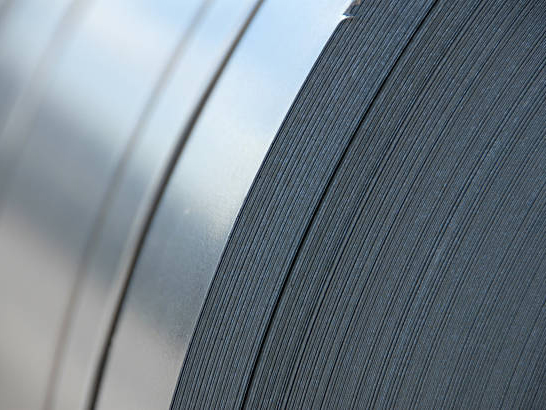
High-end manufacturing sectors include aerospace, medical devices, chemical equipment and new energy. The right titanium foil material directly shapes product performance and service life. Gr4 titanium foil holds the highest strength level among commercially pure titanium grades. Its strong load capacity, great corrosion resistance and light weight make it the top pick for high-strength working conditions. Many kinds of titanium foil fill the market. How can factories select suitable Gr4 titanium foil to match actual production demands? Buyers need to judge multiple factors all at once. These factors cover material strength, thickness precision, surface quality, supplier production skills and matching levels with target applications. Proper material selection keeps product performance within standard ranges. It also cuts total costs, extends equipment service life and lowers safety risks caused by material failure.
1 Learn Core Performance Features of Gr4 Titanium Foil
1.1 Strength Grades and Mechanical Properties
Gr4 titanium foil delivers minimum tensile strength of 550 MPa and yield strength between 480 MPa and 665 MPa. It sits at the top strength tier of all commercially pure titanium products. Gr4 shows obvious strength advantages against Gr1 and Gr2 titanium foil. It bears much higher structural loads. This outstanding strength comes from fine grain structures formed through precise cold rolling and optimized annealing processes. Its minimum elongation rate hits 15%. This value sits slightly lower than lower-grade pure titanium, yet it still supports basic forming work such as stamping and bending. Gr4 titanium foil displays great fatigue resistance and stable structural performance under heavy loads, long-term force exposure or repeated fatigue cycles.
1.2 Corrosion Resistance Analysis
Gr4 titanium foil contains slightly higher oxygen (max 0.30%) and iron (max 0.20%) content than Gr1 and Gr2 grades. It still retains the excellent anti-corrosion traits of pure titanium. Gr4 foil quickly grows a stable oxide passive film on its surface inside seawater, salt mist, acid-base liquids and chloride-rich environments. This film blocks corrosive media from touching the base metal. This dual advantage of high strength plus reliable corrosion resistance makes Gr4 fit mixed working conditions. These scenarios require the material to carry mechanical loads and fight chemical erosion at the same time, such as chemical equipment parts, marine engineering components and anode foil for electrolytic cells. Gr4 pure titanium works well in oxidizing acids, seawater, salt mist, chloride solutions and neutral liquids. It cannot serve in several forbidden environments: highly concentrated sulfuric acid, hot wet chlorine gas, reducing acids and high-pressure pure hydrogen. Buyers must avoid mismatched working conditions.
1.3 Physical Traits and Application Advantages
Gr4 titanium foil carries a density of 4.50 g/cm³, about 60% the weight of steel. It cuts component weight drastically while maintaining high structural strength. This trait brings huge value to aerospace parts and portable devices. Its melting point reaches roughly 1668 °C. The foil runs stably for long periods under temperatures no higher than 260 °C. It can withstand short-term exposure up to 300 °C, but it cannot support continuous production above 300 °C. Its non-magnetic property suits precision instruments and medical imaging machines that stay sensitive to magnetic fields. The material also conducts electricity well, so factories use it as current collectors for new energy batteries, hydrogen cell separators and electrode base materials.
2 Clarify Application Scenarios and Required Material Performance
2.1 High-Strength Structural Applications
Aerospace manufacturing needs lightweight yet strong honeycomb core materials, sealing gaskets and thin-wall structural parts. Gr4 titanium foil’s high specific strength (strength divided by density) reduces aircraft weight without losing structural rigidity. Deep-sea engineering produces load-bearing parts such as pressure sensor housings and underwater equipment support frames. These components need materials to resist plastic deformation under high water pressure. Gr4’s high yield strength fully meets these standards. Non-implant precision medical device accessories and anti-corrosion outer shells for medical equipment also need solid load capacity and corrosion resistance. Gr4 titanium foil becomes the primary choice for these products thanks to its high strength and stable mechanical properties. Medical implant projects such as orthopedic bone plates and dental implants prioritize medical-grade Gr2 pure titanium foil.
2.2 Mixed Working Conditions with Both Corrosion and Load Demands
Large anode foil and anti-corrosion inner liners for chemical electrolytic cells face two major challenges. They resist long-term erosion from strong acids and strong alkalis, and they stand mechanical stress generated during electrolysis processes. Wide membrane modules for seawater desalination systems and electrodes for marine sensors stay submerged in heavy salt mist for years. These parts also bear water pressure and vibration loads. High-strength load-bearing separators and anti-corrosion support frames inside hydrogen production equipment for power systems need strong oxidation resistance, fatigue resistance and mechanical strength all together. Gr4 titanium foil shows clear advantages for all these mixed load-and-corrosion environments. Manufacturers pick high-purity Gr2 titanium foil for forming ultra-thin fuel cell bipolar plates. Gr4 foil lacks enough ductility for this forming process.
2.3 Demands for Precision Machining and Multi-Functional Integration
Flexible shielding sheets and ultra-thin heat dissipation structures in the electronics industry demand tight thickness tolerance, flat uniform surfaces and zero color difference. Current collectors and tab systems for new energy batteries need steady electrical conductivity, reliable welding performance and consistent quality across production batches. Mirror base layers for optical instruments and outer shells for precision equipment set strict limits on surface cleanliness and micro roughness. Suppliers must master advanced production techniques to mass-produce high-performance Gr4 titanium foil steadily. These key processes include precision rolling, ultrasonic cleaning and continuous annealing.
3 Evaluate Supplier Production Capacity and Quality Management Systems
3.1 Production Equipment and Process Standards
Suppliers need precision rolling mills such as 20-high rolling mills. These machines deliver stable thinning for ultra-thin sheets and precise shape control. This equipment directly decides thickness accuracy and surface quality of finished foil. Continuous annealing lines must hold precise temperature control. This setup creates uniform annealed grain structures and stable mechanical performance. High-precision leveling lines remove residual stress effectively and improve flatness. Ultrasonic cleaning lines meet strict cleanliness rules for high-end precision processing. Slitting machines control width tolerance within acceptable ranges. Polishing lines raise surface uniformity and boost adhesion strength for surface coatings.
3.2 Core Technology Research and Development Capacity
Qualified suppliers solve core technical barriers for wide ultra-thin titanium foil production. These challenges include springback control, consistent plate shape and uniform mechanical performance across batches. Their thickness control capacity should reach precision levels from ±0.002 mm to ±0.005 mm. They must enforce strict surface color difference control to keep uniform surface appearance. Optimized leveling tension delivers excellent sheet flatness. Stable annealing technology limits mechanical performance fluctuation between different batches. High-precision slitting technology lifts material yield rates and reduces edge cracks and burrs. All these accumulated technical skills decide whether a supplier can deliver stable shipments of ultra-thin or wide-format foil products.
3.3 Quality Certifications and Compliance with Industry Standards
Gr4 titanium foil must fully follow international standards ASTM B265 and JIS H4600. Suppliers provide material test reports for every production batch. These reports cover chemical composition, mechanical performance and microscopic structure data, alongside third-party inspection certificates. Suppliers need ISO 9001 quality management system certification. Aerospace applications require extra AS9100 certification, while medical device projects demand ISO 13485 compliance. Production lines carry full-process online inspection systems. These systems run thickness measurement, surface defect scanning and random mechanical performance tests. Large-scale production capacity guarantees steady delivery cycles and consistent batch quality for bulk orders. Gr4 titanium foil holds slightly higher impurity levels compared with Gr2 foil. Production teams must strictly manage annealing temperature, rolling reduction rates and vacuum levels. These tight controls keep mechanical performance fluctuation within acceptable ranges and support continuous mass production for high-end products.
4 Select Suitable Thickness Specifications and Surface Finishes
4.1 Rules for Picking Thickness Specifications
Matching Guide Between Application Fields and Recommended Thickness
| Application Field | Recommended Thickness Range | Reasons for This Selection |
|---|---|---|
| Aerospace Honeycomb Core Materials | 0.02 ~ 0.05 mm | Ultra-thin structure cuts weight while retaining structural rigidity |
| Anode Foil for Chemical Electrolytic Cells | 0.08 ~ 0.30 mm | Balanced corrosion resistance and mechanical strength |
| Base Material for Non-Implant Precision Medical Devices | 0.10 ~ 0.50 mm | Matches forming requirements and basic biocompatibility |
| Current Collectors / Hydrogen Cell Separators for New Energy Devices | 0.02 ~ 0.10 mm | Lowers internal resistance and raises overall energy density |
| Structural Parts for Marine Engineering | 0.30 ~ 1.00 mm | High strength for heavy loads and reliable fatigue resistance |
| Outer Shells for Precision Instruments | 0.05 ~ 0.20 mm | Light weight and strong capacity for precision forming |
Ultra-thin foil from 0.02 mm to 0.10 mm carries extremely strict standards for rolling flatness, residual stress and surface cleanliness. It only fits lightweight, conductive or shielding applications and cannot support heavy mechanical loads. Thick foil versions prioritize structural strength and fatigue resistance. Buyers avoid over-specification to cut unnecessary material costs. Teams balance forming difficulty, total costs and performance margins during material selection to prevent over-engineered designs.
4.2 Width Options and Delivery Forms
Standard widths between 15 mm and 680 mm satisfy most production requirements. Wide-format electrolytic cells for chemical factories and large honeycomb panels for aerospace manufacturing need extra-wide foil sizes. Precise slitting accuracy guarantees smooth follow-up precision machining. Three common delivery forms exist for customers. Coils work for continuous production lines, strips suit fixed-length stamping jobs and cut sheets reduce waste from cutting operations. Buyers choose delivery forms based on their own production workflow. Standard coil inner diameters range from 300 mm to 500 mm, with outer diameters no larger than 1200 mm. Customers confirm available coil sizes with suppliers before placing orders.
4.3 Surface Finishes and Delivery States
Comparison of Different Surface Finishes
| Surface Type | Core Features | Suitable Application Scenarios |
|---|---|---|
| Bright Finish | High light reflectivity, surface roughness Ra ≤ 0.4 μm, great performance for precision welding and conductive joints | Electronic shielding parts, optical mirror substrates, decorative components |
| Matte Finish | Diffuse light reflection, uniform surface texture, stronger coating adhesion than bright finish | Chemical equipment inner liners, welding base sheets, pre-treatment before coating work |
| Polished Finish | Consistent surface texture, powerful coating adhesion, supports later functional surface treatments | Laminated composite materials, functional coating layers, bonding assembly parts |
Two standard delivery states exist: annealed (M) and cold-worked (Y). Annealed foil delivers strong ductility and low residual stress. It fits ultra-thin stamping, complex bending and precision forming tasks. Cold-worked foil gains higher strength and hardness yet loses forming capacity. It only works for static load-bearing and anti-fatigue structures and cannot support complex forming processes. Buyers balance required strength levels and follow-up machining difficulty when choosing delivery states. Ultra-clean surface finishes become critical for high-end electronics and medical device manufacturing.
5 Evaluate Overall Cost Efficiency and Supply Chain Stability
5.1 Cost-Performance Analysis
Gr4 titanium foil ranks as the strongest grade of commercially pure titanium. It outperforms Gr1 and Gr2 pure titanium by a wide margin. Buyers cannot compare its strength levels to titanium alloy materials directly. Manufacturers do not add expensive aluminum or vanadium alloy elements during production, so Gr4 costs much less than titanium alloys. Stainless steel and nickel-based alloys carry lower unit prices, yet their density sits nearly 40% higher than titanium. Factories create larger component areas with the same weight of Gr4 foil or cut product weight sharply, which brings clear overall cost advantages. Gr4 foil lasts three to five times longer than stainless steel in heavily corrosive environments. This long service life slashes regular maintenance and part replacement costs. For aerospace projects, fuel savings from lightweight components far offset extra material purchase expenses.
5.2 Custom Production Service Capacity
Qualified suppliers deliver full one-stop custom processing services covering raw material processing to finished foil. Available custom services include special thickness rolling, non-standard width slitting, functional surface treatment, precise control of dimensions and flatness, and fixed-length cutting. Original equipment manufacturer custom services meet unique specification demands from high-end clients. These custom needs cover targeted mechanical performance ranges, specific surface roughness levels and specialized packaging and shipping plans. Fast technical response and small-batch trial production services play key roles during new product research and process validation phases.
5.3 Guarantees for Stable Supply Chains
Supplier Evaluation Checklist
| Evaluation Dimension | Key Assessment Indicators | Minimum Acceptable Standards |
|---|---|---|
| Annual Production Output | Total Annual Capacity | ≥ 1000 tons; production lines of 3000 tons bring better scale advantages |
| Delivery Lead Time | Standard Order Lead Time | ≤ 30 days |
| Raw Material Inventory | Stock of Common Standard Sizes | Covers 80% of regular customer demands |
| Production Quality Stability | Batch Qualification Rate | ≥ 99.5% |
| Technical After-Sales Support | Technical Response Speed | ≤ 24 hours |
| Official Qualification Certifications | International Quality Standards | ISO 9001 or AS9100 certification |
Large-scale production lines secure steady product supply and competitive pricing. Suppliers with long-term raw material purchase contracts better resist market price fluctuations. Complete after-sales service systems lower customer usage risks significantly. These services include professional technical consulting, performance testing support and fast resolution processes for quality disputes.
Conclusion
Proper Gr4 titanium foil selection relies on systematic assessment of four core factors: material performance, target application scenarios, supplier production capacity and overall project costs. Buyers first confirm required strength levels and corrosive environment features, then pick matching foil thickness and surface finish. Next teams inspect suppliers’ production technology and internal quality systems. Finally customers judge overall cost performance and supply chain reliability. Careful material selection lifts finished product performance, extends component service life and controls total manufacturing costs. Gr4 titanium foil delivers trustworthy material solutions for all types of high-end manufacturing projects.
FAQ
1 How to choose between Gr4 titanium foil and Gr2 titanium foil for actual production projects?
Gr4 titanium foil carries minimum tensile strength of 550 MPa, much higher than Gr2’s minimum 345 MPa tensile strength. It suits structural parts under heavy loads, high pressure or long-term fatigue cycles. Gr2 titanium foil offers better ductility with minimum elongation of 20%. It fits complex forming work and deep stamping operations. Clear selection boundaries separate the two grades. Buyers prioritize Gr2 foil for human body implants, fuel cell bipolar plate forming and ultra-precision stamping tasks. Teams choose Gr4 foil for heavy loads, frequent fatigue cycles and mixed environments with both corrosion and mechanical stress. Gr4 becomes the top pick if a project needs both high strength and powerful anti-corrosion performance. Gr2 delivers better economic value when production only needs general strength and strong forming capacity.
2 What key points require attention during precision machining of ultra-thin Gr4 titanium foil?
Ultra-thin titanium foil enforces strict rules for flatness and residual stress control. Customers select suppliers equipped with high-precision leveling lines and stable annealing processes. Machinists set larger bending allowance values for Gr4 foil compared with Gr2 foil to avoid cracking caused by insufficient ductility during bending work. Operators avoid extremely small bending radii and rapid stretching during processing. These operations create concentrated local stress and trigger surface cracks. Production teams maintain strict surface cleanliness standards to stop surface impurities from ruining welding quality and electrical conductivity. Proper storage and shipping methods block moisture and surface oxidation, which protects surface quality for smooth precision machining.
3 How can buyers verify genuine Gr4 titanium foil material and confirm its performance meets standard requirements?
Customers request complete material test reports for every production batch from suppliers. These reports list chemical composition analysis data (minimum titanium content 99.10%, iron no higher than 0.20%, oxygen no higher than 0.30%) and mechanical test results including tensile strength, yield strength and elongation rate. Buyers hire third-party testing labs to run spectrum composition analysis and tensile tests for independent verification. Customers cross-check whether the foil fully complies with ASTM B265 or relevant international standards. They also review the supplier’s quality management certifications and full production traceability systems.
Get Professional Material Selection Support Right Now
Baoji Titanium Valley Titanium Nickel Zirconium Material Processing Co., Ltd. works as a professional manufacturer and supplier of Gr4 titanium foil. Our factory runs advanced production lines with a yearly output of 3000 tons and a complete internal quality control system. We produce customized high-precision Gr4 titanium foil with thickness ranges from 0.02 mm to 1.0 mm and width ranges from 15 mm to 680 mm. Reach out to our team for technical consulting or free sample testing: sales@titaniumvalleys.com
References
- Li Jianguo, Wang Xiaodong. Properties and Applications of Commercially Pure Titanium Materials[M]. Beijing: Metallurgical Industry Press, 2021.
- Zhang Minghua, Liu Qiang. Precision Machining Technology and Process Optimization of Titanium Alloys[M]. Beijing: National Defense Industry Press, 2019.
- China Nonferrous Metals Industry Association. Compilation of Standards for Titanium and Titanium Alloy Wrought Products[M]. Beijing: China Standards Press, 2020.
- Zhao Yongqing, Qu Henglei. Handbook of Titanium Alloy Materials[M]. Beijing: Chemical Industry Press, 2019.
- ASTM International. ASTM B265 – 20: Standard Specification for Titanium and Titanium Alloy Strip, Sheet, and Plate[S]. West Conshohocken: ASTM International, 2020.