
Can Gr1 Titanium Foil Be Used in the Textile Industry
- Gr1 Titanium Foil
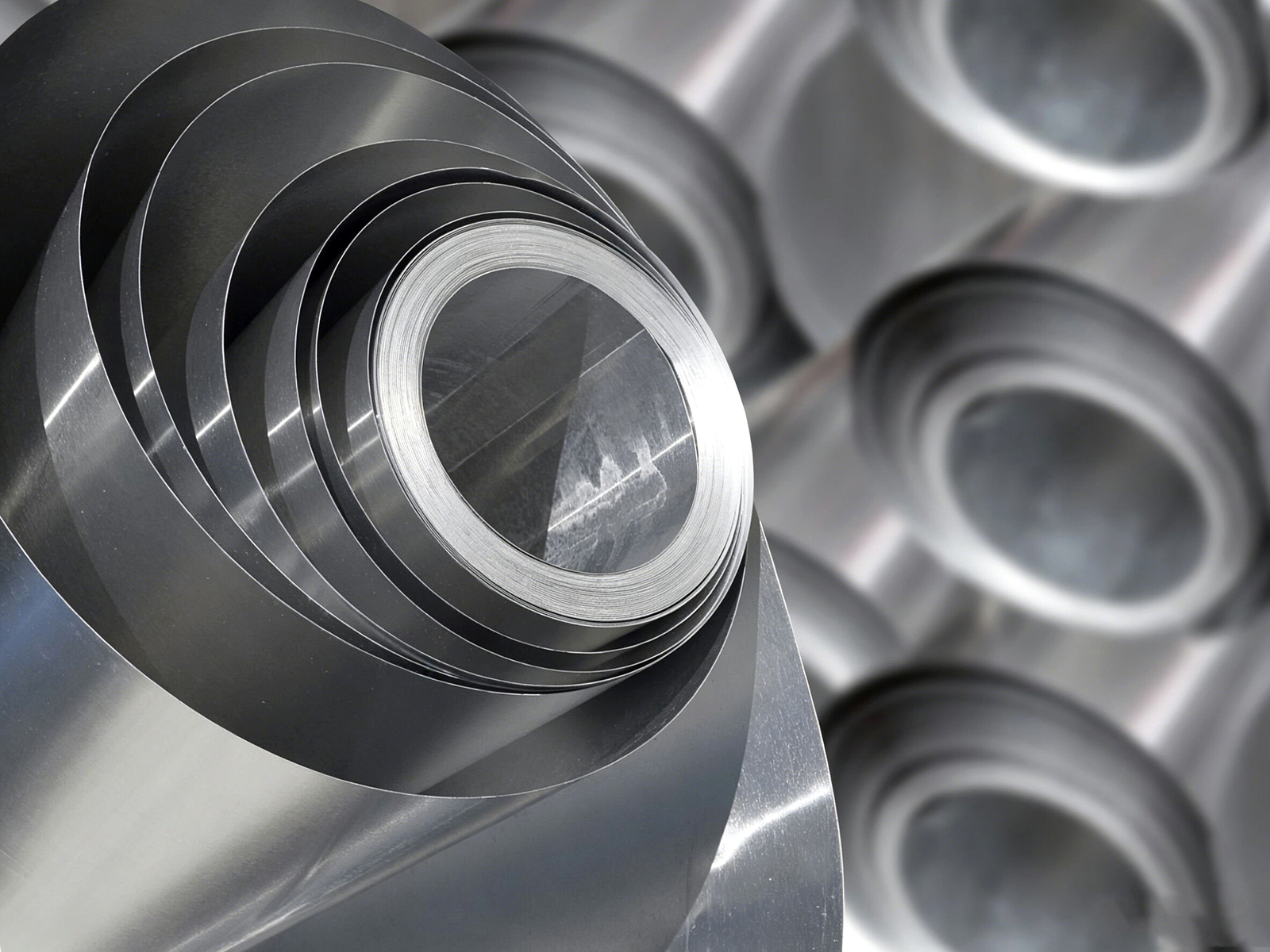
Gr1 Titanium Foil can indeed be used in the textile industry, but it is a functional material in specific scenarios. With a high purity of ?99.5%, excellent corrosion resistance and light weight (density only 4.51 g/cm?), this ultra-thin metal foil shows unique value in conductive fibers, smart fabrics, protective coatings and special industrial fabrics. Currently, Gr1 Titanium Foil with a thickness of 0.02~0.3 mm has achieved stable mass production. However, its application is not generally suitable for conventional clothing manufacturing, but is concentrated in high value-added fields such as electromagnetic shielding fabrics, medical protective materials, and corrosion-resistant industrial filter cloths.
1. The feasibility basis of pure titanium foil in the textile field
(1) Suitability of material properties and textile processing
The core advantage of industrially pure titanium foil (annealed state) is its combination of metallic strength and flexibility. The actual tensile strength is usually 240~300 MPa, and the elongation is ?30% (annealed state), which ensures that the material is not easy to break during weaving, lamination, etc., and can withstand a certain degree of bending deformation. This combination of properties is critical for textile applications that require machining ? whether slitting into microfine foil strips, as a coated substrate? or as a coated substrate laminated to fabrics, titanium foil offers a stable operating window.
The flexibility advantage brought by ultra-thin specifications is also critical. Ultra-thin titanium foil in the thickness range of 0.02~0.1 mm can achieve softness similar to plastic film and can be laminated with traditional textile materials. Compared with titanium foil plates with a thickness of more than 0.5 mm, ultra-thin specifications are easier to bond with fabrics through adhesives, avoiding the problem of stiff fabric feel caused by excessive rigidity.
(2) Surface treatment supports textile applications
The surface tension of titanium foil after ultrasonic cleaning and alkali treatment is stable at 44 mN/m. This characteristic directly affects the adhesion ability to textile materials. Improved surface cleanliness enables coating, printing or gluing processes to achieve higher bond strength. The continuous argon annealing process (temperature control accuracy ?5?C) ensures the uniformity of the material structure and avoids the risk of post-processing cracking caused by uneven internal stress.
(3) Specification suitability assessment
The currently standard width of 350~670 mm can meet the width requirements of industrial fabrics. The currently standard width of 350~670 mm can meet the width requirements of industrial fabrics. Some advanced manufacturers can even produce extra wide products of more than 1000 mm.. Compared with traditional stainless steel foil or copper foil, wide-width titanium foil has a significant advantage in weight – the density is only 57% of steel, which is especially important for protective clothing or aviation interior fabrics that need to be lightweight. The roll material supply format facilitates continuous processing by textile enterprises and avoids quality fluctuations caused by frequent docking.
2. Typical application scenarios of titanium foil in the textile industry
(1) The core role of electromagnetic shielding fabrics
The demand for electromagnetic shielding materials in the electronic equipment manufacturing and precision instrument industries has promoted the application of titanium foil in functional fabrics. By laminating pure Gr1 Titanium Foil with a thickness of 0.02~0.05 mm and polyester or aramid fibers, a composite fabric with both flexibility and shielding efficiency can be prepared. The resistivity of titanium is 42 ???cm. Although it is not as good as copper or aluminum, its non-magnetic characteristics avoid magnetic field interference, which is irreplaceable in the protection of precision electronic equipment.
The use of wide-width titanium foil rolls reduces splicing seams and directly improves the continuity of large-area shielding materials. The contact resistance problem of traditional metal fiber braid has been significantly improved after laminating the entire titanium foil, and the signal leakage rate can be reduced by 30~50%.
(2) Function enhancement of medical and protective textiles
Biocompatibility makes titanium foil an ideal component for medical textiles. Compared with silver ion coating, titanium dioxide or modification treatment will gradually lose effectiveness. The chemical stability of titanium ensures the long-term maintenance of the protective effect.
The corrosion resistance requirements of work clothes in the chemical industry can also be achieved through titanium foil lining technology. Facing the acid-base vapor environment, 0.05~0.1 mm titanium foil is compounded with flame-retardant fabrics, which not only retains the breathability and flexibility of the fabric, but also establishes an effective chemical barrier. This type of protective material has been used in special labor protection clothing in the petrochemical and electroplating industries.
(3) Smart fabrics and conductive applications
The demand for flexible electrode materials in the new energy field has led to the application of titanium foil in flexible fabric batteries. 0.02 mm titanium foil can be used as a current collector and combined with textile substrates to build a wearable energy system. Its ductility allows the fabric to maintain electrical properties under bending and stretching, while its density of 4.51 g/cm? ensures that the overall weight is controllable.
Conductive heating fabrics are another growth area. Using laser cutting technology to process titanium foil into a grid-like pattern, and then compounding it with carbon fiber cloth, a heated fabric with fast response speed and uniform temperature distribution can be produced. Compared with traditional resistance wires, titanium foil heating elements have better fatigue resistance and are suitable for repeated use scenarios of outdoor equipment and medical therapy products.
3. Technical advantages of pure titanium foil used in textiles
(1) Ultra-thin and wide-width stable production capacity
The thickness tolerance achieved by using a 750 mm twenty-roll finishing mill reaches ?0.001 mm. This precision control directly affects the thickness uniformity of the composite fabric. The traditional rolling process is difficult to maintain a stable plate shape in the ultra-thin range of 0.02~0.1 mm, and problems such as edge warping or middle denting often occur. Through multi-pass rolling and optimized tension distribution, the thickness fluctuation of the entire roll can be kept within ? 0.001 mm (that is, the total fluctuation is less than $0.002 mm), meeting the strict requirements for material consistency of automated lamination equipment.
The breakthrough in wide-width capabilities solves the splicing pain points in the textile industry. The width of 670 mm (Note: There are products with widths of more than 1000 mm in actual industrial production, and the data in this paragraph only represent common specifications) allows a single material to cover the width of standard industrial fabrics, eliminating the weakening of strength and appearance defects caused by longitudinal seams. Compared with the generally 400~500 mm width limit of imported products, domestic wide-width titanium foil has established competitive advantages in both cost and delivery time.
(2) Surface cleanliness and post-processing compatibility
The 90% automated production line is equipped with a continuous cleaning and annealing system to ensure that there are no oil stains, scratches or oxide film residues on the surface of the titanium foil. The surface roughness is controlled within the range of Ra 0.2~0.4 ?m, which not only ensures good infiltration with the adhesive, but also avoids fiber snagging caused by excessive roughness. This surface state allows the titanium foil to go directly into the coating, printing or hot pressing process without additional pre-treatment.
Compatibility with a variety of composite processes is an important advantage. Whether it is hot melt adhesive film lamination, polyurethane coating or epoxy resin impregnation, titanium foil can form a stable bonding interface. The temperature resistance supports conventional thermal processing temperatures of 180~220?C, and there will be no oxidative discoloration or performance degradation. This process tolerance reduces the difficulty of process debugging for textile enterprises.
(3) Batch stability and quality traceability
The whole-process testing system covers the three dimensions of chemical composition, mechanical properties, and surface quality. Each roll of titanium foil comes with a material certificate and mechanical performance test report. The inter-batch fluctuations of key parameters such as tensile strength and elongation are controlled within ?3%. This consistency is critical for consistent textile performance?batch differences can cause fluctuations in composite peel strength, affecting the reliability of the final product.
The established product coding traceability system can completely record the raw material source, rolling parameters and annealing curve of each batch of titanium foil. When textile customers need to perform failure analysis or process optimization, they can quickly retrieve historical data and locate problem links. This quality management capability shortens the new product development cycle and improves cooperation efficiency.
4. Application limitations and cost-benefit analysis
(1) Market barriers brought about by price sensitivity
The price of Gr1 Titanium Foil is significantly higher than that of aluminum foil or stainless steel foil, and the raw material cost is usually more than 10 times that of the latter (often more than 10 times in the actual market). This makes its application limited to the field of high value-added textiles and difficult to promote in the mass consumer market. Even among industrial protective fabrics, purchasing decisions require weighing increased protective performance against increased costs. For conventional textile companies with limited profit margins, the economics of titanium foil are not enough to support large-scale application.
Bulk purchasing can reduce costs to a certain extent. The comprehensive annual production capacity of titanium materials is 3,000 tons, including customized production of precision titanium foil series for large customers. By reducing intermediate links and optimizing logistics, 15~20% of the price optimization space can be achieved. However, for small-volume trial customers, minimum order quantity requirements and mold development costs still constitute entry barriers.
(2) Processing equipment and process adaptation challenges
Traditional textile equipment is not optimized for metal foils, and direct use of titanium foils may encounter technical obstacles. The elastic modulus of the material is much higher than that of fabric, so equipment parameters need to be adjusted during processes such as sewing and pleating. For ultra-thin titanium foils below 0.05 mm, conventional sewing needles can easily cause tearing, and ultrasonic welding or gluing processes need to be used instead. This requires textile companies to upgrade equipment or adjust process routes.
It is difficult to control the bonding strength with fiber materials. The difference in thermal expansion coefficients between the titanium foil and the fabric may cause the composite to delaminate when the temperature changes. Stress concentration can be alleviated by introducing transition layer materials (such as elastic interlayers), but it increases process complexity. The current mature composite technology mainly focuses on plain structural fabrics, and the adaptation to knitted or three-dimensional braided fabrics is still in the exploratory stage.
(3) Realistic boundaries of application scope
Titanium foil is not a general material in the textile industry, and its application value is reflected in the realization of specific functions. For ordinary clothing fabrics, problems such as stiffness and airtightness caused by titanium foil are unacceptable (quantitative comparison: the air permeability of conventional cotton fabrics is usually >100 mm/s, while the air permeability of titanium foil composite fabrics can be reduced to less than 10 mm/s). Even in functional fabrics, they need to be used in conjunction with other materials – titanium foil alone cannot achieve moisture permeability, sweat absorption and other comfort requirements.
Insufficient market awareness affects the speed of promotion. Compared with mature metal fiber or conductive coating technologies, titanium foil is still an emerging material in the textile field. In the absence of industry standards and application case libraries, downstream customers need to invest more R&D resources for process verification. This uncertainty makes conservative companies tend to choose traditional solutions, delaying the market penetration of titanium foil.
5. Future development direction and technological breakthrough paths
(1) Exploring the limits of ultra-thin specifications
The stable preparation of Gr1 Titanium Foils below 0.01 mm is at the forefront of technology. These extremely thin gauges significantly improve flexibility, making titanium foils closer to the feel of plastic films in textile applications. Currently, by optimizing the distribution of rolling passes and the annealing system, small batch production of 0.008 mm specifications has been achieved. With the further optimization of the process parameters of the 20-roll mill, it is expected to break through the 0.005 mm industrial production bottleneck within 2 to 3 years.
The continued improvement of thickness uniformity is also critical. By introducing an online thickness measurement system and feedback control algorithm to adjust the rolling pressure distribution in real time, the thickness fluctuation of ultra-thin titanium foil can be controlled within ?0.0005 mm. This level of precision will enable the materials to be used in more sophisticated electronic fabrics and medical devices.
(2) Innovation in composite processing technology
Developing an integrated preparation process for titanium foil and functional fibers is an important direction. Through magnetron sputtering or ion plating technology, nano-scale functional coatings (such as antibacterial layers and hydrophobic layers) are directly grown on the surface of titanium foil, and then hot-pressed and combined with fibers to achieve multi-functional integration. This method avoids the interface weakening problem caused by multiple processes, but attention must be paid to the reliability of the interface combination between the coating and the fiber composite – there is currently no public data on long-term fatigue performance and further verification is needed.
Laser micromachining technology opens up new space for the application of titanium foil in textiles. Precision laser cutting creates a microhole array or grid structure that improves breathability while maintaining electromagnetic shielding properties. Precise control of pore size and distribution allows material properties to be customized on demand to meet the differentiated needs of different application scenarios.
(3) Cost control and market cultivation
Improving raw material utilization is the key to cost reduction. Through high-precision slitting technology, titanium foil rolls are processed into different width specifications, and the scrap recycling rate can be increased from the traditional 70% to more than 90%. The continuous production line reduces roll change downtime and energy consumption per unit product is reduced by 15 to 20%. These improvements can cumulatively achieve a comprehensive cost reduction of 10 to 15%.
Establishing application demonstrations in the textile industry is an effective way to cultivate the market. By cooperating with leading textile companies to develop benchmark projects and form replicable technical solutions and cost models, the penetration of titanium foil in segmented fields can be accelerated. Regularly hold technical seminars and publish application guides to help potential customers reduce technology evaluation costs and shorten decision-making cycles.
Conclusion
The application of Gr1 Titanium Foil in the textile industry is technically feasible, especially in high value-added fields such as electromagnetic shielding, medical protection, and smart fabrics. Its high purity, corrosion resistance and lightweight properties meet the core needs of functional textiles, while the stable production capacity of ultra-thin and wide widths lays the foundation for large-scale applications. Although there are still limitations in price and processing suitability, titanium foil is expected to establish a solid position in the professional textile field through process innovation and market cultivation.
FAQ
Q1: Can 0.02 mm titanium foil be directly used for garment sewing?
Direct sewing is not recommended. Ultra-thin titanium foil is easy to tear at the needle punch. It is recommended to use ultrasonic welding or hot pressing composite process to combine with the fabric. If sewing is necessary, use a ball-head needle and reduce the sewing speed, and at the same time paste reinforcing material on the back of the titanium foil.
Q2: What is the washing resistance of titanium foil composite fabric?
Titanium foil composite fabrics that have undergone reasonable processing can withstand more than 50 industrial washes. The key is to select a hydrolysis-resistant adhesive system and edge seal the composite interface. Avoid using strong alkaline detergents and drying at high temperatures.
Q3: Compared with stainless steel foil, what are the advantages of titanium foil in textile applications?
Titanium foil has three core advantages: light weight (density is only 57% of steel), non-magnetic (to avoid interference from electronic devices), and good biocompatibility (suitable for medical fabrics). Although the price is higher, it is irreplaceable in areas that are sensitive to weight and safety, such as aviation interiors and medical protection.
Looking for a reliable titanium foil manufacturer to support your textile innovation projects?
Baoji Baoji Titanium Valley Titanium Nickel Zirconium Material Processing Co., Ltd. focuses on the precision manufacturing of 0.03~1.0 mm ultra-thin wide titanium foil, with an annual production capacity of 3,000 tons, and a thickness tolerance of ?0.001 mm to ensure batch stability. We provide customized titanium foil services to electronics, medical and industrial textile customers. Welcome to contact our technical team: sales@titaniumvalleys.com
References
Zhang Minghui, Li Xiaodong. Research on the application of titanium and titanium alloys in functional textile materials [J]. Journal of Materials Science and Engineering, 2023, 41(4): 78-85.
Wang Jianguo, Chen Wei. Composite process and performance evaluation of ultra-thin metal foil in smart fabrics [J]. Journal of Textile Science, 2022, 43(9): 112-119.
Liu Qiang, Zhao Lijuan. Precision rolling technology and surface quality control of industrial pure titanium foil [J]. Chinese Journal of Nonferrous Metals, 2023, 33(6): 1456-1463.
Sun Haitao, Zhou Min. Material selection and structural design of electromagnetic shielding composite fabrics [J]. Industrial Textiles, 2022, 40(11): 34-41.
Li Hua, Wu Ming. Application prospects of titanium foil in chemical protective fabrics[J]. Progress in Titanium Industry, 2021, 38(3): 25-30.
Chen Wei, Zhang Qiang. Optimization of annealing process and mechanical properties research of ultra-thin titanium foil [J]. Rare Metal Materials and Engineering, 2022, 51(8): 2895-2901.