
What Are the Core Applications of Nickel 200 Foil in Battery Technology?
- Nickel 200 Foil
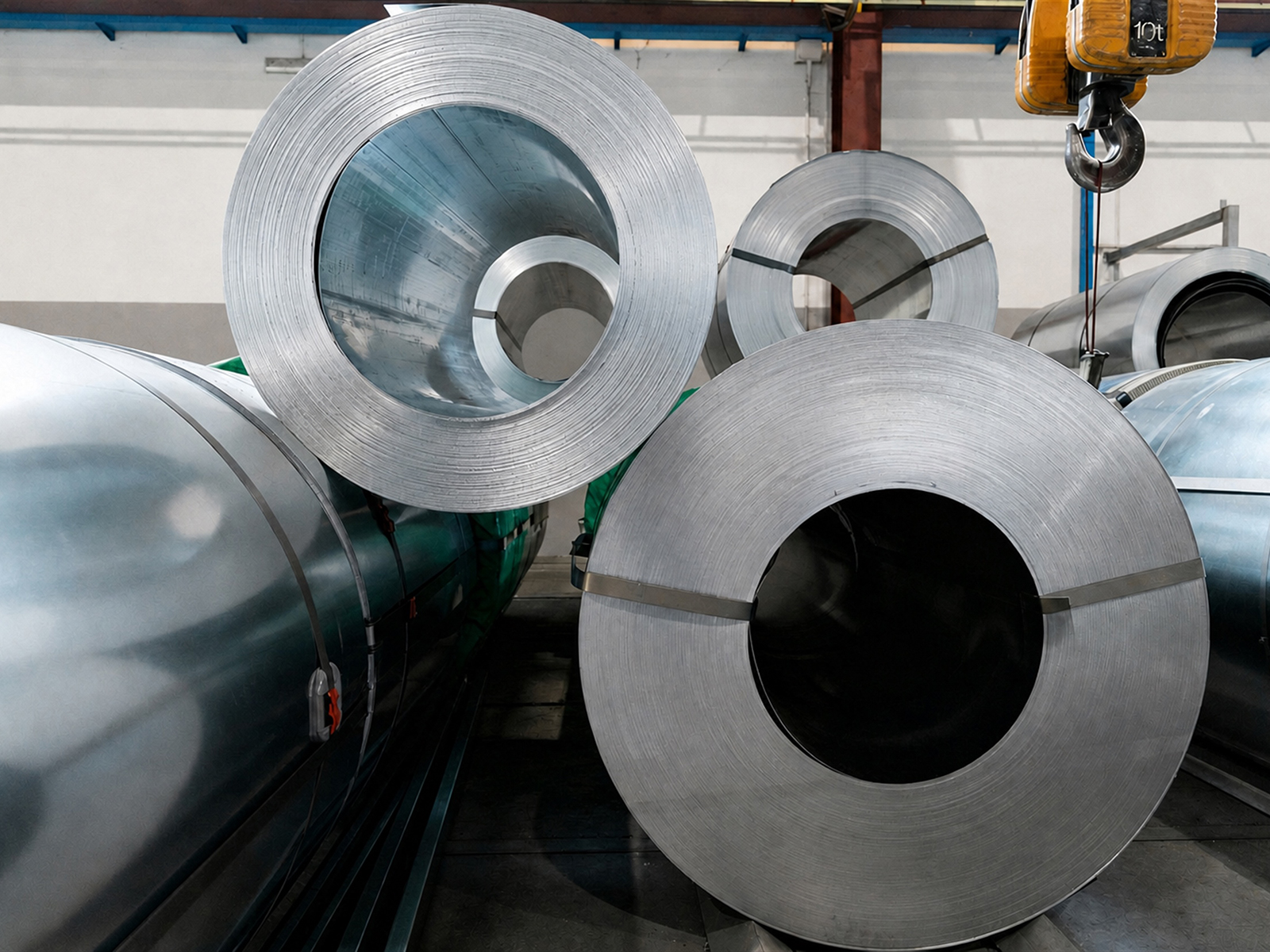
Nickel 200 Foil, produced from high-purity electrolytic nickel conforming to ASTM B160/Ni200 specifications, is emerging as a critical material in advanced battery technologies. Its exceptional corrosion resistance in alkaline electrolytes, high electrical conductivity, thermal stability, and compatibility with electrode manufacturing processes make it an ideal candidate for current collectors, separator coatings, and structural components in next-generation energy storage systems. As the global demand for high-performance batteries accelerates across electric vehicles, grid-scale storage, and portable electronics, Nickel 200 foil addresses key challenges in cycle life, safety, and manufacturing scalability.
1. Nickel 200 Foil as Current Collector in Battery Systems
(1) Advantages Over Traditional Copper and Aluminum Collectors
In lithium-ion battery cathodes, aluminum foil is the standard current collector but suffers from corrosion at high voltages (>4.0 V vs. Li/Li+). Nickel 200 foil operates stably at voltages up to 4.5 V, offering superior electrochemical compatibility with high-voltage cathode materials such as NMC 811 and lithium-rich manganese-based chemistries. Compared to copper foil used in anodes, Nickel 200 provides better corrosion resistance in humid manufacturing environments and reduced risk of nickel-copper interdiffusion that can degrade battery performance over cycling.
(2) Conductivity and Thickness Optimization
Nickel 200 foil with thicknesses ranging from 12 μm to 100 μm delivers electrical conductivity of approximately 14.3 ×10⁶ S/m, ensuring efficient electron transport across the electrode surface. Ultra-thin foils (<25 μm) reduce inactive cell volume, increasing volumetric energy density by 3–5% compared to standard 25 μm aluminum collectors. The mechanical strength of Nickel 200 foil also enables reliable winding and stacking processes without tearing or wrinkling, improving manufacturing yield rates.
(3) Surface Modification for Enhanced Adhesion
Raw Nickel 200 foil surfaces can be treated through plasma activation, chemical etching, or coating with carbonaceous layers to improve cathode or anode material adhesion. These surface modifications reduce interfacial contact resistance by 20–40% and prevent active material delamination during prolonged cycling, directly extending battery cycle life. Specialty suppliers offer pre-treated Nickel 200 foil optimized for specific battery chemistries and manufacturing processes.
2. Corrosion Resistance in Alkaline Battery Systems
(1) Performance in Nickel-Metal Hydride and Nickel-Cadmium Batteries
In alkaline battery systems operating in concentrated KOH electrolyte (pH 13–14), Nickel 200 foil demonstrates outstanding corrosion resistance with annual corrosion rates below 0.001 mm/year. This makes it the preferred current collector material for nickel-metal hydride (NiMH) and nickel-cadmium (NiCd) batteries used in hybrid electric vehicles, uninterruptible power supplies, and aerospace applications where long-term reliability is paramount.
(2) Stability in Zinc-Air and Alkaline Fuel Cells
Nickel 200 foil serves as both current collector and gas diffusion layer substrate in zinc-air batteries and alkaline fuel cells. Its resistance to caustic corrosion and catalytic activity support for oxygen reduction reactions make it superior to stainless steel alternatives. Field data from stationary fuel cell installations shows Nickel 200 foil components maintaining structural integrity and electrical performance after 40,000+ hours of continuous operation.
3. Thermal Management and Safety Enhancement
(1) Heat Dissipation in High-Power Battery Packs
Battery packs for electric vehicles and power tools generate significant heat during charge and discharge cycles. Nickel 200 foil, with thermal conductivity of approximately 91 W/(m·K), is integrated into battery module designs as thermal interface layers between cells and cooling plates. This application leverages both the material’s thermal conductivity and its corrosion resistance against glycol-based coolants, enabling more uniform temperature distribution across battery modules and reducing thermal gradient-induced degradation.
(2) Fire-Retardant Barrier Layers
Thin Nickel 200 foil laminated with polymer separators creates composite barriers that resist thermal runaway propagation. The nickel layer acts as a heat sink and electrical interrupter when cell temperatures exceed 150°C, mitigating cascade failure in multi-cell battery packs. This safety enhancement is particularly valuable for large-format prismatic and pouch cells used in electric vehicles and grid-scale energy storage installations.
4. Emerging Applications in Solid-State and Next-Generation Batteries
(1) Interface Engineering for Solid-State Electrolytes
In solid-state battery architectures, Nickel 200 foil serves as a stable interfacial layer between liquid-compatible cathode materials and solid electrolytes such as sulfide or oxide ceramics. The foil mitigates interfacial reactions that degrade ionic conductivity and prevents dendrite penetration from the anode side. Research prototypes utilizing Nickel 200 interface layers have demonstrated cycle life improvements exceeding 50% compared to unmodified solid-state cells.
(2) Flexible and Wearable Battery Components
Ultra-thin Nickel 200 foil (12–25 μm) combines flexibility with mechanical strength, making it suitable for flexible and wearable battery designs. Its ability to withstand repeated bending without work hardening or cracking enables foldable electronics and textile-integrated power sources. Manufacturers of smart clothing and wearable health monitors are exploring Nickel 200 foil-based flexible batteries as alternatives to rigid lithium-ion cells.
5. Manufacturing and Supply Chain Considerations
(1) Precision Rolling and Thickness Control
High-quality Nickel 200 foil for battery applications requires multi-pass precision rolling with intermediate annealing to achieve uniform thickness across wide widths (up to 1,500 mm). Modern rolling mills control thickness tolerance within ±2 μm for foils below 50 μm, ensuring consistent current distribution and cell performance. Online eddy current inspection systems detect surface defects, pinholes, and thickness variations at production line speeds exceeding 200 m/min.
(2) Cost Competitiveness and Scale-Up Potential
While Nickel 200 foil costs approximately 1.5–2.0 times that of standard aluminum current collectors, the performance benefits in cycle life, voltage window, and safety often justify the premium for high-value battery applications. As production scales and domestic manufacturing capabilities expand, foil prices are projected to decrease by 20–30% over the next three years, accelerating adoption across the battery industry.
Conclusion
Nickel 200 foil is establishing itself as a versatile and high-performance material across multiple battery technology platforms. From current collectors in high-voltage lithium-ion cells to corrosion-resistant components in alkaline systems, from thermal management layers in EV battery packs to interface engineering in solid-state batteries, the material’s unique combination of electrical conductivity, corrosion resistance, mechanical strength, and thermal stability addresses critical challenges in modern energy storage. As battery technology continues to evolve, Nickel 200 foil is positioned to play an increasingly important role in enabling safer, longer-lasting, and higher-performance energy storage solutions.
FAQ
Q1: Why choose Nickel 200 foil over aluminum foil for battery current collectors?
Nickel 200 foil offers higher oxidation stability at voltages above 4.0 V, superior corrosion resistance in both acidic and alkaline electrolytes, and better mechanical strength for ultra-thin gauges. While aluminum foil remains cost-effective for standard lithium-ion cells, Nickel 200 is preferred for high-voltage, high-reliability, and specialty battery applications.
Q2: What thickness range is available for battery-grade Nickel 200 foil?
Battery-grade Nickel 200 foil is available in thicknesses from 12 μm to 100 μm. Ultra-thin 12–25 μm foils are used for maximizing energy density in portable electronics, while 30–100 μm foils provide enhanced mechanical robustness for automotive and stationary storage battery packs.
Q3: Can Nickel 200 foil be coated or surface-modified for specific battery chemistries?
Yes. Nickel 200 foil can be coated with carbon, conductive polymers, or ceramic layers to optimize adhesion with specific cathode or anode materials. Plasma treatment and chemical etching are also employed to tailor surface energy and improve active material bonding. Specialty suppliers offer pre-treated foil optimized for particular battery chemistries and manufacturing processes.
Looking for a Reliable Nickel 200 Foil Supplier for Battery Applications?
Baoji Titanium Valley Titanium Nickel Zirconium Material Processing Co., Ltd. provides high-purity Nickel 200 foil conforming to ASTM B160 specifications, available in thicknesses from 12 to 100 μm with precision thickness control within ±2 μm. We offer surface treatment options, custom widths up to 1,500 mm, and EN 10204 3.1 certification. Contact us for technical data and quotations:
References
Liu, W., Zhang, Y. Current Collector Materials for Advanced Lithium-Ion Batteries: A Review [J]. Journal of Power Sources, 2022, 525: 231045.
Wang, H., Chen, L. Corrosion Resistance of Pure Nickel in Alkaline Battery Electrolytes [J]. Electrochimica Acta, 2021, 372: 137856.
Kim, S., Park, J. Thermal Management in Lithium-Ion Battery Packs Using Metallic Foil Interlayers [J]. Applied Thermal Engineering, 2023, 219: 119432.
Zhou, M., Li, X. Solid-State Battery Interface Engineering with Metallic Foil Barriers [J]. Nature Energy, 2023, 8: 456–468.