
Why Does Nickel 201 Foil Exhibit Superior Resistance in Halogen Environments?
- Nickel 201 Foil
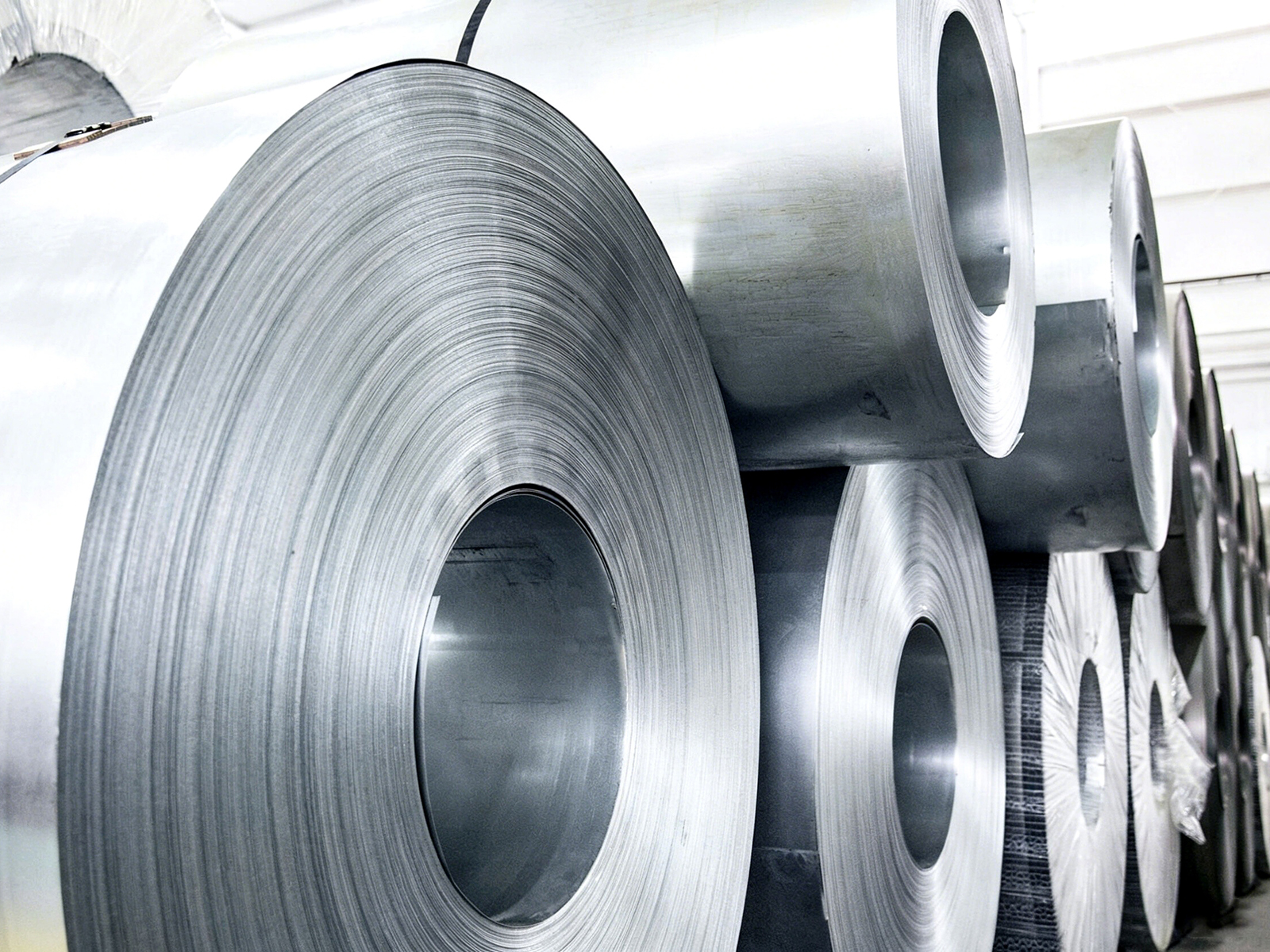
Nickel 201 Foil, a low-carbon variant of high-purity nickel conforming to ASTM B160/Ni201 specifications with carbon content ≤0.02%, demonstrates exceptional resistance to halogen-containing environments including chlorine, bromine, and fluorine compounds. This outstanding corrosion performance makes Nickel 201 foil indispensable in chemical processing, semiconductor manufacturing, water treatment, and offshore engineering applications where aggressive halogen species rapidly degrade conventional metallic materials. Understanding the mechanisms behind this resistance and the practical application strategies enables engineers to optimize material selection and extend equipment service life in halogen-exposed environments.
1. Mechanisms of Halogen Resistance in Low-Carbon Nickel
(1) Role of Carbon Content in Corrosion Resistance
The defining characteristic of Nickel 201 foil is its ultra-low carbon content (≤0.02%), compared to 0.15% maximum in the standard Ni200 grade. This reduction is critical because carbon in nickel forms nickel carbide (Ni₃C) at elevated temperatures, and carbide precipitation at grain boundaries creates localized compositional differences that serve as initiation sites for intergranular corrosion. In halogen-containing environments—particularly chlorine and bromine compounds—these carbide-depleted zones are preferentially attacked, leading to rapid material degradation. By minimizing carbon content, Nickel 201 foil eliminates this vulnerability, maintaining uniform corrosion resistance even at temperatures exceeding 100°C.
(2) Passive Film Formation and Self-Repairing Capability
Nickel 201 foil forms a thin, adherent surface oxide layer primarily composed of NiO. In halogen environments, this passive film acts as a physical barrier that impedes halogen ion penetration to the underlying metal substrate. When mechanically damaged, the film rapidly reforms in the presence of oxygen, a self-healing process that maintains continuous protection. The low-carbon composition ensures that the passive film remains chemically uniform without carbide-induced compositional heterogeneities that could compromise barrier integrity.
(3) Electrochemical Behavior in Chloride and Bromide Solutions
Potentiodynamic polarization testing reveals that Nickel 201 foil exhibits pitting potentials more noble by 200–400 mV compared to Ni200 in chloride-containing solutions. In 10% NaBr at 80°C, Nickel 201 foil shows a corrosion rate below 0.001 mm/year, whereas standard nickel alloys with higher carbon content exhibit rates 10–50 times higher. The electrochemical impedance data confirms that the charge transfer resistance of Nickel 201 remains stable over extended exposure periods, indicating sustained passive film integrity.
2. Performance in Specific Halogen Environments
(1) Chlorine-Containing Systems
Chlorine exposure is among the most challenging corrosion scenarios for metallic materials. Nickel 201 foil maintains excellent resistance in wet chlorine gas up to 150°C and in chlorine-saturated aqueous solutions at concentrations up to 50,000 ppm. In chlor-alkali electrolysis cells, Nickel 201 foil components (current collectors, cell linings, and heat exchanger tubes) demonstrate service lives exceeding 10 years, compared to 1–2 years for 316L stainless steel under identical conditions. The material also resists stress corrosion cracking in hot chloride solutions, a failure mode that severely limits stainless steel and titanium alloy applications.
(2) Bromine and Iodine Environments
Bromine extraction processes for brine treatment and iodine recovery systems in solar salt production operate in extremely aggressive halogen environments. Nickel 201 foil provides reliable containment and structural integrity in bromine storage tanks, piping systems, and pump seals at temperatures up to 200°C. In dry iodine vapor environments, Nickel 201 shows negligible weight loss over 2,000-hour exposure tests, making it the material of choice for iodine handling equipment in nuclear fuel reprocessing and semiconductor doping applications.
(3) Fluorine and Fluoride Compounds
While nickel alloys generally show limited resistance to elemental fluorine at elevated temperatures, Nickel 201 foil performs well in fluoride-containing solutions such as hydrofluoric acid (HF) at concentrations below 5% and temperatures up to 60°C. In hydrogen fluoride gas handling systems, Nickel 201 foil gaskets and lining materials provide dependable sealing performance where elastomers and other metals fail. For higher HF concentrations or temperatures, nickel-molybdenum alloys (such as Nickel 200 with molybdenum additions) may offer enhanced protection.
3. Industrial Applications of Nickel 201 Foil in Halogen-Exposed Services
(1) Chemical Processing Equipment
Nickel 201 foil is used as lining material for reaction vessels, heat exchanger plates, and distillation column trays processing halogenated organic compounds. In PVC and fluoropolymer manufacturing, where chlorine and fluorine intermediates are prevalent, Nickel 201 foil components resist attack from monomer feeds, catalyst residues, and cleaning agents that rapidly degrade carbon steel and standard stainless steels.
(2) Semiconductor Manufacturing
Semiconductor fabrication processes utilize chlorine, bromine, and fluorine-based gases for etching and cleaning. Nickel 201 foil components in gas distribution manifolds, chamber linings, and wafer handling fixtures must withstand continuous exposure to highly reactive halogen plasmas. The material’s low outgassing rate, high purity, and resistance to halogen attack make it ideal for maintaining the ultra-clean environments required in advanced node chip manufacturing.
(3) Water and Wastewater Treatment
Chlorine-based disinfection systems in municipal water treatment plants and industrial cooling towers expose equipment to persistent chloride environments. Nickel 201 foil valves, diaphragms, and sensor housings provide extended service life compared to bronze or stainless steel alternatives. In seawater desalination pretreatment facilities using chlorine dioxide generation, Nickel 201 foil components resist both chloride and chlorate attack simultaneously.
(4) Offshore and Marine Engineering
Offshore oil and gas platforms operate in environments with high chloride concentrations in seawater and potential exposure to H2S and chlorine injection chemicals. Nickel 201 foil used in instrument diaphragms, pressure transducer seals, and corrosion-monitoring electrodes maintains performance in conditions that cause rapid failure of conventional marine-grade materials.
4. Processing and Fabrication Guidelines
(1) Forming and Machining Considerations
Nickel 201 foil is readily formed by bending, deep drawing, and hydroforming. Its low carbon content does not significantly affect formability compared to Ni200. Annealed (M temper) foil offers the best formability for complex shapes, while cold-worked (Y temper) foil provides higher strength for structural applications requiring minimal forming. Machining requires carbide tooling and adequate coolant flow to prevent work hardening and tool buildup. Recommended cutting speeds are 15–30 m/min for milling and 8–15 m/min for turning.
(2) Welding Procedures for Nickel 201 Foil
Gas tungsten arc welding (GTAW) and resistance welding are the preferred joining methods for Nickel 201 foil. Shielding gas purity is critical—argon with oxygen content <50 ppm prevents surface oxidation and maintains corrosion resistance in the heat-affected zone. Post-weld annealing at 700–800°C in inert atmosphere restores corrosion properties in welded joints. Laser welding of thin foils (<50 μm) is feasible with proper parameter optimization, offering minimal heat-affected zones and negligible carbon redistribution.
(3) Heat Treatment and Stress Relief
Stress-relief annealing of formed Nickel 201 foil should be conducted at 600–750°C followed by rapid cooling to avoid carbide precipitation. For components subsequently exposed to temperatures above 300°C in halogen environments, a final anneal at 800°C in vacuum or hydrogen atmosphere ensures maximum intergranular corrosion resistance.
Conclusion
Nickel 201 foil stands out as the premier metallic material for halogen-exposed service environments. Its defining characteristic—ultra-low carbon content—eliminates the primary mechanism of intergranular corrosion that limits standard nickel and competing alloys. Combined with excellent general corrosion resistance, strong passive film stability, and proven performance in chlorine, bromine, and fluoride systems, Nickel 201 foil delivers unmatched reliability in the most aggressive halogen-containing applications. Engineers specifying materials for chemical processing, semiconductor manufacturing, water treatment, and offshore engineering should consider Nickel 201 foil as the baseline solution for halogen resistance, reserving higher-cost alternatives only for extreme conditions beyond its capability.
FAQ
Q1: What is the key difference between Nickel 200 and Nickel 201 foil for halogen resistance?
The primary difference is carbon content: Nickel 200 allows up to 0.15% carbon, while Nickel 201 limits carbon to ≤0.02%. This low carbon content prevents carbide precipitation at grain boundaries during elevated-temperature exposure, eliminating the susceptibility to intergranular corrosion in halogen environments that affects Ni200 above approximately 60°C. For applications below 60°C, both grades perform comparably.
Q2: Can Nickel 201 foil be welded without losing its corrosion resistance?
Yes, provided proper welding procedures are followed. GTAW with high-purity argon shielding and post-weld annealing at 700–800°C in inert atmosphere preserves the corrosion resistance of Nickel 201 foil in the welded joint. Laser welding of thin foils offers additional benefits of minimal heat-affected zone and negligible carbon redistribution.
Q3: Is Nickel 201 foil suitable for hydrofluoric acid (HF) service?
Nickel 201 foil provides good resistance to dilute HF solutions (below 5% concentration) at temperatures up to 60°C. For concentrated HF or elevated temperatures, nickel-molybdenum alloys such as Hastelloy B-2 or B-3 offer superior protection. Always consult corrosion data tables for specific service conditions before material selection.
Contact Titanium Valley
Baoji Titanium Valley Titanium Nickel Zirconium Material Processing Co., Ltd. manufactures and supplies high-purity Nickel 201 foil conforming to ASTM B160 specifications, available in thicknesses from 0.05 to 3.0 mm with EN 10204 3.1 certification. We provide custom cutting, surface treatment, and technical consultation for halogen-exposed applications. Contact us for material data sheets and quotations:
References
Callister, W.D., Rethwisch, D.G. Materials Science and Engineering: An Introduction [M]. 10th ed. Wiley, 2018.
Jones, D.A. Principles and Prevention of Corrosion [M]. 2nd ed. Prentice Hall, 1996.
ASM International. ASM Handbook, Volume 13C: Corrosion: Environments and Industries [M]. ASM International, 2006.
ASTM International. ASTM B160-2020 Standard Specification for Nickel and Nickel Rods and Bars [S]. 2020.