
How to Choose ZrR60705 Zirconium Rods for Chemical Reactors?
- R60705 Zirconium Rod
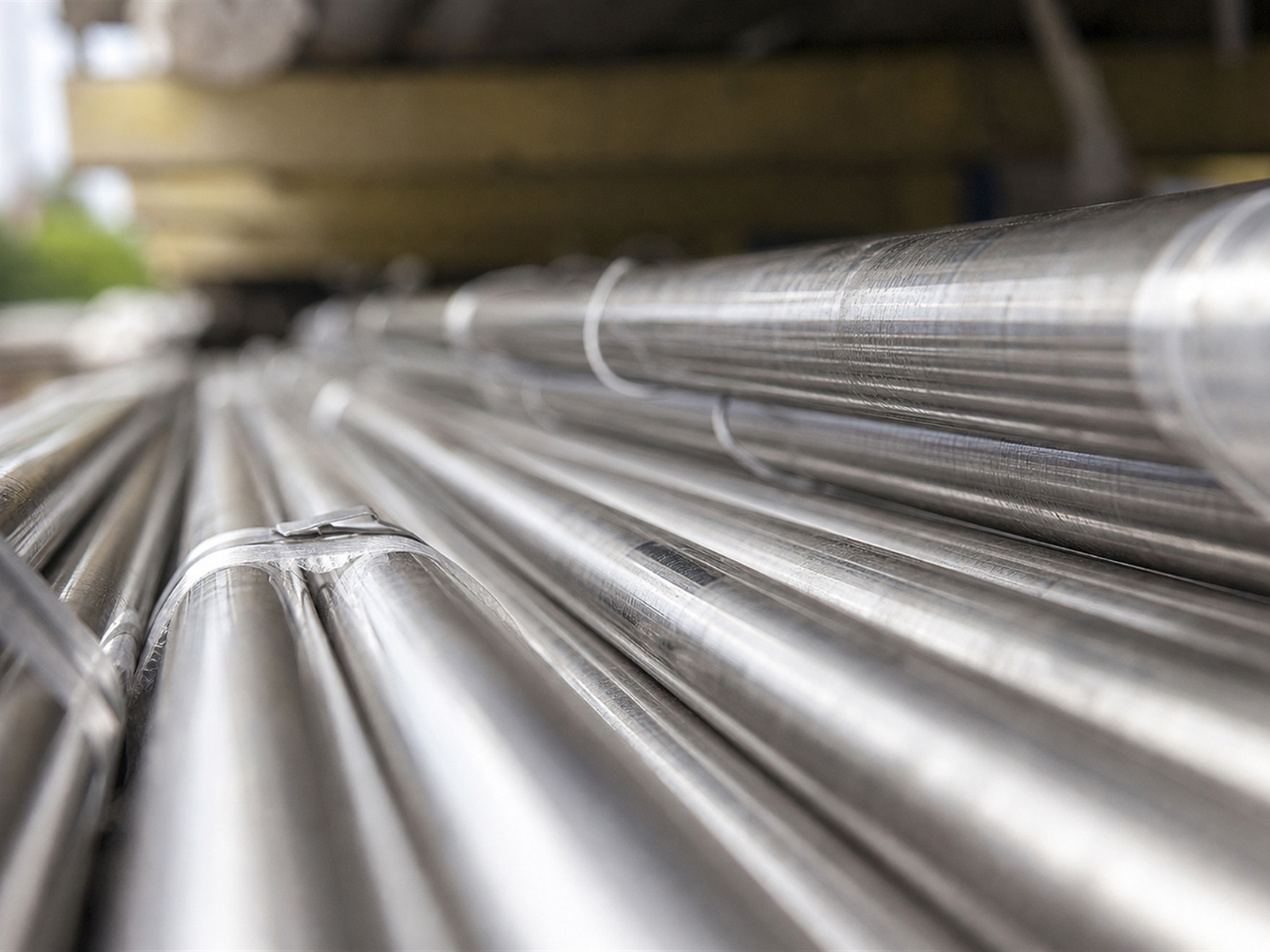
Choosing the appropriate R60705 zirconium rod requires comprehensive consideration of the reactor’s working medium, temperature, pressure, mechanical load and equipment structural characteristics. As a zirconium alloy containing 2.5% niobium, R60705 has higher mechanical strength and excellent corrosion resistance than pure zirconium, and is especially suitable for strong acid, chloride ion environments and high temperature conditions. In actual selection, attention should be paid to the type of medium (such as hydrochloric acid, sulfuric acid, chloride solution), operating temperature range, stress load level, and special requirements for material purity and magnetism. At the same time, it is necessary to clarify the size specifications, surface treatment status (such as turning, peeling, polishing) of the bar and the corresponding ASTM B550 standard compliance. By systematically evaluating these technical parameters, we can ensure that the selected R60705 zirconium rod not only meets the harsh working conditions of the reactor, but also achieves long-term stable operation and cost optimization.
1. What Should You Know About Understand the Core Material Requirements of Chemical Reactors?
As the core equipment of the process, the chemical reactor’s internal materials face complex and changing challenges. Before selecting R60705 zirconium rods, it is necessary to conduct an in-depth analysis of the match between the actual operating conditions of the reactor and the material properties.
(1) What Should You Know About Type and Concentration of Corrosive Media?
The type of chemical media in the reactor directly determines the direction of material selection. Strong reducing acids such as hydrochloric acid, sulfuric acid, and wet chlorine are highly corrosive to stainless steel and titanium alloys, and R60705 zirconium rods perform well in these environments. Especially in hydrochloric acid of various concentrations below the boiling point, zirconium-niobium alloy hardly corrodes. Chloride solutions are another key consideration – high-chlorine brine in seawater desalination and chlor-alkali industry can cause pitting and perforation of conventional alloys. The R60705 material’s resistance to chloride ion corrosion can effectively avoid this risk. It should be noted that strongly oxidizing media (such as fuming nitric acid and high-temperature concentrated sulfuric acid) are not suitable for zirconium materials. At this time, the material system needs to be re-evaluated.
(2) What Should You Know About Temperature and Pressure Operating Parameters?
The temperature range affects the mechanical property retention and oxidation resistance of the material. R60705 zirconium alloy rod maintains good strength and corrosion resistance below 350℃, which is higher than the upper limit of use of pure zirconium R60702. Under high temperature conditions, the niobium element is evenly distributed in the zirconium matrix, significantly improving the creep resistance of the alloy. Pressure vessel reactors place higher requirements on material strength – the yield strength of R60705 is about 40% higher than that of pure zirconium, making it more suitable for withstanding internal pressure and external loads. Vacuum reactors need to pay attention to the air tightness and low gas evolution characteristics of the material. The high purity and stability of the zirconium-niobium alloy ensures that the reaction system will not be polluted.
(3) What Should You Know About Mechanical Loads and Structural Strength?
Components such as stirring shafts, support rods, and heating coils are subjected to complex mechanical stresses. Shaft parts with a large aspect ratio require higher bending strength to avoid deformation during operation. The mechanical properties of R60705 alloy are highlighted here: the tensile strength is ≥ 380 MPa, the elongation is ≥ 16%, and it has sufficient rigidity while maintaining good toughness. For reactors with frequent starts and stops or temperature fluctuations, the material’s fatigue resistance and thermal cycle stability are crucial. The annealing treatment of cold-worked R60705 rods can optimize the uniformity of the structure, reduce stress concentration points, and extend the fatigue life.
2. Why Is Material Properties and Advantages of R60705 Zirconium Rod Important?
An in-depth understanding of the essential characteristics of R60705 zirconium rod is the technical basis for reasonable material selection. This alloy achieves balanced optimization of multiple properties through composition design and process control.
(1) What Should You Know About Alloy Composition and Microstructure?
Table 1: Chemical composition requirements of R60705 zirconium alloy
element | Content range (%) | Function description |
Zr+Hf | margin | Matrix element that provides corrosion resistance |
Nb | 2.0-3.0 | Improve strength and high temperature performance through dispersion strengthening, typical value is 2.5% |
Hf | ≤ 4.5 | Natural associated elements, no significant impact on corrosion resistance |
Fe+Cr | ≤ 0.20 | Strict control to prevent embrittlement, upper limit affects processing toughness |
O | ≤ 0.18 | Gap strengthening elements, it is recommended to control 0.12%-0.16% to balance strength and plasticity |
H | ≤ 0.005 | Ultra-low control to prevent hydrogen embrittlement, content needs to be confirmed before welding |
The niobium element is evenly distributed in the zirconium matrix, forming a stable single-phase α structure. This microstructure not only retains the excellent corrosion resistance of zirconium, but also improves the material strength through a dispersion strengthening mechanism. Compared with pure zirconium, the recrystallization temperature of R60705 is increased and the grain refinement effect is better, allowing the material to maintain good plasticity after cold working. Precise control of oxygen content is crucial – the right amount of oxygen can improve strength, but too much oxygen can lead to increased brittleness, affecting processability and welding quality.
(2) What Should You Know About In-depth Analysis of Corrosion Resistance?
The oxide film (ZrO₂) spontaneously formed by zirconium in aqueous solution is the fundamental reason for its corrosion resistance. This dense passivation film is only a few nanometers thick, but it can effectively isolate corrosive media. R60705 has excellent performance in reducing acids (hydrochloric acid, sulfuric acid, phosphoric acid). In boiling 20% hydrochloric acid, the corrosion rate is less than 0.1 mm/year (test conditions: normal pressure, boiling, 72 hours). In a chloride ion environment, zirconium materials do not suffer from pitting and crevice corrosion, which are the Achilles’ heel of stainless steel and titanium alloys. It should be noted that zirconium also has excellent resistance to alkaline media – the corrosion rate of 30% sodium hydroxide solution at 100℃ is negligible (test conditions: 100℃, 168 hours). This comprehensive corrosion resistance makes R60705 an ideal choice for multi-purpose reactors.
(3) What Should You Know About Mechanical Properties and Processing Adaptability?
Table 2: Typical values of mechanical properties of R60705 zirconium rod (based on φ50mm rod)
Performance indicators | Annealed state (580℃×2h) | Cold working state (cold drawing deformation 20%) |
Tensile strength (MPa) | 420-480 | 600-660 |
Yield strength (MPa) | 300-350 | 480-550 |
Elongation (%) | 18-22 | 12-15 |
Hardness(HV) | 160-180 | 240-260 |
The annealed material has good plasticity and is suitable for subsequent machining, bending and welding operations. The strength of the cold-worked bar is significantly improved and can be used directly in high-stress components without heat treatment. The cutting performance of R60705 is better than that of pure zirconium, with less tool wear and precision turning and milling. The welding performance of the material is also excellent – both argon arc welding and electron beam welding can obtain high-quality joints, and the corrosion resistance of the weld zone is equivalent to that of the base material. This comprehensive processing adaptability reduces manufacturing difficulty and cost.
3. How Should Material Selection Strategies for Different Reactor Types?
The structural form and process characteristics of the reactor are significantly different, and the specifications and status of the R60705 zirconium rod need to be selected accordingly.
(1) What Should You Know About Shaft Parts for Stirring Reactor?
The stirring shaft is the core moving part of the reactor, and it withstands the triple test of torque, bending moment and medium corrosion. The length of the stirring shaft of large reactors can reach several meters and the diameter is 50-200 mm, which requires extremely high material stiffness. When selecting R60705 alloy rods, it is recommended to use forging + turning processes to ensure that the fiber structure is continuously distributed along the axial direction. The surface treatment is preferably finished or peeled, with surface roughness Ra≤ 3.2um to eliminate sources of stress concentration. For high-speed working conditions, the critical speed of the shaft needs to be checked, and a large-diameter solid rod or hollow tube structure should be used if necessary. The journal of the sealing part should be polished (Ra≤ 0.8um) to improve the matching accuracy with the mechanical seal and reduce the risk of leakage.
(2) What Should You Know About Pipes and Connectors for Tubular Reactors?
Tubular reactors are mainly flow reactions, and the tube wall needs to withstand internal pressure and thermal stress. Although R60705 is primarily supplied in bar form, tubular structures can be manufactured by deep hole machining or welding. Small diameter pipes (DN15-50, unit mm) can be drilled and processed from solid bars, with good wall thickness uniformity. For large-diameter pipes, it is recommended to use ASTM B523 standard welded pipes with flanges, joints and other connections processed by R60705 zirconium rods. The flatness and surface quality of the flange sealing surface directly affect the sealing effect and require precision turning and inspection. In strong corrosive processes such as chlor-alkali and chloroacetic acid, the all-zirconium system (including fasteners and sealing surfaces made of zirconium material or zirconium coating) can prevent galvanic corrosion of dissimilar metals and significantly extend the service life.
(3) What Should You Know About Heating/cooling Coils and Heat Exchange Elements?
The heat exchange coil in the reactor must be both thermally conductive and corrosion-resistant, and the material selection must take into account both properties. The thermal conductivity of zirconium (22 W/m·K) is lower than that of copper and stainless steel, but its long-term stability in highly corrosive media is far superior to other materials. R60705 zirconium rods for coil pipes are usually cold-drawn rods with a diameter of 10-30 mm, which are formed by bending and then welded and assembled. The bending radius should be greater than 3 times the pipe diameter to avoid excessive cold work hardening and wall thickness reduction. Before welding, pickling and passivation are required to remove the surface oxide layer and oil stains. For high-purity processes (pharmaceuticals, semiconductors), the inner wall of the coil should be electropolished to achieve a mirror effect (Ra≤ 0.4um) to prevent material residue and contamination.
4. How Should Key Technical Parameters in the Selection Process?
Accurately grasping the technical details is the prerequisite to ensure that the R60705 zirconium rod meets the reactor requirements. The following parameters need to be verified during the procurement and acceptance stages.
(1) What Should You Know About Dimensional Specifications and Tolerance Control?
Table 3: Requirements for zirconium rod specifications for commonly used reactor components
Part type | Diameter range (mm) | Length range (mm) | Tolerance level (corresponding numerical example, taking φ50mm as an example) |
Stirring shaft | 50-200 | 1000-6000 | h9 (Tolerance -0.046mm to -0.009mm when φ50mm) |
support rod | 30-80 | 500-3000 | h10 (Tolerance -0.100mm to -0.025mm when φ50mm) |
heating tube | 10-40 | Customized coil lengths | h11 (Tolerance -0.160mm to -0.050mm when φ50mm) |
fastener | 8-30 | 50-300 | h9 |
Large-diameter bars (>150 mm) are usually forged using a forging process with a dense and uniform structure, but attention must be paid to the forging ratio and flaw detection. Small-diameter bars (<50 mm) are mostly manufactured by cold drawing or cold rolling, with high dimensional accuracy and good surface quality. Long-axis components longer than 4 meters face challenges in transportation and processing, and customization solutions need to be communicated with suppliers in advance. The choice of tolerance level affects the processing cost – choose h8 or h9 for precision shafts, and h10 or h11 for general structural parts. Shape and position tolerances such as ovality and straightness are equally important, especially for sealing fitting parts.
(2) What Should You Know About Surface Condition and Quality Requirements?
Black-skinned rods have a rough surface and thick oxide scale, so they are only suitable for rough processing. The turned surface is silvery white and bright, with high dimensional accuracy and can be directly used for machining. The surface quality of the peeled state is between the two, without defects such as cracks and folds, and is suitable for structural parts with certain surface quality requirements. The polished surface achieves a mirror effect and is used for high-purity processes and sealing surfaces. There is a trade-off between cost and performance when choosing a surface finish – excessive pursuit of surface quality can add unnecessary expense. Surface flaw detection (penetrant testing or eddy current testing) can detect micro-cracks and is mandatory for pressure vessel components. Internal quality relies on ultrasonic flaw detection assessment to ensure that there are no internal defects such as delamination and inclusions.
(3) What Should You Know About Material Certification and Traceability?
R60705 zirconium rods provided by regular suppliers should be accompanied by complete material certification documents, including chemical composition analysis reports, mechanical property test reports, heat treatment records, etc. The ASTM B550 standard requires materials to comply with the R60705 composition range and pass tensile, hardness and other performance tests. The European market usually requires an EN 10204 3.1 type inspection certificate, certified by a third-party agency. The nuclear power and aerospace fields also need to provide full-process traceable information such as smelting batch number and forging history. These document requirements should be clarified during procurement to avoid disputes over later acceptance. Large domestic zirconium companies such as Baoti Group have complete quality systems that can meet the certification needs of the international high-end market.
5. Why Is Performance Verification and Optimization in Practical Applications Important?
Theoretical selection needs to be tested in practical applications and continuous optimization can achieve the best results. Establishing a scientific evaluation mechanism can help improve the overall reliability of the reactor.
(1) What Should You Know About Corrosion Monitoring and Life Assessment?
Monitoring points should be set up for newly installed R60705 zirconium rod components during the trial operation phase to regularly detect corrosion rates and surface conditions. The hanging piece method is the simplest method – hang an R60705 test piece (size 30mm × 15mm × 3mm) of the same material as the component in the reactor, place it in a representative area with the highest flow rate or highest temperature, take it out and weigh it after running for a period of time, and calculate the corrosion rate. Electrochemical methods, such as polarization curve tests, allow rapid assessment of the passivation behavior of materials. For key components, it is recommended to conduct non-destructive testing and thickness measurement once a year and establish a thickness change database. Based on the extrapolation of the measured corrosion rate, the service life of components can be accurately predicted and a reasonable maintenance plan can be formulated. If abnormal corrosion is found, reasons such as changes in medium composition, temperature fluctuations, introduction of impurities, etc. should be analyzed, and process parameters should be adjusted in a timely manner.
(2) What Should You Know About Control Points of Welding Process?
Zirconium welding must be carried out under inert gas protection, and argon arc welding is the most commonly used method. Before welding, the surface to be welded must be thoroughly cleaned to remove grease, scale and moisture. Usually, acetone wiping + pickling is used. During the welding process, the front protective gas flow rate is 8-12 L/min and the back protective gas flow rate is 5-8 L/min to ensure that the molten pool and heat-affected zone are not oxidized. The welding wire should be made of R60705 material that matches the base metal, with a diameter of 2.0-3.2 mm. The welding current is adjusted according to the plate thickness, generally 80-150 A, voltage 10-15 V, and welding speed 100-200 mm/min. Penetrant or radiographic inspection is required after welding to ensure that the weld is free of cracks, pores and unfusion defects. In high-demand situations, vacuum annealing is required to eliminate welding stress (annealing parameters: 600-650℃, heat preservation for 1-2 hours, vacuum degree ≤ 1×10⁻³Pa).
(3) Why Is Maintenance Recommendations for Long-term Use Important?
Although R60705 zirconium rod has excellent corrosion resistance, proper maintenance can further extend its life. Clean the inner surface of the equipment regularly to remove sediment and scale and maintain the integrity of the passivation film on the material surface. Avoid mechanical scratches and collisions. The damaged passivation film will take time to repair itself. When shutting down for maintenance, the exposed zirconium surface is pickled and passivated to restore it to its best condition. Before switching the medium, it should be fully replaced and cleaned to prevent the residue of incompatible substances from causing corrosion. Record the problems and solutions found during each maintenance, accumulate experience data, and provide reference for material selection of similar equipment. Establish long-term cooperative relationships with material suppliers and receive timely technical support when encountering difficult problems.
6. What Is the Conclusion?
Selecting R60705 zirconium rods for chemical reactors is a systematic project that requires comprehensive consideration of multi-dimensional factors such as medium corrosiveness, working conditions parameters, mechanical loads and manufacturing processes. R60705 (Zr-2.5Nb) alloy has become the preferred material under harsh working conditions due to its excellent resistance to strong acid and chloride ion corrosion, as well as its mechanical strength higher than that of pure zirconium. By accurately grasping technical parameters, strict quality control, optimizing welding processes and scientific maintenance management, the performance advantages of R60705 zirconium rods can be fully utilized and the safety and economy of the reactor can be significantly improved.
FAQ
Q1: What are the differences between R60705 zirconium rods and pure zirconium R60702 in reactor applications?
R60705 contains 2.5% niobium and is about 40% stronger than R60702 pure zirconium. It is more suitable for high stress and high pressure working conditions, such as long-axis agitators and pressure vessel components. The corrosion resistance of the two is similar, but R60705 has better high-temperature creep resistance and can work stably in the range of 300-350℃, while pure zirconium is recommended not to exceed 260℃.
Q2: How to judge whether the surface quality of the zirconium rod meets the reactor requirements?
Check whether there are cracks, pitting, scratches and other defects on the surface, which can be verified by penetrant or eddy current testing. The surface roughness (Ra value) of the sealing fitting part needs to be measured. The stirring shaft usually requires Ra ≤ 3.2 um, and the sealing surface needs to reach Ra ≤ 0.8 um. The high-purity process also requires confirmation that the surface is free of oil and particle contamination.
Q3: What is the typical service life of zirconium rods in chlor-alkali industrial reactors?
Under chlor-alkali working conditions such as salt water electrolysis and chlorine drying, the design life of R60705 zirconium rod components is usually 15-20 years (based on actual operating data of a chlor-alkali plant, medium temperature 85-95℃, Cl2 concentration ≥ 95%), far exceeding stainless steel and titanium alloy (3-5 years). The actual life is affected by the purity of the medium, temperature fluctuations and mechanical load. Regular monitoring and reasonable maintenance can approach or exceed the design value, significantly reducing the whole life cycle cost.
How Should Looking for Reliable R60705 Zirconium Rod Supplier?
Baoji Titanium Valley Titanium Nickel Zirconium Material Processing Co., Ltd. focuses on precision processing of high-end zirconium materials and has advanced forging, rolling and testing equipment. We provide R60705 zirconium rods that meet ASTM B550 standards, with complete specifications and traceable quality, and are widely used in global chemical, nuclear power and marine engineering fields. Welcome to inquire about customized solutions: sales@titaniumvalley.com
References
- Zhang Wei, Li Ming. Application of zirconium and zirconium alloys in chemical equipment[M]. Beijing: Chemical Industry Press, 2019.
- Wang Tao, Zhao Qiang. Research on the performance of Zr-2.5Nb alloy in highly corrosive media [J]. Rare Metal Materials and Engineering, 2021, 50(3): 856-862.
- Chen Zhihua. Welding process and quality control of zirconium alloys for chemical equipment [J]. Welding Technology, 2020, 49(5): 45-49.
- Li Jianguo. Application and life evaluation of zirconium materials in the chlor-alkali industry [J]. Chlor-Alkali Industry, 2022, 58(2): 32-36.