
Does Gr1 titanium rod recycling have over a 95% recovery rate, high-value reuse, and a circular economy?
- Gr1 Titanium Rod
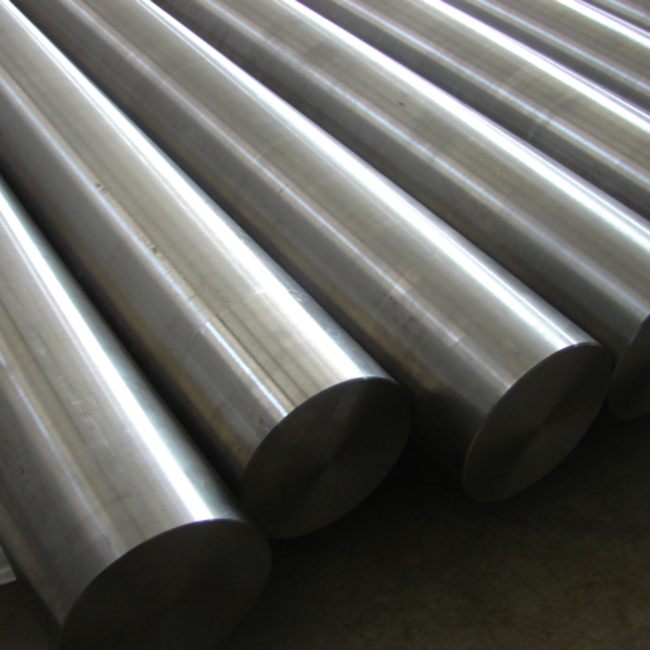
Gr1 titanium rod is a typical commercial pure titanium. Its recovery rate exceeds 95%. Titanium becomes one of the most sustainable metal materials. Waste Gr1 titanium from chemical equipment, medical devices and aerospace returns original physical and chemical properties. It goes through a complete recycling system: sorting and pretreatment, vacuum arc remelting and reprocessing. Using recycled titanium saves 30%–60% of raw material costs. It cuts energy use by about 85% compared with virgin titanium production.
1. Why Gr1 Titanium Rod Achieves 95% Recovery Rate
1.1 Material Properties Support High-Purity Recycling
Gr1 titanium rod has titanium content ≥99.5%. Impurity levels are very low. Even after long service, the base metal has no obvious chemical damage. The oxide film on titanium surface is normal passivation, not base degradation. Ordinary steel forms many oxides and impurities in corrosive environments. Titanium forms a dense oxide film. This film protects the base metal and keeps original purity. Gr1 titanium rods used in chemical, marine and medical fields experience acid, alkali, salt spray and high temperature. But the core material has no real damage.
1.2 No Alloying Elements Simplify Recycling
As commercial pure titanium, Gr1 titanium rod has no alloying elements. This makes recycling easier. Recyclers do not separate different alloy components. Standard processes like vacuum arc remelting turn waste titanium into high-quality titanium ingots.
1.3 Industry Verification of Recovery Rate
Industry data shows recovery rates for high-grade titanium alloys and pure titanium scrap exceed 95%. Optimized recycling technologies like plasma melting and HDH further raise scrap utilization above 95%. Mechanical properties of powder products meet high-end requirements: tensile strength ≥240 MPa, elongation ≥12%.
2. Complete Technical Process for Gr1 Titanium Rod Recycling
2.1 Sorting and Pretreatment of Waste Titanium
The first recycling step is strict sorting of waste Gr1 titanium rods. Titanium from different industries carries different surface contaminants. Chemical equipment titanium has chemical residues. Medical titanium needs biosafety treatment. Machining titanium chips are relatively clean. Professional recyclers remove surface impurities. They use mechanical cleaning, alkali degreasing plus mild acid passivation or ultrasonic cleaning.
2.2 Core Role of Vacuum Melting
Pretreated waste titanium goes into vacuum arc remelting (VAR) furnaces for remelting. Titanium strongly attracts oxygen and nitrogen at high temperature. Vacuum stops gas impurities mixing. High-purity titanium scrap works well with various vacuum melting processes to make ingots. This process often uses double or triple remelting (double or triple vacuum arc remelting). Multiple remelting removes gas impurities like oxygen, nitrogen and hydrogen. It stabilizes material purity and ensures uniformity. High-temperature vacuum removes low-melting harmful impurities like hydrogen, sodium and magnesium. Recycled titanium chemical composition approaches or reaches virgin titanium standards.
Note: VAR is the main process for block and rod scrap. Titanium chips and fine powder suit HDH (hydride-dehydride) for powder or plasma melting. This article focuses on VAR recycling for rod scrap.
2.3 Forging and Rolling Restore Material Properties
Remelted titanium ingots go through hot forging, hot rolling or cold drawing. They become titanium rods in different sizes. This process gives required dimensional accuracy. Plastic deformation plus annealing rebuild uniform microstructure. It fully restores mechanical and processing properties. Proper annealing makes recycled Gr1 titanium rods meet industrial requirements for ductility and tensile strength.
3. Gr1 Titanium Rod Recycling Practice and Value by Industry
3.1 Chemical Corrosion-Resistant Equipment: Main Recycling Source
Chemical industry is the top user of Gr1 titanium rods and the largest recycling source. Titanium tubes in heat exchangers, stir rods in reactors and fasteners produce much waste during equipment upgrade or scrapping. Titanium in heat exchangers resists acid and alkali corrosion for over 10 years. It lasts 3–5 times longer than stainless steel. Titanium stays pure after use because of chemical inertness.
Chemical Equipment Recycling Parameters (Purity Test per ASTM B348)
| Equipment Type | Service Life | Recycled Purity | Reuse Direction |
|---|---|---|---|
| Heat Exchanger Tubes | 8–15 years | ≥98.5% | New titanium rods, tubes |
| Reactor Stir Rods | 10–20 years | ≥99.0% | Medical device blanks |
| Titanium Bolts & Fasteners | 5–12 years | ≥97.5% | Titanium ingot raw material |
| Electroplating Fixtures | 3–8 years | ≥98.0% | Electronic grade titanium |
3.2 High-Value Recycling in Medical Devices
Medical field demands high purity and biocompatibility. Medical-grade Gr1 titanium rod recycling has great value. Titanium rod offcuts from surgical tool making, scrapped orthopedic implant blanks and discarded dental parts go through strict disinfection and recycling. They re-enter the medical supply chain. High raw material costs make medical manufacturers build internal recycling systems. One medical example: imported titanium rod costs about 900 CNY/kg. Five-axis machining for bone plates creates 80% scrap. Most scrap sells at 30–50 CNY/kg to foreign recyclers. Foreign firms remelt it and sell back at 900 CNY/kg. This shows the economic potential of closed-loop recycling.
3.3 Recycling Practice in Other Industrial Fields
Annual Recycling Volume and Economic Benefits by Industry (Cost Savings vs Virgin Titanium)
| Industry | Annual Recycling Volume (tons) | Main Scrap Form | Economic Benefit vs Virgin Titanium |
|---|---|---|---|
| Chemical Corrosion Equipment | 1200–1500 | Tubes, rods, fasteners | 40–50% cost saved |
| Marine Engineering | 300–450 | Ship parts, desalination components | 35–45% cost saved |
| Medical Device Manufacturing | 180–250 | Surgical blanks, offcuts | 50–60% cost saved |
| Electronics & Semiconductor | 150–200 | Vacuum chamber parts, connecting rods | 45–55% cost saved |
| Aerospace | 80–120 | Structural parts, fasteners | 30–40% cost saved |
4. In-Depth Analysis of Environmental and Economic Value of Recycled Gr1 Titanium Rod
4.1 Cut Manufacturing Costs, Boost Competitiveness
Economically, recycled titanium saves 30%–60% of raw material costs. Chemical equipment, medical device and precision machining firms cut purchase costs greatly. They keep quality and improve market competitiveness. Firms build complete recycling systems and long-term partnerships with professional manufacturers. They get stable material supply and cost advantages.
4.2 Energy Use Comparison Highlights Environmental Benefits
Making one ton of virgin titanium (sponge titanium) uses much energy. It goes through titanium slag smelting, chlorination, refining and reduction distillation. Recycling equal titanium uses far less energy. Most energy goes to remelting and reprocessing. This makes titanium recycling a key carbon reduction path in metal industry.
Energy Use and Emission Comparison – Virgin vs Recycled Titanium
| Items | Virgin Titanium Production | Recycled Titanium Production |
|---|---|---|
| Power Use per Ton (kWh) | 10,000–15,000 | 2,000–4,000 |
| CO₂ Emission (tons/ton titanium) | 46–52 | 1.5–3 |
| Raw Material Utilization | 60%–70% (mining, dressing, smelting losses) | Over 95% |
4.3 Strategic Resource Security Benefits
Titanium ore resources distribute unevenly. High-grade titanium relies on complex global supply chains. A good Gr1 titanium rod recycling system builds an “urban mine” for titanium. It reduces dependence on imported titanium concentrate and sponge titanium. For large titanium-consuming countries, efficient recycling ensures material supply security.
4.4 Life Cycle Cost (LCC) Analysis
Life Cycle Cost Comparison (USD/ton)
| Cost Items | Virgin Titanium | Recycled Titanium | Note |
|---|---|---|---|
| Raw Material | 8,000–12,000 | 3,000–5,000 | Sponge titanium vs scrap |
| Melting Energy | 1,500–2,500 | 300–600 | Skips ore reduction |
| Processing | 2,000–3,000 | 2,000–3,000 | Similar forging/rolling |
| Environmental Cost (Carbon Tax) | 200–400 | 40–80 | Lower emissions |
| Total | 11,700–17,900 | 5,340–8,680 | 40–50% saved |
Conclusion
Gr1 titanium rod has over 95% recovery rate. This comes from great material properties, complete recycling systems, advanced technology and strict quality standards. Global focus on sustainability turns titanium recycling from scrap handling into high-value circular economy. Chemical, medical, electronic and marine firms use recycled titanium. They cut costs and meet green manufacturing rules. It balances economic gains and environmental responsibility.
FAQ
1. Does Recycled Gr1 Titanium Rod Lose Performance?
Standard recycling (sorting, vacuum remelting, plastic working, annealing) keeps recycled Gr1 titanium rod performance equal to virgin. It meets ASTM B348. Vacuum arc remelting and proper heat treatment ensure tensile strength, elongation and purity match commercial pure titanium specs. It works for medical, chemical and other high-end uses.
2. What Factors Affect Waste Titanium Rod Recycling Price?
Price mainly depends on purity, contamination level, scrap form and market titanium price. Medical-grade scrap has highest purity and price. Chemical titanium needs cleaning and costs less. Mixed scrap with other metals has lower value. Current high-purity Gr1 titanium rod scrap price is 60%–75% of new material. Price moves with sponge titanium market.
3. How Do Firms Build Effective Titanium Recycling?
Firms sign long-term deals with professional titanium manufacturers or recyclers. They set unified scrap collection channels. They sort scrap during production and avoid mixing with other metals. Large firms build in-house recycling and melting systems for closed-loop use.
Find a Reliable Gr1 Titanium Rod Supplier?
Baoji Titanium Valley Titanium Nickel Zirconium Material Processing Co., Ltd. has Italian Danieli lines. Annual output: 20,000 tons titanium rods and wires. We supply high-quality Gr1 titanium rods meeting ASTM B348. We offer customized recycled titanium processing. Contact for technical solutions and quotes: sales@titaniumvalleys.com
References
1. Zhongti New Materials. Green Circular Titanium Alloy Powder: Waste Powder Recycling Technology[J/OL]. online.tctasia.cn, 2026-03-17.
2. China Tungsten Industry News. Plasma Melting Turns Waste Into Treasure, Titanium Tailings Recovery Rate Over 90%[N/OL]. ctia.com.cn, 2010-11-23.
3. Green Manufacturing Path for Titanium Welded Tubes. Non-Destructive Disassembly and Low-Temperature Melting Recycling of Scrap Tubes[J/OL]. wxhnszw.com, 2025-09-25.
4. Tianbo Metal. Technology to Improve Purity of Titanium Alloy Machining Chips[EB/OL]. tianbometal.com.