
How Is Nickel 200 Foil Used in Chemical Processing?
- Nickel 200 Foil
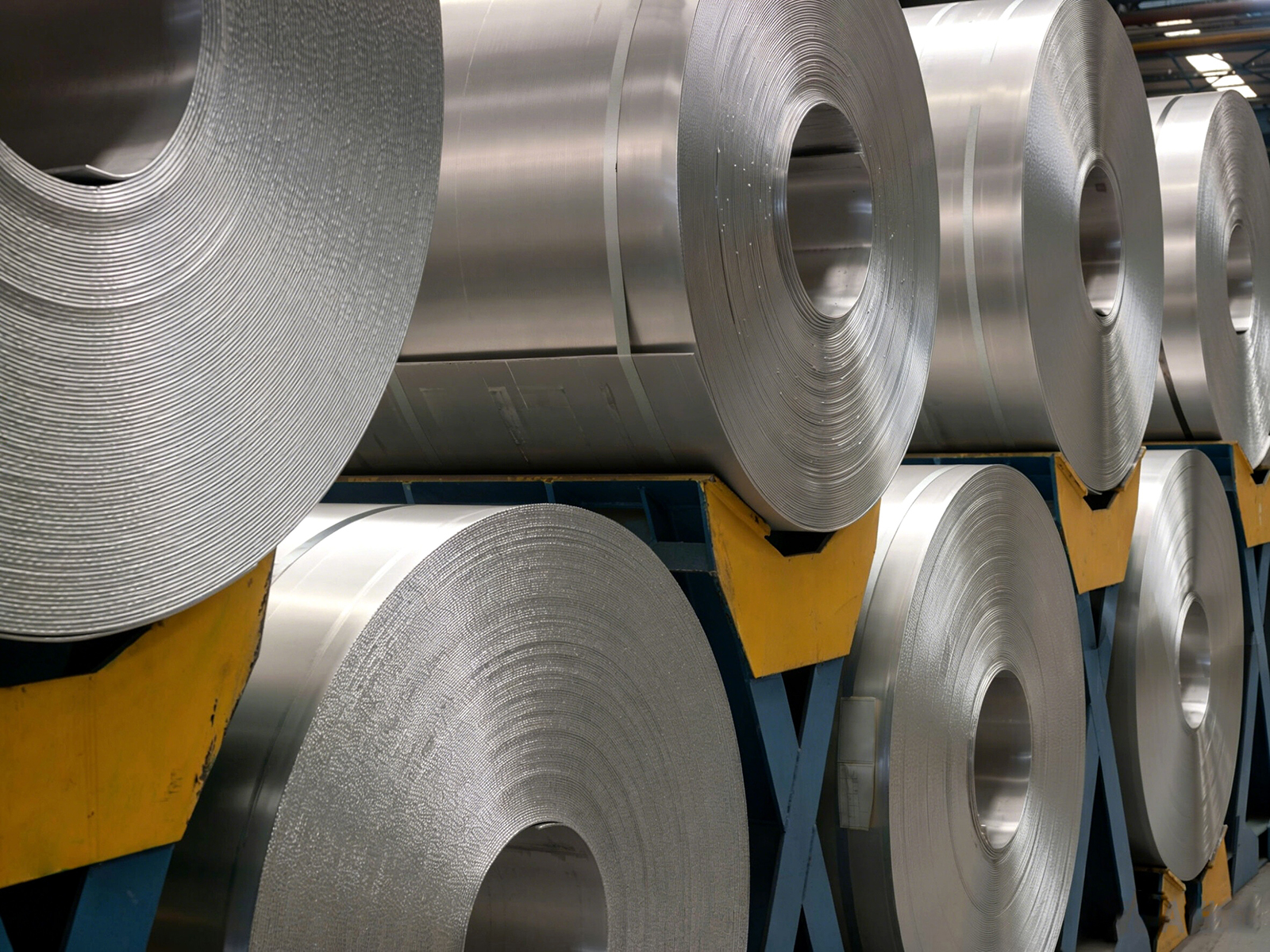
Nickel 200 Foil has become an indispensable key material in the chemical industry with its high purity of more than 99.0% and excellent corrosion resistance. This commercially pure nickel material performs well in highly alkaline, high-temperature oxidizing and electrochemical environments and is particularly suitable for use in electrolysis electrodes, reactor linings, heating elements, and precision anti-corrosion components. Compared with ordinary metal materials, Nickel 200 Foil can significantly extend the service life of equipment, reduce maintenance costs, and meet high-purity process requirements. The specification range of 0.005~1.0 mm (of which ultra-thin customized specifications below 0.03 mm) enables it to adapt to the structural design of complex chemical equipment and provide long-term and stable corrosion protection and performance guarantee for chemical companies.
1. Analysis of the core performance characteristics and chemical applicability of Nickel 200 nickel foil
(1) Material purity and chemical composition stability
The total amount of impurity elements in Nickel 200 is strictly controlled below 1.0%. This high-purity feature ensures that the material will not introduce pollution sources in the chemical environment, and is especially suitable for applications such as pharmaceuticals and food processing that require extremely high material cleanliness. The low carbon content effectively avoids the precipitation of carbides at grain boundaries and improves the material’s resistance to intergranular corrosion.
(2) Microscopic mechanism of resistance to strong alkali corrosion
The surface will be electrochemically passivated to form a dense nickel hydroxide protective film, which prevents further penetration of corrosive media. Even under high-concentration alkali solution and high temperature conditions, this passivation film remains stable, and the corrosion rate is much lower than that of stainless steel and titanium. Test data shows that in 50% sodium hydroxide solution, the corrosion rate of Nickel 200 is only 0.05 mm/year.
(3) High temperature oxidation and thermal stability performance
Nickel 200 Foil has a melting point as high as 1455?C and can maintain excellent mechanical strength and oxidation resistance in chemical process environments below 600?C. The continuous annealing process (temperature control ?2?C, argon protective atmosphere, dew point controlled below -40?C) ensures uniform internal structure of the material and eliminates stress concentration points. This thermal stability makes it ideal for heating reactors, evaporators and heat exchangers.
(4) Advantages of electrical and thermal conductivity
Compared with titanium foil and stainless steel foil, Nickel 200 Foil has excellent electrical and thermal conductivity, which makes it play an important role in electrochemical reactors, electrolyzers and electric heating devices. Good thermal conductivity accelerates the heat transfer efficiency of chemical reactions and improves the stability and controllability of the process.
2. Typical application scenarios and technical requirements in the chemical industry
(1) Electrolysis and electrochemical process equipment
. Its ultra-thin specifications (0.03~0.8 mm) and wide dimensions (350~670 mm) meet the design needs of large electrolysis devices, reduce the number of welded joints, and reduce the risk of leakage.
(2) Strong alkali storage and delivery system
The alkali storage tanks, pipeline linings and valve components of chemical companies are exposed to high-concentration alkaline media for a long time. Even if traditional carbon steel materials are treated with anti-corrosion coatings, they are prone to localized corrosion and perforations. Using Nickel 200 Foil as the lining material can significantly reduce the risk of corrosion failure. Ultrasonic cleaning and alkali cleaning processes ensure that the surface of the foil is free of oil stains and oxides, and has excellent welding performance. It can realize various connection methods such as spot welding and laser welding.
(3) High-purity chemical production equipment
The production process of semiconductor-grade chemical reagents and electronic-grade acid-base solutions has extremely strict requirements on the purity and cleanliness of equipment materials. The high purity characteristics of Nickel 200 Foil avoid metal ion contamination, and the surface contact angle is less than 10?, ensuring good wettability and cleanability. Lining structures of anhydrous hydrogen fluoride systems, ultrapure water preparation systems and fine chemical reactors.
(4) Heating and heat exchange equipment components
Heating elements, heat exchanger tube bundles and evaporator surfaces in chemical processes need to withstand the synergistic effect of thermal stresses and corrosive media. The good ductility of Nickel 200 Foil allows it to be processed into complex shapes of heating coils and bellows structures. The elongation of the annealed material exceeds 25%, and it can still maintain more than 8% plasticity after cold working, making it suitable for multi-pass forming processes.
3. Production process innovation and quality control system
(1) Breakthrough in ultra-thin and wide-width rolling technology
Common problems in ultra-thin foil rolling in the industry include: large thickness fluctuations, difficult shape control, severe work hardening, and obvious edge burrs. Through a process route that combines multi-pass cold rolling and intermediate annealing, combined with 20-roller precision rolling equipment, precision control of thickness tolerance ?0.003 mm can be achieved. This process route can stably produce ultra-thin nickel foil with a maximum width of 670 mm, meeting the wide-width requirements of large chemical equipment.
(2) Continuous annealing and tissue homogenization treatment
Traditional batch annealing has risks of temperature unevenness and oxidation. The continuous argon protection annealing production line adopts a precise temperature control system (?2?C), the purity of argon is not less than 99.99%, and the dew point is controlled below -40?C, ensuring the consistency of the structure throughout the entire length of the foil. The annealing treatment effectively improves the matching relationship between the plasticity and strength of the material. After annealing, the surface presents a uniform silver-white luster without oxidation color difference.
(3) Surface cleaning and quality inspection system
Chemical applications place extremely stringent requirements on material surface quality. The production line is equipped with an ultrasonic cleaning system and alkali liquid degreasing process, which can completely remove rolling oil and surface impurities. A full-process inspection system with a degree of automation reaching 90% conducts online monitoring of the thickness, width, flatness and surface defects of each roll of products to ensure batch stability. Material reports and third-party testing certificates that comply with relevant standards are provided with the product.
(4) Customized processing capability support
The diverse needs of chemical projects have created a strong demand for customized processing of materials. Specification range of 0.005~1.0 mm (of which 0.03 mm or less is ultra-thin customized specifications), surface treatment selection (glossy surface/acid washed surface/matte surface), precision slitting and cutting to length and other services. The annual production capacity of 3,000 tons can meet large-volume, high-standard customer orders, and the delivery cycle is stable and controllable.
3. Actual use cases and economic benefit assessment
(1) Chlor-alkali enterprise electrolyzer renovation project
The original electrolytic cell of a large chlor-alkali manufacturer used a combination of graphite electrodes and titanium-based coated anodes. After three years of operation, the coating fell off, causing the current efficiency to drop by 15%. After switching to Nickel 200 Foil as the cathode substrate, the operating stability of the electrolytic cell has been significantly improved. No obvious corrosion phenomenon was found during the five-year use period, the current efficiency remained above 96%, and the annual energy cost of a single tank was saved by about 180,000 yuan.
(2) High-purity alkali liquid storage system in the pharmaceutical industry
The sodium hydroxide storage tank of a biopharmaceutical company was originally made of 316L stainless steel. During the long-term storage of 30% concentration alkali solution, pitting corrosion occurred. The test found that the iron ions in the solution exceeded the standard. After replacing the Nickel 200 Foil lining structure, the purity of the alkali solution reached electronic grade standards and the iron ion content was reduced to less than 10 ppb, which met the requirements of GMP production specifications and avoided the loss of product batch scrapping due to material contamination.
(3) Anti-corrosion upgrade of fine chemical reactors
The intermittent non-oxidizing acid and strong alkali process environments of a pesticide intermediate manufacturer were alternately impacted. The continuous operation cycle of the equipment was extended from 6 months to 24 months, the annual maintenance cost was reduced by 60%, and the production efficiency was increased by 30%.
(4) Verification of life extension of heat exchange equipment
The plate heat exchanger of the centralized heating system in the chemical industry park originally used 304 stainless steel plates, which had a service life of only 3 years in an alkaline circulating water environment. After switching to plates made of Nickel 200 Foil, the corrosion resistance has been greatly improved, and the expected service life exceeds 10 years. Although the initial investment increased by about 40%, the whole life cycle cost was reduced by more than 50%, and the economic benefits were significant.
4. Material selection guide and technical support services
(1) Material specifications and application matching principles
Chemical companies need to comprehensively consider the working medium, temperature range, pressure level and equipment structure when choosing Nickel 200 Foil. Conventional electrolysis electrodes and heating elements are recommended to use a thickness of 0.3~0.5 mm, taking into account both electrical conductivity and mechanical strength. Precision instruments and micro-reactors can use 0.03~0.1 mm ultra-thin foil materials to achieve lightweight and space optimization. It is recommended that the thickness of large storage tank linings and heat exchanger partitions be 0.5~0.8 mm to improve impact resistance.
(2) Surface condition and subsequent processing requirements
The bright surface foil is suitable for direct welding and assembly, and its surface reflectivity is high, making it easy for quality inspection. Pickled surfaces have better adhesion and are suitable for subsequent coating or plating processes. The matte surface provides a larger surface area, which is beneficial to catalytic reactions and electrochemical processes. The annealed material has excellent plasticity and is suitable for forming processes such as stamping and stretching; the cold-processed material has higher strength and is suitable for pressure-bearing parts.
(3) Suggestions on welding process and connection technology
Nickel 200 Foil can be reliably connected by argon arc welding, laser welding, spot welding and other methods. Surface degreasing and oxide cleaning are required before welding. It is recommended to use nickel-based welding materials (such as ERNi-1) to ensure joint performance. Heat input should be controlled when welding thin-walled structures to avoid deformation and grain growth. For ultra-thin foils (
(4) Long-term performance monitoring and maintenance strategy
After the chemical plant is put into operation, a regular inspection mechanism should be established, focusing on the corrosion status of the weld area, stress concentration areas and media contact surfaces. Non-destructive testing methods such as ultrasonic thickness measurement and penetrant testing are used to evaluate the remaining thickness of the material. For critical equipment, it is recommended that a comprehensive inspection be performed annually to record corrosion rates and surface condition changes. Proper maintenance strategies can extend the service life of Nickel 200 Foil to more than 15 years.
FAQ
Q1: What is the difference in corrosion resistance between Nickel 200 Foil and 316L stainless steel in alkaline environment?
The corrosion rate of Nickel 200 Foil in high-concentration strong alkaline solutions (such as 50% NaOH) is only 0.05 mm/year, which is much lower than the 1~2 mm/year of 316L stainless steel. Its surface passivation film is more stable and will not cause pitting corrosion and intergranular corrosion. It is especially suitable for application scenarios such as chlor-alkali and pharmaceuticals that require long-term contact with alkaline media.
Q2: How can ultra-thin Nickel 200 Foil (0.03~0.1 mm) be reliably installed in chemical equipment?
Ultra-thin foils usually adopt a composite structure design and are firmly bonded with the base metal through explosive compounding or diffusion welding. Laser welding technology can also be used to achieve precise connections and cooperate with the support frame to improve the overall stiffness. The high elongation of the annealed material (?25%) ensures that it will not crack during the forming process and is suitable for the manufacture of complex curved surface structures.
Q3: How to evaluate the applicability and economy of Nickel 200 Foil in specific chemical processes?
It is necessary to comprehensively analyze the pH value, temperature, pressure and corrosive components of the working medium, and refer to the ASTM B162 standard and actual corrosion test data. Compare initial material costs, equipment life, maintenance frequency and downtime losses to calculate full life cycle costs. Normally, although Nickel 200 Foil has a higher unit price, its overall economic benefits are 30~50% better than ordinary materials due to its excellent durability.
Contact us for professional technical support
Baoji Baoji Titanium Valley Titanium Nickel Zirconium Material Processing Co., Ltd., as a professional Nickel 200 Foil manufacturer, has an advanced production line with an annual output of 3,000 tons and complete customized processing capabilities. We provide high-performance nickel foil materials and one-stop technical services to the global chemical, electronics, new energy and other industries. For more product information or customized solutions, please contact: sales@titaniumvalleys.com
References
Liu Zhiqiang, Wang Jianguo. Application of Nickel and Nickel Alloys in Chemical Industry[M]. Beijing: Chemical Industry Press, 2021.
Zhang Wei, Li Qiang. Advanced metal foil rolling technology and equipment[M]. Beijing: Metallurgical Industry Press, 2020.
Chen Xiaodong, Zhao Ming. Electrochemical engineering material selection and anti-corrosion design[M]. Beijing: Sinopec Press, 2022.
Sun Lixin, Zhou Ping. Technical Specifications for High Purity Chemical Production Equipment and Materials[S]. Beijing: China Standards Press, 2023.
Huang Jian, Wu Zhenhua. Research on the corrosion behavior of nickel-based alloys in alkaline environments [J]. Chemical Corrosion and Protection, 2022, 48(3): 25-31.
Wang Zhiqiang, Liu Tao. Effect of continuous annealing process of ultra-thin nickel foil on microstructure and properties [J]. Nonferrous Metal Processing, 2021, 50(6): 18-23.