
What Is Nickel 201 Foil Properties Applications and Purchasing Guide
- Nickel 201 Foil
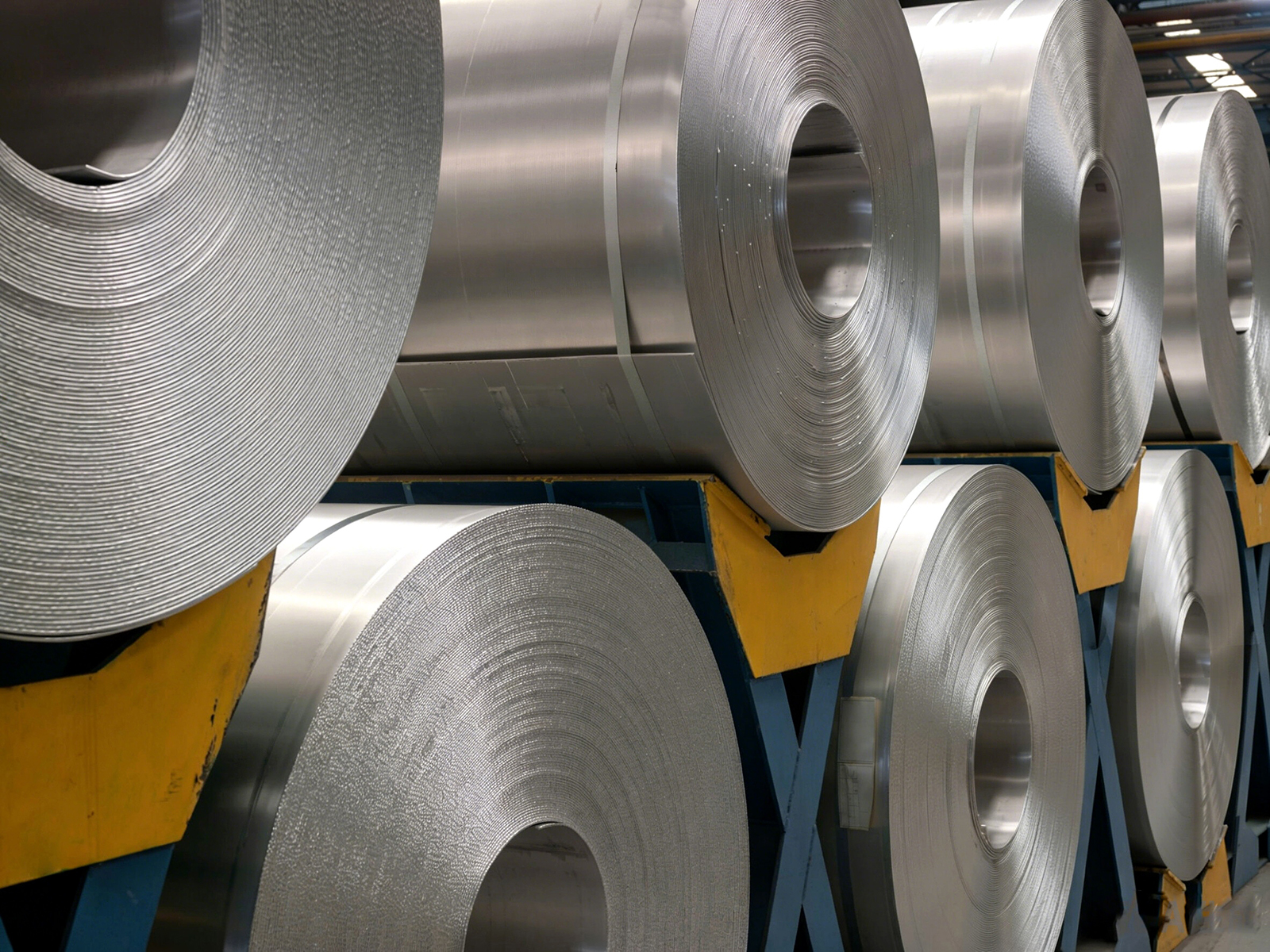
Nickel 201 (UNS N02201) foil is a low-carbon industrial pure nickel material with carbon content strictly controlled at ≤0.02%, significantly lower than the ≤0.15% limit for Nickel 200. This key difference enables Nickel 201 to exhibit excellent resistance to graphitization in high-temperature environments above 315 °C, making it an ideal material for high-temperature caustic processing, evaporation and concentration equipment, and heat-treatment furnaces. This article provides a comprehensive overview of Nickel 201 foil properties, applications, and purchasing guidelines.
1. Definition and Standards for Nickel 201 Foil
Nickel 201 corresponds to the UNS designation N02201 in the Materials International Numbering System and is a low-carbon pure nickel sheet and foil grade specified under the American ASTM B90 standard. In Chinese standards, Nickel 201 corresponds to the N6 low-carbon pure nickel grade. The material composition requires nickel content ≥99.0 wt%, carbon content ≤0.02 wt%, iron content ≤0.40 wt%, and copper content ≤0.20 wt%.
Performance Comparison
Property | Nickel 201 | Nickel 200 | GR2 Pure Titanium | 316L Stainless Steel |
Carbon Content (%) | ≤0.02 | ≤0.15 | — | ≤0.08 |
Nickel Content (%) | ≥99.0 | ≥99.0 | ≥99.0 | — |
Tensile Strength (MPa) | 380–470 | 380–480 | 340–450 | 515–620 |
Performance Above 315 °C | Excellent | May Graphitize | Good | Not Applicable |
2. Core Properties of Nickel 201 Foil
(1) Graphitization Resistance
The low carbon content (≤0.02 wt%) of Nickel 201 fundamentally eliminates the conditions for high-temperature graphitization. In the temperature range of 315–600 °C, Nickel 201 does not undergo graphitization, whereas Nickel 200 may experience severe graphitization within this same interval.
(2) Caustic Corrosion Resistance
Nickel 201 exhibits exceptional corrosion resistance in alkaline solutions. In sodium hydroxide (NaOH) solutions with concentrations as high as 70 wt%, the corrosion rate remains below 0.01 mm/year even at boiling temperatures (approximately 150 °C).
(3) Mechanical Properties
Typical mechanical properties of annealed Nickel 201 foil are as follows: tensile strength 380–470 MPa, yield strength 125–165 MPa, and elongation ≥35%. These values are essentially identical to those of Nickel 200.
(4) Physical Properties
- Density: 8.90 g/cm³
- Melting Point: 1446 °C
- Thermal Conductivity: 90.7 W/(m·K)
- Electrical Resistivity: 6.84 × 10⁻⁸ Ω·m (at 20 °C)
3. Typical Applications of Nickel 201 Foil
Application Summary
Application Area | Service Temperature | Corrosive Medium | Nickel 201 Performance |
Chlor-Alkali Industry | 100–150 °C | Concentrated NaOH | Exceptional |
Pulp and Paper Industry | 150–170 °C | NaOH + Na₂S | Excellent |
Food Processing | 100–140 °C | Caustic cleaning + organic acids | Good |
Flue-Gas Desulfurization | 60–90 °C | Chlorine- and sulfur-containing gases | Good |
Additional applications include:
- Chlor-Alkali Industry: High-temperature caustic evaporators, concentrators, and electrolytic cells
- Pulp and Paper Industry: Linings for sulfate (kraft) digester vessels
- Food Processing: High-temperature sterilization equipment and concentration tanks
- Environmental Protection Equipment: Flue-gas desulfurization (FGD) systems
- Nuclear Industry: Components for nuclear reactor cooling systems
4. Purchasing Guide for Nickel 201 Foil
Thickness Specifications
Thickness Range | Tensile Strength | Elongation | Typical Application |
0.05–0.15 mm | 400–550 MPa | ≥15% | Electronic shielding |
0.15–0.50 mm | 380–470 MPa | ≥35% | Chemical linings |
0.50–2.00 mm | 380–470 MPa | ≥35% | Reactor vessel linings |
Key Purchasing Considerations
- Standards Selection: ASTM B90 (American), EN 1285 (European), GB/T 5231 (Chinese)
- Thickness Range: Standard thickness range: 0.05–3.0 mm
- Surface Quality: Surface shall be smooth, free of cracks, folds, or scratches
- Inspection Reports: EN 10204 Type 3.1 certificate of compliance required
- Supplier Qualification: Select suppliers with relevant industry experience and appropriate certifications
5. Conclusion
With its low-carbon design and outstanding high-temperature and corrosion resistance, Nickel 201 foil offers distinct material advantages in demanding service conditions such as high-temperature caustic processing. For applications operating above 315 °C, Nickel 201 is a safer and more reliable choice compared to Nickel 200.
FAQ
Q1: What is the main difference between Nickel 201 and Nickel 200?
The primary difference lies in carbon content: Nickel 201 has a carbon content of ≤0.02 wt%, while Nickel 200 allows up to 0.15 wt%. This lower carbon content prevents graphitization in Nickel 201 at temperatures above 315 °C.
Q2: Can Nickel 201 be welded?
Yes. Nickel 201 can be joined using conventional welding processes such as TIG, MIG, and resistance welding. ERNi-1 filler metal should be used, and welding must be performed under argon shielding gas protection.
Q3: Why is Nickel 201 more expensive than Nickel 200?
Nickel 201 production requires stricter decarburization refining processes, resulting in higher manufacturing costs. Typically, Nickel 201 is priced 5–15% higher than Nickel 200.
Finding a Reliable Nickel 201 Foil Supplier
Baoti Titanium Valley Titanium Nickel Zirconium Material Processing Co., Ltd. is a professional manufacturer of high-end rare-metal processed products. Equipped with a Danieli rolling production line from Italy, the company produces over 1,000 metric tons of nickel foil annually and offers full-size customization with EN 10204 Type 3.1 certification. Contact us immediately for technical support and quotation: sales@titaniumvalleys.com
References
ASTM International. ASTM B90-21 Standard Specification for Nickel Sheet, Strip, and Foil. West Conshohocken: ASTM International, 2021.
GB/T 5231-2012 Chemical Composition of Processed Nickel and Nickel Alloys. Beijing: Standards Press of China, 2012.