
Why Choose Gr2 Titanium Wire for Industrial Applications?
- Gr2 Titanium Wire
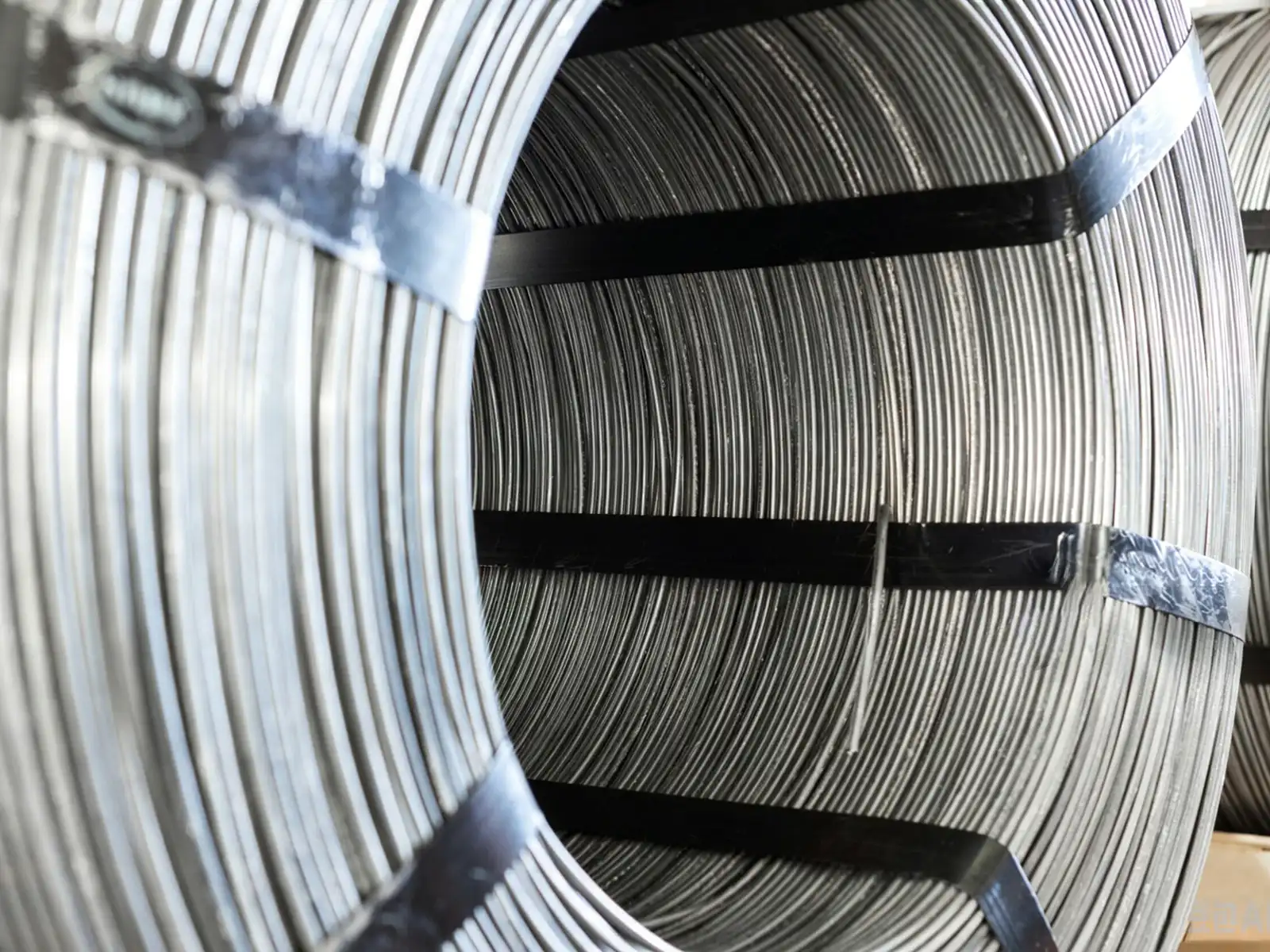
In the selection of industrial materials, Gr2 titanium wire has been widely used in multiple industries. This commercially pure titanium wire, with a titanium purity of over 99.2%, provides a reliable tensile strength of 400-500 MPa while maintaining excellent ductility. Compared to other grades of titanium materials, Gr2 titanium wire achieves the optimal balance between cost and performance. It can not only withstand harsh corrosive environments such as seawater and acids and alkalis but also possesses special properties such as non-magnetic behavior and biocompatibility. From chemical equipment to medical devices, from marine engineering to precision electronics, Gr2 titanium wire provides an economical and efficient material choice for industrial applications with its stable batch quality, wide range of diameters (φ0.1-6.5mm), and excellent processing adaptability, significantly reducing equipment maintenance costs and extending service life.
1. Why Is Material Properties and Industrial Advantages of Gr2 Titanium Wire Important?
(1) What Should You Know About Precise Control of Purity and Composition?
The titanium content of Gr2 titanium wire remains stably above 99.2%, and this high-purity characteristic ensures consistent material performance. Impurity elements are strictly controlled: oxygen content ≤ 0.25%, iron content ≤ 0.30%, carbon content ≤ 0.08%, nitrogen content ≤ 0.03%, hydrogen content ≤ 0.015%. This precise composition ratio allows the titanium wire to maintain stable mechanical properties across different batches, providing reliable assurance for continuous production.
(2) What Should You Know About Balanced Design of Mechanical Properties?
The tensile strength of annealed Gr2 titanium wire ranges from 400-500 MPa, with a yield strength of 275-420 MPa, and elongation maintained between 15-20%. This combination of medium strength and excellent ductility allows it to withstand industrial loads while being easy to form and process. The semi-hard (Y2) and hard (Y) conditions can provide higher strengths of 480-620 MPa and 550-750 MPa, respectively, meeting the requirements of different application scenarios.
(3) What Should You Know About Outstanding Corrosion Resistance Performance?
The surface of titanium wire can naturally form a dense oxide film, only a few nanometers thick, yet it provides lasting protection. In a seawater environment, Grade 2 titanium wire exhibits corrosion resistance superior to conventional stainless steel; according to ASTM B117 standard salt spray tests, no corrosion signs were observed even after 480 hours. When exposed to most organic acids, weak alkalis, and oxidizing acidic media, this material demonstrates excellent resistance, significantly extending the service life of equipment.
Performance indicators | Gr2 Titanium Wire | 304 stainless steel | 316L stainless steel |
Density (g/cm³) | 4.51 | 7.93 | 8.00 |
Tensile Strength (MPa) | 400-500 | 515-620 | 485-620 |
Seawater corrosion resistance | Excellent | general | Good |
Weight advantage (based on 316L) | Weight loss of 43% | Benchmark | Benchmark |
2. What Should You Know About Precision Manufacturing Processes and Quality Control?
(1) What Should You Know About Advanced Continuous Rolling Technology?
Using an Italian Danieli continuous rolling production line, with equipment investment reaching 40.5 million USD, a revolutionary breakthrough in titanium wire manufacturing has been achieved. The GCC short-stress rolling mill adopts a horizontal/vertical alternating arrangement (5543 4334 configuration), precisely controlling the heating temperature of titanium billets at 1200℃ (Note: the β-phase transformation temperature of titanium is about 882℃; this temperature has entered the β-phase region, which may affect subsequent performance. In actual production, process parameters need to be adjusted according to the phase transformation characteristics, such as controlling the heating time or using multi-step heating, to optimize microstructure and performance). Key process nodes are monitored, ensuring the stability of the production process, with ovality controlled within the range of 0.15-0.2 mm, far lower than the industry norm of 0.3 mm.
(2) What Should You Know About Multi-pass Cold Drawing Process?
The cold drawing process uses roller die technology, gradually drawing titanium bars into fine wires through more than ten progressive deformation steps. The drawing reduction in each step is precisely controlled, combined with segmented annealing to relieve stress, preventing material embrittlement. This process not only improves yield strength and the yield-to-tensile ratio, but also enhances the shear performance of fasteners, keeping the diameter tolerance of φ6.5mm products within ± 0.02mm.
(3) What Should You Know About Surface Treatment and Quality Inspection?
Vacuum melting ensures high purity and uniform composition of the raw materials. The bright drawing process gives the wire a smooth and bright surface with an extremely low defect rate. Precision straightening treatment controls the straightness within 2‰, which is crucial for welding positioning and molten pool stability. Full-process inspections include spectral composition analysis, tensile tests, eddy current, and ultrasonic non-destructive testing, ensuring that each batch of products meets ASTM B863 standard requirements.
Process step | Technical Specifications | Quality Control |
Heating system | Induction/resistance heating, 1200℃ ± 10℃ | Temperature Uniformity Monitoring |
Continuous rolling | Danieli GCC rolling mill, 5543 4334 configuration | Ovality ≤ 0.2 mm |
Cold drawing | Multiple-pass roll forming, progressive deformation | Diameter tolerance ± 0.02mm |
Surface treatment | Pickling/Bright Drawing/Anodizing | Surface roughness Ra ≤ 0.8 um |
Straightness | Precision straightening | ≤ 2/1000 |
Finished Product Inspection | Spectroscopy/Mechanics/Nondestructive Testing | 100% Full Inspection |
3. Why Is Diverse Industrial Application Scenarios Important?
(1) What Should You Know About Core Materials in the Field of Chemical Anti-corrosion?
The chemical industry faces complex and variable media, and traditional metal materials often need frequent replacement due to corrosion. Heat exchanger tube bundles, electrolytic cell anodes, reactor linings, and corrosion-resistant screens made from Gr2 titanium wire can operate stably for long periods in strong acid and alkali environments. The filtering mesh woven from titanium wire has uniform aperture and reliable strength, which not only improves filtration efficiency but also significantly reduces equipment maintenance frequency. Fasteners are formed by cold heading titanium wire, avoiding the risk of equipment leakage caused by bolt corrosion.
(2) What Should You Know About a Reliable Choice for Marine Engineering?
Salt fog corrosion in the marine environment is a severe test for engineering materials. Gr2 titanium wire demonstrates lasting corrosion resistance in seawater pipelines, ship fittings, and deep-sea exploration structures. With a density of 4.51 g/cm³, only 57% that of steel, it significantly reduces the structural load of marine platforms. Its non-magnetic characteristics make it suitable for use around precision navigation equipment without interfering with magnetic field measurements. Titanium wire maintains stable performance in a wide temperature range from -253℃ to 300℃, meeting the requirements for use in extreme marine environments.
(3) What Should You Know About High-quality Supply of Welding Materials?
ERTi-2 welding wire is a key consumable material for the manufacture of titanium equipment. Available in diameters ranging from φ0.8mm to φ3.0mm, it offers excellent wire feeding performance, ensuring the density and strength of the welds. The tensile strength of welded joints can reach over 90% of the base metal, with an elongation of over 12%. Its high straightness characteristic allows precise positioning during automated welding, a stable molten pool, and reduces spatter and porosity defects, improving welding efficiency and yield.
(4) Why Is Precision Applications in the Electronics and Medical Fields Important?
Ultra-fine titanium wire (φ0.1-0.4mm) is used in electronic instruments as non-magnetic springs, sensor leads, shielding mesh, and high-frequency components. Its excellent elasticity and fatigue strength meet the long-term reliability requirements of precision instruments. In the medical field, the biocompatibility of titanium wire makes it an ideal choice for surgical instruments, implant components, dental materials, and minimally invasive devices. Its non-toxic and non-allergenic properties have passed the ISO 5832-2 medical-grade standard certification, ensuring patient safety.
(5) What Should You Know About Lightweighting of Structural Components and Consumer Products?
Consumer products such as sports equipment, eyeglass frames, and precision brackets pursue a combination of lightweight and durability. Gr2 titanium wire’s high specific strength (strength-to-density ratio) provides excellent load-bearing capacity while reducing product weight and enhancing user comfort. The surface can undergo anodizing treatment, presenting various colors such as space gray and silver, meeting both functional and aesthetic requirements.
4. Why Is Solutions to Key Application Challenges Important?
(1) What Should You Know About Overcome the Risk of Fractures at Moderate Intensity?
Many industrial scenarios require materials to maintain flexibility while bearing loads. Ordinary steel wire has high strength but insufficient toughness, whereas copper wire has good toughness but relatively low strength. Gr2 titanium wire, with a tensile strength of 400-500 MPa and an elongation of 15-20%, is not easily broken during bending, winding, and other forming processes. Semi-hard and hard states further extend the strength range, ensuring that fasteners and elastic components maintain reliable performance under dynamic loads.
(2) What Should You Know About Extend Service Life in Corrosive Environments?
Frequent shutdowns and maintenance of chemical plants often stem from material corrosion failures. Stainless steel is prone to pitting and stress corrosion cracking in chloride environments, while carbon steel dissolves rapidly in acidic media. The oxide film on Gr2 titanium wire has self-repairing ability in oxidative environments, and can maintain long-term stability even in harsh media such as seawater, chlor-alkali, and sulfuric acid. The fact that it shows no corrosion after 480 hours of salt spray testing means that the maintenance cycle of the equipment can be extended several times, significantly reducing operation and maintenance costs.
(3) What Should You Know About Deformation Control in Precision Machining?
Precision instruments and medical devices have extremely high requirements for the dimensional accuracy of wire materials. Uneven internal stress in the material can cause warping and deformation after processing, affecting assembly accuracy. Gr2 titanium wire undergoes a segmented annealing process to fully eliminate cold work stress, resulting in a uniform internal structure. The diameter tolerance is controlled within ± 0.02mm, with excellent roundness and straightness, enabling automated assembly equipment to stably grasp and position the wire, reducing the defect rate.
(4) How Should Reduce Material Selection and Maintenance Costs?
Although high-purity titanium wire (such as Gr1) has excellent performance, it is expensive, and titanium alloys (such as TC4) are difficult to process and even costlier. Gr2 titanium wire strikes the best balance between performance and economy, making it the most cost-effective choice for industrial applications. Its wide range of specifications and stable supply capacity simplify the procurement process. The extended equipment service life and reduced maintenance frequency significantly lower the total lifecycle cost and considerably improve the return on investment.
Application Challenge | Traditional material issues | Advantages of Gr2 Titanium Wire |
moderate-intensity fracture | The steel wire lacks toughness, and the copper wire has relatively low strength | Balanced strength and ductility, continuous bending |
Short corrosion life | Stainless steel pitting, rapid dissolution of carbon steel | Self-repairing oxide film (in oxidative environment), resistant to salt spray for 480 hours |
Precision deformation control | Internal stress causes warping deformation | Fully annealed, tolerance ± 0.02mm |
High selection cost | Gr1 is expensive and difficult to machine as an alloy | Best value for money, complete specifications |
Insufficient welding strength | The joint is prone to cracking | Weld strength ≥ 90% of base metal |
Fatigue failure | Cracking under cyclic loading | High fatigue strength, long-term reliability |
5. What Should You Know About Quality System and Global Certification Standards?
(1) What Should You Know About Strict Production Quality Management?
The company has established a full-process quality control system with an automation rate exceeding 90%. Starting from the vacuum melting of titanium ingots, each process node is equipped with online inspection equipment. Spectrometers monitor composition fluctuations in real time, laser micrometers continuously measure the diameter of the wire, and eddy current flaw detectors automatically remove products with surface defects. The data acquisition system records the process parameters of each batch of products to ensure traceable quality. Inspectors are certified and carry out sampling and performance testing according to ASTM B863 standards.
(2) What Should You Know About International Standard Certification System?
The production of Gr2 titanium wire strictly follows multiple international standards: ASTM B863 specifies the chemical composition and mechanical property requirements, ISO 9001 quality management system ensures process standardization, and RoHS certification guarantees environmental compliance. Medical-grade products are certified according to ISO 5832-2 and ASTM F136 standards, meeting implant-level application requirements. Each batch of products is supplied with an EN 10204-3.1 material certificate, including chemical analysis reports, mechanical property test reports, and non-destructive testing reports. In addition, the products also comply with the national standard GB/T 3623-2022 “Titanium and Titanium Alloy Wire”.
(3) What Should You Know About Customized Service Capability?
The production line has an annual capacity of 20, 000 tons and can reliably meet the demand for large-volume orders. Diameter specifications range from φ0.1mm to φ6.5mm and can be customized up to φ10mm according to customer requirements. Supply forms include straight wire (cut to lengths from 500mm to 3000mm) and coiled wire (500m to 3000m per roll). Surface treatments are available in pickling, bright, matte, and anodized (space gray, silver) finishes. The technical team can assist customers in selecting the appropriate state (annealed, half-hard, hard) and specifications, providing application guidance and process recommendations.
6. What Is the Conclusion?
Gr2 titanium wire, with its balanced mechanical properties, excellent corrosion resistance, and superior processing adaptability, has become the most cost-effective material choice in industrial applications. From chemical corrosion protection to marine engineering, from precision electronics to medical devices, it addresses many pain points of traditional materials in terms of strength, corrosion resistance, and service life. Advanced manufacturing processes and strict quality management ensure product stability and reliability, providing a trustworthy material supply for customers worldwide.
FAQ
Q1: What is the main difference between Gr2 titanium wire and Gr1 titanium wire?
The oxygen content (≤ 0.25%) and iron content (≤ 0.30%) of Gr2 titanium wire are slightly higher than those of Gr1, allowing its tensile strength to reach 400-500 MPa, about 15% higher than Gr1. While maintaining excellent ductility and corrosion resistance, it is more cost-competitive and is the most widely used grade in industrial applications.
Q2: Can Gr2 titanium wire be used in high-temperature environments?
Gr2 titanium wire can work stably for long periods below 300℃, and can tolerate temperatures up to 450℃ for short periods. However, at higher temperatures, titanium reacts more intensely with oxygen, so it is recommended to use titanium alloy materials. For low-temperature applications, titanium wire still maintains good toughness in a -253℃ liquid hydrogen environment, with no low-temperature embrittlement issues.
Q3: How to choose the appropriate state of Gr2 titanium wire (annealed, half-hard, hard)?
The annealed state (M) has the best ductility, suitable for cold forming, bending, and coiling processes; the half-hard state (Y2) has a balance of strength and elasticity, suitable for springs and elastic components; the hard state (Y) has the highest strength, used for load-bearing structures and fasteners. For specific forming requirements and strength needs based on the application, professional advice from suppliers can be consulted.
What Should You Know About Contact Titanium Valley Immediately?
As a professional titanium material manufacturer and supplier, Titanium Valley has world-class production equipment and a technical team, with an annual production capacity of over 20, 000 tons. We offer customized Gr2 titanium wire processing services, complete with 3.1 material certificates. Welcome to contact us for samples and technical support: sales@titaniumvalleys.com
References
- Zhang Xiaoming, Wang Xiangdong. Handbook of Titanium and Titanium Alloy Materials [M]. Beijing: Chemical Industry Press, 2012.
- Li Yongjun, Liu Zhenjun. Research on the Processing and Properties of Industrial Pure Titanium [J]. Materials Review, 2018, 32(3): 45-52.
- Zhao Zhiyuan, Chen Guoliang. Progress in the Application of Titanium Wires in Chemical Corrosion Protection [J]. Corrosion Science and Protection Technology, 2019, 31(6): 78-84.
- Huang Boyun, Li Chenggong. Titanium Alloy Materials and Their Applications [M]. Changsha: Central South University Press, 2015.