
Why Is Gr1 Titanium Foil for Medical Devices, Advantages and Uses Important?
- Gr1 Titanium Foil
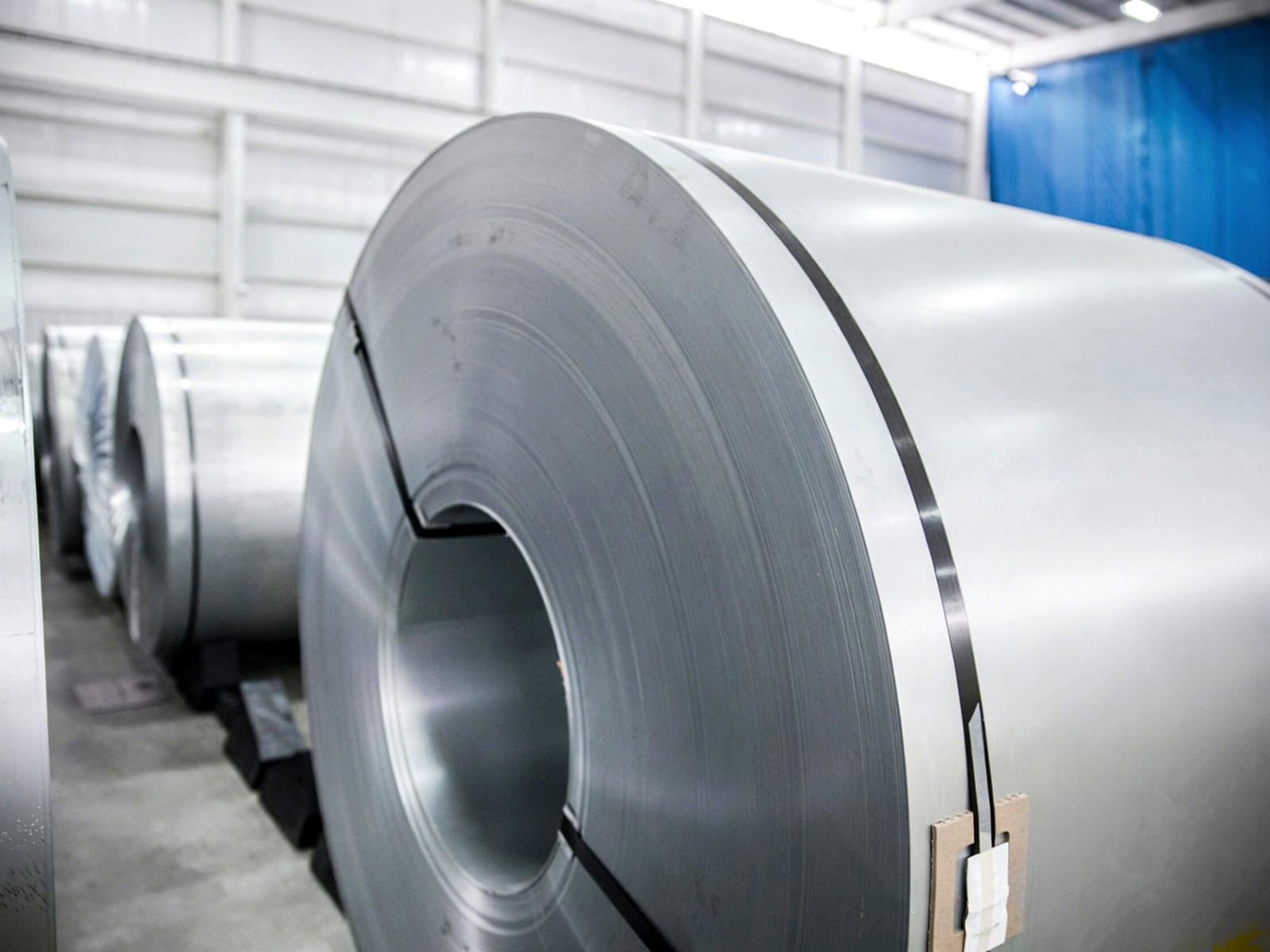
The medical device field has extremely high requirements for the biocompatibility, corrosion resistance, and machining precision of materials. Gr1 titanium foil, with a purity of ≥ 99.5%, excellent biocompatibility, and outstanding corrosion resistance, has become an ideal material for medical implants, surgical instruments, and diagnostic equipment. This ultra-thin titanium foil (thickness 0.02-1.0mm) has good plasticity and weldability, meeting the precision processing needs of complex medical structures. Its density is about 57.5% that of typical stainless steel, significantly reducing the weight of implanted instruments, while maintaining long-term stability in the human body without causing toxic reactions or metal ion release, in compliance with international medical material standards such as ASTM B265.
1. Why Is the Core Advantages of Gr1 Titanium Foil in Medical Devices Important?
(1) What Should You Know About Excellent Biocompatibility and Safety?
Industrial pure titanium, as one of the highest-quality medical metal materials, has Gr1 titanium foil with a purity of ≥ 99.5%, strictly controlling the content of impurities such as iron, oxygen, and carbon. This high purity ensures that the material will not cause rejection reactions or tissue inflammation in the human body. The titanium surface can spontaneously form a stable titanium oxide film layer, with a thickness of about 1-10 nanometers. This film layer is inert and can prevent the release of metal ions to surrounding tissues, avoiding metal allergy issues that may occur with traditional stainless steel or cobalt-chromium alloy instruments.
Material Type | Biocompatibility grade | Metal ion release rate | Tissue reaction |
Gr1 Titanium Foil | Complies with ISO 10993 series requirements | <0.01 μg/cm²/day | No inflammatory response |
316L stainless steel | Medical grade | 0.5-2.0 μg/cm²/day | Mild fibrosis |
Cobalt-chromium alloy | Medical grade | 0.2-0.8 μg/cm²/day | Potential allergy risk |
(2) Why Is Clinical Value Brought by Lightweight Design Important?
Titanium foil has a density of 4.51 g/cm³, which is only 57.5% that of typical stainless steel. This characteristic is particularly important in orthopedic implants and portable medical devices. Fracture fixation plates made from 0.5mm thick Gr1 titanium foil can reduce weight by more than 40%, alleviating the postoperative burden on patients and accelerating the recovery process. Cranial repair meshes use ultra-thin titanium foil (0.02-0.1mm), which can perfectly conform to the contours of the skull while maintaining sufficient strength, avoiding the tissue compression problems caused by the excessive weight of traditional metal meshes.
(3) What Should You Know About Excellent Corrosion Resistance Ensures Long-term Stability?
Human body fluids contain chloride ions, proteins, and various enzymes, forming a complex corrosive environment. Gr1 titanium foil remains stable in body fluids with a pH of 4-10, and its resistance to pitting and crevice corrosion far exceeds that of stainless steel. The twenty-roll mill precision rolling process ensures foil thickness tolerance is controlled within ± 0.001 mm, with surface roughness Ra < 0.1 um (meeting the surface requirements for medical implants). This high-precision surface reduces microscopic defects, further enhancing corrosion resistance. Argon annealing treatment (temperature control ± 2℃, argon atmosphere protection) makes the material structure uniform, eliminates internal stress, and ensures that implanted devices have a service life of over 20 years in the body.
2. Why Is Typical Application Scenarios in the Field of Medical Devices Important?
(1) What Should You Know About Implantable Medical Device?
The pacemaker casing is formed by multiple deep-drawing processes using 0.1-0.3mm thick Gr1 titanium foil, providing both electromagnetic shielding protection and long-term resistance to bodily fluids. The excellent ductility of the titanium foil (elongation ≥ 25%) allows complex curved surface forming, and, combined with laser welding technology, achieves a sealed structure. The stent ring of the artificial heart valve is processed from wide titanium foil (350-670mm) through a single cutting operation, avoiding weak points and corrosion risks associated with multi-segment welding.
Type of implantable device | Titanium foil thickness range | Key performance requirements | Service life |
Pacemaker casing | 0.1-0.3mm | Electromagnetic shielding, sealing | >15 years |
Orthopedic fixation plate | 0.5-0.8mm | Fatigue resistance strength, flexibility | >10 years |
Cranial repair mesh | 0.02-0.1mm | Conformability, low X-ray artifacts | Permanent Implant |
Artificial vascular stent | 0.05-0.15mm | Radial support force, compliance | >20 years |
(2) What Should You Know About Surgical Instruments and Tools?
Minimally invasive surgical forceps and laparoscopic instruments are made from 0.3-0.5mm thick titanium foil, capable of repeated high-temperature sterilization (134℃ high-pressure steam) without oxidation or discoloration. The non-magnetic nature of the material makes it compatible with MRI environments, facilitating real-time imaging guidance during surgery. The ultrasonic alkaline cleaning process ensures the surface energy value is stably maintained at 44 mN/m, providing high surface cleanliness and reducing the risk of protein residue and bacterial adhesion.
(3) What Should You Know About Diagnostic and Monitoring Equipment?
Portable blood glucose meters and electrocardiogram monitoring electrodes use 0.02-0.05mm ultrathin titanium foil as the conductive substrate, combining good conductivity (resistivity 42 μΩ·cm, measured in the annealed state) with skin compatibility. The chemical stability of titanium foil prevents electrochemical corrosion caused by long-term skin contact, extending the electrode’s service life. Wide titanium foil (up to 670mm) can be mass die-cut produced, improving manufacturing efficiency and reducing costs.
3. What Should You Know About Precision Machining Technology Ensures Medical-grade Quality?
(1) What Should You Know About Ultra-thin Wide-width Stable Rolling Technology?
Medical devices have extremely high requirements for the thickness uniformity of titanium foil; any local variation in thickness can affect the biomechanical performance of implants. The 750mm, twenty-roll precision rolling mill controls thickness tolerances within ± 0.001mm through multiple passes of cold rolling. This level of precision ensures uniform stress distribution in orthopedic fixation plates, avoiding the risk of fatigue fractures. The wide rolling capability (350-670mm) allows large medical components to be formed from a single sheet of foil, eliminating quality risks associated with welded seams.
(2) What Should You Know About Surface Cleanliness Control System?
Medical implants require material surface cleanliness close to semiconductor levels. Ultrasonic cleaning combined with alkaline solution treatment can remove oil residues and metal particles remaining from the rolling process, leaving surface grease below 1 μg/cm² (i.e., less than 10⁻⁶ g/cm²). The independently developed degreasing agent formula is optimized for the characteristics of titanium, ensuring cleaning effectiveness without damaging the oxide film on the titanium foil surface. The continuous cleaning and annealing production line achieves a 90% automation rate, reducing contamination from human contact and meeting the requirements of the ISO 13485 medical device quality management system.
Processing procedure | Quality control parameters | Testing method | Compliance with medical standards |
Precision rolling | Thickness tolerance ± 0.001mm | Laser Thickness Gauge | ASTM B265 |
Surface cleaning | Residual oil <1 μg/cm² | Infrared Spectroscopy | ISO 10993-12 |
Argon annealing | Temperature uniformity ± 2℃ | Thermocouple Array Monitoring | AMS 4900 |
Leveling treatment | Flatness deviation <0.5mm/m | Optical Flatness Meter | EN 10204 |
(3) What Should You Know About Full-process Quality Traceability System?
Each roll of medical-grade titanium foil comes with a unique batch number, recording the chemical composition of the raw material, rolling parameters, heat treatment curves, and mechanical performance test data. Vacuum furnace annealing ensures complete material microstructure transformation, and microscopic observations show uniform grain size with no unusually large grains or inclusions. The stable mechanical performance (tensile strength ≥ 240 MPa, yield strength ≥ 170 MPa, typical values for annealed Grade 1) comes from strict process parameter control and real-time online monitoring.
4. What Should You Know About Cost and Performance Optimization of Domestically Produced Medical-Grade Titanium Foil?
(1) What Should You Know About Technological Progress in Domestic Substitution?
The market for traditional medical-grade ultrathin titanium foil has long been dominated by companies from the United States and Japan, with high prices and long delivery times. By overcoming core technical challenges such as surface color difference control, compensation for the rebound of ultrathin materials, and uniformity of continuous annealing microstructure, domestically produced Gr1 titanium foil has achieved stable mass production of 0.02mm ultrathin specifications. The twenty-roll rolling technology allows plate shape control to reach an internationally advanced level, and ultrawide titanium foil with a width of up to 670mm fills a domestic gap.
(2) What Should You Know About Price Competitiveness Brought by Large-scale Production?
The automated production line with an annual capacity of 3, 000 tons reduces unit costs by approximately 30-40%, making domestically produced medical-grade titanium foil significantly more cost-effective than imported products. The integrated processing capability from titanium slabs to finished foil shortens the supply chain, reducing delivery times from 3-4 months for imported products to 4-6 weeks. The capacity for stable large-volume supply is particularly suitable for manufacturers of high-consumption medical devices such as pacemakers and artificial joints, lowering inventory costs and the risk of supply shortages.
(3) What Should You Know About Customized Services Meet Special Needs?
In the R&D stage of medical devices, experimental materials with non-standard specifications are often required, such as micron-level films of 0.001-0.008mm or narrow-band materials of specific widths. Flexible production line configurations support small-batch customization (minimum order of 50 kilograms). Combined with vacuum furnace heat treatment and high-precision slitting equipment, a variety of combinations of surface conditions (glossy, matte, sandblasted, which require biocompatibility verification) and dimensional specifications can be provided. The technical team offers full-process technical support, from material selection and forming processes to surface treatment.
5. Why Is Future Directions of Medical Applications Important?
(1) What Should You Know About Minimally Invasive Interventional Treatment Instruments?
With the advancement of minimally invasive surgical techniques, the demand for extremely thin titanium foil of 0.01-0.03 mm is increasing in areas such as vascular stents and neuro-interventional catheters. Ultra-thin titanium foil can be processed with laser micro-perforation to make drug-eluting stent substrates, whose balance of biocompatibility and radial support strength is superior to existing cobalt-chromium alloy products. Composite structures of degradable magnesium alloy coatings with titanium foil substrates are becoming the research direction for the next generation of temporary implants.
(2) What Should You Know About Intelligent Medical Electronic Integration?
The combination of flexible electronics technology and medical monitoring devices has spawned a demand for bendable and stretchable titanium foil substrates. Titanium foil with a thickness of 0.05 mm can be surface-treated and then have biosensor circuits directly deposited on it, making it suitable for adhesive ECG monitoring patches or implantable blood glucose sensors. The electromagnetic shielding performance of titanium foil protects sensitive circuits from interference by electrophysiological signals in the body, and its chemical stability ensures the long-term reliable operation of electronic components.
(3) What Should You Know About 3D Printed Medical Implants?
Gr1 titanium powder (produced by atomization or plasma rotating electrode process) can be used as a raw material for selective laser melting (SLM) 3D printing to manufacture patient-specific orthopedic implants. High-purity titanium powder ensures the biocompatibility of the printed parts. Combined with topology optimization design, the printed porous structure implants can both reduce weight and promote bone tissue ingrowth, fully utilizing the excellent biocompatibility of Gr1 titanium in this application.
6. What Is the Conclusion?
Gr1 titanium foil, with its excellent biocompatibility, lightweight properties, and long-term corrosion resistance, has become an indispensable key material in modern medical device manufacturing. From pacemakers to orthopedic implants, from surgical instruments to diagnostic equipment, the precise processing technology of ultra-thin, wide titanium foil continuously drives innovation and upgrades in medical products. The large-scale production of domestically-made high-end titanium foil has broken the import monopoly, providing the global medical device industry with a high-quality, cost-effective material option.
FAQ
Q1: What are the differences between Gr1 titanium foil and Gr2 titanium foil in medical applications?
Gr1 titanium foil has higher purity (Ti≥ 99.5%), lower impurity content, better biocompatibility, and superior plastic deformation ability, making it particularly suitable for implants that require deep drawing or extreme bending. Although Gr2 has slightly higher strength, its elongation is lower, making it more suitable for components with high strength requirements but simple forming needs.
Q2: Does the surface treatment of medical-grade titanium foil affect biocompatibility?
After ultrasonic cleaning and alkali washing treatment, the surface of the titanium foil has a complete and clean titanium oxide film, which does not alter biocompatibility. Treatments such as acid etching or sandblasting may increase surface roughness, which is beneficial for bone tissue attachment, but it is necessary to ensure that any residual acid or abrasive material is completely removed.
Q3: How difficult is it to weld ultra-thin titanium foil (<0.05mm) in medical devices?
Laser welding or resistance spot welding technology can achieve reliable connections for 0.02-0.05mm thin foils, with the key being to control heat input to avoid burn-through. An argon-protected environment prevents oxidation, and the weld strength can reach more than 85% of the base material. It is recommended to use a lap joint structure rather than a butt joint to improve joint reliability.
What Should You Know About Contact Us Immediately?
For further information, you can refer to the following contact: Baoji Titanium Valley, as a professional titanium foil supplier, has an annual production capacity of 3, 000 tons and a complete quality system, and can provide medical-grade titanium foil that meets ASTM B265 standards as well as custom processing services. You are welcome to contact us for technical specifications and samples: sales@titaniumvalleys.com
References
- Zhang Minghua, Li Jianguo. Medical Titanium and Titanium Alloy Materials Science [M]. Beijing: Chemical Industry Press, 2019.
- Wang Yunfeng, Chen Zhenhua. Research on Key Technologies of Precision Rolling for Ultra-thin Titanium Foil [J]. Rare Metal Materials and Engineering, 2020, 48(6): 1856-1862.
- Zhao Guoqiang, Liu Wei. Research Progress on the Biocompatibility and Surface Modification of Medical Pure Titanium [J]. Chinese Journal of Medical Devices, 2021, 45(3): 281-287.
- Liu Zhiqiang, Zhou Ming. Current Status and Prospects of Titanium and Titanium Alloys in the Medical Field [J]. Functional Metal Materials, 2022, 29(2): 1-10.
- Huang Boyun, Li Chenggong. Encyclopedia of Materials Engineering in China: Non-Ferrous Metal Materials Engineering [M]. Beijing: Chemical Industry Press, 2006.