
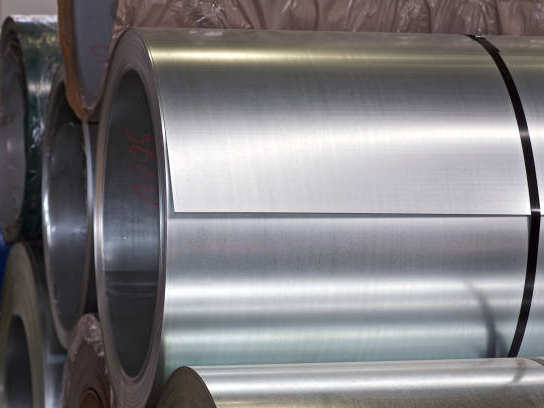
What Are the Differences Between Gr5 Titanium Foil and Commercially Pure Titanium in High-End Applications?

Simply put, Gr5 titanium foil (Ti-6Al-4V) is an alpha-beta dual-phase titanium alloy. Its tensile st...
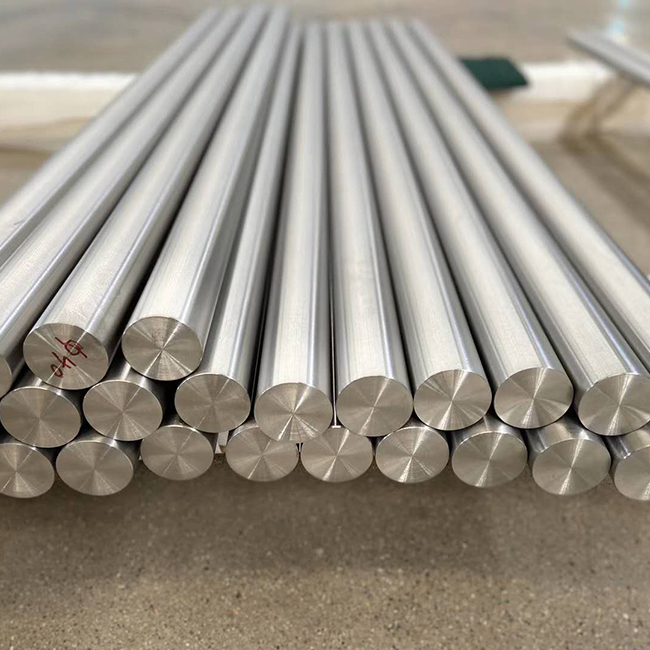
What Are the Technical Features and Applications of Gr5 Titanium Rod?
Engineers turn to Gr5 titanium rod (Ti-6Al-4V) to solve material failure issues. Procurement manager...
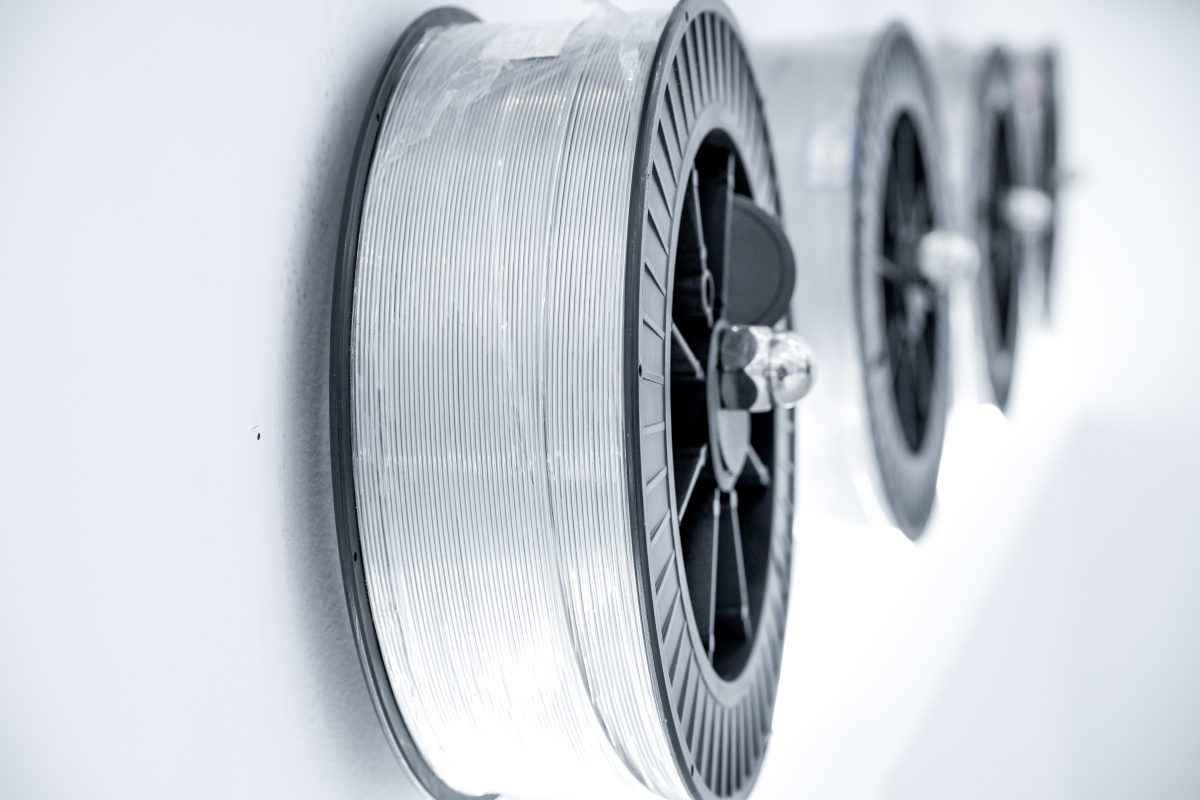
What Are the Key Roles of Gr4 Titanium Wire, from Welding Consumables to Medical Implants?
Gr4 titanium wire is the highest strength grade among commercially pure titanium. It plays an irrepl...
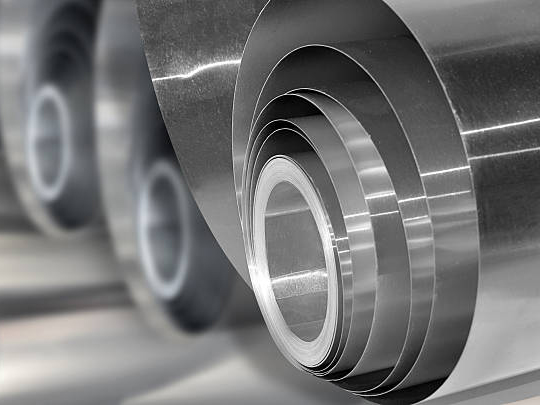
Why Is Gr4 Titanium Foil Widely Used in Medical Devices, from Orthopedic Implants to Cardiovascular Stents?
Material selection directly impacts patient safety and treatment results in the medical device indus...
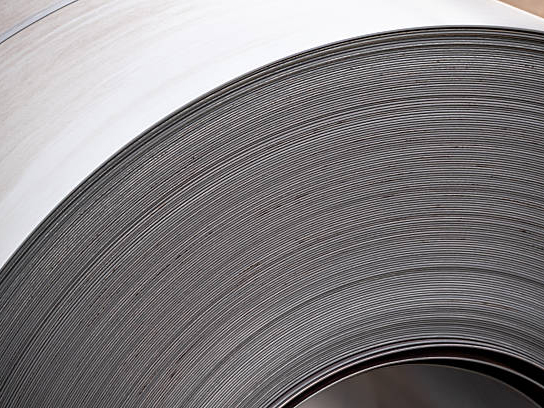
How Does Gr1 Titanium Foil Compare with Stainless Steel Foil for High-End Manufacturing?
Material selection directly affects product performance and total service life cost in prec...
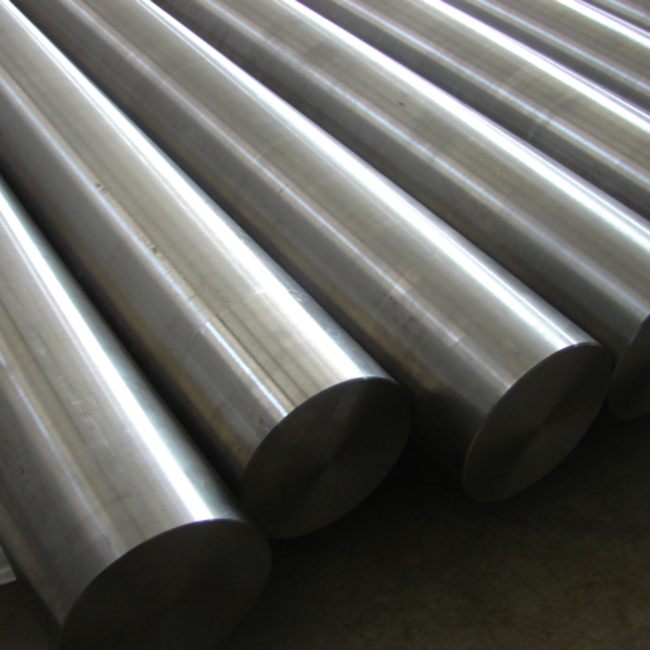
Why Do Gr1 Titanium Rods Gain Wide Use in High-end Manufacturing?
Gr1 titanium rod is the highest purity Grade among commercially pure titanium. It features strong co...
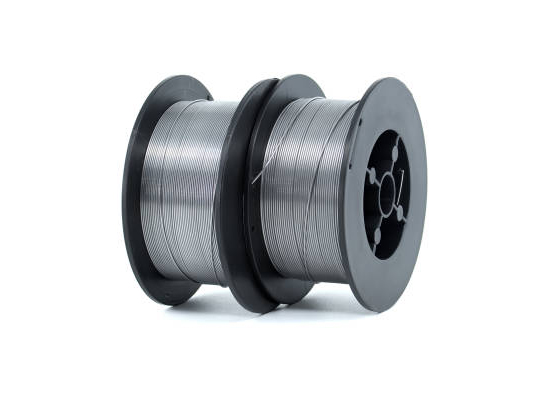
What Are the Machining Features of Gr1 Titanium Wire and How Can the Process Be Optimized?
Gr1 titanium wire ranks among commercially pure titanium products with the lowest impurity content. ...
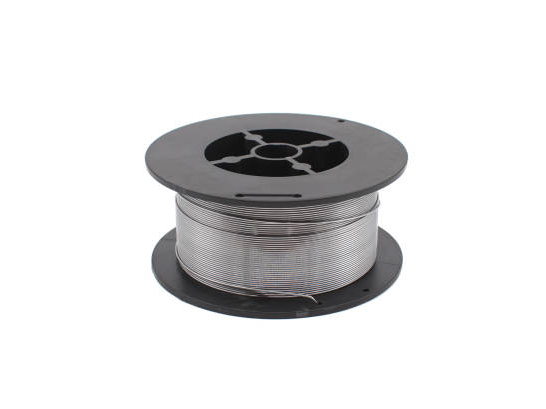
What Are the Key Performance Advantages of Gr1 Titanium Wire in Precision Manufacturing?
Material reliability decides product performance in aerospace, medical device and precision electron...
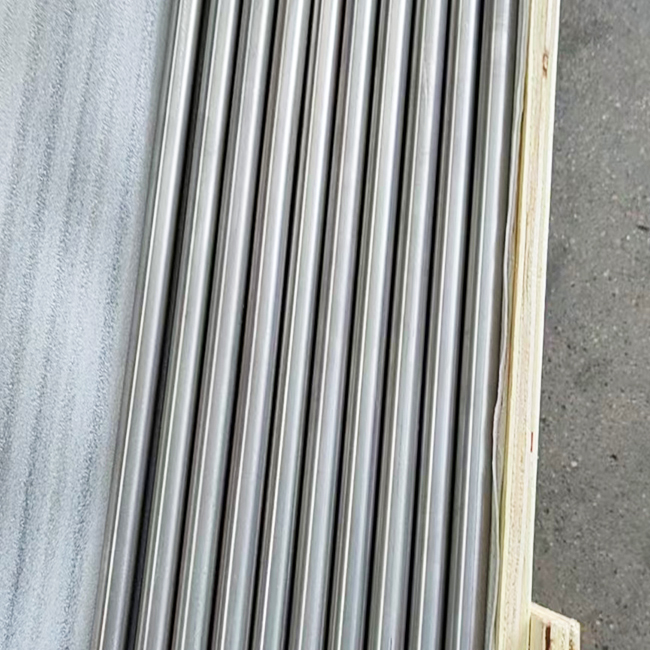
Why Is Gr4 Titanium Rod the Gold Standard for Dental Implants in Oral Healthcare?
Gr4 titanium rod has the highest strength among commercially pure titanium. It acts as the core mate...
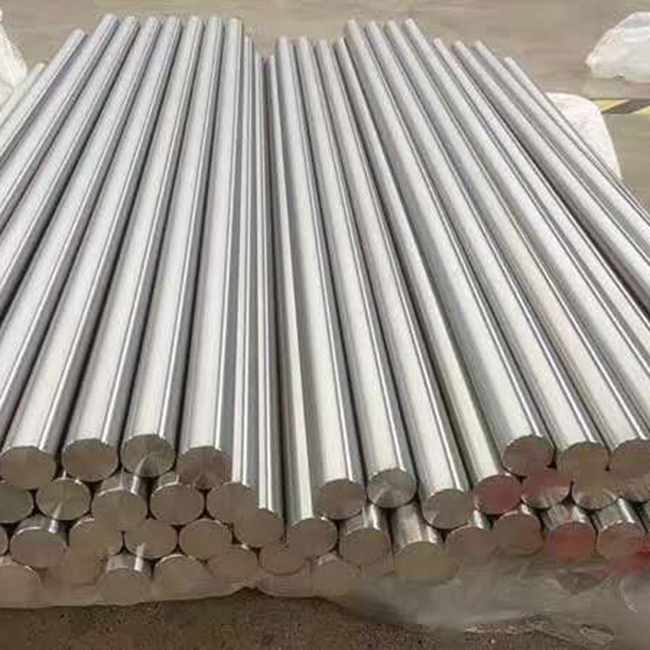
How to Choose Between Gr1 and Gr2 Titanium rods for Precision Industrial Materials?
In the selection of commercially pure titanium for industrial use, Gr1 and Gr2 titanium rods are the...