
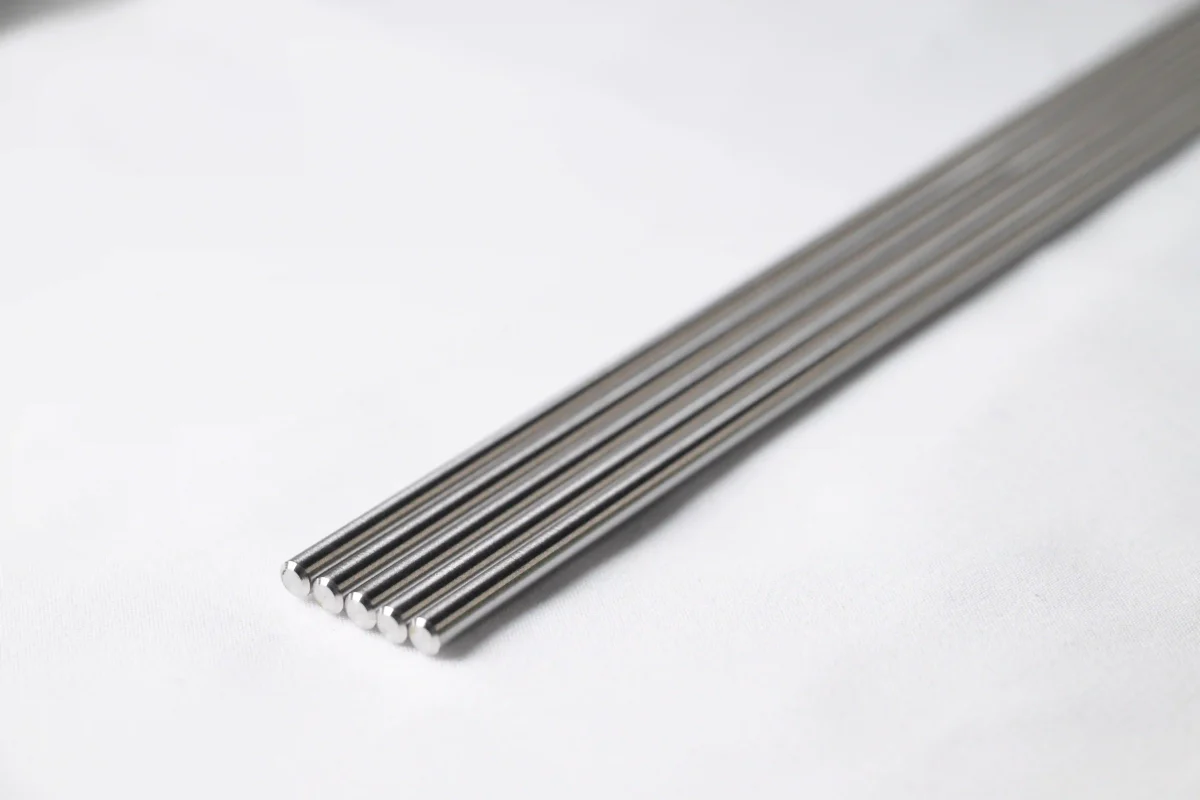
Is TB13 Titanium Bar Superelastic & Corrosion Resistant in Extreme Conditions?

TB13Titanium Bar operating in extreme conditions—including ...
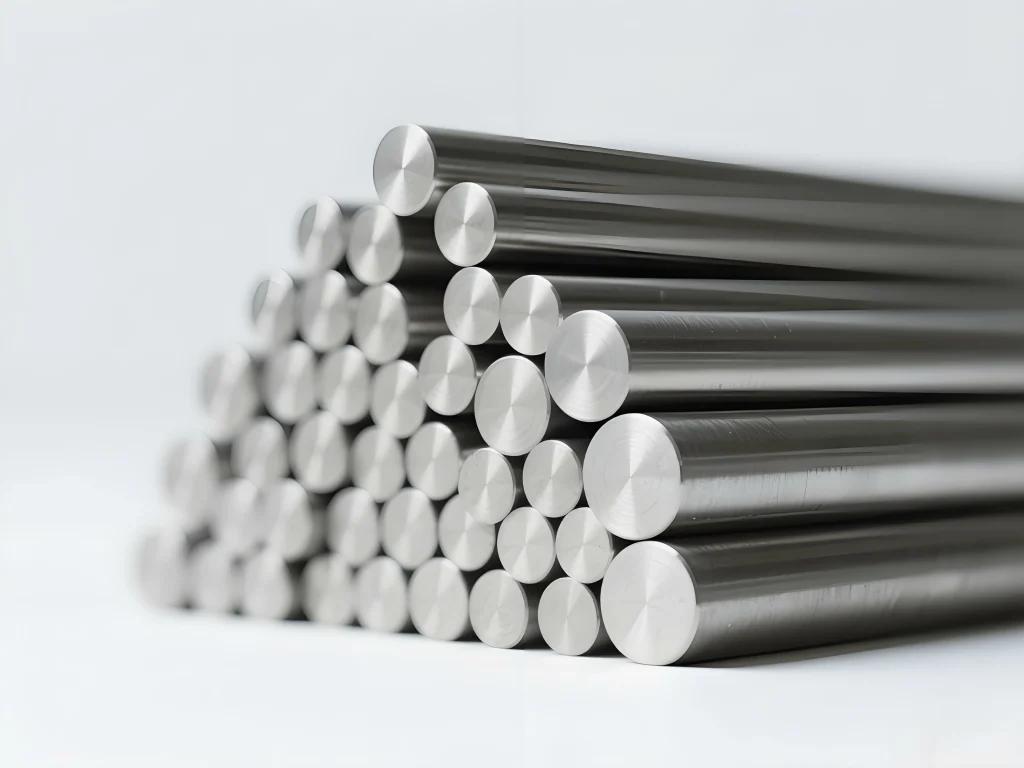
What separates Ni200 nickel bar from the ASTM B160 standard nickel bar?
When purchasing nickel bars, you will frequently encounter the two terms “Ni200” and “ASTM B160”, wh...
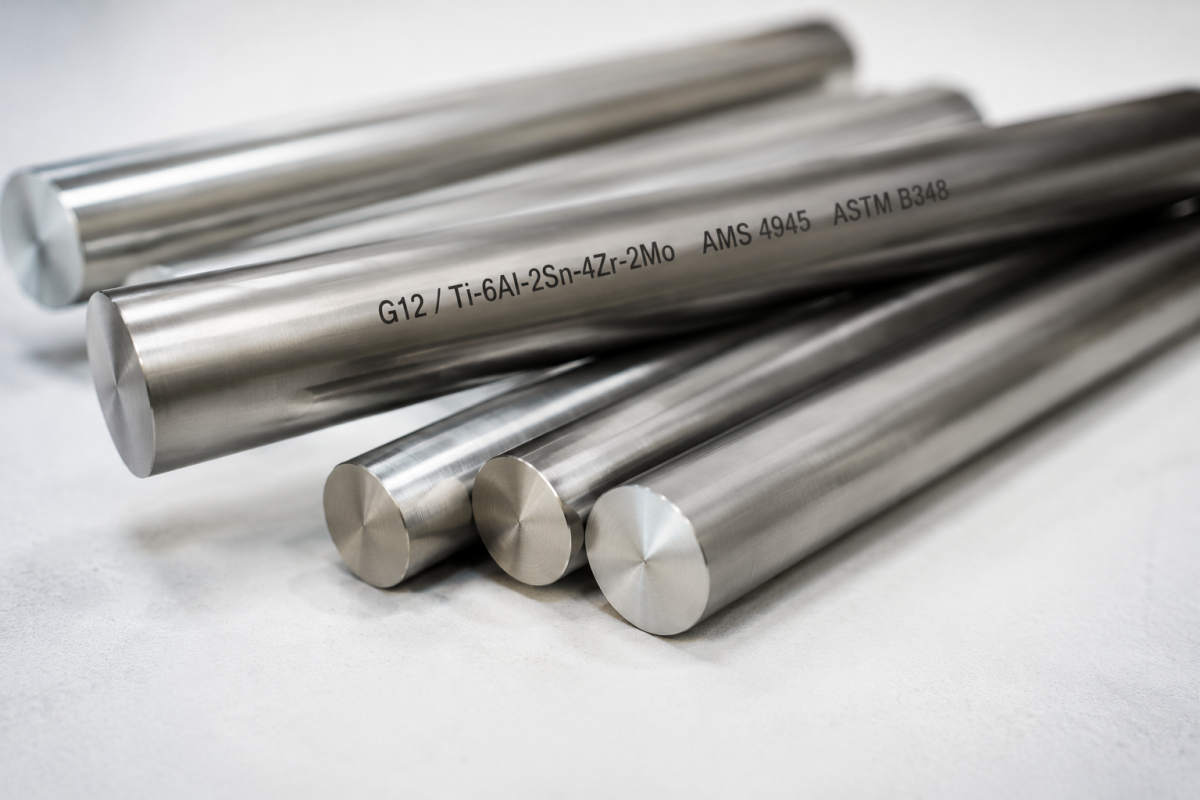
Where can Grade 12 titanium bars be applied? Chemical, marine, energy and high-end equipment industries?
Grade 12 titanium bar is an α+β corrosion-resistant titanium alloy containing molybdenum and nickel ...
How do Gr4 and Gr2 Titanium Bars compare in terms of strength, cost, and optimal applications?

In the materials selection process for commercially pure titanium, Gr4 and Gr2 titanium ...
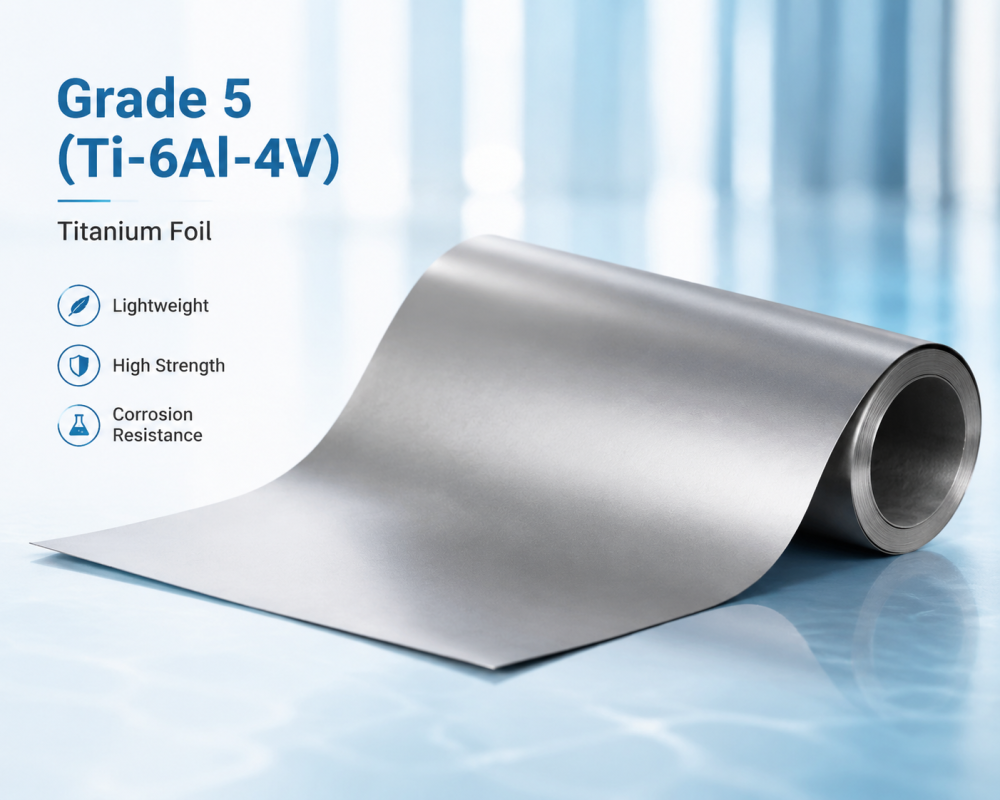
What are the inspection standards for chemical composition, mechanical properties and metallographic examination in the complete quality inspection guideline for Grade 5 titanium foil?
Quality inspection of Grade 5 (Ti-6Al-4V) titanium foil shall be comprehensively performed across fi...
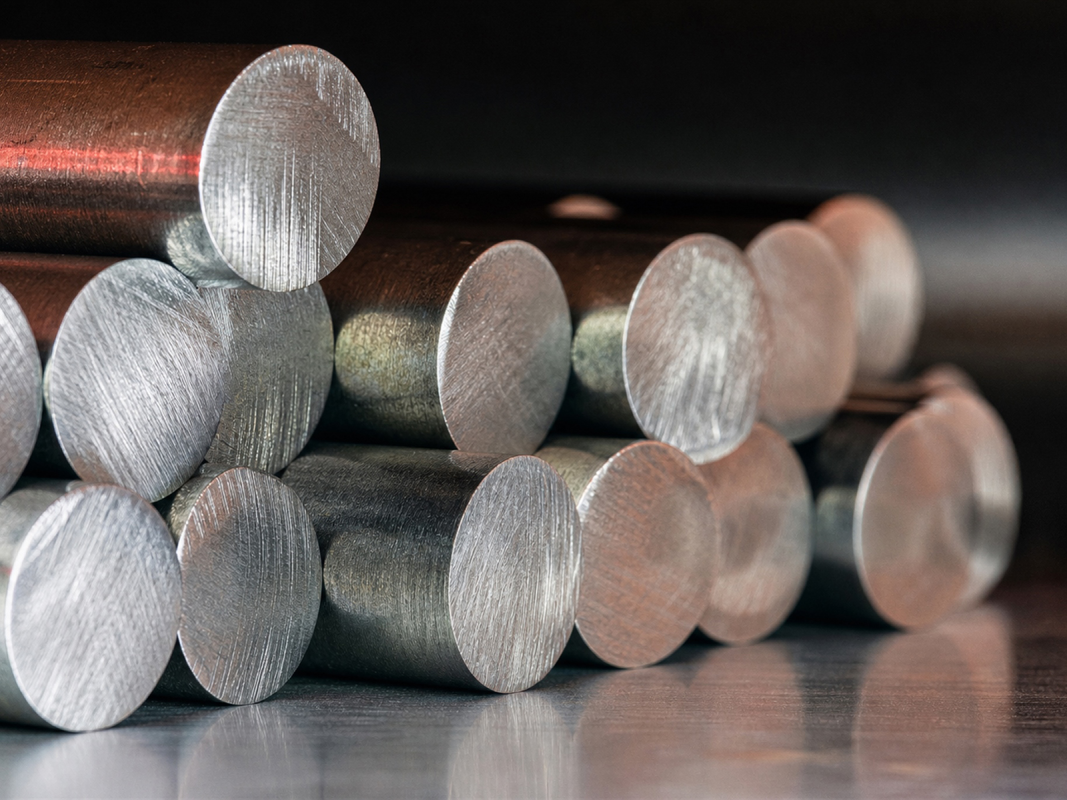
Why Is ASTM B160 Nickel Rod Used in Chemical, Electronics, and Marine Engineering Applications
ASTM B160 Nickel Rod is a high-purity commercial nickel material that meets international standards....
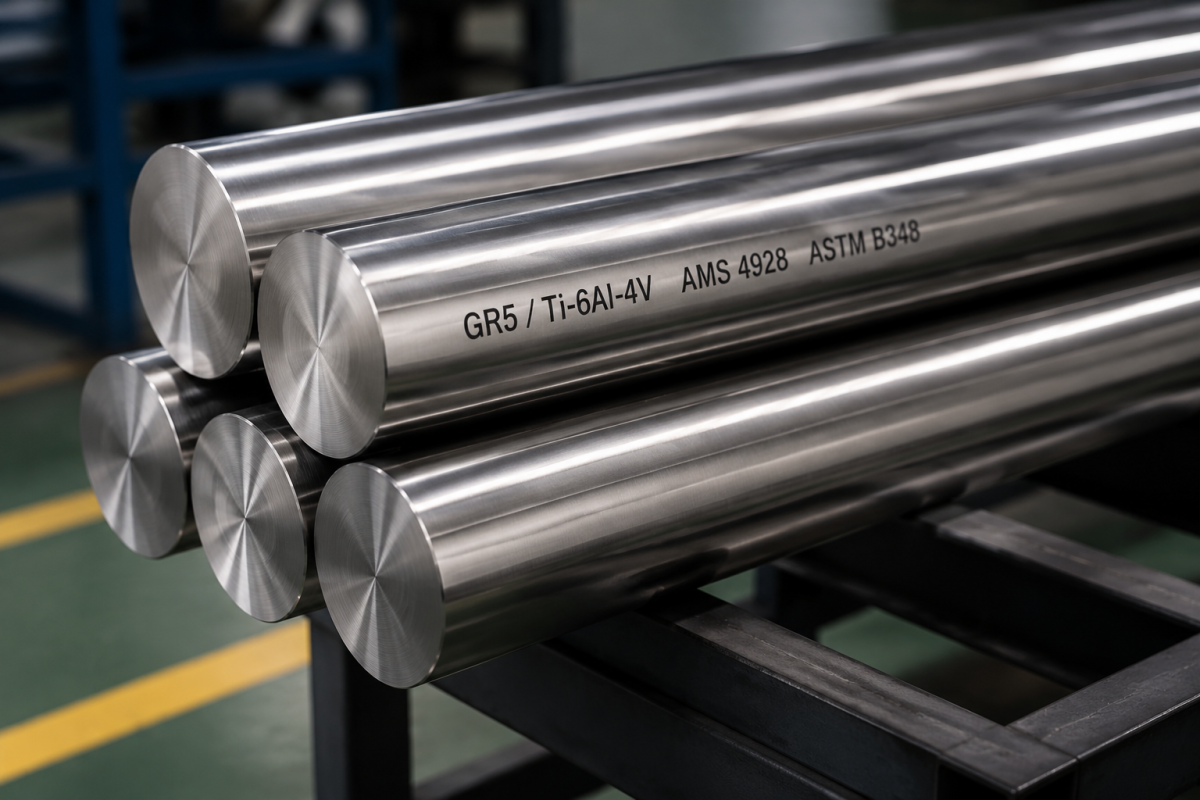
Is Grade 5 Titanium Bar a Key Material for High-Strength Machinery?
Grade 5 titanium bar (Ti-6Al-4V) plays a decisive role in m...
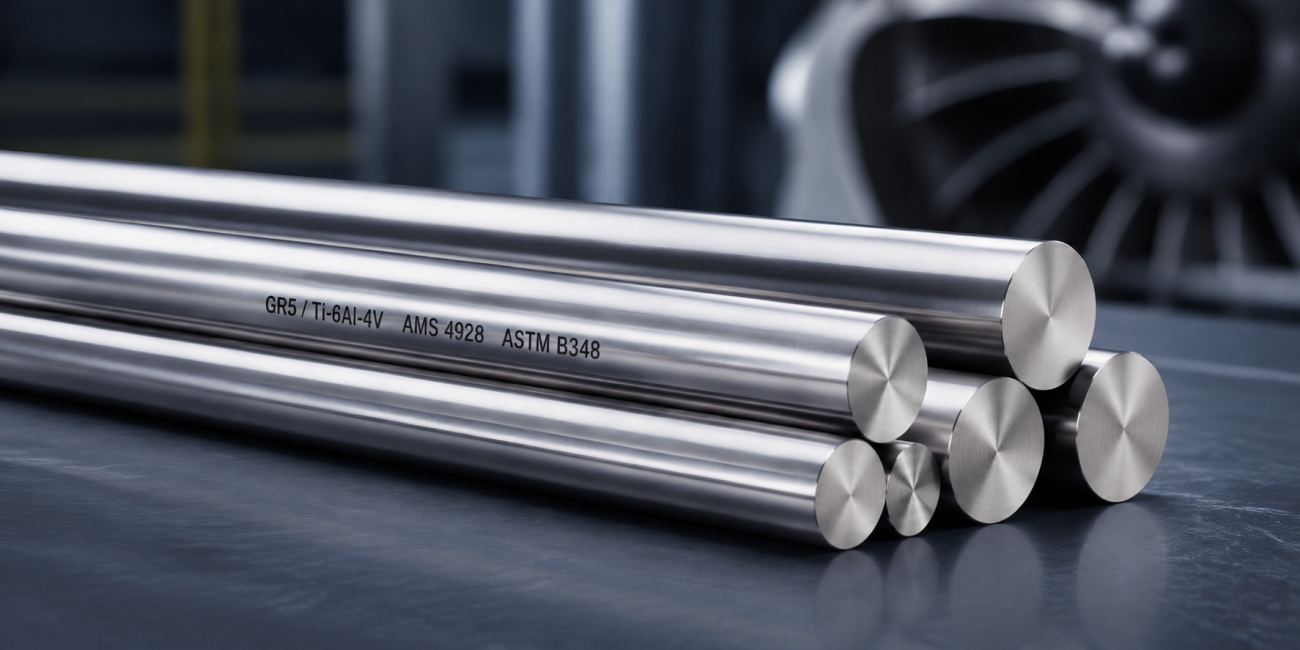
Is Grade 5 Titanium Bar a Key Material for Aviation Applications from Fuselage to Engine?
Grade 5 titanium bar (Ti-6Al-4V) is an irreplaceable critical material in modern aerospace manufactu...
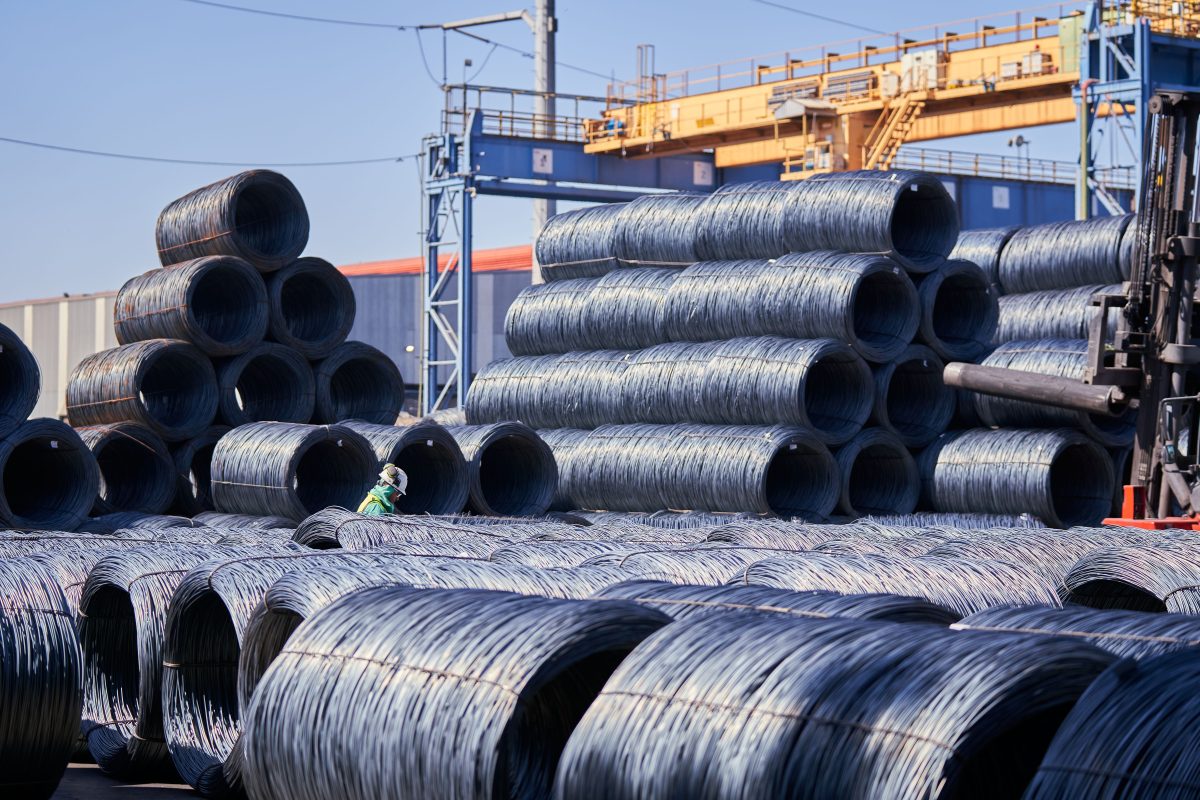
Is Grade 4 Titanium Wire the perfect balance of strength and biocompatibility?
When designing high-load medical implants or aerospace fasteners, engineers need materia...

Is Grade 4 titanium foil an ideal material for marine applications such as ships, seawater desalination and deep-sea equipment?
Marine environments pose extreme challenges to engineering materials due to combined eff...