
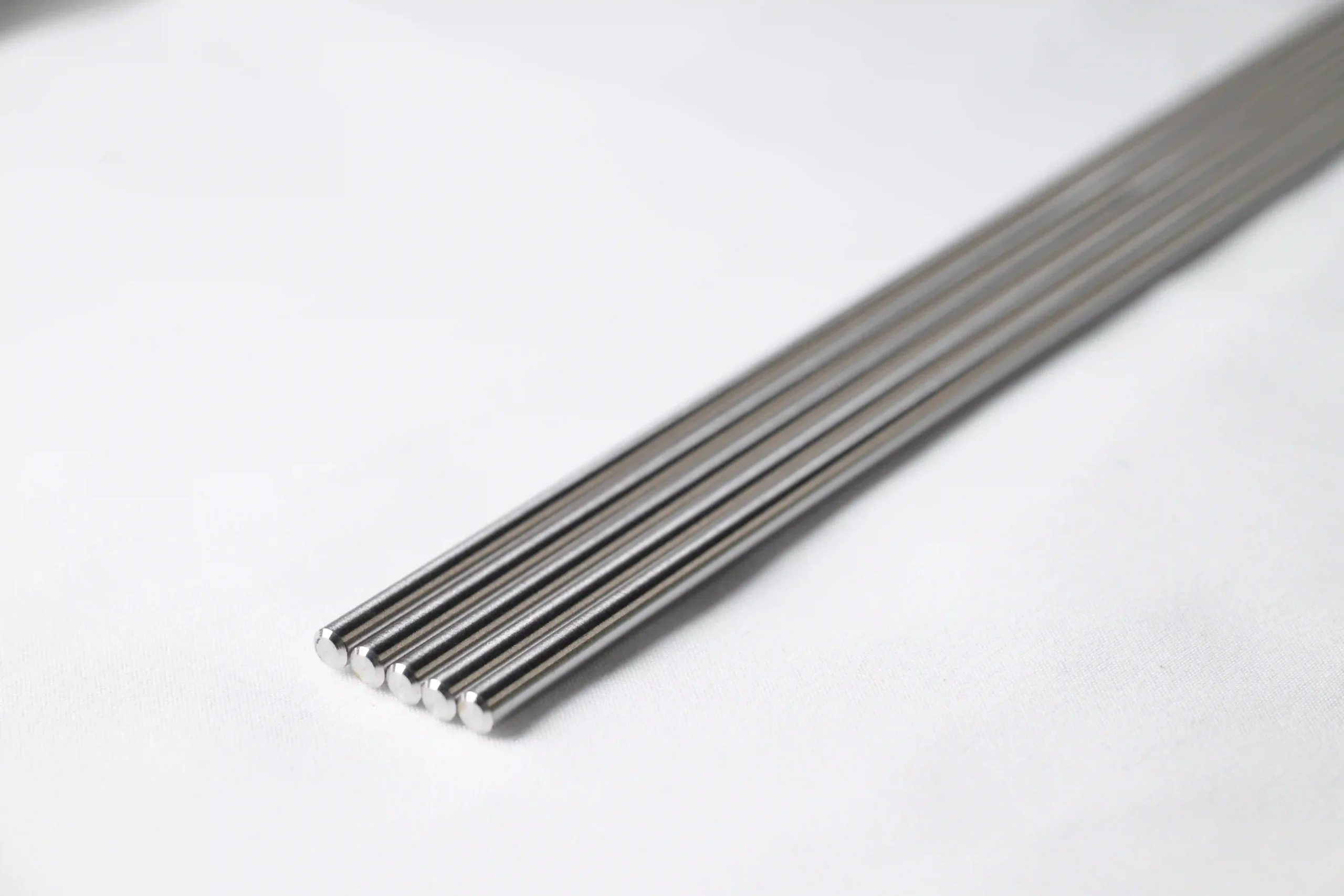
1. Core Performance Challenges Imposed by Extreme Environments
1. Continuous Degradation from Corrosive Media
Offshore engineering equipment operates long-term under chloride-laden salt spray, where the passive film on conventional metals readily breaks down, leading to pitting and perforation. Strong corrosive media such as sulfuric acid and alkaline solutions in chemical processing accelerate intergranular corrosion, rendering structural components incapable of bearing loads within 6 to 12 months. TB13 titanium bars spontaneously form a dense protective TiO₂ film on their surface, which remains stable in static aqueous solutions with pH values ranging from 2 to 12 at ambient temperature. Its corrosion rate is below 0.001 mm per year, far lower than the 0.05 mm per year corrosion rate of 316L stainless steel (Note: Corrosion resistance declines under high-temperature and high-agitation operating conditions).
2. Material Fatigue Induced by Severe Temperature Fluctuations
Aerospace engine compartments undergo rapid thermal cycling ranging from -40 °C to 250 °C during takeoff and landing; such thermal shock initiates microcracks in conventional alloys. Deep-sea exploration equipment is exposed to a temperature gradient between 4 °C seawater and 20 °C internal cabin temperature. TB13 titanium bars feature a low elastic modulus of approximately 70 GPa at room temperature, enabling elastic strain rather than plastic deformation under temperature swings. Combined with exceptional low-temperature toughness, the material retains more than 75% of its room-temperature impact energy at -40 °C, as previously stated.
3. Cumulative Damage from High-Frequency Vibration and Alternating Stress
Precision instruments operate at resonant frequencies reaching several kilohertz, and standard stainless steel typically develops fatigue fractures after 10⁶ load cycles. Medical implants endure tens of thousands of micro-motion cycles daily within the human body and require materials with an extremely high fatigue limit. After homogenization and aging heat treatment, TB13 achieves a fatigue strength equivalent to 55%–60% of its ultimate tensile strength under rotating bending fatigue testing with a stress ratio R=-1 and a test frequency of 10 Hz, with a fatigue life exceeding 10⁷ cycles. This robust fatigue resistance originates from the beta-phase matrix and nano-sized alpha precipitates, which effectively block dislocation motion, delay fatigue crack initiation, and enhance resistance to alternating stress.
2. Mechanisms Enabling TB13 Titanium Bars to Withstand Extreme Environments
1. Superelastic Shape Memory Properties Ensure Structural Reliability
The distinctive crystal structure of this near-beta titanium alloy grants TB13 titanium bars high reversible elastic deformation capacity, with a rebound rate of no less than 98% after 90° bending. This property is critical for repeatedly loaded components such as eyeglass frames and precision spring latches. Conventional alpha+beta titanium alloys (e.g., TC4) only achieve an elastic strain of 3%–4%, while TB13 sustains superelastic strain exceeding 8%. This capacity allows full automatic recovery after deformation and eliminates assembly failure caused by permanent plastic deformation. In aerospace seat adjustment mechanisms and medical orthodontic wires, this characteristic extends maintenance intervals to three times those of traditional materials.
Table 1 Comparison of Elastic Performance and Cycle Life of Various Metallic Materials
| Material Type | Elastic Strain (%) | Rebound Rate (%) | Cycle Life (Cycles) |
|---|---|---|---|
| TB13 Titanium Alloy | 8 ~ 10 | ≥ 98 | > 10⁷ |
| 304 Stainless Steel | 2 ~ 3 | 85 ~ 90 | 10⁵ ~ 10⁶ |
| 7075 Aluminum Alloy | 1.5 ~ 2 | 75 ~ 80 | 10⁴ ~ 10⁵ |
2. Lightweight Design Raises Load-Bearing Limits
TB13 has a density of only 4.65 g/cm³, delivering approximately 40% weight reduction compared to standard austenitic stainless steel. After homogenization and aging treatment, its ultimate tensile strength exceeds 1100 MPa. Lightweight aerospace structural components drastically cut fuel consumption; industry data confirms that each 1 kg weight reduction in aircraft reduces annual operating costs significantly. Deep-sea detector buoyancy frames fabricated from TB13 bars achieve a 40% weight reduction relative to stainless steel, directly improving pressure resistance of buoyancy modules. This high specific strength makes TB13 the preferred material for lightweight critical structures including drone arms and satellite support rods. Additionally, its weak/non-magnetic characteristic avoids interference with precision navigation equipment for magnetically sensitive instruments.
3. Stable Corrosion Resistance in Multiple Chemical Media
After 5,000 hours of immersion in artificial seawater (ambient temperature, pH 8.2, static conditions), TB13 exhibits a corrosion weight gain of merely 0.02 mg/cm², with a stable TiO₂ surface film thickness of 2–5 nm. TB13 pipe fittings installed in chemical pipelines operated continuously for three years in room-temperature 10% sulfuric acid solution with material thickness loss below 0.01 mm. Unlike ordinary steel that requires protective coatings, TB13’s self-passivating property eliminates long-term maintenance expenses. For medical device applications, the material holds ISO 10993 biocompatibility certification; it releases no nickel, chromium, or other allergenic elements when implanted in the human body, and cytotoxicity testing yields a Grade 0 non-toxic rating.
Table 2 Corrosion Performance Comparison: TB13 vs. 316L Stainless Steel in Various Corrosive Media
| Corrosive Medium | TB13 Corrosion Rate (mm/year) | 316L Stainless Steel Corrosion Rate (mm/year) | Service Life Multiplier¹ |
|---|---|---|---|
| 3.5% NaCl Salt Spray | <0.001 | 0.05 | 50 |
| 10% H₂SO₄ (Ambient Temperature) | 0.02 | 0.8 | 40 |
Artificial sweat testing confirms TB13 maintains an unaltered surface, while 316L stainless steel develops mild rust, demonstrating superior long-term stability for TB13.
3. Precision Machining Processes Guarantee Consistent Performance Output
1. Vacuum Melting Technology for Controlled Impurity Content
Vacuum Arc Remelting (VAR) is deployed to limit oxygen content below 0.20% and hydrogen content strictly below 0.0015%, mitigating hydrogen embrittlement risks. Rigorous impurity control directly governs material ductility and fatigue performance: excessive oxygen degrades titanium alloy plasticity. Reducing oxygen content from 0.25% to 0.15% increases material elongation after fracture by 3%–5%. Post-recrystallization annealing achieves an ASTM grain size rating of 8–10, eliminating performance fluctuations caused by oversized grains.
2. Solution & Aging Heat Treatment Optimizes Microstructure
Bars are heated to 800–850 °C (above the beta transus temperature), held at temperature, then water-quenched for solution treatment to form a metastable beta-phase microstructure. Subsequent aging at 450–550 °C precipitates nano-sized alpha-phase particles to strengthen the matrix. This heat treatment regimen raises ultimate tensile strength from approximately 800 MPa in the solution-treated condition to 1100 MPa, while retaining elongation after fracture above 12% (typical values for standard heat-treated material). In-line heat treatment systems paired with rolling equipment maintain precise temperature control within ±5 °C, ensuring inter-batch performance deviation below 3% to satisfy stringent aerospace uniformity requirements.
3. Cold Forming Expands Application Scope
Annealed TB13 bars withstand up to 80% cold deformation without cracking, while cold-worked material exhibits reduced deformability. The alloy can be cold-drawn to produce bars and wire ranging from 0.5 mm to 50 mm in full diameter specifications. Work hardening during cold forming further elevates tensile strength, followed by low-temperature stress relief annealing (400 °C, 2 hours) to release residual stress. Under identical cutting parameters and tooling, TB13 requires 15% lower cutting force than TC4, extends tool service life by 30%, and delivers machined surface roughness down to Ra 0.8 μm, eliminating secondary polishing steps. This machinability advantage delivers cost benefits for mass production of precision components including eyeglass frames and watch cases.
4. Application Value Verification Across Multiple Industries
1. Lightweight Innovation for Aerospace Applications

TB13 bars used to fabricate landing gear support arms on a specific drone deliver a 22% weight reduction relative to conventional titanium alloys, with zero fatigue cracks recorded after 15,000 takeoff and landing cycles. TB13 hinge shafts installed on satellite solar panel deployment mechanisms leverage low-temperature toughness to operate reliably at -40 °C with zero failures over a 10-year orbital service life. A leading aerospace medical device manufacturer reports that surgical instrument joints manufactured from TB13 maintain precise fit after 200 autoclave sterilization cycles, with a service life four times that of 440C stainless steel under identical operating conditions.
2. Breakthrough Biocompatibility for Medical Devices

0.6 mm diameter TB13 wire is used for orthodontic archwires; its 8% superelastic strain delivers consistent, gentle orthodontic force and drastically improves patient comfort. Sandblasted TB13 titanium bars for orthopedic implants achieve bone integration surface roughness of Ra 20–40 μm, accelerating osteocyte adhesion and proliferation. Relative to pure titanium, bone integration cycles shorten by approximately four weeks, with full recovery completed within only six to eight weeks. A Japanese precision electronics manufacturer uses TB13 for endoscope operating rods; its non-ferromagnetic microstructure eliminates magnetic field offset and heat generation during MRI scans without disrupting imaging. The 3 mm thin rods withstand 50 N lateral force without permanent deformation.
3. Premium Quality Upgrade for High-End Consumer Goods
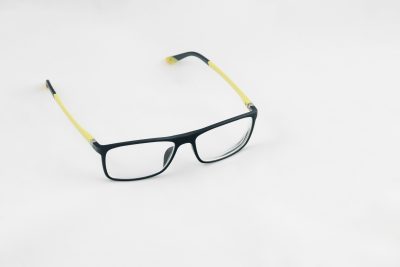
Luxury eyewear brands manufacture one-piece screw-free frames from ultra-thin 0.8 mm TB13 strips utilizing superelastic properties. Smart watch cases precision-machined from TB13 bars weigh only 60% of equivalent stainless steel components and leave no indentations after 24 hours of continuous wear. South Korean battery manufacturers deploy TB13 as elastic connectors within power battery modules. Its corrosion resistance mitigates risks from electrolyte leakage while bearing micro-motion loads, with resistance growth limited to less than 5% over a 10-year service cycle.
Table 3 Main Application Fields and Technical Specifications of TB13 Titanium Bars
| Application Field | Core Performance Requirements | TB13 Performance Advantages | Standard Product Sizes |
|---|---|---|---|
| Aerospace Engines | High-temperature fatigue resistance | Stable performance after >10⁷ cycles at 300 °C | 10–30 mm diameter bars |
| Offshore Engineering | Salt spray corrosion resistance | No corrosion after 5,000 hours salt spray exposure | 15–50 mm diameter bars |
| Medical Implants | Biocompatibility | Nickel-free, zero allergenic risk | 2–8 mm diameter wire |
| Precision Instruments | Non-magnetic, high elasticity | Relative permeability <1.005 | 0.5–5 mm diameter wire |
5. Supply Chain Capabilities and Quality Assurance Systems
1. Full-Process Quality Control for Consistent Material Properties
Sixteen inspection checkpoints are implemented from electrode preparation to finished product delivery, including optical emission spectroscopy, ultrasonic testing, tensile testing, and metallographic analysis. Each production batch is supplied with a Material Test Report (MTR) documenting chemical composition, mechanical properties, heat treatment parameters, and other critical data. Production adheres to ISO 9001 quality management and AS9100 aerospace certification standards, with overall factory pass rates maintained above 99.9% and a 100% pass rate for critical aerospace and medical batches. 100% non-destructive testing (NDT) is performed on all bars to eliminate internal inclusions, cracks, and other defects, meeting rigorous requirements for high-end manufacturing in Europe and North America.
2. Customized Solutions for Diverse Client Requirements
Full-size bars and wire are available from 0.5 mm to 100 mm diameter, with precision machining tolerances ranging from h6 to h9. Surface finishing options include turned bright, ground, and pickled surfaces. Minimum order quantity is 50 kg for small-batch custom orders, with monthly mass production capacity reaching 50 tons. A specialized surface hardening process was developed to meet unique specifications from German automotive component manufacturers, boosting surface hardness to HV420 with a hardened layer depth of approximately 0.1 mm and 60% improved wear resistance. An in-house technical team provides material selection and process optimization consulting to shorten client product development timelines.
3. Global Logistics Network for On-Time Delivery
Annual production capacity reaches 20,000 tons of titanium bars and wire, with 500 tons of standard specifications held in permanent inventory. Stable partnerships with China-Europe Railway Express and international ocean freight carriers deliver export lead times of 30–45 days to Europe and North America, and 15–20 days to Southeast Asian markets. Local warehousing and rapid-response technical service centers operate in Germany and the United States, enabling a seven-day replenishment cycle for Vietnamese electronics manufacturers. Green logistics solutions are offered for European carbon-neutral hydrogen energy orders to minimize carbon emissions during transportation, aligning with ESG procurement standards.
Conclusion
Leveraging the microstructural characteristics of near-beta titanium alloys, TB13 titanium bars deliver outstanding advantages in three core performance categories: high elastic recovery, low weight, and multi-media corrosion resistance, establishing them as vital engineering materials for extreme operating conditions. Precision machining workflows and full-process quality control systems guarantee consistent performance output, with cross-industry field applications verifying the alloy’s reliability and cost-effectiveness. Amid rising demand for performance upgrades in aerospace, medical devices, and precision electronics, TB13 titanium bars are redefining technical benchmarks for materials operating in extreme environments.
FAQ
Q1: What are the core differences between TB13 titanium bars and TC4 titanium alloy under extreme operating conditions?
TB13 is a near-beta superelastic titanium alloy with elastic strain capacity exceeding 8%, more than twice that of alpha+beta TC4 titanium alloy. Annealed TB13 tolerates cold deformation up to 80%, making it ideal for applications requiring repeated bending and complex forming. TC4 is an alpha+beta alloy with superior high-temperature strength but limited room-temperature ductility. Material selection between the two alloys must align with specific operating temperature and load conditions.
Q2: How can users verify TB13 bars comply with aerospace industry standards?
Material Test Reports must be reviewed to confirm chemical composition ranges (Al: 3.0%–4.5%, V: 20.0%–23.0%) and mechanical performance thresholds (ultimate tensile strength ≥900 MPa, elongation after fracture ≥10%). Ultrasonic testing reports must confirm the absence of internal defects. Products meeting ASTM B348 (Standard Specification for Titanium and Titanium Alloy Bars and Billets) or AMS 4983 (aerospace material standard) qualify for aerospace deployment. Third-party test reports and AS9100 certification documentation should be requested from suppliers.
Q3: How is biocompatibility secured for TB13 titanium alloy in medical implant applications?
TB13 contains no nickel to eliminate metal allergy risks, and its chemically inert surface TiO₂ passivation film undergoes full ISO 10993 biocompatibility testing, including cytotoxicity, sensitization, and subcutaneous implantation response assessments. Medical-grade TB13 enforces tighter interstitial element limits (O <0.18%, N <0.04%) and is supplied with sterile packaging and fully traceable batch documentation.
Contact Us
Baoji Titanium Valley Titanium Nickel Zirconium Material Processing Co., Ltd. is a professional manufacturer and supplier of TB13 titanium bars, equipped with Italian Danieli rolling production lines with an annual output of 20,000 tons and a comprehensive quality control system. We deliver customized TB13 bar solutions tailored to specific dimensions, heat treatment states, and surface finishing requirements, serving global clients in aerospace, medical devices, and precision electronics. Contact our team for technical support and quotations at sales@titaniumvalleys.com
References
1.Li X, Wang Q. Microstructure, Properties and Applications of Near-Beta Titanium Alloy TB13[J]. Rare Metal Materials and Engineering, 2021, 50(8): 2847-2853.
2.Zhao YQ, Qu HL. Development Status and Application Prospect of Beta Titanium Alloys for Aerospace[J]. Journal of Aeronautical Materials, 2019, 39(5): 1-12.
3.Zhang YQ, Liu WB. Superelastic Behavior and Fatigue Performance of Medical-Grade TB13 Titanium Alloy[J]. Journal of Materials Science and Engineering, 2020, 38(3): 112-118.
4.Wang ZG, Li M. Corrosion Behavior of Beta Titanium Alloys in Marine Environments[J]. Corrosion Science and Protection Technology, 2022, 34(4): 456-462.