
Why Is TB13 Titanium Alloy Rod the Perfect Combination of Superelasticity, Light Weight, and Biocompatibility?
- TB13 Titanium Rod
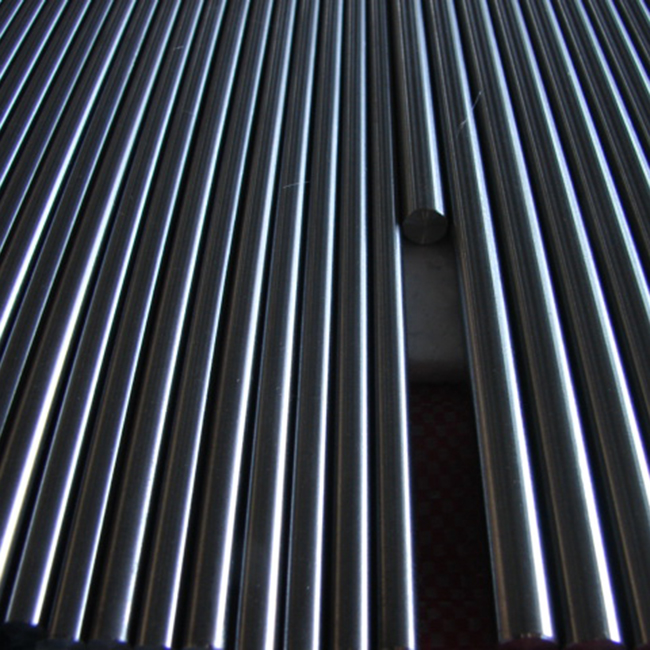
As a home-developed near-beta titanium alloy in China, TB13 titanium alloy rod features a unique metastable beta-phase structure and delivers strong application potential across multiple industrial fields. This high-performance material combines superelasticity, great cold working capacity and outstanding biocompatibility, fitting precision projects that need light weight and high reliability. It supports advanced eyewear frames, aerospace structural parts, medical devices and precision electronic components, and fuels upgrades in modern manufacturing with its special material traits. Its low nickel content cuts allergy risks, and strong corrosion resistance guarantees long-term product stability under harsh working conditions.
1. Core Physical Advantages of TB13 Titanium Alloy Rod
1.1 Structural upgrade from ultra-light design
TB13 titanium alloy rod has a density around 4.5g/cm³, over 40% lighter than regular stainless steel. This weight edge makes it a top pick for eyewear and wearable devices with strict weight limits. Low weight improves wearing comfort for end users and helps aircraft save fuel in aerospace projects. For long-worn medical devices and precision instruments, lighter weight lowers user fatigue and optimizes practical experience.
1.2 Outstanding specific strength
TB13 titanium alloy rod reaches tensile strength above 900MPa with specific strength near 200MPa·cm³/g. By comparison, 7075 aluminum alloy hits roughly 180MPa·cm³/g and 316L stainless steel only 80MPa·cm³/g. Designers can build thinner part sections while keeping required strength and cut overall product weight significantly. This trait works well for precision mechanical parts, high-end sports goods and military parts to secure structural safety and reduce equipment load.
1.3 Low elastic modulus brings flexible deformation performance
TB13 has an elastic modulus between 70GPa and 80GPa, higher than human cortical bone (12-18GPa) and cancellous bone (0.1-2GPa) but much lower than standard titanium alloys. Low elastic modulus lets the material flex easily under force instead of staying rigid. Medical implants made from TB13 avoid stress shielding and help natural bone regrow. Eyeglass frames using this material apply less pressure on skin and deliver better long-time wearing comfort.
2. Superelasticity and Machining Performance of TB13 Titanium Alloy Rod
2.1 Superelastic shape memory property
TB13 achieves reversible elastic strain up to 8% without permanent deformation thanks to its metastable beta-phase structure, far above common elastic materials with under 1% recoverable strain. Eyewear frames made of TB13 bounce back after squeezing or bending and slash after-sales maintenance costs for manufacturers.
2.2 Excellent cold forming capability
Annealed TB13 withstands cold deformation up to 80% without cracking, a key advantage over conventional high-strength titanium alloys. Manufacturers adopt cold rolling, cold drawing and cold bending to form complex parts with fewer intermediate annealing steps. This streamlines production flow, lifts material utilization and cuts manufacturing expenses.
2.3 Fine machining and flexible surface treatment
TB13 balances proper hardness and toughness to reduce tool wear during turning, milling and drilling and produce smooth finished surfaces. Users can polish, anodize or apply PVD coating on its surface for varied colors and textures to meet aesthetic standards of premium consumer products.
Performance comparison between TB13 titanium alloy and mainstream materials
| Performance Index | TB13 Titanium Alloy | 316L Stainless Steel | TC4 Titanium Alloy | 7075 Aluminum Alloy |
|---|---|---|---|---|
| Density (g/cm³) | 4.5 | 8.0 | 4.5 | 2.8 |
| Tensile Strength (MPa) | 900-1100 | 520-680 | 895-930 (annealed) | 505-572 |
| Elastic Modulus (GPa) | 70-80 | 193 | 110 | 71 |
| Max Cold Deformation Rate (%) | 80 | 40 | 20 | 50 |
| Corrosion Resistance (3.5% NaCl Salt Spray) | Excellent | Good | Excellent | Average (prone to pitting) |
| Biocompatibility | Excellent | Good | Excellent | Poor |
3. Corrosion Resistance and Biocompatibility of TB13 Titanium Alloy Rod
3.1 Full-range anti-corrosion performance
TB13 rapidly forms dense self-repairing passive oxide film on its surface to block damage from sweat, salt spray, acid and alkaline liquid. It works steadily in marine equipment and chemical facilities and outperforms stainless steel that easily suffers pitting and crevice corrosion to extend equipment service life.
3.2 Low-nickel formula prevents allergic reactions
TB13 follows Ti-Al-V composition system with no intentional nickel addition. Impurity nickel content stays below 0.05% during production, far under the threshold to trigger nickel allergy. This trait makes it safe for close-contact items including glasses, watches and medical devices. Its vanadium content ranges from 15% to 18%. Products for short-term use like eyeglass frames carry negligible toxicity risks, but long-term implant parts need safety assessment following ISO 10993 standards for vanadium hazard control.
3.3 Medical-grade biocompatibility
TB13 rarely triggers rejection after contacting human tissue due to fine biocompatibility. Its surface titanium oxide layer boasts favorable blood and tissue affinity for orthodontic wires, surgical tool parts and short-term implant stents. Its elastic modulus matches human bone better than TC4 alloy and effectively reduces stress shielding to speed wound healing in orthopedic treatment, even if its modulus remains higher than real human bone.
4. Unique Functional Properties of TB13 Titanium Alloy Rod
4.1 Low magnetism supports precision equipment operation
TB13 is weakly magnetic with magnetic permeability near 1.0001, much lower than ferromagnetic metals. Manufacturers use it for non-magnetic parts in MRI devices, precision electronic fittings and high-end audio equipment. In aerospace production, low magnetism prevents signal interference to navigation instruments and avoids measuring errors. Note that the material still carries trace magnetism and cannot count as fully non-magnetic.
4.2 Good damping and vibration absorption capacity
TB13 absorbs and dissipates vibration energy efficiently with reliable damping property. It cuts resonance for precision equipment frames, high-end audio accessories and sports goods to stabilize operating status and improve user experience.
4.3 Superior fatigue resistance for long-cycle service
TB13 retains over 50% of its tensile strength after 10⁷ cyclic load tests and resists fracture under repeated stress. It suits frequently bent eyeglass hinges, spring fasteners and long-running precision connectors and lengthens overall product service life.
Chemical composition control range of TB13 titanium alloy rod
| Element | Content Range | Function Description |
|---|---|---|
| Ti | Balance | Base matrix to secure basic material performance |
| Al | 3.0-4.5% | Alpha-phase stabilizer to raise alloy strength |
| V | 15.0-18.0% | Beta-phase stabilizer to improve forming property |
| Fe | ≤0.20% | Impurity; excessive content damages corrosion resistance |
| O | ≤0.20% | Interstitial element; proper dosage boosts tensile strength |
| C | ≤0.10% | Impurity; high carbon reduces material plasticity |
| N | ≤0.05% | Interstitial element with strict content limit |
| H | ≤0.015% | Controls hydrogen embrittlement risk |
5. Property Regulation via Heat Treatment and Expanded Application Scenarios
5.1 Adjust material performance through targeted heat treatment
Annealed TB13 features high plasticity for complex part forming. After aging strengthening, its tensile strength rises to 1200-1300MPa to satisfy high-load structural component demands. Flexible heat treatment lets a single alloy fit both soft forming and high-strength manufacturing requirements.
5.2 Precise dimension control and superior surface finish
Advanced cold drawing and precision rolling processes control dimensional tolerance tightly. Rods below 8mm in diameter keep diameter tolerance within ±0.05mm, and larger bars above 20mm follow relaxed standard limits. Surface roughness reaches below Ra0.8μm to cut subsequent machining allowance and support automated mass assembly.
5.3 Diverse product shapes for customized orders
TB13 comes in round, square and hexagonal bars with diameter ranging from 0.5mm fine wire to over 50mm thick rod. Suppliers provide hot rolled, forged and cold drawn products to match customized demands from eyewear, medical, electronic and precision machinery sectors.
Typical application fields and matching performance of TB13 titanium alloy rod
| Application Field | Core Performance Requirement | TB13 Matching Advantages | Typical Finished Products |
|---|---|---|---|
| High-end Eyewear Production | Superelasticity, light weight, anti-allergy | Superelastic structure plus low-nickel formula | Frame, temple and hinge components |
| Short-contact Medical Devices | Good biocompatibility, low magnetism | Top biocompatibility and weak magnetism | Orthodontic wire, surgical instrument parts |
| Precision Electronics | Light weight, low magnetism, corrosion resistance | Low density and non-ferromagnetic trait | Micro switches, connecting terminals |
| Aerospace Parts | High specific strength, anti-fatigue | High tensile strength and low density | Lightweight structural fasteners |
| Premium Consumer Goods | Fine surface texture, durability, hypoallergenic | Versatile surface processing option | Watch case, watch band, jewelry accessories |
| Marine Engineering | Strong corrosion resistance, high strength | Outstanding anti-corrosion performance | Anti-rust fasteners, marine testing equipment |
Note: Manufacturers need extra biocompatibility certification (ISO 10993, FDA standards) before applying TB13 for permanent human implants.
6. Industry Pain Points Solved and Economic Value Created by TB13 Titanium Alloy Rod
6.1 Break performance limits of traditional raw materials
Nickel-copper eyeglass frames deform easily, corrode fast and trigger skin allergies, while stainless steel frames weigh too much and lack elasticity. TB13 fixes all these drawbacks with its light weight, superelasticity and hypoallergenic property. Many eyewear producers cut after-sales repair rates by over 60% after switching to TB13, lift customer satisfaction and build high-end brand positioning.
6.2 Lower total lifecycle costs
TB13 costs more than regular metal at initial purchase, but its long service life and corrosion resistance reduce maintenance and part replacement costs in marine and chemical projects and avoid production shutdown losses. Its great machinability improves production yield and cuts waste to deliver better overall economic benefits.
6.3 Support product differentiation and brand premium
Brands stand out from homogeneous market competition by upgrading core material to TB13. Products marked with aerospace-grade titanium or medical-grade material gain 30% to 50% market price markup based on industrial surveys. Advanced material property helps manufacturers escape low-price competition and enter high-end market segments.
Conclusion
With integrated strengths in superelasticity, light weight, anti-corrosion and hypoallergenic biocompatibility, TB13 titanium alloy rod turns into core raw material for advanced manufacturing. It resolves multiple defects of conventional metals in precision production and supplies innovative material solutions for eyewear, medical device, aerospace and precision electronic industries to drive product upgrade and industrial value growth.
FAQ
1. What unique strengths does TB13 have against common Gr4 titanium alloy?
TB13 belongs to near-beta titanium alloy with 85%-95% beta phase content, while TC4 is alpha-beta dual-phase alloy. TB13 has lower elastic modulus (70-80GPa vs 110GPa of TC4) and much higher cold deformation capacity (80% max strain). Its prominent superelasticity fits repeated bending and lightweight design, whereas TC4 mainly serves high-temperature strength scenarios. Near-beta alloy differs from full-beta alloy with minor alpha phase inside and has separate production cost and processing parameters.
2. Does TB13 fit permanent medical implant production?
TB13 works well for orthodontic wires and surgical components with reliable biocompatibility and low allergy risk. Companies must complete full biocompatibility tests including cytotoxicity and sensitization inspection per ISO 10993 and FDA 510k rules before mass production of permanent bone implants such as bone plates and screws.
3. How to select proper tempered TB13 for machining?
Choose annealed TB13 for complex cold bending and deep drawing thanks to its maximum plasticity. Pick aged high-strength stock directly or apply aging treatment after forming for projects requiring high mechanical strength. Contact professional suppliers for customized selection according to specific forming techniques and performance targets.
Source of Reliable TB13 Titanium Alloy Suppliers
Baoji Titanium Valley Titanium Nickel Zirconium Material Processing Co., Ltd specializes in TB13 titanium alloy rod production with imported Danieli rolling lines from Italy and annual output above 5000 tons (actual TB13 output changes with order volume as special alloy). The firm supplies customized precision titanium bars under strict quality inspection to meet global industrial standards and supports small-batch trial orders and bulk mass supply with technical guidance and quick delivery. For detailed specification and quotation, send email to sales@titaniumvalleys.com.
References
1. Zhao Yongqing, Qu Henglei, Zhou Lian. Research Progress and Development Prospect of Beta-type Titanium Alloy[J]. Titanium Industry Progress, 2020, 37(2): 1-8.
2. Li Miaoquan, Zhao Haibo, Wang Kelong. Cold Deformation Behavior and Microstructure Evolution of Titanium Alloy[M]. Beijing: Metallurgical Industry Press, 2021: 156-203.
3. Zhang Xiaoming, Zhang Mingjie, Wang Yanfeng. Research Progress of Biomedical Beta Titanium Alloy[J]. Rare Metal Materials and Engineering, 2019, 48(5): 1685-1692.
4. Wang Jincheng, Li Jianzhong. Phase Transformation and Mechanical Property of Ti-Al-V Alloy[J]. Transactions of Materials and Heat Treatment, 2020, 41(10): 72-78.
5. Chen Gang, Liu Zhiguo, Zhao Zhiwei. Microstructure and Property of Near-beta Titanium Alloy TB13[J]. The Chinese Journal of Nonferrous Metals, 2018, 28(12): 2460-2468.