
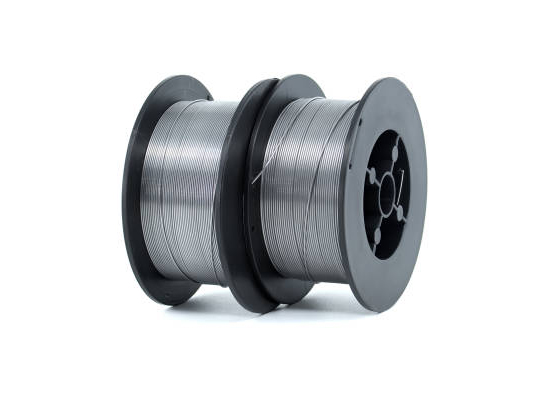
Gr2 titanium wire is the most widely used grade among commercially pure titanium products. It follows the ASTM B863 standard and contains over 99.2% titanium. It features good ductility and weldability, along with steady mechanical strength. Its density is 4.51 g/cm³, about 60% of 304 stainless steel. It delivers higher structural efficiency under the same weight. Thanks to light weight, strong corrosion resistance and non-magnetic properties, Gr2 titanium wire solves common problems of traditional metals, such as easy failure and short service life in harsh working conditions. It serves many fields including chemical anti-corrosion equipment, medical implants, marine engineering and precision electronic parts.
1. Core Material Properties and Advantages of Gr2Titanium Wire
1.1 Precise Chemical Composition and Stable Performance
Gr2 titanium wire strictly complies with international composition standards. Its titanium content stays above 99.2%. Oxygen content is below 0.25%, matching the upper limit set by ASTM B863 for Gr2. Iron content does not exceed 0.30%. This well-controlled composition keeps performance consistent across different production batches. Oxygen boosts material strength without hurting ductility. Limited iron content prevents brittle phases inside the metal. The product also keeps low levels of other impurities: nitrogen ≤ 0.03%, carbon ≤ 0.08% and hydrogen ≤ 0.015%. These controls stop cracks during cold working and welding. Manufacturers use vacuum melting to cut gas inclusions and create uniform, dense internal structures. This lays a solid foundation for further precision processing.
1.2 Mechanical Performance for Multiple Working States
Gr2 titanium wire comes in three heat treatment states to fit different usage needs.
- Annealed state (M): Tensile strength ranges from 400 to 500 MPa, yield strength from 275 to 420 MPa, and elongation between 15% and 20%. It works well for parts requiring deep forming.
- Half-hard state (Y2): Tensile strength reaches 480 to 620 MPa, elongation from 8% to 12%. It balances ductility and load capacity and fits elastic components.
- Hard state (Y): Tensile strength is 550 to 750 MPa, yield strength stays above 450 MPa, and elongation is 4% to 8%. It mainly applies to high-strength fasteners.
Users get target performance without extra heat treatment, so secondary processing costs go down. Gr2 titanium wire has a specific strength over 40% higher than 304 stainless steel. The specific strength of annealed Gr2 titanium wire is around 95 kN·m/kg, while 304 stainless steel is about 65 kN·m/kg. It combines light weight and high performance perfectly.
1.3 Excellent Corrosion Resistance and Wide Temperature Adaptability
A dense titanium dioxide film naturally forms on the surface of Gr2 titanium wire. This thin film is only a few nanometers thick. It repairs itself quickly when scratched in oxygen-rich environments. Its self-repair ability weakens in oxygen-free or reductive environments. It outperforms 316L stainless steel greatly in seawater and salt spray. It shows no visible corrosion after 480 hours of salt spray tests under the ASTM B117 standard. It stays stable in most organic acids, dilute alkali solutions and oxidizing acids like nitric acid. It may corrode in dilute sulfuric acid with concentration below 5%. Users need extra protection when using it in strong reductive media such as concentrated sulfuric acid and hydrochloric acid.
It works steadily in a wide temperature range. It runs for long periods at temperatures from -253 °C (liquid hydrogen environment) to 300 °C, and can withstand short-term high temperature up to 450 °C. It adapts to various extreme working environments.
2. Advanced Production Processes and Quality Assurance Systems
2.1 Application of Advanced Continuous Rolling Technology
A manufacturer located in Baoji Titanium Industry Park introduced continuous rolling production lines from Danieli in Italy. The total investment hit about 40.5 million US dollars. This production line represents top-tier titanium wire manufacturing technology. It uses GCC short-stress rolling mills. Alternating horizontal and vertical roller sets conduct multi-pass precision deformation. Detailed layout parameters remain confidential for technical protection.
The induction heating system heats titanium billets evenly to 1200 °C. Reversible mobile rolling mills complete initial compression. The main continuous rolling units reduce the diameter of titanium bars step by step to reach target sizes. The whole line uses automatic control systems from Danieli. It monitors thousands of process points in closed loops. It keeps rolling temperature, speed and tension in precise coordination and effectively avoids excessive ovality, a common defect of traditional production methods.
2.2 Precision Control of Cold Drawing Process
Multi-pass cold drawing follows rolling and produces high-precision titanium wire. Workers use hard alloy dies to reduce wire diameter step by step. The area reduction rate of each pass stays between 15% and 25%. This range prevents cracks caused by excessive work hardening. Lubricant coatings reduce die wear and surface scratches on wires during drawing.
Intermediate annealing takes place in vacuum or inert atmosphere at 650 °C to 750 °C. It relieves internal stress and keeps proper dislocation density to balance strength and ductility. Combined roller straightening and tension stretching control straightness within 2 mm per meter, much better than the common industry standard of 5 mm per meter. For wires with diameter from 1.0 mm to 6.0 mm, diameter tolerance reaches ±0.02 mm to meet strict requirements of precision electronics and medical devices.
2.3 Surface Treatment and Quality Inspection Standards
Gr2 titanium wire has multiple surface types including pickled and bright drawn. Pickled surfaces use mixed nitric acid and hydrofluoric acid to remove oxide scales. The finished surface shows silvery metallic luster with surface roughness Ra ≤ 1.6 μm. Bright drawn surfaces go through finishing with polished dies, with surface roughness Ra ≤ 0.4 μm. This type suits products with strict appearance requirements. Anodization creates colored decorative layers or thickened oxide films to improve wear resistance.
Full quality inspections cover spectrum analysis for composition verification, tensile tests for mechanical properties, metallographic examination for grain size evaluation, eddy current testing for surface defects and ultrasonic testing for internal defects. Each batch comes with material certificates complying with EN 10204-3.1. The certificates record chemical composition, mechanical properties and heat treatment status to ensure full quality traceability.
| Process Stage | Key Parameters | Quality Control Points |
| Vacuum Melting | Vacuum degree ≤ 5 × 10⁻³ Pa | Oxygen, nitrogen and hydrogen content test |
| Continuous Rolling | Rolling temperature: 1200 °C ±20 °C | Ovality ≤ 0.15 mm (for wires of 5 mm to 10 mm) |
| Cold Drawing | Area reduction rate per pass: 15% ~ 25% | Surface crack inspection |
| Annealing | Vacuum annealing at 650 °C ~ 750 °C | Hardness and elongation test |
| Precision Straightening | Straightness ≤ 2 mm per meter | Laser diameter measurement and visual inspection |
3. In-depth Analysis of Diverse Application Scenarios
3.1 Anti-corrosion Solutions for Chemical and Marine Engineering
In the chemical industry, Gr2 titanium wire makes anti-corrosion mesh, fasteners for agitators in reaction kettles and support parts for heat exchanger tubes. Woven Gr2 titanium wire mesh serves as anode frames in electrolytic cells for chlor-alkali production. It runs for over 10 years with no obvious corrosion in mixed saturated salt water and chlorine gas environments.
Welded frames made of Gr2 titanium wire work as internal support structures in multi-effect distillers for seawater desalination. They solve pitting corrosion problems of stainless steel in high-temperature seawater. Note that pure Gr2 titanium wire is not suitable for connecting sacrificial anodes in cathodic protection systems of offshore oil platforms. Titanium has a relatively positive potential of about -0.1V vs SCE. Direct use will speed up consumption of sacrificial anodes. Titanium-copper composite wire or pure copper wire are better choices here. Ultra-fine Gr2 titanium wire with diameter from 0.2 mm to 0.5 mm acts as sensor leads for deep-sea exploration equipment. It keeps signal transmission stable under high pressure and salt water at 6000 meters underwater.

3.2 Application as Welding Material
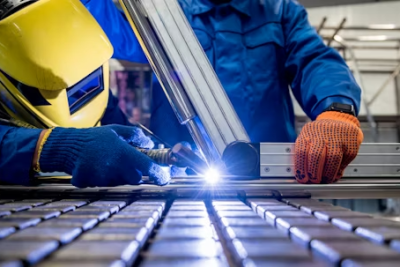
Gr2 titanium wire is marked as ERTi-2 welding wire, the standard filler metal for welding titanium and titanium alloy parts. Wires with diameter from 1.0 mm to 3.0 mm match TIG and MIG welding processes. The welded joints reach equal strength with base metal. Low oxygen content of Gr2 titanium wire improves fluidity of welding pools and prevents pores and slag inclusions.
For titanium pressure vessels, tensile strength of welded joints reaches over 95% of base metal strength. Weld areas retain original corrosion resistance. Ultra-fine wire of 0.8 mm fits welding thin-walled titanium alloy pipes in aerospace. It works with pulse welding technology to minimize heat input and control deformation. Gr2 welding wire is also used for connecting titanium tubes and tube plates in nuclear power plant condensers. Standard operation and strict inspection keep leakage risks extremely low within 30 years of service. Welding quality is still affected by process parameters and working environment. Zero leakage cannot be fully guaranteed.
3.3 Applications in Medical Devices and Precision Electronics
Medical devices set high standards for biocompatibility and dimensional accuracy of Gr2 titanium wire. Manufacturers use Gr2 titanium wire of 1.0 mm to 2.0 mm to make orthopedic pins and Kirschner wires. Common diameter of Kirschner wires ranges from 0.8 mm to 2.0 mm. The wire surface goes through electrolytic polishing to form mirror finish. It has good biocompatibility and causes few rejection reactions after implantation in human bodies.
Half-hard Gr2 titanium wire becomes orthodontic arch wires for dental treatment. Its moderate elastic modulus delivers steady and gentle orthodontic force. Ultra-fine wire of 0.3 mm to 0.5 mm makes guide wires for minimally invasive surgical instruments. Its diameter tolerance stays within ±0.01 mm to ensure smooth movement inside blood vessels.
In the electronics industry, Gr2 titanium wire produces non-magnetic springs. Its elastic modulus is about 105 GPa, which is relatively low. People need to carry out careful evaluation before using it for high-precision elastic parts such as suspension arms of hard disk read-write heads. Stainless steel or beryllium copper are more common choices here. Woven Gr2 titanium mesh is rarely used as shielding mesh for smart wearable devices. Titanium has a resistivity of about 0.42 μΩ·m and poor electrical conductivity. Its electromagnetic shielding effect is much weaker than copper mesh or conductive fabric.
| Application Field | Typical Wire Diameter | Key Performance Requirements | Core Advantages |
| Chemical Equipment | 2.0 mm ~ 6.0 mm | Resistance to strong acid and alkali | Service life 3 to 5 times longer than 316L stainless steel |
| Welding Material | 1.0 mm ~ 3.0 mm | Weld strength ≥ 345 MPa | Joint reliability increased by 40% |
| Medical Implants | 0.5 mm ~ 2.0 mm | Biocompatibility and high surface finish | Low rejection rate and fast osseointegration |
| Electronic Components | 0.1 mm ~ 0.5 mm | Dimensional tolerance ±0.01 mm | Equipment stability increased by 30% |
| Marine Engineering | 1.5 mm ~ 5.0 mm | No corrosion after 480-hour ASTM B117 salt spray test | Maintenance cost reduced by 60% |
4. Selection Guide and Procurement Key Points
4.1 Matching Rules for Wire Diameter and Material State
Select wire diameter according to load requirements and processing methods. For welding work: choose 1.0 mm to 1.2 mm wire when base metal thickness is 1 mm to 3 mm; choose 1.6 mm to 2.4 mm wire when base metal thickness is 3 mm to 6 mm. This rule applies to flat welding and horizontal welding. Use smaller diameter wire for vertical welding and overhead welding.
Work out wire diameter for elastic parts like springs and circlips based on design stress. Half-hard or hard state materials are preferred to raise elastic limit. For woven mesh products, keep the ratio of wire diameter to mesh size between 1:3 and 1:5 for plain weave. Adjust the ratio for twill weave and dense weave according to actual strength needs.
Ultra-fine wire of 0.1 mm to 0.5 mm mainly serves precision electronics and medical devices. It requires high surface quality and consistent size. Choose bright drawn surface and ask for full-length test reports for each coil.
4.2 Functional Selection of Surface Treatment
Pick pickled surface for products needing follow-up welding or surface modification. Its clean surface helps coating adhesion and welding fusion. Bright drawn surface has low roughness and neat appearance. It fits parts used directly, such as spectacle frames and watch bands.
Anodization forms oxide films with different thickness and colors under different voltage and electrolyte conditions. Colored anodization meets color design needs of consumer electronics. Thickened oxide films improve surface hardness and wear resistance. Wires with lubricant coating cut die wear by over 50% during cold heading and cold forging. They also raise forming limits.
4.3 Evaluation Standards for Suppliers
Advanced production equipment is an important factor to judge suppliers. Production lines with continuous rolling equipment ensure stable batch quality and large-scale supply. High-quality products can also be made with multi-pass drawing processes. Do not take rolling lines as the only standard.
Check complete testing equipment including spectrometers, universal testing machines, metallographic microscopes and eddy current detectors. ISO 9001 certification is the basic requirement for quality management. Suppliers for medical-grade products need ISO 13485 certification. Material certificates must follow the EN 10204-3.1 standard with third-party verified test data.
Professional technical service adds value. Good suppliers provide customized products with non-standard diameters, special lengths and exclusive surface treatment. They also supply small-batch samples and professional application support to lower development risks.
| Procurement Item | Evaluation Standard | Reference Index |
| Composition Stability | Oxygen content fluctuation between batches | ≤ 0.02% |
| Dimensional Accuracy | Diameter tolerance | ±0.02 mm (precision grade for 1 mm ~ 6 mm wire) |
| Surface Quality | Surface defect rate | ≤ 0.5% by length |
| Mechanical Performance | Tensile strength deviation | ≤ 30 MPa |
| Delivery Cycle | Lead time for standard products | Within 15 working days |
| Technical Support | Response speed for customized solutions | Feedback within 48 hours |
5. Future Development Trends and Technical Innovation
5.1 Research on Ultra-fine and High-strength Titanium Wire
3C electronics and medical devices drive fast-growing demand for ultra-fine titanium wire of 0.1 mm. Wire of 0.05 mm stays in laboratory research stage. Mass industrial production remains very difficult. Ultra-fine wire faces problems such as high breakage rate and hard surface quality control during drawing.
Multi-stage micro-deformation drawing technology, dies with nano-ceramic coating and online laser diameter measuring systems help control diameter tolerance within ±0.005 mm for ultra-fine wire. For high-strength titanium wire, alloying with aluminum and vanadium or cold working strengthening raises tensile strength to 800 MPa ~ 1000 MPa. These products meet high strength requirements of fasteners in aerospace, while retaining light weight and corrosion resistance.
5.2 Intelligent Manufacturing and Quality Traceability System
Titanium wire production moves toward full digital management in the Industry 4.0 era. Integrated online testing tools include laser diameter gauges, machine vision devices and eddy current sensors. They monitor wire diameter, surface defects and internal quality in real time.
Production data connects MES and ERP systems. Users can trace raw material batches, process parameters, test records and operators for every coil of titanium wire. Blockchain technology prevents data tampering and improves credibility of material certificates. Predictive maintenance systems analyze equipment operating data to warn of die wear and roller fatigue in advance. They cut unplanned downtime and guarantee on-time delivery for large orders.
5.3 Green Production and Circular Economy
Energy consumption and waste treatment are key issues for the titanium processing industry. Induction heating saves over 30% energy compared with traditional resistance furnaces. Waste heat recovery systems reuse heat from rolling processes to preheat raw materials.
Titanium scraps and cut ends from cold drawing go through degreasing and descaling first. Then workers reuse them via vacuum melting. The material recovery rate reaches over 90%. Oxidation loss stands at 5% to 10%, and 95% is the ideal recovery rate under strict impurity control.
Manufacturers treat pickling waste liquid with neutralization, precipitation and filtration. The final waste liquid meets national discharge standards for fluoride and heavy metals. Water-based lubricants replace traditional oil-based lubricants to reduce VOC emissions. These green measures cut production costs and help products meet strict environmental rules in high-end overseas markets.
Conclusion
Gr2 titanium wire is an essential industrial material thanks to its excellent comprehensive performance and wide application range. It delivers stable value in many fields, from precision medical implants and chemical anti-corrosion parts to lightweight aerospace components and reliable electronic elements.
Choose suppliers with advanced production equipment, complete quality control systems and professional technical services to ensure project success. Buyers can evaluate suppliers through site visits, case studies and sample tests.
FAQ
1. Main differences between Gr1 and Gr2 titanium wire
Gr2 titanium wire has higher oxygen content and strength. Its tensile strength ranges from 345 MPa to 450 MPa, while Gr1 titanium wire is 240 MPa to 345 MPa. Gr2 fits structural parts and welding work requiring certain load capacity. Gr1 works better for products needing excellent formability and ultra-low oxygen content.
2. Methods to check qualified surface quality of Gr2 titanium wire
Qualified wire has no obvious scratches, folds, cracks or uneven oxidation color. Bright drawn wire shows uniform silvery metallic luster with surface roughness Ra ≤ 0.8 μm. Pickled wire has even surface without acid corrosion spots. Use a 10-times magnifying glass to check tiny surface defects and eddy current testing to inspect internal quality.
3. Performance changes of Gr2 titanium wire in high temperature
Gr2 titanium wire works stably for long periods below 300 °C. Oxidation speeds up above 450 °C, and the surface turns golden yellow or blue. Oxide layers thicken above 600 °C and make the material brittle. Choose titanium alloys like Ti-6Al-4V or apply surface coatings for long-term high-temperature use to extend service life.
Reliable Manufacturer and Supplier of Gr2 Titanium Wire
Baoji Titanium Valley Titanium Nickel Zirconium Material Processing Co., Ltd. owns Danieli continuous rolling production lines from Italy. Its annual production capacity exceeds 20,000 tons. The company supplies full-size Gr2 titanium wire from 0.1 mm to 10.0 mm and accepts customized orders. All products comply with ASTM B863 standards and come with 3.1 material certificates. Contact us for technical solutions and samples: sales@titaniumvalleys.com
References
- Zhao Yongqing, Ge Peng. Titanium Alloy Materials Science and Engineering. Beijing: Chemical Industry Press, 2020.
- Li Miaoquan, Luo Xiao. Processing Technology of Titanium and Titanium Alloys. Xi’an: Northwestern Polytechnical University Press, 2019.
- Wang Xiangdong, Lu Fusheng, Jia Hong. Titanium Corrosion, Protection and Engineering Applications. Beijing: Chemical Industry Press, 2010.
- Zhang Zhu, Wang Guoqiang. Metallic Titanium and Its Alloys. Beijing: Metallurgical Industry Press, 2015.
- China Nonferrous Metals Industry Association. Titanium and Titanium Alloy Processing Handbook. Beijing: Metallurgical Industry Press, 2017.