
How Is Nickel 200 Foil Used in Industrial Electrochemical Applications?
- Nickel 200 Foil
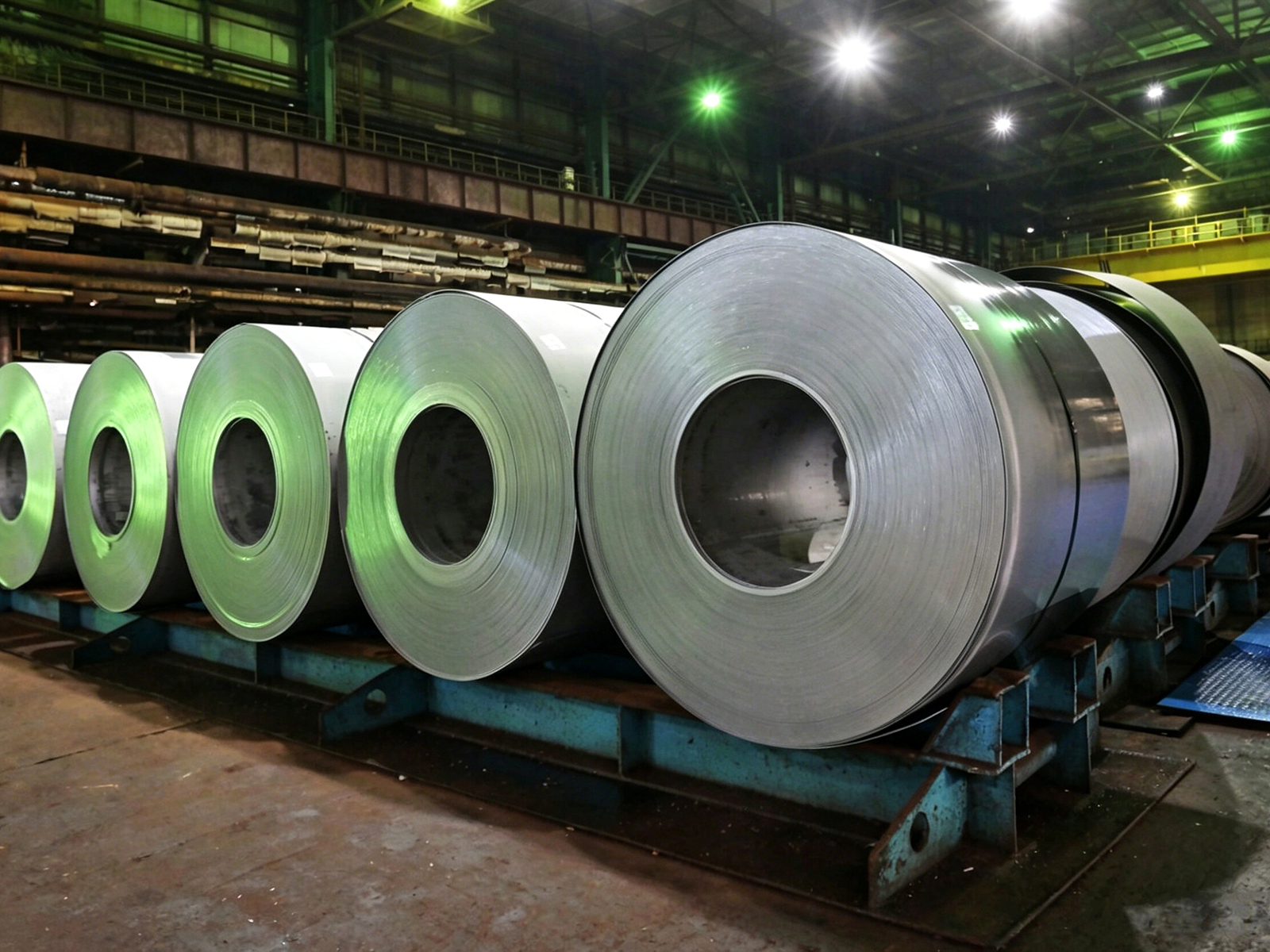
In modern industrial electrochemical systems, selecting appropriate electrodes and conductive materials directly affects the performance stability and service life of the equipment. As a commercial pure nickel material (Ni?99.6%), Nickel 200 Foil has become a key material in the fields of battery manufacturing, electrolysis systems and electronic shielding due to its excellent electrical conductivity, excellent alkali corrosion resistance and stable processing performance. Compared with other metal foils such as titanium foil, Nickel 200 Foil has more outstanding performance in current transmission stability and chemical environment adaptability. This article will systematically analyze how this material can help engineers solve the problem of material failure in highly corrosive environments from four dimensions: material properties, production processes, application scenarios and selection criteria, while achieving long-term stable operation of equipment performance. Whether you are a battery system designer, chemical equipment engineer, or precision electronics manufacturer, understanding the core values ??of Nickel 200 Foil will help you make more informed decisions in your material selection.
1. Material characteristics and performance advantages of Nickel 200 foil
(1) Chemical composition and purity guarantee of commercial pure nickel
The nickel content of Nickel 200 Foil is usually ?99.6%, which is an industrial pure nickel material within the scope of the UNS N02200 standard. This high-purity design enables it to exhibit stable potential characteristics in an electrochemical environment and avoid local corrosion or electrochemical reaction interference caused by impurity elements. The carbon content in the material is controlled at ?0.15%, impurity elements such as iron, manganese, and silicon are strictly limited below 0.40%, and the sulfur content is as low as ?0.01%. This fine composition control not only ensures the corrosion resistance of the material, but also ensures that its plasticity will not be reduced due to the precipitation of grain boundary carbides during high-temperature annealing. Compared with other nickel alloys, the low alloy design of Nickel 200 gives it better cold working performance and is suitable for the production of ultra-thin precision foils of 0.03~0.8 mm.
(2) Excellent electrical conductivity and thermal conductivity performance
As a pure metallic material, the electrical conductivity of Nickel 200 Foil is much higher than that of titanium foil and its alloys. At room temperature, its resistivity is approximately 6.84 ???cm, making it an ideal choice for battery tabs, electrolytic electrodes, and other scenarios that require efficient current transmission. Good electrical conductivity directly reduces the ohmic loss of the system and improves energy conversion efficiency. At the same time, the thermal conductivity of the material is about 90 W/(m?K), which can conduct heat quickly and evenly in heating elements and heat exchange systems to avoid material performance degradation caused by local overheating. This electrothermal synergistic advantage makes Nickel 200 Foil widely used in vacuum equipment, electrochemical reactors and precision heating systems.
(3) Corrosion resistance in alkaline and reducing environments
Nickel 200 Foil shows excellent corrosion resistance in strong alkaline solutions (such as NaOH, KOH), which is difficult to compare with titanium foil and stainless steel materials. In a high-concentration alkaline electrolyte environment, a stable passivation film will be formed on the surface of the nickel material, effectively preventing further erosion by the corrosive medium. The material’s stability in reducing atmospheres and neutral chloride solutions is also outstanding, and it is suitable for scenarios such as seawater desalination, food processing and pharmaceutical equipment that require extremely high material cleanliness. Compared with the risks of strong corrosion and hydrogen embrittlement of titanium alloys in alkaline environments, Nickel 200 Foil exhibits longer service life and lower maintenance frequency. This corrosion resistance makes it the material of choice for electrolyser cathodes, alkaline battery casings and chemical reactor linings.
2. Precision manufacturing technology of ultra-thin wide Nickel 200 Foil
(1) Multi-pass precision rolling process and flatness control
The core difficulty in producing 0.03~0.8 mm ultra-thin Nickel 200 Foil is to balance work hardening and plate shape stability. In the traditional rolling process, the material hardens rapidly during cold working, making it difficult to continue thinning in subsequent passes and prone to edge cracks. The use of 20-roll precision rolling equipment can significantly improve this problem. Through the multi-roller support structure, the bending deformation of the work roll is effectively controlled within ?0.001 mm, ensuring thickness consistency across the entire width. In conjunction with the intermediate annealing process, the material is softened after every 3 to 5 passes of cold rolling to eliminate the risk of brittleness caused by dislocation accumulation. This “rolling-annealing-rolling” cycle process allows the foil to maintain high strength while still having an elongation of ?25%, meeting the needs of subsequent secondary processing such as stamping and bending.
(2) Continuous annealing and microstructure uniformity control
The annealing process is decisive for the final properties of Nickel 200 Foil. The continuous argon-protected annealing furnace can achieve uniform heating with a temperature control accuracy of ?2?C, avoiding the common temperature gradient problem in batch annealing. The annealing temperature is usually set in the range of 700~900?, and the holding time is dynamically adjusted according to the thickness of the foil. This precise heat treatment process makes the internal recrystallization process of the material sufficient and uniform, and the grain size is controlled within the ASTM grade 5~7 range, which not only ensures the strength of the material, but also ensures good plasticity. The surface of the annealed foil shows a uniform silver-gray color with no oxidation color difference, and the surface tension is stable at about 44 dynes/cm, creating good conditions for subsequent coating attachment or welding processes.
(3) Ultrasonic cleaning and surface cleanliness management
In electronic and electrochemical applications, oil, oxides and micro-particles on the foil surface can directly affect the conductivity and welding quality. The ultrasonic alkali cleaning process can effectively remove the emulsion and metal powder remaining during the rolling process. The ultrasonic frequency is usually set at 28~40kHz, and combined with a special alkaline cleaning solution, deep cleaning can be achieved without damaging the material surface. The cleaned foil is rinsed with pure water and dried with hot air. The surface oil content is controlled below 10 mg/m?, and the roughness Ra value is maintained in the range of 0.2~0.6?m. This high-clean surface not only improves the material’s solderability but also reduces the risk of introducing contamination into precision electronic components.
3. Application practice of Nickel 200 Foil in the industrial field
(1) Application of tabs and current collectors in new energy battery systems
The performance of lithium-ion batteries and alkaline fuel cells depends largely on internal current collection efficiency. Nickel 200 Foil has become the mainstream choice for battery tabs due to its low resistance characteristics and excellent welding performance. In the power battery module, nickel foil with a thickness of 0.05~0.15 mm is connected to the battery core through ultrasonic welding or laser welding to form a stable conductive path. The high ductility of the material enables it to withstand minor deformations during the charging and discharging process of the battery and avoid fracture failure due to stress concentration. The cathode current collector in an alkaline electrolytic cell also uses a large amount of nickel foil. Its long-term stability in high-concentration KOH solutions is much better than that of copper foil and aluminum foil, which significantly extends the maintenance cycle of the electrolysis system.
(2) Electronic shielding and precision connector manufacturing
In high-frequency electromagnetic environments, the weak magnetic properties of Nickel 200 Foil make it an ideal electromagnetic shielding material. Through stamping or etching process, 0.03~0.08 mm ultra-thin nickel foil can be processed into a precision shielding cover to effectively attenuate radio frequency interference signals. The high conductivity of the material ensures that the shielding effectiveness is in the range of 40~60 dB, meeting the strict requirements of consumer electronics and communication equipment. In the field of precision connectors, the high plasticity of annealed nickel foil makes it suitable for multi-layer lamination and precision blanking. The processed spring contacts can still maintain good electrical contact stability during repeated plugging and unplugging.
(3) Corrosion-resistant components for the chemical and electrolytic industries
Electrolytic cell cathodes in the chlor-alkali industry, reactor linings in pharmaceutical equipment, and heat exchangers in seawater desalination systems all face long-term erosion from highly corrosive media. Nickel 200 Foil exhibits excellent durability under these demanding conditions. Nickel foil with a thickness of 0.3~0.8 mm can be made into complex-shaped corrosion-resistant parts after form welding. Its annual corrosion rate in concentrated alkali solutions below 80?C is usually less than 0.05 mm (to be verified based on actual working conditions). Compared with rubber or plastic lining processes, nickel foil components have higher mechanical strength and thermal stability, and significantly reduce maintenance costs. In food-grade applications, the high purity and non-magnetic characteristics of nickel foil ensure that the product will not introduce metal contamination or magnetic particles and comply with FDA and EU food contact material standards.
4. Key points of material selection and quality control in engineering applications
(1) Determine foil status and specifications based on application environment
Soft state (M) has a tensile strength of 370~420 MPa and an elongation of ?25%, and is suitable for scenarios that require deep drawing, bending and other plastic deformation, such as battery case stamping and bellows forming. The strength of soft (M) foil can be increased to 500~600 MPa, but the elongation is reduced to ?8%, making it more suitable as a structural support or a shielding frame that requires high stiffness. In terms of thickness selection, the ultra-thin specifications of 0.03~0.1 mm are mainly used for multi-layer lamination and precision etching, the medium thickness of 0.1~0.3 mm is suitable for stamping connectors, and the thicker specifications of 0.3~0.8 mm are used for structural components that carry large mechanical stress. Width specifications need to be considered in combination with actual product size and material utilization. 350~670 mm wide foil can meet most industrial production needs and reduce slitting losses. Wide width usually refers to foils with a width of more than 350 mm, which can be customized according to customer needs.
(2) Effect of surface treatment on performance
The bright surface foil is obtained through precision rollers and strict cleaning processes. The surface roughness Ra?0.4 ?m is suitable for electronic components and decorative applications. The pickled surface removes oxide scale through chemical methods, making the surface uniform and without residual oxide layer, and has the best welding performance. It is often used for parts that require subsequent brazing or laser welding. The matte surface, obtained by light sandblasting or chemical passivation, has high surface tension and strong coating adhesion, and is suitable for applications that require further application of insulating layers or functional coatings. Foils with different surface states have little difference in conductive properties, but there are significant differences in secondary processing adaptability and final product appearance, which need to be selected according to the specific process flow.
(3) Supplier technical capabilities and quality system assessment
When choosing a Nickel 200 Foil supplier, the accuracy level of the production equipment directly determines the consistency of the product. Manufacturers equipped with 20-roll precision rolling mills and continuous annealing lines are able to stably produce high-precision foils with thickness tolerances of ?0.005 mm, while the tolerances of ordinary equipment are usually above ?0.01 mm. In terms of quality control system, complete material certification (including chemical composition and mechanical property test reports) and third-party testing reports that comply with ASTM B162 standards are basic requirements. Suppliers with batch traceability capabilities can quickly locate the cause when quality problems occur and reduce batch risks. Large-scale production lines with an annual production capacity of more than 3,000 tons usually have more stable process parameter control and shorter delivery cycles, and are suitable for large-volume continuous procurement needs.
in conclusion
Nickel 200 Foil provides reliable material support for electrochemical systems, electronic shielding and corrosive environment applications through high-purity component design, precision manufacturing processes and excellent comprehensive performance. Its unique advantages in conductive efficiency, alkali corrosion resistance and processing adaptability enable engineers to extend service life and reduce maintenance costs while ensuring equipment performance.Proper material selection and supplier evaluation directly affect final product quality stability and project economics.
FAQ
Q1: How to choose between Nickel 200 Foil and titanium foil in battery applications?
Nickel foil has excellent conductivity and low cost, and is suitable for tabs and current collectors of alkaline batteries and fuel cells. Titanium foil has high strength but poor electrical conductivity. It is mostly used for structural support components that require lightweight and high corrosion resistance.
Q2: How to avoid cracking of ultra-thin nickel foil during stamping processing?
Use annealed (M) foil to ensure elongation ? 25%, control the stamping speed to avoid excessive instantaneous stress, the mold fillet radius should be ? 3 times the material thickness, and use a multi-pass progressive forming process if necessary.
Q3: How to judge whether the surface cleanliness of Nickel 200 Foil is qualified?
Surface tension can be detected through the water film test. The deionized water contact angle of qualified foil should be
Looking for high quality Nickel 200 Foil suppliers?
Baoji Baoji Titanium Valley Titanium Nickel Zirconium Material Processing Co., Ltd. specializes in the precision manufacturing of ultra-thin wide-width nickel foil, with an annual production capacity of 3,000 tons, a thickness tolerance of ?0.005 mm, and meets ASTM B162 standards. We provide stable batch supply and customized processing services to the global battery, electronics and chemical industries. Contact us: sales@titaniumvalleys.com
References
China Nonferrous Metals Industry Association. Nickel and Nickel Alloy Plate and Strip: GB/T 2054-2013[S]. Beijing: China Standards Press, 2013.
Gao Zhiqiang, Wang Lei. Corrosion and protection of nickel and nickel alloys[M]. Beijing: Chemical Industry Press, 2015.
Zhang Peng, Li Jun. Precision metal foil rolling process[M]. Beijing: Metallurgical Industry Press, 2018.
Liu Ming. Metal material selection in electrochemical engineering[J]. Materials Protection, 2020, 53(2): 45-50.