
Which Is Better for High-Temperature Applications Zr702 Zirconium or Pure Titanium Foil
- Zr702 Zirconium Foil
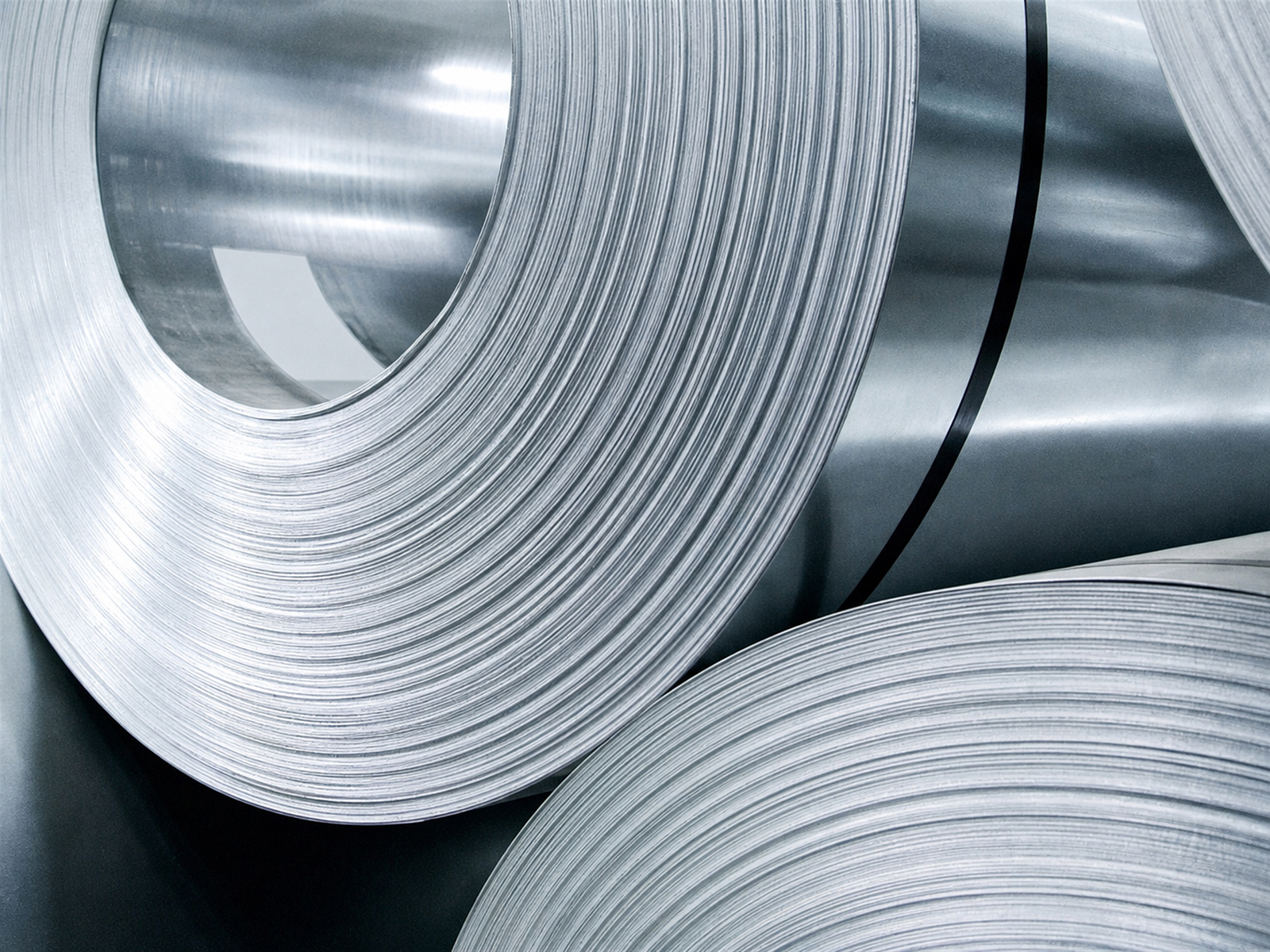
Zr702 Zirconium Foil In high-temperature corrosive environments, material selection directly affects equipment life and operating costs. With a purity of Zr+Hf?99.2%, Zr702 Zirconium foil shows nearly inert corrosion resistance in non-oxidizing acids such as hydrochloric acid and dilute sulfuric acid, and the corrosion rate is much lower than that of pure titanium foil. Although pure titanium foil (such as Gr2) is superior in oxidizing environments and lightweight structures, it is prone to hydrogen embrittlement and rapid failure in reducing strong acids. When the working temperature exceeds 150 ? and the medium is strong acid, the stability, pitting corrosion resistance and long-term reliability of Zr702 zirconium foil are significantly better than titanium materials. Understanding the physical properties, chemical resistance and suitability of two materials for working conditions is the key to formulating an accurate material selection strategy.
1. Comparison of basic material properties: differences in density, melting point and microstructure
(1) Engineering significance of density and melting point
Zr702 zirconium foil has a density of 6.51 g/cm?, a melting point as high as 1852?C, and excellent high-temperature structural stability. In comparison, pure titanium foil (Gr2) has a density of only 4.51 g/cm? and a melting point of 1668?C, which makes it more advantageous in lightweight design. However, the density difference means that at the same thickness, zirconium foil provides higher quality assurance and creep resistance, especially suitable for sealing gasket and electrolytic diaphragm applications that require long-term pressure bearing.
(2) Crystal structure and thermal stability
Zirconium maintains the ? phase (hexagonal close-packed structure) below 882?C, while titanium undergoes an ??? phase transition at 882?C. This difference makes the microstructure of zirconium foil more stable in medium and high temperature environments (200~300 ?), avoiding dimensional fluctuations and performance attenuation caused by phase transformation. Although pure titanium foil has excellent ductility at room temperature, it is prone to grain coarsening during thermal cycling conditions, which affects fatigue life.
(3) Work hardening and annealing response
After multiple passes of cold rolling, Zr702 zirconium foil can be annealed in a vacuum or inert atmosphere (typical annealing temperature range 550~650 ?) to restore excellent ductility (elongation ? 20%) and tensile strength ? 380 MPa. The typical tensile strength of titanium foil in the annealed state is 240~345 MPa (Gr2 annealed state is usually 240~340 MPa). It has better plasticity (elongation can reach 30%) and is suitable for complex forming. In ultra-thin specifications (0.02~0.05 mm), the thickness tolerance control (?0.001 mm) and flatness performance of zirconium foil are better than those of conventional titanium rolling processes.
2. In-depth analysis of corrosion resistance: performance differences in strong acid environments
(1) Hydrochloric acid environment: the absolute advantages of zirconium materials
In hydrochloric acid below 10% (room temperature to 80?C), the corrosion rate of Zr702 zirconium foil is
(2) Sulfuric acid and organic acid system
In dilute sulfuric acid with a concentration of <70% below 80?C, zirconium foil maintains a very low corrosion rate (100?C) or the concentration increases, the corrosion accelerates significantly (for example, in 80?C, 40% sulfuric acid, the typical corrosion rate is 0.5~2 mm/year). In the environment of organic acids (such as acetic acid and formic acid), the performance of the two is similar, but zirconium material has stronger resistance to crevice corrosion and pitting corrosion in mixed acid and chloride ion-containing systems.
(3) Inversion of alkaline and oxidizing environments
It is worth noting that pure titanium foil performs better than zirconium in oxidizing acids (such as nitric acid, chromic acid) and high-concentration alkali solutions. The passivation ability of titanium is enhanced in oxidizing media, while zirconium may corrode in strong alkali (such as NaOH>10%,>80?). Both have excellent corrosion resistance in seawater and chloride environments, but zirconium foil is more expensive and is usually only used to replace titanium under extreme working conditions.
3. High temperature performance and long-term stability: analysis of working condition suitability
(1) High temperature oxidation and surface changes
When Zr702 zirconium foil is used in air below 300?C, the surface oxide film grows slowly, the color remains uniform, and the microstructure is stable. When the temperature exceeds 400?C, the zirconium material begins to undergo significant oxidation in the air and absorbs oxygen, nitrogen and other gases, causing the material to embrittle… There is a risk of failure under long-term exposure, so it is not recommended to be used in air above 400?C. The critical oxidation temperature of pure titanium foil is about 500?C, and the TiO? film has self-healing capabilities, making it more reliable in medium and high temperature oxidizing atmospheres. Under vacuum or inert atmosphere, zirconium material can withstand higher temperatures (600~800?C) and is suitable for special heat treatment and electron beam welding processes.
(2) Creep and stress relaxation behavior
When subjected to long-term loading at 200~300?C, the creep rate of zirconium foil is lower than that of titanium, maintaining dimensional stability and sealing reliability. In applications such as electrolytic cell diaphragms and high-temperature gaskets, zirconium foil retains more than 98% of its original thickness after more than 1,000 hours of service, while titanium foil may produce 5% to 10% stress relaxation under the same conditions, leading to an increased risk of seal failure.
(3) Thermal cycle fatigue and welding performance
Both materials support TIG welding and spot welding, but the high-temperature corrosion resistance of zirconium foil welds is better. In repeated heating-cooling cycles (such as the start-up and shutdown of chemical equipment), the phase change stability of zirconium materials prevents the grain coarsening of the weld seam, and the crack expansion rate is lower than that of titanium materials. After welding titanium foil, heat input needs to be strictly controlled to prevent embrittlement and hydrogen contamination caused by overheating, while zirconium material has a higher tolerance for welding parameters.
4. Cost-effectiveness and supply chain considerations: full life cycle economic assessment
(1) Raw material cost and processing difficulty
The raw material price of zirconium is about 3 to 5 times that of titanium, and zirconium foil rolling requires higher equipment precision (a 20-roll finishing mill is required, with a thickness tolerance of ?0.001 mm), resulting in a unit area where the cost of finished products is significantly higher than that of titanium foil. However, under strong acid conditions, the service life of zirconium foil can be 5 to 10 times that of titanium. Calculated on a full life cycle basis, the maintenance cost savings brought about by reduced equipment replacement frequency can offset the initial investment difference.
(2) Inventory and delivery cycle
Pure titanium foil is a universal material with a mature global supply chain, and regular specifications can be delivered quickly. Zr702 zirconium foil is a special material with a long production cycle (customized specifications usually take 4 to 8 weeks) and strict requirements on purity and surface quality. When purchasing in large quantities, the price elasticity of zirconium foil is lower than that of titanium materials, so inventory planning and supplier qualification certification are required in advance.
(3) Environmental and safety costs
The low neutron absorption cross-section of zirconium makes it a designated material for the nuclear industry, but the cost of environmental protection treatment in the civilian field is comparable to that of titanium. Titanium foil has more advantages in waste recycling and reuse, and the industrial chain is complete. During the cutting and welding process of zirconium foil, it is necessary to prevent the risk of dust explosion (zirconium powder is flammable at high temperatures), which requires higher ventilation and protection requirements in the workshop.
5. Typical application scenarios and material selection decision matrix
(1) Material selection logic in the field of chemical anti-corrosion
In processes involving concentrated hydrochloric acid such as chlor-alkali electrolysis, chloride hydrometallurgy, and organic chlorine chemicals, Zr702 zirconium foil is the only reliable choice. After using zirconium foil for electrolytic cell diaphragms, hydrochloric acid storage tank linings, reactor sealing gaskets and other components, the mean time between failures (MTBF) is increased by more than three times. Titanium foil dominates the fields of seawater desalination, oxidative pharmaceuticals, wet desulfurization and other fields, taking advantage of its light weight, high strength and resistance to chloride ions.
(2) The materials game between batteries and new energy industries
The mainstream negative electrode current collector of lithium batteries uses copper foil. Titanium foil containing acid system has insufficient conductivity (resistivity is about 2 times that of zirconium) and has high losses in high current scenarios. However, in applications such as fuel cell bipolar plate coating substrates and supercapacitor casings, titanium has obvious lightweight advantages.
(3) Trade-off between aerospace and precision instruments
In the pursuit of extreme weight reduction, pure titanium foil has become the mainstream in aerospace engine honeycomb seals and satellite thermal control coating substrates. Zirconium foil is irreplaceable in high-radiation environments (such as nuclear power plant instrument sheaths) and highly corrosive sensor packaging (such as deep-sea exploration equipment). In magnetically sensitive equipment (such as MRI shields), both are non-magnetic materials, but zirconium has a lower thermal conductivity (22 W/m?K) than titanium (17 W/m?K), which makes it more advantageous in thermal isolation structures.
Conclusion
Zr702 zirconium foil and pure titanium foil each have their own advantages in high-temperature applications: zirconium material wins with its excellent strong acid corrosion resistance, high-temperature micro-stability and long-term reliability, and is suitable for chemical anti-corrosion and extreme environments; titanium foil occupies the field of structural and general corrosion protection due to its light weight and high strength, compatibility with oxidizing media and cost economy. Material selection requires a comprehensive evaluation of media type, temperature range, service cycle and full life cycle cost, and accurately matches material characteristics and working conditions requirements.
FAQ
Q1: Can Zr702 zirconium foil replace titanium for aerospace structural parts?
Not recommended. The density of zirconium foil is 44% higher than that of titanium, which does not have advantages in the aviation field that pursues lightweight. Only in strong acid corrosion or nuclear radiation environments, the special properties of zirconium can offset the weight disadvantage, such as instrument sheathing in nuclear power plants or deep-sea exploration equipment.
Q2: Will hydrogen embrittlement occur in zirconium foil at high temperatures?
meeting. Zirconium materials easily absorb hydrogen above 400?C, leading to embrittlement. It needs to be used in vacuum or inert atmosphere, or the hydrogen content in the environment can be controlled. Long-term contact of zirconium foil with high-temperature hydrogen or hydrogen-containing media should be avoided in chemical applications.
Q3: How to judge whether to choose zirconium foil or titanium foil?
The core criterion is the type of medium: zirconium is preferred for non-oxidizing strong acids (hydrochloric acid, dilute sulfuric acid); titanium is preferred for oxidizing media (nitric acid, seawater) or lightweight requirements. When the temperature exceeds 400?C, the oxidation atmosphere and phase change stability need to be evaluated, and verified through corrosion tests if necessary.
Need high-performance Zr702 zirconium foil or customized ultra-thin specifications?
As a professional manufacturer of rare metal materials, Baoji Baoji Titanium Valley Titanium Nickel Zirconium Material Processing Co., Ltd. has the world’s most advanced 20-roll finishing production line, which can stably supply high-purity zirconium foil with a thickness of 0.03~1.0mm and a width of 15~680mm, with an annual production capacity of 3,000 tons. Contact us for technical support and quotations: sales@titaniumvalleys.com
References
Li Hua, Wang Qiang. Application progress of zirconium and zirconium alloys in the chemical industry [J]. Chinese Journal of Corrosion and Protection, 2021, 41(3): 285-292.
Zhang Wei, Chen Ming. Comparative study on the high-temperature mechanical properties of titanium alloy and zirconium alloy [J]. Rare Metal Materials and Engineering, 2020, 49(7): 2301-2308.
ASTM International. Corrosion Resistance of Zirconium and Titanium in Acidic Environments[S]. ASTM G2/G2M, 2019.
Zhao Qiang, Liu Fang. Ultra-thin zirconium foil precision rolling technology and quality control[J]. Chinese Journal of Nonferrous Metals, 2022, 32(5): 1325-1333.