
What Certifications Must Be Verified When Selecting a Zr702 Zirconium Foil Supplier?
- Zr702 Zirconium Foil
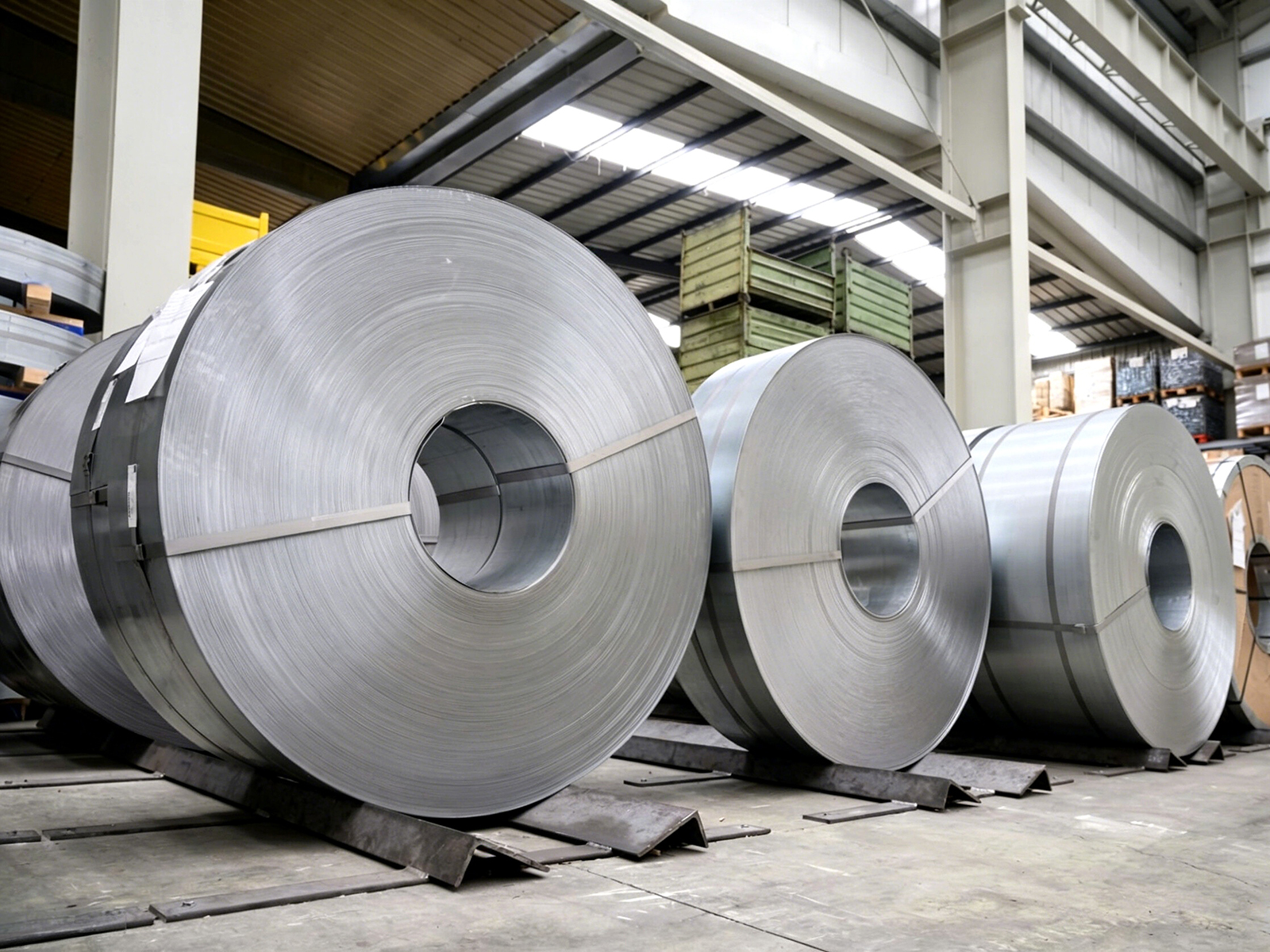
Selecting a qualified Zr702 Zirconium Foil (Grade 2 commercially pure zirconium per ASTM B551) supplier requires rigorous verification of certifications, quality management systems, and material traceability documentation. Zirconium foil is used in critical applications including chemical processing equipment, nuclear reactor components, medical implants, and aerospace structures where material failure can result in catastrophic consequences. This article outlines the essential certifications and documentation that procurement engineers must verify when qualifying a zirconium foil supplier.
1. Material-Specific Certifications
(1) EN 10204 Type 3.1 Material Certificate
The EN 10204 3.1 certificate is the gold standard for material documentation, providing batch-specific verification that the supplied Zr702 zirconium foil conforms to specified chemical composition, mechanical properties, and dimensional tolerances. This certificate must include: full chemical analysis results for Zr, O, Fe, H, N, C, and Hf; tensile test results (yield strength, tensile strength, elongation); hardness measurements; dimensional inspection records; heat number traceability to the original ingot; and authorized signature from the manufacturer quality department. Suppliers providing only 3.0 self-declaration certificates without independent test data should be rejected for critical applications.
(2) ASTM B551 Compliance Documentation
ASTM B551 standard specification for zirconium and zirconium alloy plate, sheet, and strip requires suppliers to provide documentation confirming compliance with all chemical, mechanical, and dimensional requirements. Key verification points include: grade designation (Grade 2 for Zr702); chemistry within specified limits (O <= 0.25%, Fe <= 0.30%, H <= 0.015%); mechanical properties in the annealed condition; surface finish requirements; and non-destructive examination results (eddy current or ultrasonic testing per ASTM E570 or E309).
(3) Nuclear-Grade Certifications (If Applicable)
For nuclear reactor applications, zirconium foil must comply with ASME Section III material specifications, ASTM B551 nuclear-grade requirements, and customer-specific nuclear quality standards. Additional documentation includes: hafnium content analysis (Hf < 0.005%); neutron absorption cross-section data; irradiation history (if recycled material is used); full heat treatment records including atmosphere composition and temperature monitoring; and 100% non-destructive examination with recorded results.
2. Quality Management System Certifications
(1) ISO 9001:2015
ISO 9001:2015 certification demonstrates that the supplier operates a documented quality management system covering design, production, inspection, and delivery of zirconium foil. Audit the certificate scope to confirm it explicitly includes zirconium and zirconium alloy sheet, plate, and foil manufacturing. Verify that the certifying body is accredited by an IAQF member organization (e.g., UKAS, DAKKS, ANAB).
(2) AS9100 Rev D (Aerospace)
AS9100 certification adds aerospace-specific requirements to ISO 9001, including configuration management, risk management, counterfeit part prevention, and special processes control. Suppliers providing zirconium foil for aerospace applications must hold AS9100 certification with scope covering titanium and zirconium sheet and foil production. The certification must be current and issued by an IAQG-recognized registrar.
(3) ISO 13485 (Medical Device)
For zirconium foil intended for medical implant or surgical instrument applications, ISO 13485 certification ensures the supplier follows medical device quality management requirements including design controls, sterilization validation, and traceability. This certification is essential for suppliers providing biocompatible zirconium foil meeting USP Class VI and ISO 10993 requirements.
3. Special Process Certifications
(1) Welding Procedure Qualification (ASME IX)
If the supplier performs welding operations (e.g., edge preparation, seam welding), welding procedure qualifications per ASME Section IX must be available. WPQR (Welding Procedure Qualification Record) and WPO (Welder Performance Record) documents verify that welding operators are qualified to weld zirconium materials with proper shielding and technique.
(2) Heat Treatment Process Control
Heat treatment is a critical special process for zirconium foil. Suppliers must demonstrate calibrated temperature monitoring systems (recorded within +/- 5 degrees C of setpoint), atmosphere control equipment maintaining oxygen content below 50 ppm and dew point below -60 degrees C, and documented heat treatment cycles for each product lot. Third-party audits of heat treatment facilities should verify equipment calibration records and operator qualifications.
(3) Non-Destructive Examination (NDE) Personnel
NDE personnel performing eddy current, ultrasonic, or radiographic examinations must hold certifications per NAS 410 or ISO 9712 at Level II or Level III. Certificate holders should be current (renewed every 3 years) and certified for the specific NDE method and material being inspected.
4. Traceability and Documentation Requirements
(1) Full Lot Traceability
Every shipment of Zr702 zirconium foil must be traceable to the original melting heat number, with complete documentation linking chemical analysis, mechanical test results, heat treatment records, and NDE results to the specific lot shipped. Heat numbers should be legibly marked on each foil bundle or packaging using non-contaminating methods (laser marking or stencil printing with removable ink).
(2) Test Reports and Analytical Data
Suppliers should provide comprehensive test reports including: ICP-OES or arc-spectrography chemical analysis for all specified elements; tensile test results per ASTM E8 with specimen orientation notation (rolling direction vs. transverse); hardness tests per ASTM E10 or E18 at multiple locations; thickness measurements using calibrated micrometers at defined intervals; surface roughness measurements per ASTM B446; and flatness and straightness verification.
5. Supplier Audit and Qualification Process
(1) On-Site Audit
Prior to qualification, conduct an on-site audit of the supplier manufacturing facility evaluating: raw material storage and handling procedures; melting and casting equipment condition and calibration; rolling mill maintenance records; heat treatment furnace calibration and atmosphere monitoring; finished goods inspection laboratory capabilities; and packaging and shipping procedures. Document all observations and require corrective action for any non-conformities before approving the supplier.
(2) Sample Testing and Qualification
Order representative samples from the proposed supplier for independent laboratory testing verifying chemical composition, mechanical properties, and microstructural characteristics. Compare test results against ASTM B551 requirements and internal specifications. Only after successful sample testing should full production orders be released.
Conclusion
Verifying supplier certifications and documentation is a critical step in the procurement of Zr702 zirconium foil for mission-critical applications. EN 10204 3.1 material certificates, ISO 9001/AS9100 quality management certifications, special process qualifications, and complete lot traceability form the foundation of a qualified supplier qualification program. Procurement engineers who rigorously verify these credentials protect their organizations from material failures, regulatory non-compliance, and costly supply chain disruptions.
FAQ
Q1: How often must EN 10204 3.1 certificates be renewed?
EN 10204 3.1 certificates are issued per heat or batch and do not expire. However, the supplier’s ISO quality certification must be recertified every 3 years through surveillance audits (annual) and recertification audits (triennial).
Q2: Is ISO 9001 certification sufficient for nuclear-grade zirconium foil?
No. Nuclear-grade zirconium foil requires additional certifications beyond ISO 9001, including ASME Section III material authorization, specific nuclear quality management requirements, and customer-specific nuclear supplier qualification. ISO 9001 alone is insufficient for nuclear applications.
Q3: What is the typical cost of a supplier audit for zirconium foil manufacturing?
On-site supplier audits for zirconium foil manufacturers typically cost ,000-,000 per audit day, including travel, accommodation, and auditor time. Comprehensive audits spanning 3-5 days evaluate all manufacturing, quality, and documentation processes.
Contact Titanium Valley
Baoji Titanium Valley Titanium Nickel Zirconium Material Processing Co., Ltd. holds ISO 9001:2015, AS9100 Rev D, and ISO 13485 certifications with full EN 10204 3.1 material certification for all Zr702 zirconium foil shipments. We welcome customer audits and provide complete traceability documentation. Contact us for certification copies and quotations:
References
ASTM International. ASTM B551-20 Standard Specification for Zirconium and Zirconium Alloy Plate, Sheet, and Strip [S]. 2020.
EN 10204: Metallic Products—Types of Inspection Documents [S]. European Committee for Standardization, 2004.
ISO 9001:2015 Quality Management Systems—Requirements [S]. International Organization for Standardization, 2015.
AS9100D: Quality Management Systems Requirements for Aviation, Space, and Defense Organizations [S]. ASA/IAQG, 2016.