
Why Gr2 Titanium Foil Can Withstand Extreme Marine Environments: Which Grade Offers the Best Corrosion Resistance?
- Gr2 titanium foil
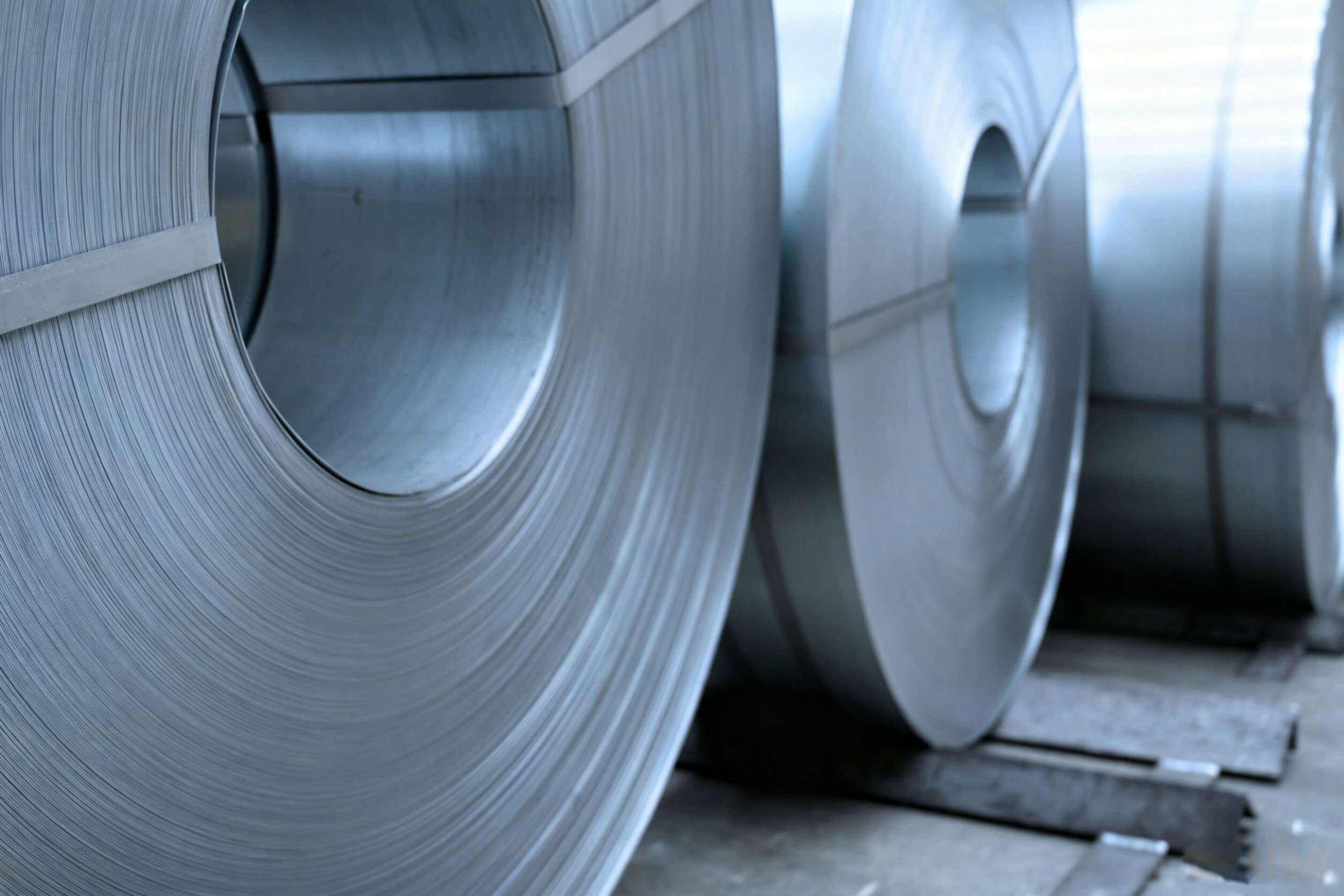
Gr2 Titanium Foil Gr2 titanium foil has proven itself as one of the most durable materials for marine and offshore applications, withstanding extreme ocean environments including seawater immersion, tidal zone exposure, and marine atmospheric corrosion. This article examines the corrosion mechanisms, performance data, and practical applications of Gr2 titanium foil in marine engineering and offshore structures.
1. Marine Corrosion Mechanisms
(1) Seawater Chemistry and Corrosive Agents
Seawater contains approximately 3.5% dissolved salts (primarily NaCl), along with dissolved oxygen (5-8 mg/L), sulfate-reducing bacteria, and suspended particulates. These components create an aggressive corrosive environment that attacks most structural metals within months to years.
| Corrosive Agent | Concentration | Attack Mechanism | Gr2 Resistance |
|---|---|---|---|
| Chloride Ions (Cl-) | 19,000 mg/L | Pitting, crevice corrosion | Excellent – passive film stable |
| Dissolved Oxygen | 5-8 mg/L | Cathodic depolarization | Excellent – film self-heals |
| Sulfate-Reducing Bacteria | 10^3-10^6 CFU/mL | MIC (microbiologically influenced corrosion) | Excellent – biofilm resistant |
| pH | 7.5-8.4 | Alkaline corrosion | Excellent – stable in neutral-alkaline |
(2) Gr2 Titanium Passive Film Stability
Gr2 titanium foil forms a stable TiO2 passive film (2-10 nm thick) that is thermodynamically stable in seawater across the full pH range (6-9) and temperature range (-2 to 40 degrees C). The film self-heals within milliseconds of mechanical damage, provided dissolved oxygen is present to support oxidation.
2. Performance Data in Marine Environments
(1) Immersion Corrosion Testing
Gr2 titanium foil exhibits corrosion rates below 0.001 mm/year inimmersed seawater at temperatures up to 60 degrees C. After 10 years of immersion in tropical seawater (30 degrees C), weight loss measurements show less than 0.5 micrometers of material loss, confirming exceptional long-term durability.
(2) Galvanic Corrosion Resistance
When coupled with stainless steel, aluminum, or carbon steel in seawater, Gr2 titanium foil acts as a cathode with negligible anodic dissolution. Galvanic corrosion rates remain below 0.01 mm/year, making Gr2 ideal for hybrid marine structures combining titanium with other structural metals.
3. Marine Engineering Applications
(1) Heat Exchanger and Condenser Tubes
Gr2 titanium foil is fabricated into heat exchanger tubes for seawater-cooled condensers, desalination plants, and offshore platform cooling systems. Service lives exceeding 25 years have been documented, compared to 3-5 years for copper-nickel alloys and 10-15 years for duplex stainless steels.
(2) Offshore Platform Components
Gr2 titanium foil clad plates and welded structures are used for seawater intake systems, ballast tank linings, and mooring hardware on offshore platforms. The material eliminates maintenance downtime associated with corrosion-related repairs.
(3) Subsea and Deepwater Applications
Gr2 titanium foil performs exceptionally well at depths exceeding 3000 meters, maintaining corrosion resistance under high hydrostatic pressure (300+ bar) and low temperatures (2-4 degrees C). Pressure vessel components, sensor housings, and ROV structural parts benefit from Gr2 titanium foil corrosion immunity.
4. Economic Analysis
While Gr2 titanium foil has a higher initial cost than stainless steel or copper-nickel alloys (approximately 3-5 times per kg), the total cost of ownership over 25-year service life is 40-60% lower due to eliminated maintenance, extended replacement intervals, and reduced downtime.
Conclusion
Gr2 titanium foil delivers unmatched corrosion resistance in marine and offshore environments, with service lives exceeding 25 years and corrosion rates below 0.001 mm/year. Its combination of durability, mechanical strength, and economic efficiency makes it the premier material for marine engineering applications.
FAQ
Q1: How long does Gr2 titanium foil last in seawater?
Gr2 titanium foil typically lasts 25+ years in seawater with negligible corrosion, often outlasting the structure it protects.
Q2: Can Gr2 titanium foil be welded for marine use?
Yes, TIG or laser welding with argon shielding produces corrosion-resistant welds equal to base metal performance.
Q3: How does Gr2 compare to duplex stainless steel for marine applications?
Gr2 offers superior corrosion resistance and longer service life, though duplex stainless steel has lower initial cost.
Contact Us
Baoji Titanium Valley Titanium Nickel Zirconium Material Processing Co., Ltd. supplies Gr2 titanium foil for marine applications. Contact us at sales@titaniumvalleys.com.
References
[1] Jones D.A. Principles and Prevention of Corrosion[M]. 2nd Edition. Prentice Hall, 2022.
[2] ASTM G48-22. Standard Test Methods for Pitting and Crevice Corrosion Resistance.
[3] ISO 9655:2020. Wrought Zirconium and Zirconium Alloys-Chemical Composition.