
Why Nickel 201 Foil Is Often Used for Laboratory Crucibles: Which Grade Offers the Best High-Temperature Performance?
- Nickel 201 Foil
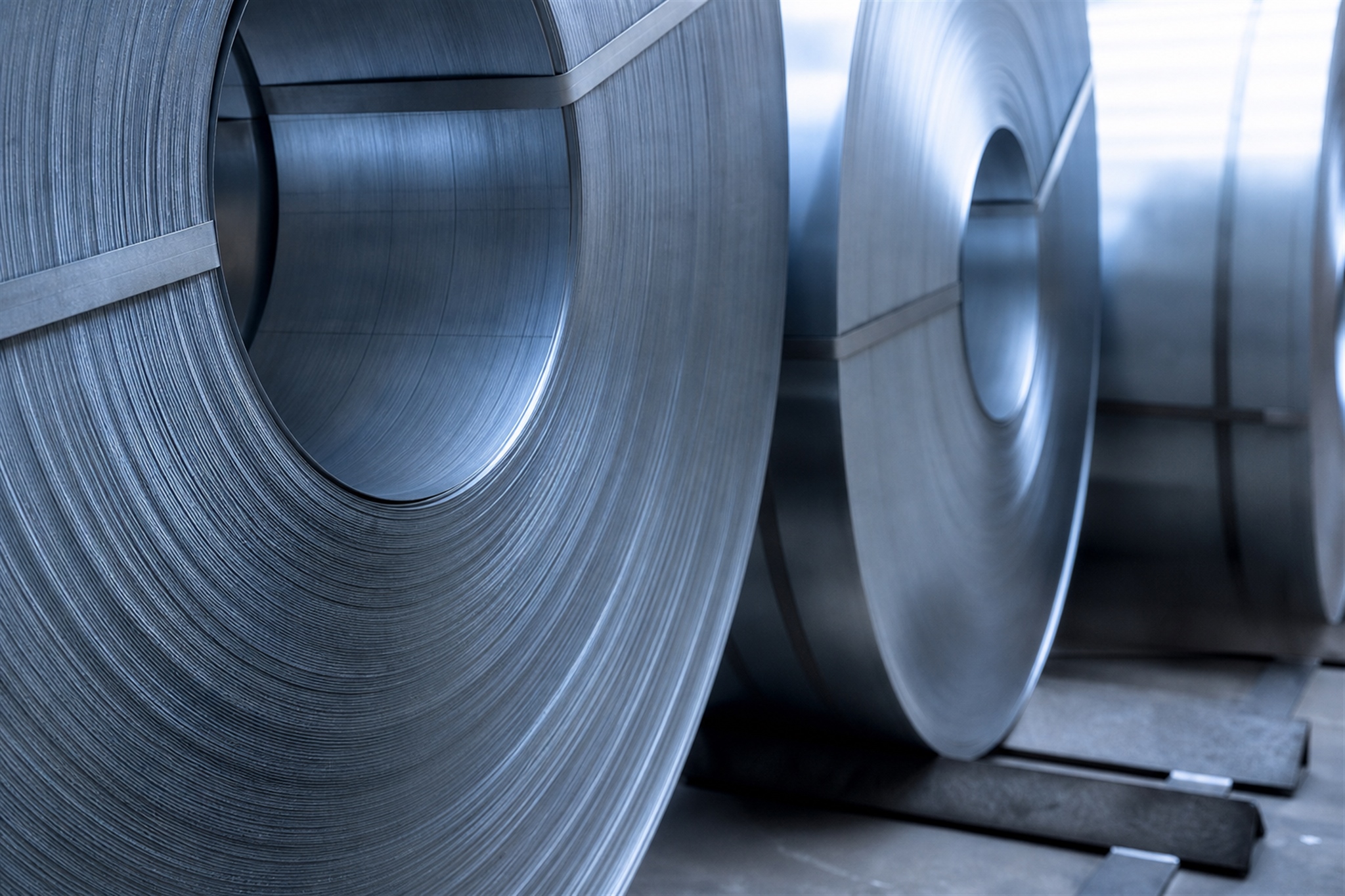
Nickel 201 Foil Nickel 201 (commercially pure nickel, >= 99.6% Ni) foil has become the standard material for laboratory crucibles, furnace components, and high-temperature experimental fixtures. This article examines why Nickel 201 foil is preferred for crucible applications and evaluates its performance characteristics including melting point, corrosion resistance, and thermal stability.
1. Nickel 201 Material Properties
(1) Chemical Composition and Purity
Nickel 201 foil contains >= 99.6% nickel with carbon <= 0.15%, copper <= 0.25%, and iron <= 0.20%. The high purity ensures minimal contamination of laboratory samples during high-temperature processing.
| Element | Nickel 201 Limit | Purpose | Contamination Risk |
|---|---|---|---|
| Ni | >= 99.6% | Base matrix | Negligible |
| C | <= 0.15% | Control carbide formation | Low |
| Cu | <= 0.25% | Impurity control | Low |
| Fe | <= 0.20% | Impurity control | Low |
(2) Thermal Properties
Nickel 201 foil exhibits a melting point of 1455 degrees C, thermal conductivity of 90.9 W/m-K, and coefficient of thermal expansion of 13.4 ppm/K. These properties enable stable performance in furnaces operating up to 1100-1200 degrees C under oxidizing atmospheres.
2. Crucible Applications
(1) Melting and Annealing Furnaces
Nickel 201 foil crucibles are used for melting and annealing noble metals (gold, silver, platinum) and high-purity alloys. The crucible material does not react with most molten metals below 1100 degrees C, ensuring sample purity.
(2) Powder Metallurgy Processing
In powder metallurgy, Nickel 201 foil crucibles contain metal powders during sintering at 1000-1300 degrees C. The foil formability allows custom crucible geometries for specific powder volumes and sintering configurations.
3. Advantages Over Alternative Crucible Materials
Compared to graphite crucibles (contamination risk, oxidation at high temperature), alumina crucibles (brittle, limited thermal shock resistance), and platinum crucibles (extremely expensive), Nickel 201 foil crucibles offer optimal balance of cost, performance, and versatility.
Conclusion
Nickel 201 foil provides the ideal combination of high-temperature stability, chemical inertness, and formability for laboratory crucible applications. Its proven performance and cost-effectiveness make it the standard choice for materials processing laboratories worldwide.
FAQ
Q1: What is the maximum temperature for Nickel 201 crucibles?
Continuous service up to 1100 degrees C in air; intermittent exposure to 1200 degrees C is acceptable.
Q2: Can Nickel 201 crucibles be used in reducing atmospheres?
Yes, Nickel 201 performs well in hydrogen and forming gas atmospheres up to 1000 degrees C.
Q3: How does Nickel 201 compare to pure platinum for crucibles?
Nickel 201 costs approximately 1/20th of platinum while providing adequate performance for most laboratory applications below 1100 degrees C.
Contact Us
Baoji Titanium Valley Titanium Nickel Zirconium Material Processing Co., Ltd. supplies Nickel 201 foil. Contact us at sales@titaniumvalleys.com.
References
[1] ASM Handbook Volume 2: Properties and Selection[M]. ASM International, 2023.
[2] ASTM B161/B161M-22. Standard Specification for Nickel and Nickel-Copper Alloy Plate, Sheet, and Foil.
[3] Perry R.H., Green D.W. Perry Chemical Engineers Handbook[M]. 9th Edition. McGraw-Hill, 2022.