
What Are the Applications of ASTM B550 Zirconium Wire in Pyrotechnic Technology and Special Light-Emitting Components
- ASTM B550 Zirconium Wire
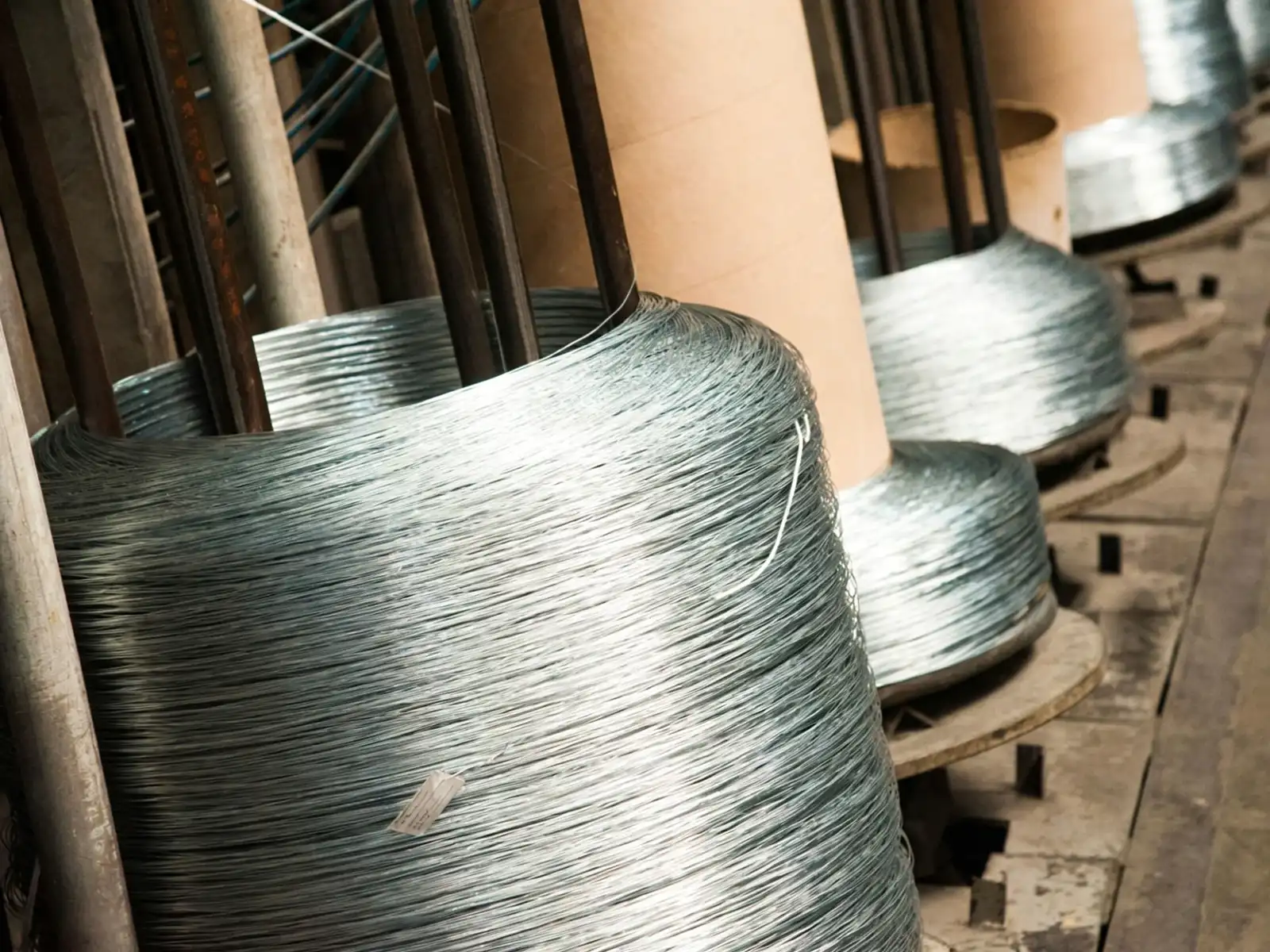
Due to its unique combustion characteristics and light-emitting properties, ASTM B550 zirconium wire demonstrates irreplaceable value in pyrotechnic technology and special light-emitting components. When zirconium metal combusts, it produces an intensely bright white flame with combustion temperatures exceeding 3,000 degrees Celsius, accompanied by strong ultraviolet and visible light radiation. This high-energy-density light-emitting profile makes ASTM B550 zirconium wire a critical material for military illumination, emergency signaling, high-speed photography, and extreme-environment lighting applications.
What Are the Unique Combustion Mechanisms and Optical Properties of Zirconium Wire in Pyrotechnics?
High-Temperature Oxidation Reaction and Energy Release Mechanism
When ignited in air, zirconium rapidly undergoes vigorous oxidation with oxygen, forming zirconium dioxide and releasing substantial heat. The calorific value of zirconium per unit mass is approximately 12,000 kJ/kg, lower than magnesium (approximately 24,700 kJ/kg), but zirconium achieves higher combustion temperatures (exceeding 3,000 degrees Celsius) with significantly greater luminous efficiency. ASTM B550 zirconium wire leverages this energy release profile to produce intense, sustained white light suitable for precision pyrotechnic formulations.
Spectral Characteristics and Color Temperature Analysis of Zirconium Wire Combustion
The white light emitted during zirconium combustion achieves a color temperature of 4,500 to 6,000 K, closely resembling natural daylight, with spectral coverage spanning from ultraviolet to visible wavelengths. This high-color-temperature, high-rendering-index light source offers significant advantages in military illumination and photographic fill-light applications. R60702 pure zirconium wire delivers a clean white flame, while R60705 zirconium-niobium alloy wire (containing 2.0 to 3.0 percent Nb) provides slightly adjusted spectral distribution with enhanced intensity for specialized signaling requirements.
Combustion Rate and Light Intensity Control Across Different Zirconium Wire Diameters
Ultra-fine zirconium wire (0.06 to 0.2 mm) generates an explosive light output upon ignition due to its extremely high surface-area-to-volume ratio, making it suitable for flash powders and instantaneous lighting devices. Medium-diameter wire (0.5 to 2.0 mm) offers controllable combustion rates and is frequently cut to specific lengths for timed light-emitting devices. Coarse-diameter wire (3.0 to 5.0 mm) provides sustained, prolonged illumination ideal for military flares and rescue signal applications.
Wire Diameter | Combustion Rate (Standard Atmosphere, Oxygen-Rich) | Light Intensity Output | Typical Application Scenario |
0.06-0.1 mm | 100-150 mm/s | Extremely high instantaneous brightness | Photographic flash powder, miniature signal flares |
0.3-0.5 mm | 50-80 mm/s | High-brightness sustained emission | Civilian pyrotechnic sparks, stage effects |
1.0-2.0 mm | 20-40 mm/s | Stable strong light output | Illumination flare bodies, aviation signal flares |
3.0-5.0 mm | 10-20 mm/s | Long-duration high-brightness illumination | Military flare cores, emergency rescue lamps |
What Are the Core Applications of ASTM B550 Zirconium Wire in Military and Civilian Pyrotechnic Devices?
Zirconium Wire Formulation Design for Military Illumination and Signal Flares
Modern military illumination flares require light intensities reaching several million candela, illuminating a radius exceeding 1 kilometer. ASTM B550 R60702 zirconium wire, with its high purity (Zr+Hf at least 99.2 percent) and low impurity profile, serves as the core filling material for illumination projectiles. Typically, 2.0 to 3.0 mm diameter zirconium wire is mixed with barium nitrate, chlorates, and other oxidizers, then compressed into pellet configurations for reliable ignition and consistent light output.
Zirconium Powder and Zirconium Wire Combination Technology in Civilian Fireworks
Traditional fireworks use aluminum-magnesium alloys to create silver fountain effects, but these produce heavy smoke and toxic gases. ASTM B550 zirconium wire cut into 0.3 to 1.0 mm segments, mixed with strontium nitrate and barium carbonate, and loaded into firework shells. When combusted, zirconium wire produces brilliant white spark showers that, combined with copper and strontium metal salts for colored flames, create spectacular multi-layered visual effects with reduced environmental impact.
Zirconium Wire Applications in Aviation and Marine Rescue Signal Devices
Aviation rescue illumination flares use R60705 zirconium-niobium alloy wire, whose strength exceeds pure zirconium by over 40 percent, enabling it to withstand the shock loads of parachute deployment. Marine rescue signal devices employ specially waterproof-packaged zirconium wire assemblies that remain reliably ignitable even after 5 years of storage in high-humidity environments, ensuring critical rescue signaling when needed.
Device Type | Zirconium Wire Specification (Post-Mixing with Oxidizer) | Light Duration | Visible Range |
Handheld Signal Stick | phi 1.5 mm x 50 mm pure Zr wire + oxidizer | 30-45 sec | 2-3 km (night) |
Parachute Illumination Flare | phi 3.0 mm x 120 mm Zr wire + oxidizer | 60-90 sec | 5-8 km (night) |
Floating Signal Light | phi 2.0 mm x 80 mm Zr wire + oxidizer | 40-60 sec | 3-5 km (sea surface) |
What Technological Innovations Exist for Zirconium Wire in Special Light-Emitting Components and Flash Devices?
Zirconium Wire Flash Lamps for High-Speed Photography and Scientific Research
Traditional photographic flash lamps use xenon discharge tubes, but in high-speed photography (at least 10,000 frames/sec), xenon flash duration (approximately 1/1,000 sec) is too long, causing motion blur. ASTM B550 ultra-fine zirconium wire (phi 0.06-0.08 mm) is heated to ignition point instantaneously via pulsed current, producing a flash lasting only 1/50,000 sec, sufficient to freeze high-velocity phenomena such as bullet trajectories, fluid dynamics, and explosive expansion for scientific documentation.
Zirconium Wire Light Sources for Space Exploration and Extreme-Environment Illumination
Space probes operating in deep space far from the sun require reliable emergency illumination. Zirconium wire flash devices operate without batteries, functioning through mechanical impact or chemical ignition, with stable performance across extreme temperatures from minus 180 degrees Celsius to plus 120 degrees Celsius. Lunar probes have employed 1.0 mm diameter R60702 zirconium wire for emergency marker lights, with single ignition providing continuous illumination for extended durations in the absence of solar power.
Ultraviolet Light Sources Using Zirconium Wire for Medical and Industrial Inspection
Zirconium combustion generates abundant ultraviolet light (wavelength 200-400 nm), a characteristic with potential applications in specialized detection equipment. Precision-cut zirconium wire (phi 0.1-0.2 mm x 5-10 mm length) installed in disposable inspection pens produces UV light upon ignition that can excite fluorescent markers, demonstrating promise in medical pathology detection and industrial non-destructive testing applications.
How Does the Production Process of ASTM B550 Zirconium Wire Critically Affect Pyrotechnic Performance?
Impact of Zirconium Wire Purity and Impurity Control on Combustion Stability
The ASTM B550 specification strictly limits impurity levels in zirconium wire: Fe at most 0.20 percent, C at most 0.05 percent, O at most 0.18 percent, N at most 0.025 percent, H at most 0.005 percent. Impurity content directly affects combustion uniformity and spectral purity. Excessive iron content produces dark red light spots during combustion, reducing white light purity; carbon excess leads to unstable burning and residue formation. High-purity zirconium wire achieves lower ignition temperatures (approximately 300 degrees Celsius), more complete combustion reactions, and residue rates below 2 percent.
Surface Treatment and Coating Technology for Zirconium Wire
Untreated zirconium wire develops a passive oxide layer in humid environments that delays ignition and reduces combustion consistency. Surface treatments including acid pickling, silane coupling agent coatings, magnesium powder thin-coating, and polymer protective films are applied based on specific application requirements. These treatments improve ignition reliability, extend storage life, and enable tailored combustion characteristics for different pyrotechnic formulations.
Surface Treatment Method | Treatment Effect | Applicable Scenario |
Acid Pickling and Brightening | Removes oxide layer, improves ignition reliability | Military signal flares, illumination flares |
Silane Coupling Agent Coating | Moisture-proof and anti-oxidation, extends storage life | Civilian fireworks (5-year shelf life) |
Thin Magnesium Powder Coating | Lowers ignition temperature, accelerates ignition | Rapid flash devices |
Polymer Protective Film | Isolates air and moisture, prevents spontaneous combustion | Marine rescue signal flares |
How Is the Environmental Impact of Zirconium Wire Pyrotechnics Managed?
Environmental Friendliness of Zirconium Combustion Products
Complete zirconium combustion produces zirconium dioxide (ZrO2), an extremely chemically stable white ceramic powder that is non-toxic, insoluble in water, and does not contaminate soil. Compared to the aluminum oxide, magnesium oxide, and chloride fumes generated by aluminum-magnesium alloy fireworks, zirconium-based pyrotechnics significantly reduce environmental impact. The European Union new fireworks environmental regulation (effective 2025) encourages the use of zirconium and titanium as cleaner alternatives.
Zirconium Wire Recycling and Reuse Technology for Circular Economy
Zirconium wire scrap, defective products, and partially unreacted combustion residues from pyrotechnic manufacturing can all be recycled and reused. A complete zirconium waste recycling system employs vacuum melting and electron beam refining processes to restore recycled zirconium purity to above 99.5 percent, which is then reprocessed into zirconium wire or other zirconium products. This closed-loop recycling model achieves zirconium utilization rates exceeding 90 percent, substantially reducing raw material costs and environmental footprint.
Safety Management for Zirconium Wire Storage and Transportation
Pyrotechnic manufacturers should store zirconium wire in dry, cool, well-ventilated warehouses, away from oxidizers, acids, and flammable materials. Transportation requires anti-static packaging to prevent friction-induced sparking. Processing workshops must be equipped with inert gas fire suppression systems; water-based fire extinguishers are prohibited for zirconium fires as they produce hydrogen gas.
Conclusion
ASTM B550 zirconium wire, with its superior high-temperature combustion performance, clean white light spectrum, and environmentally friendly characteristics, has become a key material in modern pyrotechnic technology and special light-emitting components. From military illumination flares to civilian fireworks, from high-speed photography flash to space emergency lighting, zirconium wire applications continue to expand. With advancing production processes and tightening environmental regulations, high-purity, high-performance zirconium wire will play an increasingly important role in the pyrotechnic and specialty lighting industries.
FAQ
Q1: What Core Advantages Does ASTM B550 Zirconium Wire Have Over Conventional Magnesium-Aluminum Alloy Pyrotechnic Materials?
Zirconium wire achieves higher combustion temperatures (3,000 degrees C vs 2,200 degrees C), cleaner light color (daylight white vs yellowish white), and environmentally friendly combustion products, zirconium dioxide is non-toxic. In contrast, magnesium-aluminum combustion generates heavier chloride and metal fume pollution. Zirconium wire is better suited for premium fireworks and regions with strict environmental regulations.
Q2: How to Select Different Diameters of Zirconium Wire for Pyrotechnic Devices?
Ultra-fine zirconium wire (0.06-0.2 mm) is suitable for instantaneous high-intensity flash and photographic applications; medium diameter (0.5-2.0 mm) is used for civilian fireworks sparks and stage effects; coarse diameter (3.0-5.0 mm) provides sustained illumination and is the first choice for military flares and rescue signals. Selection should comprehensively consider light duration, brightness requirements, and loading processes.
Q3: What Safety Precautions Should Be Taken During Storage and Use of Zirconium Wire?
Fine-diameter zirconium wire powder poses a spontaneous combustion risk and must be stored in dry, ventilated environments away from oxidizers and acids. During processing, avoid generating excessive dust, and equip workshops with inert gas fire suppression systems. Use anti-static packaging for transportation. Water-based extinguishers must never be used on zirconium fires, as they produce hydrogen gas.
Obtaining Professional ASTM B550 Zirconium Wire Supply Solutions
Titanium Valley (Baoji Titanium Valley Titanium Nickel Zirconium Material Processing Co., Ltd.), as a global leader in rare metal material manufacturing, possesses an annual high-precision zirconium wire production capacity of 5,000 tons. We offer the full R60702, R60704, and R60705 zirconium wire product range compliant with ASTM B550, with diameters covering 0.01 to 6.0 mm. Contact us for technical consultation and customized supply solutions: sales@titaniumvalleys.com
For a broader view of available grades, supply forms, and related specifications, explore our Zirconium Wire category.
For product-level details and supply options, you can also review our ASTM B550 Zirconium Wire page.
References
Zhang Qiang, Li Hua. Research on Combustion Characteristics of Zirconium Powder and Its Applications in Pyrotechnic Technology [J]. Chinese Journal of Energetic Materials, 2019, 27(5): 356-362.
Wang Ming, Zhao Gang. Performance Comparative Analysis of Magnesium-Aluminum Alloy and Zirconium-Based Pyrotechnic Agents [J]. Journal of Explosants, 2020, 43(2): 189-194.
Institute 213 of Ordnance Industry. Military Illumination Flare Design Manual [M]. Beijing: National Defense Industry Press, 2018.
Chen Lei, Liu Jie. Research on Ultra-Short Pulse Zirconium Wire Flash Light Sources for High-Speed Photography [J]. Optics and Precision Engineering, 2021, 29(8): 1789-1796.