
What Are the Common Applications of GR5 Titanium Foil in Medical Devices?
- Gr5 Titanium Foil
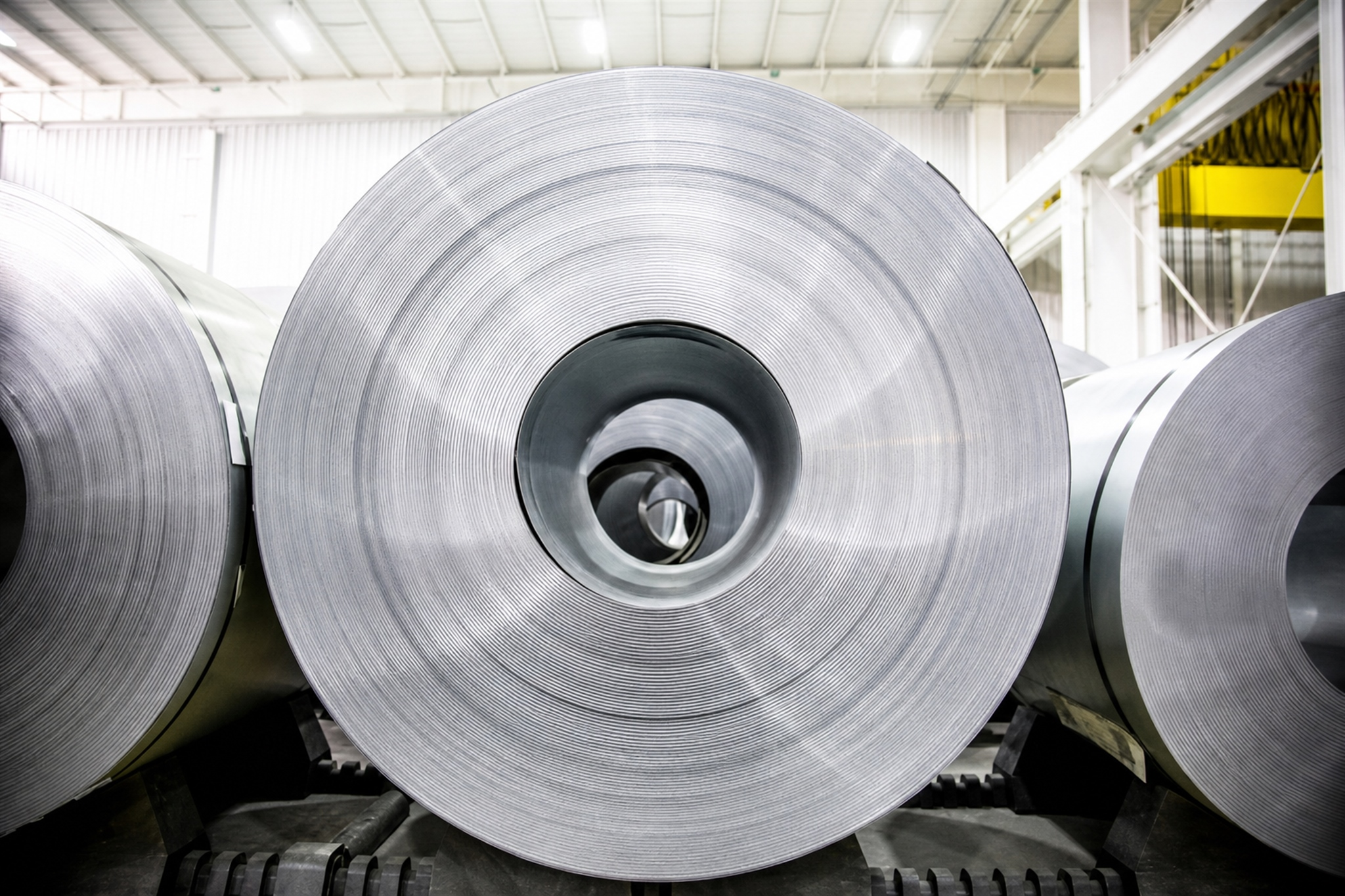
GR5 titanium foil (Ti-6Al-4V) has extensive applications in the medical device sector, primarily concentrated in orthopedic implants, surgical instruments, dental restorations, cardiovascular intervention devices, and medical electronic equipment. This alpha-beta dual-phase titanium alloy foil, with its superior biocompatibility, high specific strength (tensile strength of 895 MPa or greater), excellent corrosion resistance, and non-magnetic characteristics, has become an essential material for high-end medical device manufacturing. Compared with commercial pure titanium foil (GR1/GR2), GR5 provides significantly higher strength while maintaining adequate ductility for complex forming operations.
Property | GR5 (Ti-6Al-4V) Foil | GR1 (CP Titanium) Foil | 316L Stainless Steel |
Tensile Strength | >= 895 MPa | >= 240 MPa | >= 515 MPa |
Yield Strength | >= 830 MPa | >= 170 MPa | >= 310 MPa |
Elongation | >= 10% | >= 20% | >= 40% |
Density | 4.43 g/cm3 | 4.51 g/cm3 | 7.93 g/cm3 |
Elastic Modulus | 110 GPa | 105 GPa | 200 GPa |
Corrosion Resistance | Excellent | Excellent | Good |
Magnetic Property | Non-magnetic | Non-magnetic | Weakly magnetic |
Biocompatibility | ISO 10993 compliant | ISO 10993 compliant | Limited (Ni release) |
Application Category | Foil Thickness (mm) | Key Requirement | Standards Compliance |
Spinal Implants | 0.1 – 0.3 | High strength + bone ingrowth | ASTM F136, ISO 10993 |
Surgical Instruments | 0.03 – 0.1 | Precision + sterilization resistance | ISO 13485 |
Dental Restorations | 0.15 – 0.25 | Aesthetics + biocompatibility | ISO 7405 |
Cardiovascular Stents | 0.05 – 0.08 | Fatigue resistance + drug coating | ASTM F136 |
Implantable Enclosures | 0.2 – 0.4 | EMI shielding + hermetic seal | IEC 60601 |
1. Core Application Scenarios in Orthopedic Implants
Spinal Fusion Cages and Intervertebral Disc Prostheses
GR5 titanium foil is manufactured into spinal fusion cage architectures through precision stamping and laser welding. Its high-strength characteristics sustain long-term dynamic loading of the human spine. Foil of 0.1 to 0.3mm thickness is stacked in multiple layers to form porous structures with porosity controlled between 40 and 60 percent, balancing mechanical strength with promoting bone tissue ingrowth. Although the elastic modulus of Ti-6Al-4V (110 GPa) exceeds that of human bone (approximately 10 to 30 GPa), structural design incorporates modulus-reduction features such as lattice structures to minimize stress shielding effects and ensure long-term implant stability.
Trauma Fixation Plates and Intramedullary Nail Reinforcement Layers
Fixation plates used in trauma orthopedics commonly employ GR5 titanium foil of 0.5 to 0.8mm thickness as reinforcement layers, bonded to the substrate through diffusion bonding technology. This design maintains overall structural strength while reducing device weight by approximately 30 percent. Surface micro-arc oxidation treatment creates a porous oxide film with roughness Ra of 3 to 5 micrometers, significantly enhancing cell adhesion capacity and osteogenic activity. Note that this serves as a structural reinforcement layer rather than a conventional coating, requiring bond strength exceeding 500 MPa.
Joint Replacement Prosthesis Connection Components
Modular connection points of artificial hip and knee joints employ GR5 titanium foil fabricated into flexible cushioning shims, typically 0.05 to 0.15mm thick. This design absorbs micromotion stresses generated during joint movement, extending prosthesis service life to 15 to 20 years. The foil excellent fatigue resistance (fatigue strength of 500 MPa or greater, tested at stress ratio R equals 0.1, sine wave cycling) ensures reliable performance through the approximately 3,000 to 5,000 daily joint activity cycles the human body experiences.
2. Precision Applications in Surgical Instruments and Minimally Invasive Equipment
Minimally Invasive Laparoscopic Surgical Tools
Laparoscopic instrument grasping forceps, cutting blade heads, and dissection hooks are manufactured from ultra-thin GR5 titanium foil of 0.03 to 0.1mm thickness with dimensional tolerance controlled within plus or minus 0.005mm. This extremely thin design reduces instrument tip diameter to 2 to 3mm, significantly minimizing tissue trauma. Cold-rolled hardened foil achieving hardness of HB 300 to 330 maintains cutting sharpness while eliminating breakage risk during surgery.
Neurosurgical Micro-Instruments
Micro-dissectors and aneurysm clips used in cranial surgery are formed from GR5 titanium foil through precision electrical discharge machining with wall thickness of only 0.05mm. The non-magnetic characteristic of Ti-6Al-4V reduces MRI artifact interference during intraoperative imaging (though not completely eliminated), improving diagnostic accuracy. The material maintains dimensional stability through 300 degrees Celsius high-temperature high-pressure sterilization cycles with deformation below 0.02 percent (tested at 25 degrees Celsius over 1,000 cycles), meeting reusability requirements.
Substrate Material for Disposable Surgical Blades
High-end disposable surgical blades use GR5 titanium foil of 0.08 to 0.12mm thickness as the blade substrate, achieving nanometer-scale sharpness through ion beam edge strengthening technology. Compared with stainless steel blades, titanium alloy blades are 40 percent lighter, reducing surgeon hand fatigue. Plasma polymerization coating treatment on the foil surface reduces the coefficient of friction to 0.08 and cuts cutting resistance by 60 percent.
3. Innovative Applications in Dental Restoration and Orthodontics
All-Ceramic Crown Inner Liner Frames
Dental all-ceramic restorations employ GR5 titanium foil of 0.15 to 0.25mm thickness as the inner support frame, customized through CAD/CAM CNC milling. The titanium alloy frame bending strength of 800 to 900 MPa effectively prevents porcelain chipping. Surface sandblasting and acid etching achieve roughness of Ra 2 to 3 micrometers, ensuring reliable bonding between the titanium frame and ceramic veneer.
Orthodontic Archwires and Bracket Substrates
Lingual brackets for invisible orthodontic systems are manufactured from GR5 titanium foil of 0.3 to 0.5mm thickness through metal injection molding (MIM) with dimensional accuracy of plus or minus 0.01mm. The superelastic characteristic of Ti-6Al-4V (rebound rate of 85 percent or greater) provides continuous and stable orthodontic force, reducing treatment duration by 20 to 30 percent. The material exhibits corrosion potential of plus 200mV (versus SCE) in oral saliva environment, effectively reducing metal ion release and lowering allergy risk.
Implant Healing Abutments
Customized healing abutments for dental implants are manufactured from GR5 titanium foil of 0.4 to 0.6mm thickness using selective laser melting technology, building microporous structures on the surface. This design promotes rapid soft tissue attachment forming biological sealing, achieving stable healing within 4 to 6 weeks post-surgery. The high strength of titanium foil allows abutment wall thickness reduction of 40 percent, reserving greater aesthetic space for the restoration.
4. Key Components in Cardiovascular Intervention Devices
Coronary Artery Stent Braiding Material
The mesh structure of drug-eluting stents is manufactured from ultra-fine GR5 titanium foil wire of 0.05 to 0.08mm thickness through laser cutting and braiding. The strut width is only 60 to 80 micrometers. The radial support force of Ti-6Al-4V reaches 0.8 to 1.2 N per mm, maintaining luminal patency within blood vessels while avoiding over-expansion damage. Drug coating thickness on the foil surface is controlled within 5 to 10 micrometers, with drug release curve exhibiting an ideal biphasic pattern. Stent restenosis rate is reduced by 25 percent compared to stainless steel stents.
External Sheath for Pacemaker Electrode Leads
The outer protective sheath of pacemaker electrode leads uses GR5 titanium foil of 0.08 to 0.12mm thickness formed through laser welding with wall thickness uniformity of plus or minus 0.005mm. The foil excellent fatigue resistance withstands repeated bending stress from cardiac pulsation, achieving service life of 10 years or greater (equivalent to 360 million bending cycles). Non-magnetic characteristics ensure patients can safely undergo 1.5T and 3.0T MRI examinations (artifacts require evaluation).
Artificial Heart Valve Frames
Hinge support frames of mechanical heart valves are manufactured from GR5 titanium foil of 0.3 to 0.5mm thickness through precision forging and electrolytic polishing. Frame design minimizes hemodynamic resistance with transvalvular pressure difference below 10mmHg. Ti-6Al-4V exhibits lower thrombosis tendency in blood environments compared to cobalt-chromium alloys, allowing anticoagulation therapy intensity reduction of 30 percent and decreasing bleeding complication risk.
5. Functional Applications in Medical Electronic Equipment
Enclosures for Implantable Neurostimulators
Sealed enclosures for deep brain stimulators and spinal cord stimulators employ GR5 titanium foil of 0.2 to 0.4mm thickness manufactured through deep drawing and laser welding, achieving IP68 protection rating. The foil excellent electromagnetic shielding effectiveness (shielding efficiency of 60 dB or greater) protects internal circuits from external interference. The low density of Ti-6Al-4V (4.43 g/cm3) keeps total device weight below 20 grams, reducing implant site burden on patients.
Acoustic Lenses for Ultrasound Probes
Acoustic matching layers for high-frequency ultrasound probes employ ultra-thin GR5 titanium foil of 0.05 to 0.1mm thickness with acoustic impedance of 27 MRayl closely approximating human tissue. Nano-surface structuring treatment on the foil increases ultrasound transmission rate to 92 percent, improving image resolution by 40 percent. Dimensional stability during sterilization ensures long-term probe accuracy without degradation.
Electrode Connection Tabs for Portable Monitoring Devices
Flexible electrode connection tabs for wearable ECG monitoring equipment combine ultra-thin GR5 titanium foil of 0.03 to 0.06mm thickness with medical silicone. The titanium foil provides stable electrical connection (contact resistance below 5 ohms), while the silicone layer ensures skin-contact comfort. This composite structure achieves bending radius of 2mm, conforming to body curvature across all anatomical regions. Signal acquisition accuracy exceeds 98 percent compared to conventional silver/silver chloride electrodes.
Conclusion
GR5 titanium foil, its high strength, biocompatibility, and precision processing characteristics, has become a core material in modern medical device manufacturing. From orthopedic implants bearing human body weight to micro-scale minimally invasive instruments, from cardiovascular devices contacting blood to long-term implanted electronic equipment, Ti-6Al-4V foil comprehensively covers key links across the medical device industry chain. With the integrated application of advanced technologies such as 3D printing and surface bio-modification, GR5 titanium foil is driving innovation across the medical device sector.
FAQ
Q1: What are the advantages of GR5 titanium foil over stainless steel in medical devices?
GR5 titanium foil offers superior biocompatibility with no nickel or cobalt release (common allergens in stainless steel), higher strength-to-weight ratio reducing implant weight by 30 to 40 percent, and excellent corrosion resistance in bodily fluids. While absolute strength may be lower than some martensitic stainless steels, the combination of strength, biocompatibility, and non-magnetic properties makes GR5 the preferred material for most implantable and intraoperative devices.
Q2: Is GR5 titanium foil safe for long-term implantation in the human body?
Yes. GR5 (Ti-6Al-4V) titanium foil complies with ISO 10993 biological evaluation standards and ASTM F136 specifications for surgical implant hardware. Decades of clinical data confirm its safety for long-term implantation. The stable TiO2 passive film prevents metal ion release into surrounding tissues. For applications requiring enhanced biocompatibility, surface treatments such as plasma spraying of hydroxyapatite can further promote osseointegration.
Q3: What is the minimum thickness achievable for medical-grade GR5 titanium foil?
Medical-grade GR5 titanium foil is available in thicknesses starting from 0.02mm. Ultra-thin specifications below 0.1mm require specialized manufacturing processes including precision rolling, controlled annealing, and rigorous surface treatment. For medical applications, thickness selection depends on the specific component requirements: stent struts typically use 0.05 to 0.08mm, enclosures use 0.2 to 0.4mm, and surgical instruments use 0.03 to 0.1mm.
Finding a Reliable Medical-Grade GR5 Titanium Foil Supplier
Baoji Titanium Valley Titanium Nickel Zirconium Materials Processing Co., Ltd. (Titanium Valley) specializes in medical-grade titanium foil manufacturing with full ISO 13485 certification. We offer GR5 (Ti-6Al-4V) titanium foil from 0.02 to 1.0mm thickness with complete biocompatibility testing reports, EN 10204-3.1 certificates, and customizable surface treatments for medical applications. Contact us for technical support and samples: sales@titaniumvalleys.com
For a broader view of available grades, supply forms, and related specifications, explore our Titanium Foil category.
For product-level details and supply options, you can also review our ASTM F136 Gr5 Eli (Gr23) Titanium Foil page.
References
ASTM F136: Standard Specification for Wrought Titanium-6Aluminum-4Vanadium Alloy Implant Materials. ASTM International, 2022.
ISO 10993 Series: Biological Evaluation of Medical Devices. International Organization for Standardization, 2021.
Lawn, B.R. Fracture Biomaterials and Bioceramics. Springer, 2019.
Duck, F.A. Physical Properties of Tissue: A Comprehensive Reference Book. Academic Press, 2018.