
What Are the Main Characteristics of GR1 Titanium Foil?
- Gr1 Titanium Foil
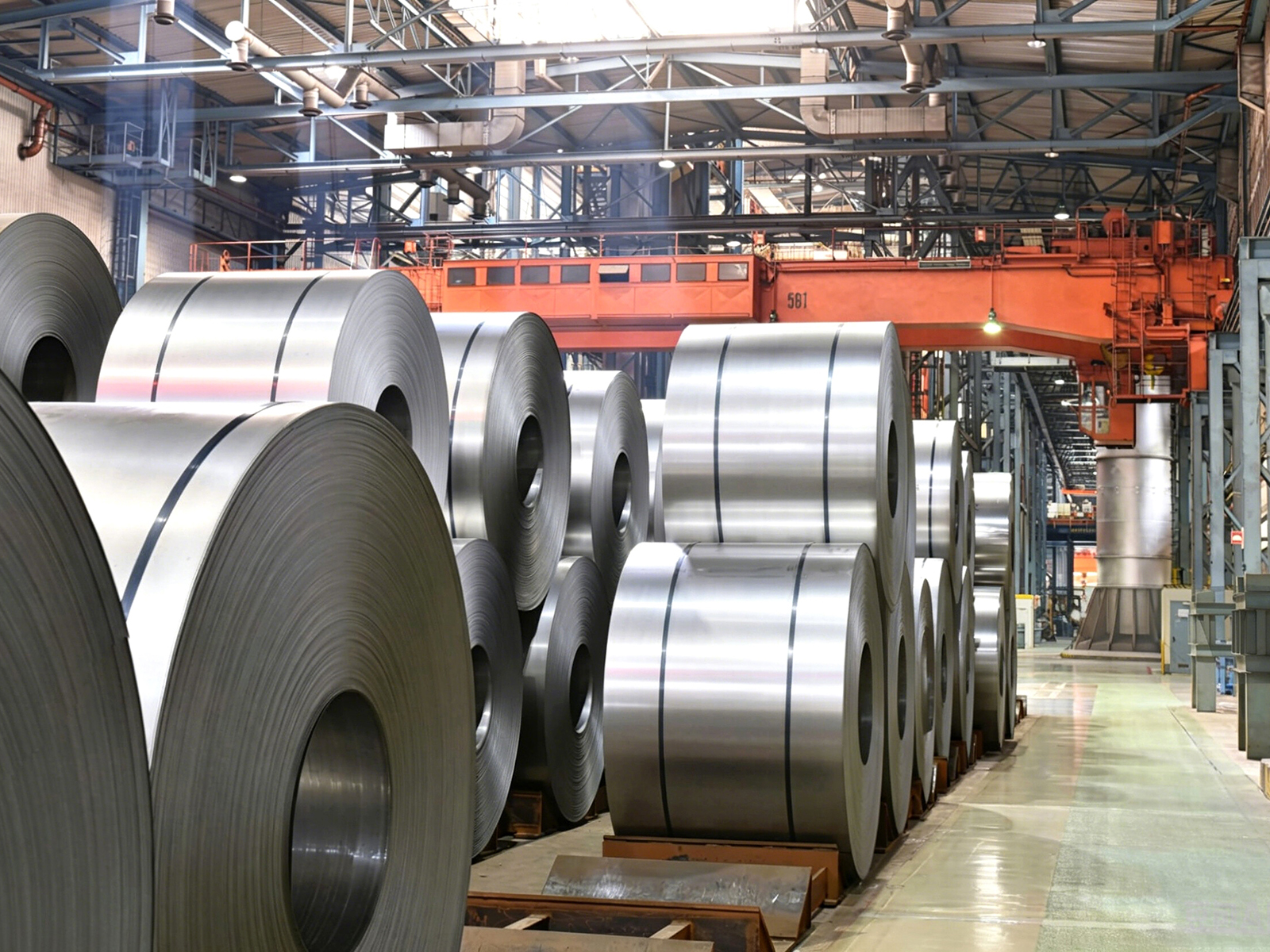
As the highest purity grade among industrial pure titanium, GR1 titanium foil exhibits distinctive characteristics across multiple dimensions of material essence and application performance. This alpha-phase single-phase material with titanium purity of 99.5 percent or greater has a density of only 4.51 g/cm3, approximately 57 percent that of steel, yet provides tensile strength of 275 MPa or greater. Its prominent characteristics include: exceptional corrosion resistance capable of withstanding most acid, alkali, and salt media (caution required in reducing acids); superior ductility with elongation reaching 25 percent or greater facilitating cold working and forming; non-magnetic properties and biocompatibility meeting electromagnetic shielding and medical implant requirements; and a wide operating temperature range maintaining stable performance from cryogenic temperatures up to 500 degrees Celsius. When thickness is controlled within 0.02 to 1.0mm and width reaches 350 to 670mm, these characteristics demonstrate irreplaceable technical value in high-end applications including aviation weight reduction, fuel cell electrodes, and electromagnetic shielding.
1. How Chemical Composition and Purity Control of GR1 Titanium Foil Affect Performance
Decisive Role of Primary Element Titanium Content on Material Foundation Properties
Chemical Element | GR1 Standard Content (%) | Impact on Properties |
Ti (Titanium, balance) | Balance | Determines basic corrosion resistance and biocompatibility |
O (Oxygen) | <= 0.18 | Every 0.05% increase: strength +40MPa, ductility -3-5% |
Fe (Iron) | <= 0.20 | Excess forms brittle phase, reduces formability |
C (Carbon) | <= 0.08 | Affects weldability and grain refinement |
N (Nitrogen) | <= 0.03 | Excess causes aging hardening tendency |
H (Hydrogen) | <= 0.015 | Excess causes hydrogen embrittlement, worsens low-temp toughness |
GR1 titanium foil requires titanium content of 99.5 percent or greater, a high purity standard that directly establishes the fundamental characteristics of the material. The crystal structure of primary titanium is hexagonal close-packed (alpha phase), endowing the material with good room-temperature ductility and machinability. For every 0.1 percent increase in purity, the corrosion rate in strong acid environments decreases by 15 to 20 percent, and the self-repair capability of the passive film is significantly enhanced.
Precise Control Standards for Impurity Elements Including Oxygen, Iron, Carbon, Nitrogen, and Hydrogen
According to ASTM B265, GR1 titanium foil controls oxygen at 0.18 percent or less, iron at 0.20 percent or less, carbon at 0.08 percent or less, nitrogen at 0.03 percent or less, and hydrogen at 0.015 percent or less. Based on industry experience, for every 0.05 percent increase in oxygen content, tensile strength improves by approximately 40 MPa but elongation decreases by 3 to 5 percent (this relationship should be applied cautiously near the upper oxygen limit). Excess iron forms brittle phases at grain boundaries, increasing the risk of cracking during bending.
Process Assurance Mechanism for Impurity Control and Batch Stability
Vacuum melting and multiple refining processes reduce interstitial elements in raw materials to the minimum. The production process employs continuous argon-protected annealing to prevent secondary hydrogen and oxygen absorption. Every batch undergoes dual inspection by spectral analysis and chemical titration, ensuring chemical composition fluctuation controlled within approximately plus or minus 0.01 percent, providing microstructural and performance consistency for large-scale production.
2. How Physical Performance Parameters Support Lightweight and Thermal Conductivity Applications
Quantified Benefits of Density Advantage in Aerospace Structural Weight Reduction
The density of 4.51 g/cm3 makes GR1 titanium foil an ideal material for structural lightweighting. At equivalent strength, replacing stainless steel with titanium foil achieves 43 percent weight reduction, while replacing aluminum alloy achieves 40 percent weight reduction with over ten times improved corrosion resistance. According to an aerospace project case study, skin components using 670mm wide titanium foil achieved single-part weight reduction of 12.3 kg, total aircraft structural weight reduction of 187 kg, and fuel efficiency improvement of 2.8 percent.
Synergistic Effect of Melting Point and Thermal Conductivity on High-Temperature Environment Adaptability
The melting point range of 1660 to 1725 degrees Celsius ensures microstructural stability during long-term operation below 500 degrees Celsius. Thermal conductivity of 21.9 W per meter-Kelvin falls between stainless steel and aluminum alloy, ensuring heat transfer efficiency in heat exchanger applications while avoiding thermal stress concentration. Fuel cell bipolar plates using 0.1mm titanium foil, verified under enterprise test standards, operated for 5,000 hours at 80 degrees Celsius operating temperature with thermal cycle deformation below 0.02mm.
Specification Range | Typical Application Field | Technical Advantage |
0.02-0.05mm | Flexible circuits, electromagnetic shielding | 360-degree curlable, shielding effectiveness >40dB |
0.1-0.3mm | Fuel cell electrodes, heat exchange plates | Single-piece forming, reduces welds by ~85% |
0.5-1.0mm | Chemical linings, composites | High load capacity, pressure resistance >3MPa |
350-500mm width | Small and medium equipment | Welds reduced 50%, cost lowered 30% |
500-670mm width | Large equipment | Welds reduced 70%, reliability improved 40% |
Application Logic of Resistivity Characteristics in Electromagnetic Shielding and Electrode Substrates
Resistivity of 42 microhm-centimeters enables 0.02mm ultra-thin titanium foil to provide shielding effectiveness of 35 to 55 dB in the 30 to 1000 MHz frequency band, meeting precision electronic equipment requirements. As an electrolytic electrode substrate, after surface coating with precious metal, contact resistance stabilizes at 0.8 to 1.2 mhm-cm squared, with current distribution uniformity 15 percent superior to copper substrates and service life extended more than three times.
3. How Mechanical Performance Indicators Ensure Forming and Service Reliability
Support for Thin-Walled Structure Load-Bearing Capacity by Strength and Yield Ratio
Mechanical Property | GR1 Standard Value | Practical Application Effect |
Tensile Strength | >= 275 MPa | Adequate safety margin for thin-wall pressure structures |
Yield Strength | >= 170 MPa | Sufficient margin during elastic deformation |
Elongation | >= 25% | 90-degree bend radius 1.5x sheet thickness without cracking |
Hardness | 100-150 HB | Stamping depth up to 3x sheet thickness |
Grain Size | ASTM 8-10 grade | Performance variation <3%, meets precision machining |
Tensile strength of 275 MPa or greater and yield strength of 170 MPa or greater give 0.5mm titanium foil ample safety margin when withstanding 3.2 MPa pressure. The yield ratio of 0.68 ensures sufficient safety margin during elastic deformation. Chemical equipment liners using 0.3mm titanium foil show 28 percent higher impact strength than same-thickness 316L stainless steel with 40 percent improved fatigue life.
Cold Working Performance under Elongation and Hardness Matching
Elongation of 25 percent or greater combined with hardness range of 100 to 150 HB endows the material with excellent cold forming capability. The 90-degree bending radius reaches 1.5 times the sheet thickness without cracking. For titanium foil above 0.1mm, stamping depth reaches more than 3 times the sheet thickness. In battery tab production, 0.08mm titanium foil underwent five-pass drawing with 35 percent thickness reduction while maintaining surface integrity, with scrap rate controlled below 0.3 percent.
Improvement of Microstructural Uniformity and Performance Stability by 20-Roll Finishing Process
Using a 750mm 20-roll precision finishing mill with multi-pass small reduction rolling refines grains to ASTM 8 to 10 grade. Thickness tolerance controlled within plus or minus 0.001mm, with tensile strength variation within 10 MPa across the same coil (grain uniformity ensures strength stability) and elongation variation below 2 percent. Continuous annealing temperature controlled within plus or minus 2 degrees Celsius, eliminating work hardening while maintaining optimal strength-ductility matching, ensuring batch product performance consistency.
4. Long-Term Protection Mechanism of Corrosion Resistance in Harsh Medium Environments
Self-Healing Mechanism of Passive Film Against Strong Acids and Alkalis
The surface of GR1 titanium foil instantly forms a dense TiO2 passive film 2 to 7 nanometers thick in oxygen-containing environments, automatically repairing within 0.01 seconds after damage. In 50 percent sodium hydroxide solution, corrosion rate is below 0.005 mm per year, while in 98 percent sulfuric acid and 30 percent hydrochloric acid the material is not corrosion-resistant and contact should be avoided. Chemical heat exchangers using 0.5mm titanium foil operated continuously for 8 years under pH 2 to 12 fluctuating conditions with only 0.03mm thickness loss.
Resistance to Pitting and Stress Corrosion Under Chloride Ions and Marine Atmosphere
After immersion in 3.5 percent sodium chloride solution for 1,000 hours, no pitting occurs on the surface and no stress corrosion cracking is observed. Titanium foil linings in desulfurization towers of coastal power plants withstood 80 degrees Celsius chloride-containing flue gas erosion for 10 years with no visible corrosion marks upon inspection. Marine platform structural components clad with titanium foil passed 3,000-hour salt spray testing with the protective layer intact and the substrate undamaged.
Enhancement Effect of Surface Treatment Processes on Corrosion Resistance
Ultrasonic combined alkaline cleaning removes surface oil and oxide scale, stabilizing surface dyne value at 44 mN per m and improving coating adhesion by 35 percent. Pickling and passivation treatment increases passive film thickness to 10 to 15 nm, improving corrosion resistance by 20 percent. Electro-polishing achieves surface roughness Ra of 0.4 micrometers or less, reducing medium retention points. Testing shows impurity leaching from treated surfaces in high-purity chemical transport pipelines decreased by 90 percent compared to untreated surfaces.
5. Technical Breakthroughs in Ultra-Thin Wide-Format GR1 Titanium Foil Manufacturing
How 0.02mm Ultra-Thin Specification Breaks Traditional Manufacturing Boundaries
Traditional titanium foil production typically starts at 0.1mm thickness. Achieving 0.02mm requires breakthrough innovations in rolling technology, tension control, and surface treatment. Multi-pass rolling with single-pass reduction of 3 to 5 percent combined with intermediate annealing prevents cracking. Special roller materials and precision grinding eliminate surface defects that would propagate into micro-cracks at ultra-thin gauges. This breakthrough enables applications in flexible electronics and micro-fuel cells previously inaccessible to titanium materials.
Advantages of 350-670mm Wide Format in System Integration
Traditional 300mm narrow-width titanium foil requires multiple weld seams in large equipment, with each weld becoming a potential leakage point and stress concentration area. The 670mm wide format enables fuel cell stack bipolar plates to be formed as single pieces, reducing welding processes by approximately 85 percent and improving gas tightness to 99.98 percent under specified test conditions with 18 percent higher power density. Chemical reactor liners using 600mm wide titanium foil reduce weld count by 70 percent, with calculated annual inspection maintenance cost reduction of over 55 percent.
Seven Core Innovation Technologies for Solving Springback and Flatness Control Challenges
Through optimization of tension distribution in 20-roll mills, springback for 0.5mm thickness titanium foil is controlled within 0.3mm; thinner specifications show proportionally reduced springback. Multi-pass annealing combined with online straightening achieves flatness of 3mm per meter or less. Special cleaning agents reduce surface residual oil to below 5mg per square meter. Precision slitting limits burr height to 0.01mm or less. Surface polishing eliminates roll marks and color variation, improving qualified rate from 82 percent to 98.5 percent. These technologies enable stable annual production of 3,000 metric tons of ultra-thin wide-format titanium foil.
Conclusion
The main characteristics of GR1 titanium foil form an interconnected performance system: purity of 99.5 percent or greater establishes the foundation for corrosion resistance and biocompatibility; density of 4.51 g/cm3 and tensile strength of 275 MPa or greater achieve the balance between lightweighting and load-bearing; elongation of 25 percent or greater ensures complex forming capability; and ultra-thin wide-format specifications of 0.02 to 1.0mm by 350 to 670mm break traditional manufacturing boundaries. These characteristics are stably realized through advanced 20-roll finishing, continuous annealing, and precision slitting processes, enabling the material to demonstrate technical strength and cost advantages in replacing imported products across aviation, electronics, and new energy fields.
FAQ
Q1: What is the essential difference in performance between GR1 and GR2 titanium foil?
GR1 titanium foil has purity of 99.5 percent or greater, oxygen content of 0.18 percent or less, and elongation of 25 percent or greater, making it the grade with the best ductility among pure titanium, suitable for deep drawing and complex bending. GR2 has oxygen content of 0.25 percent or less, tensile strength increased to 415 MPa or greater (per ASTM B265) but elongation reduced to 20 percent or greater, making it more suitable for structural components with higher load requirements.
Q2: How to prevent burn-through and distortion when welding ultra-thin titanium foil?
Pulsed TIG or laser welding is employed with welding current controlled at 15 to 25A and pulse frequency at 2 to 5Hz. Copper backing plates dissipate heat rapidly, and welding speed is maintained at 300 to 500mm per minute. For ultra-thin foil below 0.1mm, lap welding is recommended with lap width of 8 to 10 times the sheet thickness, effectively preventing burn-through and thermal distortion.
Q3: How to verify whether titanium foil surface cleanliness meets subsequent coating or bonding requirements?
Surface tension is tested with a dyne pen; qualified products should exhibit 38 mN/m or greater, with a recommended value of 44 mN/m. Deionized water contact angle testing shows good hydrophilicity at angles below 30 degrees. Residual oil is quantitatively detected by infrared spectroscopy with a qualification standard below 5mg per square meter, ensuring coating adhesion and bonding strength meet process requirements.
Finding a Reliable GR1 Titanium Foil Manufacturer
Baoji Titanium Valley Titanium Nickel Zirconium Materials Processing Co., Ltd. (Titanium Valley) as a professional supplier operates annual production capacity of 3,000 metric tons of ultra-thin wide-format titanium foil, offering customized products with thickness from 0.02 to 1.0mm and width from 350 to 670mm. Contact us for technical parameters and quotations: sales@titaniumvalleys.com
For a broader view of available grades, supply forms, and related specifications, explore our Titanium Foil category.
For product-level details and supply options, you can also review our Gr1 0.02mm Titanium Foil page.
References
Cao Chunxiao, Zhao Yongqing. Fundamentals of Titanium Alloy Materials Science. Beijing: Chemical Industry Press, 2021.
Wang Guisheng, et al. Titanium and Titanium Alloy Materials and Applications. Beijing: Metallurgical Industry Press, 2019.
Li Miaoquan, Wang Kuelu. Production Technology of Titanium and Titanium Alloy Sheet, Strip and Foil. Beijing: Metallurgical Industry Press, 2019.
Compilation Group of Rare Metal Materials Processing Handbook. Handbook of Rare Metal Materials Processing. Beijing: Metallurgical Industry Press, 2013.