
Is Gr1 Titanium Rod Easy to Machine with CNC?
- Gr1 Titanium Rod
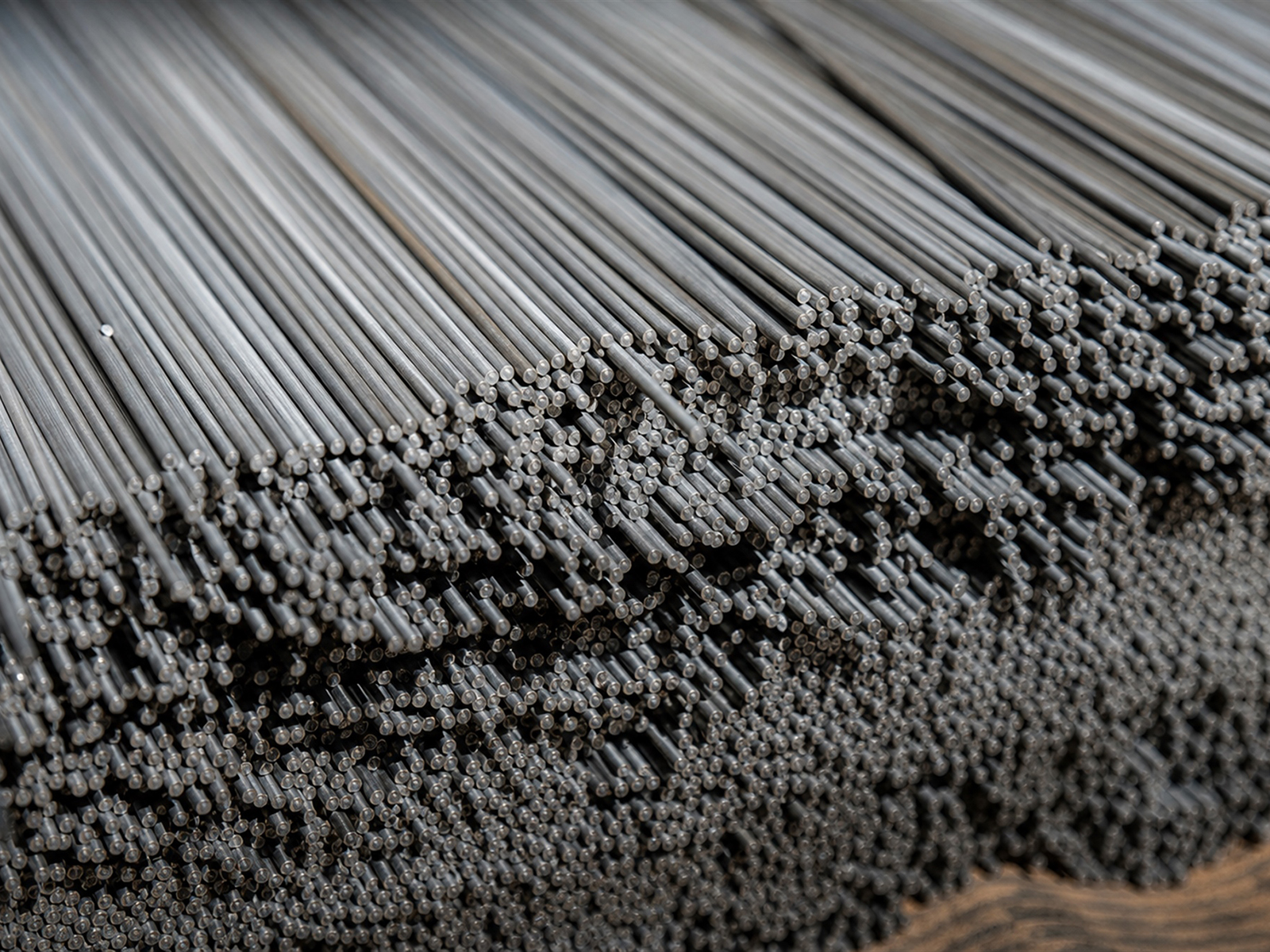
Many precision manufacturing companies often worry about whether this high-purity material can smoothly undergo CNC processing when choosing Gr1 titanium rods. In fact, the machinability of Gr1 titanium rods is excellent within the pure titanium series. Due to its extremely low impurity content (titanium content ≥ 99.5%), uniform structure, and excellent plasticity (elongation ≥ 24%), conventional CNC operations such as turning, milling, and drilling can be achieved with reasonable process parameters. Compared to high-strength titanium alloys, Gr1 material has lower cutting resistance and lighter tool wear. By simply controlling the cutting speed, selecting appropriate tools, and ensuring adequate cooling, good surface roughness and dimensional accuracy can be obtained. For precision machining needs in fields such as medical devices, chemical equipment parts, and electronic components, Gr1 titanium rods demonstrate ideal process adaptability.
1. How Do the Material Properties of Titanium Rods Affect CNC Machining Performance?
(1) What Should You Know About Uniformity of the Tissue Brought by High Purity?
Gr1 titanium rods belong to the α-type industrial pure titanium. The titanium content in its chemical composition reaches over 99.5%, while impurity elements such as iron, oxygen, carbon, nitrogen, and hydrogen are strictly controlled at extremely low levels. This high-purity formulation ensures a uniform grain distribution within the material, preventing local hard spots or brittle areas caused by impurity aggregation. During CNC machining, the tool does not encounter sudden hardness fluctuations when contacting the workpiece, maintaining stable cutting forces, which helps to extend tool life and improve machining accuracy.
(2) What Should You Know About Excellent Plasticity and Ductility?
Compared with other titanium alloy grades, Gr1 titanium rods have the best plasticity performance in their class, with an elongation usually not less than 24%. This characteristic means that the material has a stronger ability to deform under cutting stress and is not prone to brittle fracture or chipping. In operations such as turning and milling, Gr1 material with good plasticity can form continuous chips, reducing the risk of chip adhesion to the tool and making the machining process smoother.
(3) What Should You Know About Lower Tensile Strength and Yield Strength?
The tensile strength range of Gr1 titanium bars is 240-345 MPa, and the yield strength is 170-275 MPa, which is significantly lower compared to high-strength titanium alloys. Although this limits its application in scenarios involving heavy loads and high impacts, it becomes an advantage in the field of CNC machining. Lower strength means relatively less cutting resistance, lower machine power requirements, reduced tool load, and improved machining efficiency. For parts requiring complex contours or fine features, Gr1 material is easier to achieve high-precision forming.
2. What Should You Know About Process Points to Note When CNC Machining Gr1 Titanium Rod?
(1) How Should Selection of Materials and Geometric Parameters?
When processing titanium materials, the selection of tools is crucial. Cemented carbide tools (such as YG8, YG6X) have become the mainstream choice for machining Gr1 titanium rods due to their good wear resistance and heat resistance. Coated tools (TiAlN, TiCN coatings) can further reduce the friction coefficient and decrease the adhesion between the tool and the workpiece. The rake angle of the tool should be 8°-12°, and the relief angle should be 10°-15°, maintaining a sharp cutting edge to reduce cutting force. The cutting edge should avoid being too sharp, which can cause chipping, and should not be too blunt, which can lead to extrusion and heat generation.
Tool type | Recommended Material | Anterior horn range | posterior horn region | Applicable processing methods |
|---|---|---|---|---|
lathe tool | YG8 Cemented Carbide | 8°-12° | 10°-15° | External turning, facing |
Milling cutter | TiAlN coated carbide | 10°-15° | 12°-18° | Face milling, contour milling |
Drill bit | High-speed steel (M35/M42) | 118°-135° apex angle | 10°-12° | Hole processing |
(2) What Should You Know About Optimization of Cutting Speed and Feed Rate?
The thermal conductivity of Gr1 titanium rods is relatively poor (about 1/4 that of steel), so the heat generated during machining does not dissipate quickly and easily accumulates locally at the tool tip, causing a temperature increase. Excessive cutting speed will exacerbate heat accumulation, leading to tool wear and even oxidation of the workpiece surface. It is generally recommended to control turning speeds at 30-60 m/min, milling speeds at 40-80 m/min, and drilling speeds at 15-30 m/min. The feed rate should be kept at a medium to low level: 0.1-0.3 mm/rev for turning, 0.05-0.15 mm/tooth for milling, to ensure stable cutting and avoid excessive cutting force.
(3) What Should You Know About Configuration of Cooling and Lubrication System?
Adequate cooling and lubrication are key to the successful CNC machining of Gr1 titanium rods. It is recommended to use water-based cutting fluids or extreme pressure emulsions, with a flow rate sufficient to ensure continuous cooling of the cutting area and timely removal of chips. High-pressure cooling systems can effectively penetrate the cutting zone, quickly removing heat and preventing oxidation and discoloration of the workpiece surface. In drilling, tapping, and other closed or semi-closed machining processes, internally cooled tools can significantly improve cooling efficiency, preventing chip clogging and tool overheating.
3. What Should You Know About Performance and Countermeasures of Gr1 Titanium Bars Under Different Processing Methods?
(1) What Should You Know About Practical Experience in Turning Machining?
Turning is the most common machining method for Gr1 titanium bars and is suitable for manufacturing shaft-type and sleeve-type parts. Due to the material’s good plasticity, continuous ribbon-like chips tend to form during cutting. If not handled promptly, they can entangle around the tool or workpiece, affecting machining accuracy and operational safety. Chipbreaker-designed inserts can be used, or cutting parameters (such as increasing feed rate or reducing cutting depth) can be adjusted to promote natural chip breaking. During turning, the tool should be kept sharp, and the wear of the tool tip should be checked regularly; excessive wear will lead to increased cutting force and deteriorated surface roughness.
(2) What Should You Know About Vibration Control in Machining?
When milling Gr1 titanium rods, due to the material’s low elastic modulus (about 103 GPa), the workpiece is prone to slight deformation or vibration under cutting forces, affecting dimensional accuracy and surface quality. A clamping system with good rigidity should be chosen, the overhang length of the workpiece should be shortened, and the clamping area should be increased to improve stability. Milling depth and width should not be too large; a multi-pass step-by-step forming strategy should be adopted to reduce the cutting load per pass. Conventional milling can reduce cutting impact compared to climb milling, resulting in a smoother surface.
Processing method | Frequently Asked Questions | Response strategy | Expected effect |
|---|---|---|---|
Turning | Chip entanglement, tool adhesion | Use a chip-breaking groove insert and control the feed rate | Chips break naturally, processing is continuous |
Milling | Workpiece vibration, dimensional deviation | Increase clamping rigidity and make multiple passes | Improve accuracy and enhance surface quality |
Drilling | The hole walls are rough, and the drill bit wears out quickly | Use an internal cooling drill bit and reduce the drilling speed. | Precise aperture, smooth surface |
(3) What Should You Know About Precautions for Drilling and Tapping?
When drilling Gr1 titanium bars, the high chemical reactivity of the material makes it prone to reacting with the tool material, forming a built-up edge and accelerating tool wear. A twist drill with a tip angle of 118°-135° should be selected, ensuring symmetry and sharpness after grinding. The drilling speed should be strictly controlled in the lower range (15-30 m/min), with a moderate feed rate (0.08-0.15 mm/rev), to avoid excessive heat buildup caused by the drill staying in the hole for too long. When tapping, it is recommended to use a forming tap or coated tap, along with extreme pressure tapping oil, to reduce friction and adhesion, ensuring thread accuracy and surface integrity.
4. Why Is Practical Application Case of Gr1 Titanium Rod in Precision Component Processing Important?
(1) What Should You Know About Precision Shaft Components in the Medical Device Field?
In the manufacturing of orthopedic implants and dental devices, Gr1 titanium rods are widely used for machining parts such as surgical instrument handles, connecting shafts, and fixation pins. These parts require high dimensional accuracy (tolerance ± 0.05-0.2 mm), surface finish (Ra≤ 1.6 um), and good biocompatibility. Through CNC turning and polishing processes, Gr1 material can meet the strict standards of medical grade. Its non-magnetic property prevents interference in magnetic environments such as MRI, and its high purity ensures safety and long-term stability after implantation.
(2) What Should You Know About Corrosion-resistant Fasteners in Equipment?
In the chemical industry, heat exchangers and reaction tanks often require titanium fasteners to resist corrosion from strong acids, strong bases, and chloride ions. Bolts, nuts, washers, and other components made from Gr1 titanium rods through CNC machining not only ensure that the mechanical strength meets the requirements for low-load working conditions but also provide excellent corrosion resistance. During processing, it is necessary to ensure that the surface is free of metal contamination. Typically, pickling is performed after turning to restore the material’s natural color and enhance the protective oxide layer, thereby extending the service life of the parts in harsh environments.
(3) What Should You Know About Non-magnetic Structural Components in the Electronics and Semiconductor Industry?
In vacuum coating equipment and semiconductor manufacturing devices, Gr1 titanium rods are processed into non-magnetic support rods, connecting shafts, fixtures, and other structural components. These applications have extremely high requirements for the material’s magnetic permeability, cleanliness, and dimensional stability. The surfaces of Gr1 parts after CNC machining need to be ultrasonically cleaned to remove oil and particles, ensuring compliance with cleanroom standards. The material’s low thermal expansion coefficient allows it to maintain stable dimensions in environments with temperature fluctuations, preventing any impact on equipment accuracy.
5. How to Evaluate the CNC Machining Quality and Cost-Effectiveness of Gr1 Titanium Rods?
(1) What Should You Know About Surface Quality and Dimensional Accuracy Inspection?
After machining is completed, the surface Ra value of the part should be measured using a surface roughness tester to ensure it meets the design requirements (generally in the range of Ra 1.6-6.3 um). Dimensional accuracy can be checked using a coordinate measuring machine or calipers and micrometers. Parts machined from cold-drawn polished rods usually can achieve H7/H8 tolerance levels (± 0.05-0.2 mm). It is also necessary to check the part surface for scratches, oxidation discoloration, or tool marks, as these defects may affect the part’s performance and appearance.
(2) What Should You Know About Analysis of Tool Life and Machining Efficiency?
Although processing Gr1 titanium rods is easier than titanium alloys, it still requires more frequent tool replacements compared to ordinary steel. By recording the wear and replacement frequency of tools for a single batch of processing, the rationality of process parameters can be evaluated. Optimizing cutting speed, feed rate, and cooling conditions can extend tool life by 20%-30% while ensuring processing quality and reduce the cost per workpiece. During mass production, a tool management ledger should be established, and the performance of tools should be regularly evaluated and improved.
(3) What Are the Differences in Life-cycle Cost Comparison?
Although the material unit price of Gr1 titanium bars is higher than that of ordinary metals, their excellent corrosion resistance and maintenance-free characteristics can significantly reduce the maintenance frequency and replacement costs of equipment over its service life. In seawater environments and chemical contact scenarios, the service life of titanium components can reach 3-5 times that of ordinary stainless steel, offering obvious overall economic benefits. For enterprises seeking long-term stable operation and low maintenance investment, the processing investment in Gr1 titanium bars has a high cost-performance ratio.
Evaluation Dimension | Key indicators | Testing method | Target value |
|---|---|---|---|
Surface quality | Roughness Ra | Surface roughness tester | Ra ≤ 1.6-6.3 um |
Dimensional accuracy | Diameter and length tolerances | Coordinate measuring machine, caliper | ± 0.05-0.2 mm (H7/H8) |
Tool life | Number of parts processed per batch | Tool Wear Records | Increase by 20%-30% |
Cost-effectiveness | Full lifecycle cost | Material cost, processing fee, maintenance fee | Lower than the comprehensive cost of traditional materials |
6. What Is the Conclusion?
Gr1 titanium bars, due to their high purity, excellent plasticity, and relatively low strength, demonstrate good process adaptability in the field of CNC machining. By reasonably selecting tools, optimizing cutting parameters, and enhancing cooling and lubrication, conventional operations such as turning, milling, and drilling can be efficiently completed, achieving high-precision, high-quality finished parts. In precision processing demands in fields such as medical, chemical, and electronics, Gr1 material not only meets functional requirements but also brings significant full-cycle economic benefits with its long-term corrosion resistance and low maintenance characteristics.
FAQ
Q1: Why does Gr1 titanium rod require special attention to cooling during CNC machining?
Gr1 titanium rods have poor thermal conductivity, and the heat generated during cutting easily accumulates at the tip of the tool, causing high temperatures that affect tool life and workpiece surface quality. Sufficient water-based cutting fluid or a high-pressure internal cooling system can quickly carry away the heat, prevent oxidation and discoloration, and ensure processing stability and accuracy.
Q2: What should be done if chips get tangled when machining Gr1 titanium rods?
Gr1 material has good plasticity, and continuous long chips are easily formed during cutting. You can choose inserts with chip-breaking grooves, or appropriately increase the feed rate and reduce the cutting depth to promote natural chip breakage. Regularly clean the chips to prevent them from entangling the tool or workpiece and affecting processing safety.
Q3: What is the difference between Gr1 titanium bars and titanium alloys in CNC machining?
Gr1 titanium rods have lower strength and better plasticity, resulting in lower cutting resistance and lighter tool wear, making them easier to machine than high-strength titanium alloys. However, cutting speed and cooling conditions need to be controlled to prevent tool adhesion caused by the material’s high reactivity. Machining high-strength titanium alloys requires stricter process control and tool configuration.
How Should Looking for Professional Gr1 Titanium Rod Manufacturers and Suppliers?
Titanium Valley, as a professional manufacturer and supplier of Gr1 titanium bars, has advanced production lines and a complete quality control system, and can provide various specifications of cold-drawn polished bars, turned bars, and customized processing services. We strictly adhere to the ASTM B348 standard in production to ensure material stability and traceability. If you have purchasing needs or technical inquiries regarding Gr1 titanium bars for CNC machining, please feel free to contact us at: sales@titaniumvalleys.com.
References
1. Zhang Wei, Li Ming. ‘Study on the Cutting Performance of Industrial Pure Titanium Materials.’ Beijing: China Machine Press, 2019.
2. Wang Qiang, Zhao Jun. Handbook of Titanium and Titanium Alloy Processing Technology. Shanghai: Shanghai Science and Technology Press, 2020.
3. Liu Yang, Chen Hua. Modern CNC Machining Technology and Applications. Xi’an: Xi’an Jiaotong University Press, 2021.
4. Sun Tao, Zhou Jie. *Processing Technology of Titanium Materials for Medical Devices*. Tianjin: Tianjin University Press, 2022.