
What Should You Know About Gr4 Titanium Wire Properties, Strength, Corrosion Resistance, and More?
- Gr4 titanium wire
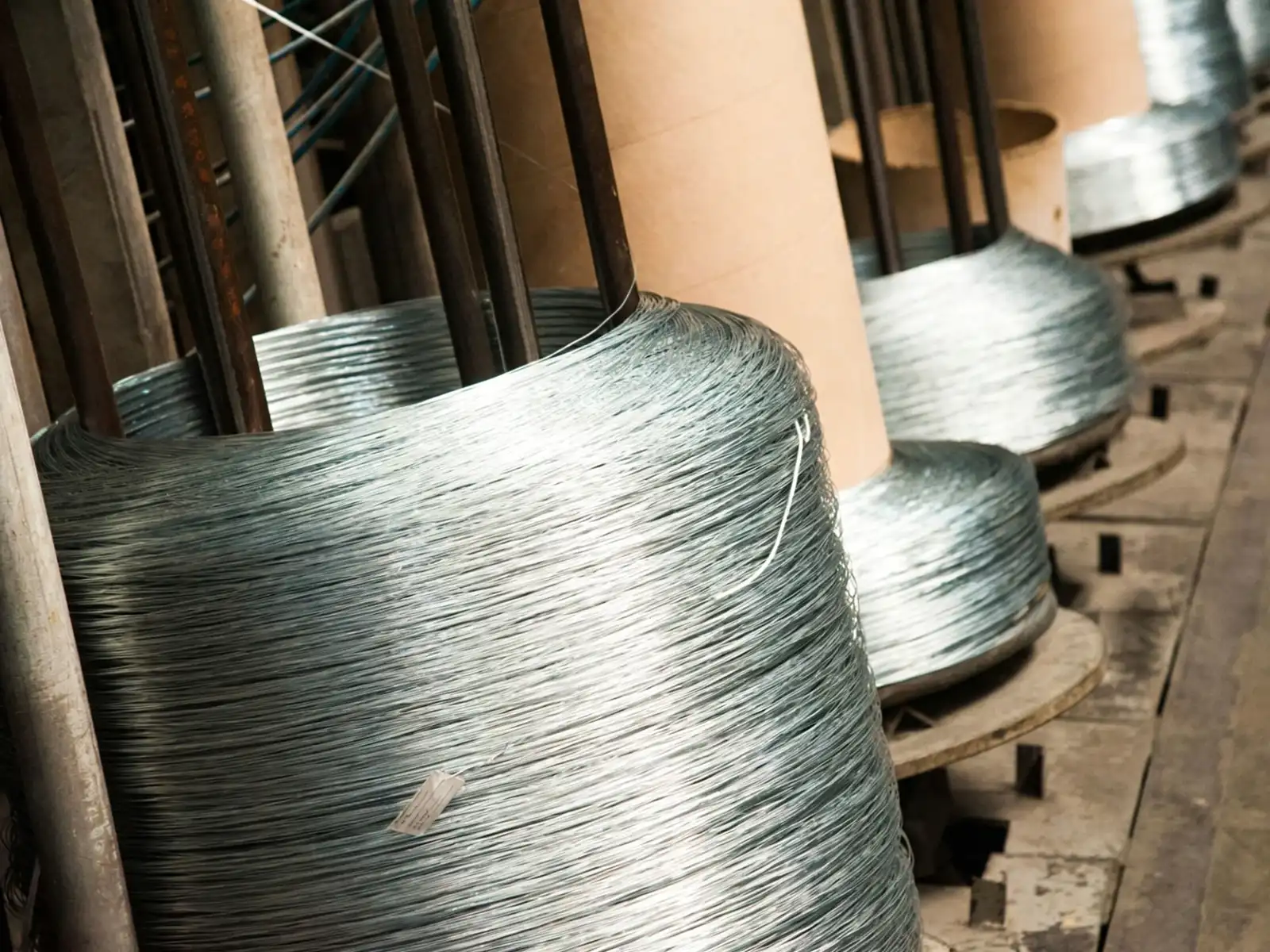
Gr4 titanium wire, as the highest strength grade among commercially pure titanium, occupies a unique position in the global industrial field. This titanium wire, which meets the ASTM Grade 4 standard, is widely used in demanding environments such as chemical corrosion protection, marine engineering, and precision welding due to its excellent mechanical properties and corrosion resistance. Compared to ordinary titanium wire, Gr4 titanium wire can achieve a tensile strength of over 550 MPa and a yield strength exceeding 485 MPa, while maintaining good ductility and weldability. For engineering projects facing high-load conditions and strong corrosive environments, choosing Gr4 titanium wire means significantly reducing equipment failure rates, extending service life, and achieving effective control of total lifecycle costs.
1. Why Is Core Mechanical Performance Advantages of Gr4 Titanium Wire Important?
(1) What Should You Know About Performance of Extraordinary Strength?
The tensile strength of Gr4 titanium wire reaches ≥ 550MPa, and the yield strength is ≥ 485MPa, far exceeding that of Gr1 and Gr2 pure titanium materials. In mechanical parts that need to withstand repeated loads, this high-strength characteristic can effectively prevent material fatigue failure. The hardness ranges from 200-240 HB, which ensures sufficient wear resistance while not being overly brittle to affect machinability.
(2) What Should You Know About Stable Ductility and Formability?
Despite the significant increase in strength, Gr4 titanium wire still maintains an elongation of ≥ 15%. This balance of strength and toughness makes it perform excellently in processes such as cold working and bending forming. For components that require complex shape processing, this material property can reduce the risk of cracking during processing and improve production efficiency and yield.
(3) Why Is Industrial Value of Fatigue Resistance Important?
Under vibrational environments or alternating stress, Gr4 titanium wire exhibits excellent fatigue strength. The uniform α-phase structure obtained through vacuum arc remelting effectively eliminates internal defects, allowing the material to withstand hundreds of thousands of stress cycles without failure. This is crucial for dynamically loaded components such as springs and fasteners.
Performance indicators | Gr4 Titanium Wire | Gr2 Titanium Wire | 304 stainless steel wire |
|---|---|---|---|
Tensile Strength (MPa) | ≥ 550 | ≥ 345 | ≥ 515 |
Yield Strength (MPa) | ≥ 485 | ≥ 275 | ≥ 205 |
Elongation (%) | ≥ 15 | ≥ 20 | ≥ 40 |
Density (g/cm³) | 4.51 | 4.51 | 7.93 |
2. What Should You Know About Analysis of Excellent Corrosion Resistance?
(1) What Should You Know About Performance in Various Corrosive Media?
Gr4 titanium wire exhibits excellent corrosion resistance in media such as seawater, salt spray, dilute acids, and dilute alkalis. The spontaneously formed dense oxide film (TiO2) on the surface is only a few nanometers thick, yet it can continuously regenerate and block the intrusion of corrosive ions. After 1000 hours of salt spray testing, the material surface still shows no obvious signs of corrosion, which is of decisive significance in marine engineering and chemical equipment.
(2) What Should You Know About Stress Corrosion Cracking Resistance?
Under harsh conditions of combined chloride ions and stress, ordinary metal materials are prone to stress corrosion cracking. Gr4 titanium wire effectively avoids this risk through strict control of hydrogen content (≤ 0.015%) and optimized heat treatment processes. Its sulfur-resistant stress corrosion performance, compliant with NACE MR0175 standards, makes it an ideal choice for the petrochemical field.
(3) What Should You Know About Long-term Stability and Maintenance-free Characteristics?
Unlike steel, which requires regular anti-corrosion coating maintenance, the corrosion resistance of Gr4 titanium wire comes from the intrinsic properties of the material. Even after more than 10 years of exposure to the atmosphere, it does not show signs of rust. This long-term stability significantly reduces maintenance costs and downtime for equipment, which is especially important in scenarios such as offshore platforms and chemical pipelines that are difficult to maintain frequently.
3. Why Is Welding Performance and Applications of Gr4 Titanium Wire Important?
(1) Why Is As the Unique Advantage of Welding Wire Important?
Gr4 titanium wire is the most widely used grade of titanium welding wire worldwide. Its moderate strength combined with good molten pool fluidity allows it to form uniform and dense welds in both TIG and MIG welding. During the welding process, the porosity is low, and the strength of the weld metal can reach more than 90% of the base metal, making the joint performance reliable and stable.
(2) What Should You Know About Key Control Points of the Welding Process?
When welding Gr4 titanium material, it is necessary to strictly protect the molten pool and heat-affected zone from oxidation. Using high-purity argon protection (purity ≥ 99.99%) and controlling the welding speed within the range of 15-25 cm/min can produce silver-white high-quality welds. No complex heat treatment is required after welding, and the α-phase structure remains stable, which simplifies the production process and reduces costs.
(3) What Should You Know About Weldability Compatibility of Dissimilar Materials?
Gr4 titanium wire can be used for welding between different titanium alloy grades, or for transitional welding between titanium and nickel-based alloys. In fields such as aerospace equipment maintenance and chemical vessel manufacturing, this capability for cross-material welding solves the connection challenges of complex structural components and expands design flexibility.
Welding parameters | Recommended value | Remarks |
|---|---|---|
Argon purity | ≥ 99.99% | Back protection is equally important |
Welding Current (A) | 80-150 | Fiducial diameter and plate thickness adjustment |
Welding Speed (cm/min) | 15-25 | Excessive speed can easily cause lack of fusion |
Tungsten Electrode Diameter (mm) | 2.4-3.2 | Pure tungsten or cerium tungsten electrode |
4. What Should You Know About Diversity of Specifications and Customization Capabilities?
(1) What Should You Know About Comprehensive Range of Diameters Coverage?
From ultra-fine φ0.1mm to conventional φ6.5mm, Gr4 titanium wire is available in a full range of diameters. Micro springs in medical devices can use ultra-fine φ0.2mm wire, while suspension wires in chemical equipment mostly use φ3.0-5.0mm specifications. This comprehensive range of specifications eliminates gaps in selection and avoids performance compromises caused by size mismatches.
(2) What Should You Know About Morphological Choice Between Coiled and Straight Silk?
The coiled wire form is suitable for automated continuous production, with single coil lengths reaching 500-3000 meters, reducing weld joints and downtime caused by material replacement. The straight wire form undergoes precision straightening, with a straightness of ≤ 2/1000, and can be used for precision assembly without secondary reshaping. The two supply forms meet the practical needs of different process scenarios.
(3) What Should You Know About Functional Customization of Surface Treatment?
The pickled surface exhibits a matte silver-gray color, offering excellent weldability and corrosion resistance, suitable for most industrial applications. The bright polished surface provides high precision and a low coefficient of friction, used for precision electronic components and medical implants. The sandblasted surface increases roughness, providing strong adhesion for coatings. Passivation treatment further enhances corrosion resistance, extending the service life of the material in extreme environments.
5. What Should You Know About Manufacturing Process and Quality Control System?
(1) What Should You Know About Vacuum Melting Ensures Purity?
Using vacuum arc remelting (VAR) technology, the sponge titanium is remelted multiple times in a high-vacuum environment, effectively removing gaseous impurities and inclusions. This process ensures a titanium content of ≥ 99.0%, an oxygen content of ≤ 0.40%, and a hydrogen content of ≤ 0.015%, fundamentally guaranteeing the material’s mechanical properties and corrosion resistance.
(2) What Should You Know About Multi-pass Cold Drawing Technology?
Through 10-15 passes of progressive cold drawing, combined with staged stress-relief annealing, both effective strength enhancement and avoidance of material embrittlement were achieved. Using a ball die bright-drawing process, the surface roughness Ra can be controlled at ≤ 0.6um, and dimensional tolerance is accurate to ± 0.01mm, far exceeding industry conventional standards.
(3) What Should You Know About Full-process Inspection System?
Each batch of products undergoes comprehensive testing including ICP spectroscopy composition analysis, tensile tests, hardness tests, and fatigue tests. Eddy current and ultrasonic non-destructive testing techniques are used to ensure there are no internal cracks or defects. Environmental performance tests such as salt spray tests and stress corrosion tests are conducted to verify the material’s reliability under actual operating conditions. All products come with a material certificate, mechanical performance report, and third-party testing certificate.
Test items | Standard requirements | Measured Typical Value |
|---|---|---|
Diameter Tolerance (mm) | ± 0.02 | ± 0.01 |
Roundness (mm) | ≤ 0.005 | ≤ 0.002 |
Straightness | ≤ 3/1000 | ≤ 2/1000 |
Surface Roughness Ra (um) | ≤ 0.8 | ≤ 0.6 |
6. Why Is Performance Verification in Real Application Scenarios Important?
(1) Why Is the Value Manifestation in the Field of Chemical Anti-corrosion Important?
In equipment for transporting and handling strongly corrosive media such as sulfuric acid and hydrochloric acid, screens, hangers, and fasteners made of Gr4 titanium wire can last 5-8 times longer than stainless steel materials. After a chlor-alkali plant replaced nickel-based alloy hangers with Gr4 titanium wire, the equipment replacement cycle was extended from 6 months to 3 years, and maintenance costs were reduced by more than 60%.
(2) What Should You Know About Reliability Assurance of Marine Engineering?
The frame wires of seawater aquaculture cages need to withstand seawater corrosion, wave impact, and biofouling simultaneously. Gr4 titanium wire performs excellently under this combined condition, with a strength reduction of no more than 5% over a 3-year service period. After adopting Gr4 titanium wire for the lifting slings of offshore platforms, the safety redundancy increased by 30%, and the maintenance frequency was halved.
(3) What Should You Know About Upgrade of Precision Mechanical Components?
Orthopedic internal fixation springs and dental correction wires in medical devices have strict requirements for strength and biocompatibility. The non-magnetic and non-allergenic properties of Gr4 titanium wire, combined with high strength, allow these products to be implanted in the human body for long periods without adverse reactions. After using Gr4 titanium wire in fixtures and springs for electronic manufacturing, fatigue life increased more than threefold and product yield improved significantly.
7. What Is the Conclusion?
Gr4 titanium wire, with the highest strength grade among commercially pure titanium, excellent corrosion resistance, and superior welding characteristics, has become the material of choice for demanding industrial environments. From chemical corrosion protection to marine engineering, from precision machinery to medical devices, its comprehensive performance advantages are helping various industries break through the limitations of traditional materials, achieving both equipment reliability and economic efficiency.
FAQ
Q1: How should Gr4 titanium wire and Gr2 titanium wire be selected for practical applications?
Gr4 titanium wire has a strength more than 60% higher than Gr2, making it suitable for high-load, vibration environments, or scenarios where a reduced cross-sectional size is required. Gr2 has better ductility, making it suitable for complex cold forming. For chemical welding and marine environments, Gr4 is preferred to achieve a longer service life.
Q2: Will welding Gr4 titanium wire reduce its strength?
Under the correct welding process, the weld strength can reach 90-95% of the base material. The key is to strictly protect the molten pool from oxidation, use high-purity argon, and control the appropriate heat input. No post-weld heat treatment is required, the α-phase structure remains stable, and no significant strength degradation occurs.
Q3: How to verify the real performance of Gr4 titanium wire?
Suppliers are required to provide material certificates and third-party test reports that comply with ASTM B863 standards, focusing on tensile strength, oxygen content, and hydrogen content data. Salt spray testing and hardness spot inspections can be conducted for verification. Reputable manufacturers will provide complete traceability documents and batch management records.
8. What Should You Know About Call to Action?
As a professional GR4 titanium wire manufacturer and supplier, Titanium Valley is equipped with Italian Danieli continuous rolling production lines and a full-process quality control system, with an annual production capacity of over 20, 000 tons. We offer customized services for the full range of specifications from φ0.1mm to φ6.5mm and provide complete material certification. For product technical parameters or customized solutions, please contact: sales@titaniumvalleys.com
References
1. Zhang Wei, Li Ming. ‘Study on the Mechanical Properties and Corrosion Behavior of Commercial Pure Titanium Materials.’ Rare Metal Materials and Engineering, 2021.
2. Peters M, Kumpfert J. Titanium and Titanium Alloys: Fundamentals and Applications. Wiley-VCH, 2019.
3. Wang Xiaodong, Liu Jianhua. “Titanium and Titanium Alloy Welding Technology Manual.” Chemical Industry Press, 2020.
4. Donachie MJ. Titanium: Technical Guide (2nd edition). ASM International, 2018.