
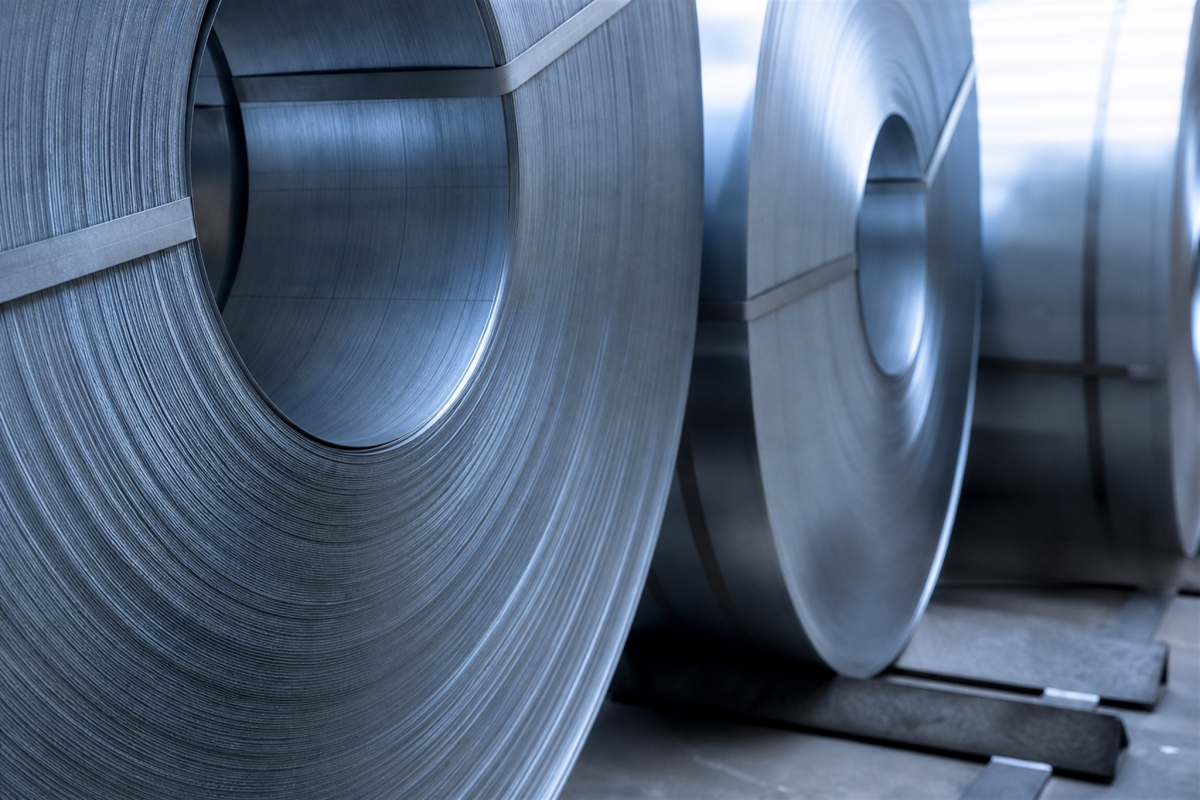
What Makes Zr702 Foil Different from Other Zirconium-Based Foils?

Zr702 (corresponding to Gr2 commercial-purity zirconium) is an industrial pure-zirconium foil materi...
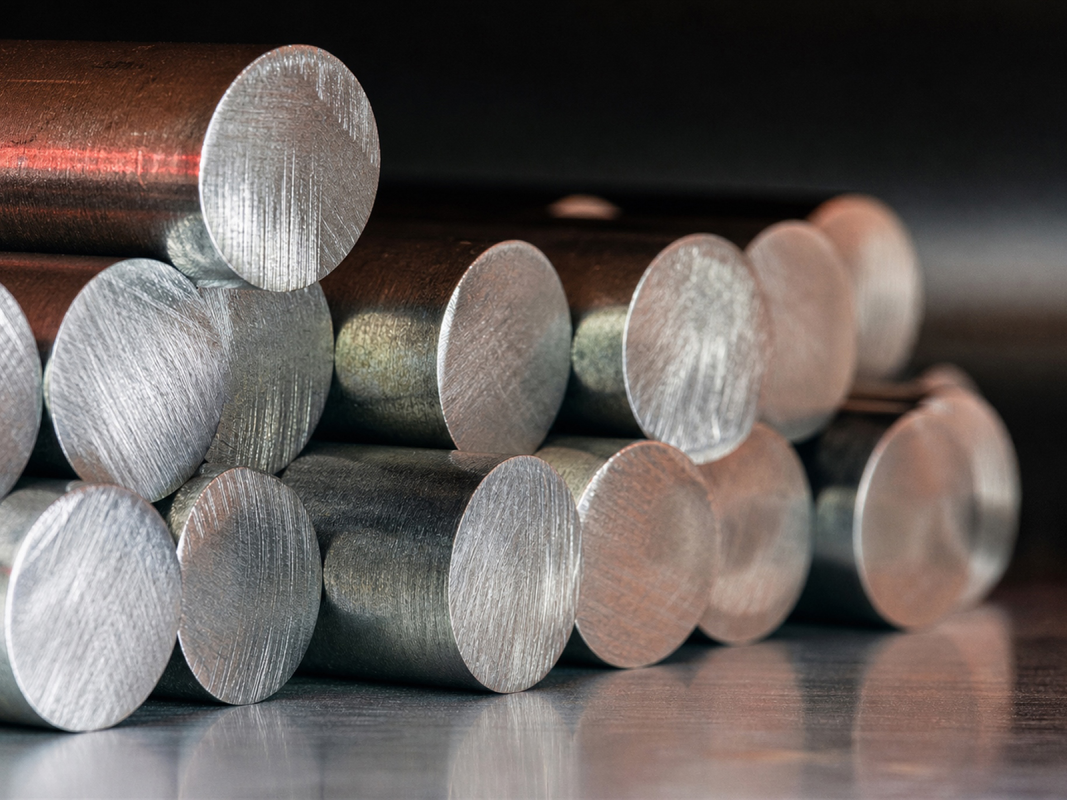
What New Application AreasAre Being Explored for Gr1 Titanium Bars?
1. Introduction
Gr1 titanium bars, as the highest-purity and best-plasticity material among industr...
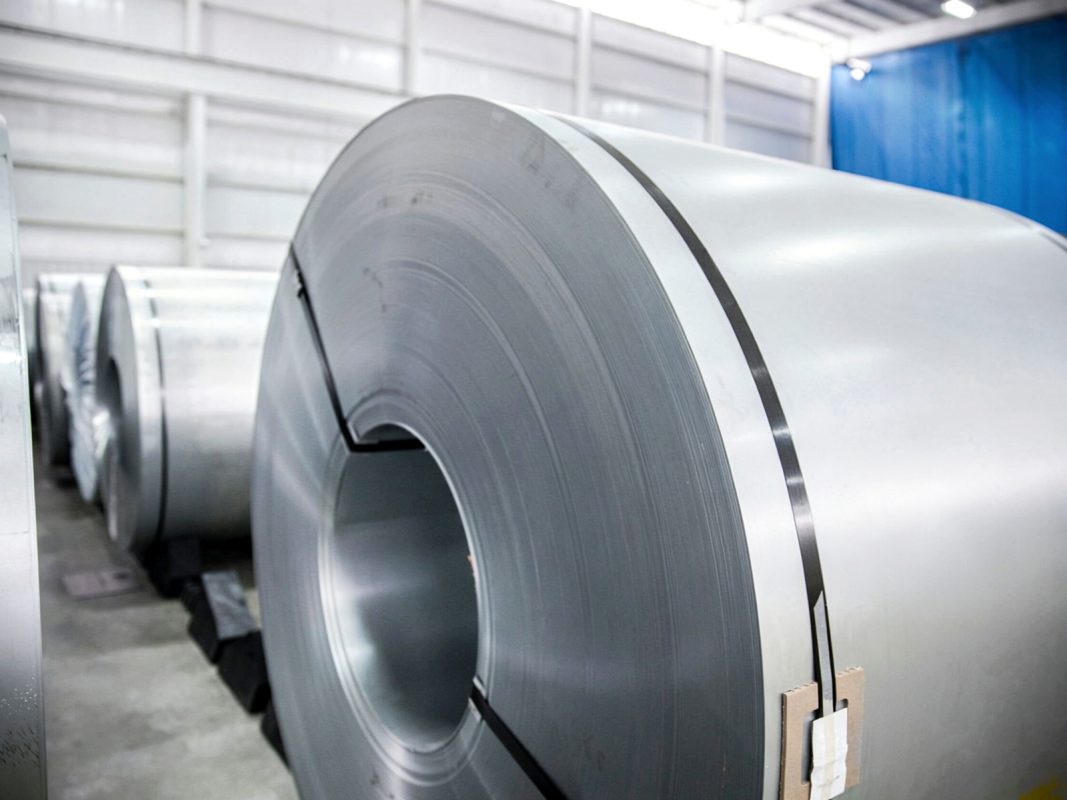
What Thickness Options Are Available for Zr702 Foil?
Zr702 (Gr2 Pure Zirconium) foil, as a high-purity zirconium-based material, offers diverse options i...
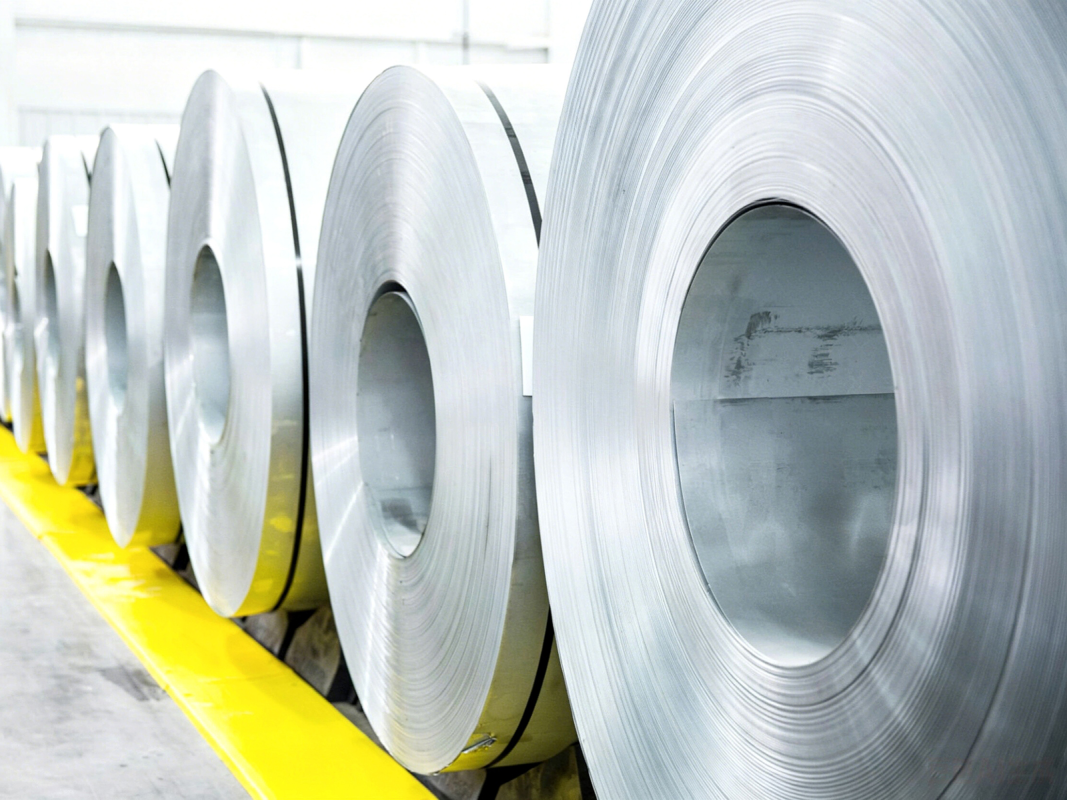
Where Can You Buy Thin-Gauge UNS R60702 Foil?
1. Introduction
Thin-gauge UNS R60702 foil, with thicknesses ranging from 0.05 mm to 0.30 mm, is w...
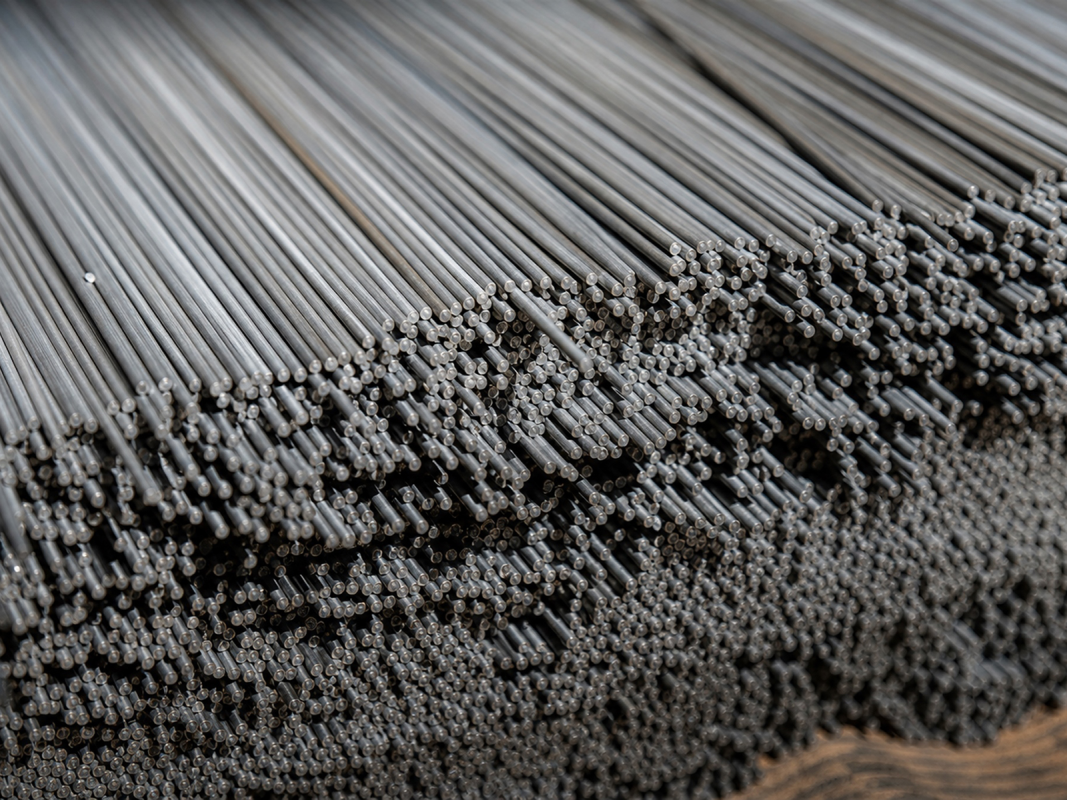
Why ASTM B550 Zirconium Is an Economical Choice for Long-Term Chemical Projects
In chemical investment decision-making, material selection directly impacts equipment service life, ...
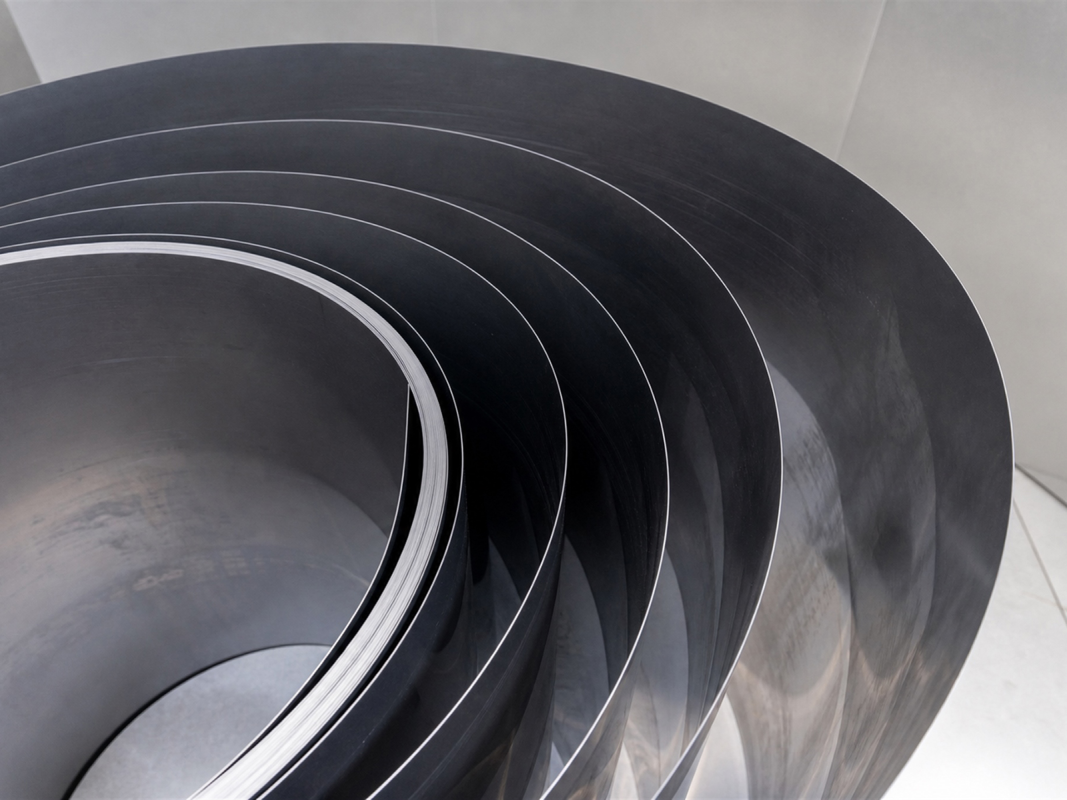
Why Is Grade 4 Titanium Foil the Strongest Commercially Pure Titanium Grade
Among the commercially pure titanium (CP Ti) series, Grade 4 (Gr4) titanium foil stands out for its ...
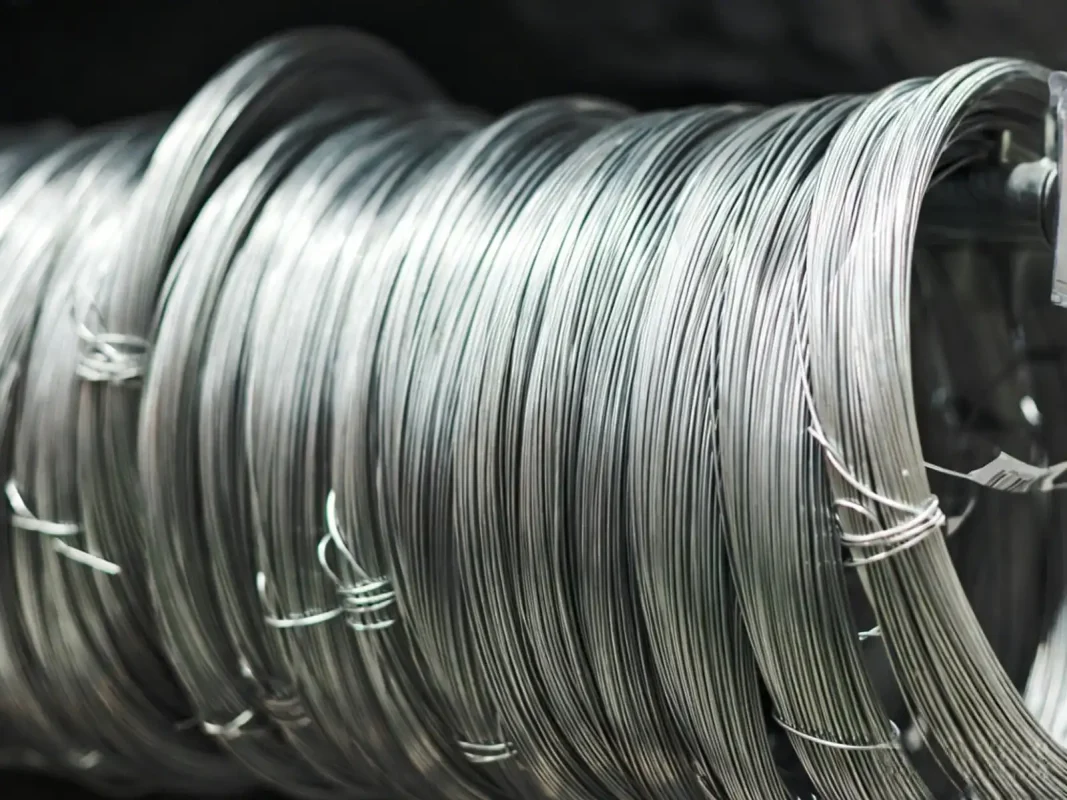
Why Is Nickel 200 Nickel Wire Crucial in Synthetic Fiber Production
Synthetic fiber production involves complex operating conditions characterized by high temperatures,...
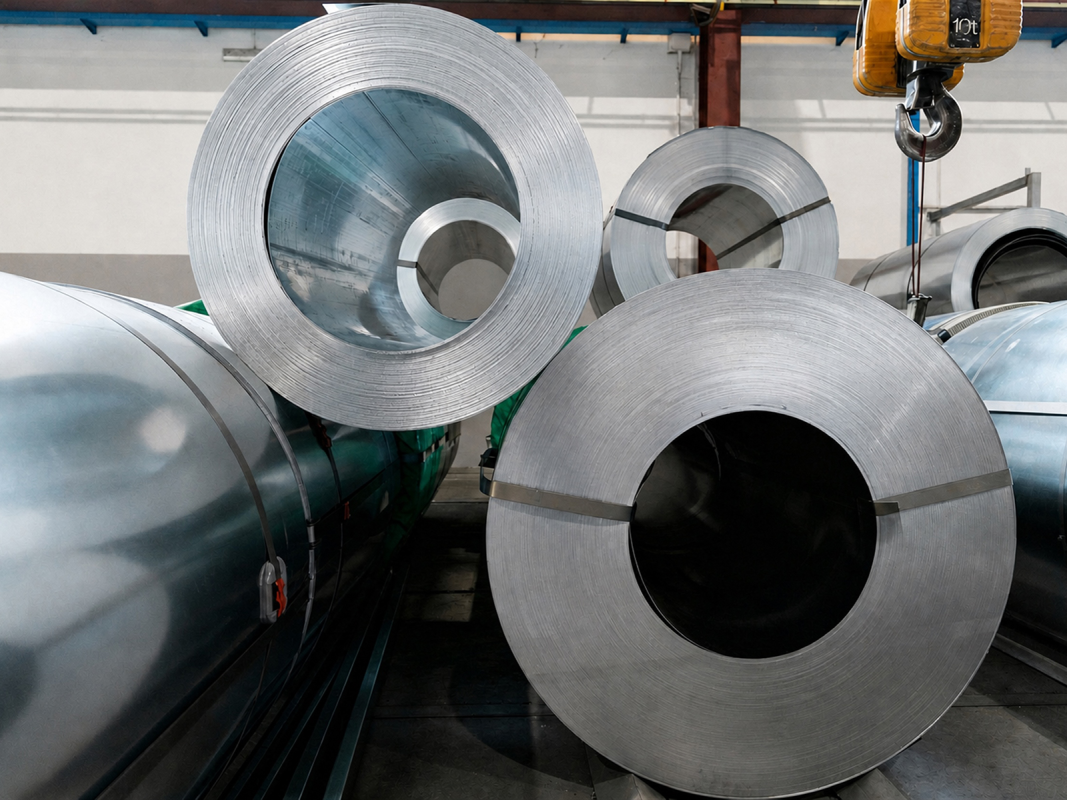
Detailed Analysis of Ultra-Thin GR1 Titanium Foil Mechanical Properties and Corrosion Resistance
Ultra-thin GR1 titanium foil has become a key material in high-end applications including aerospace,...
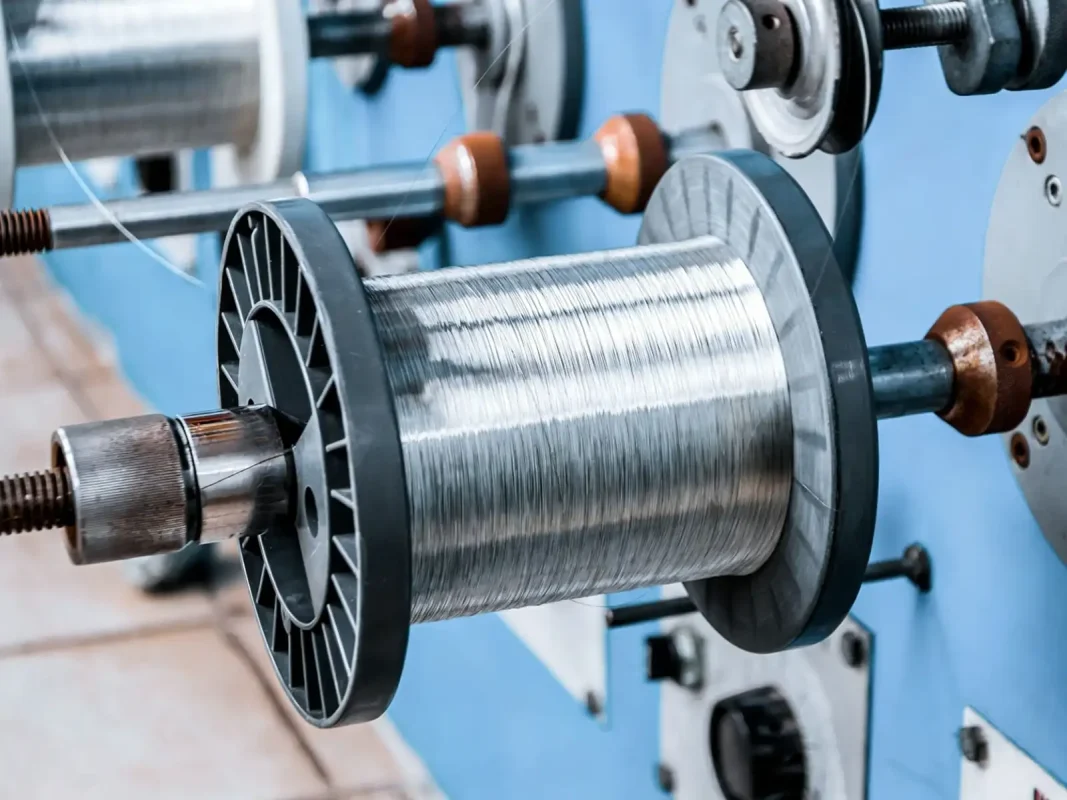
How Can Gr12 Titanium Wire Control Heat Exchanger Crevice Corrosion
When heat exchangers operate in chemical processing, seawater desalination, and energy industries, n...
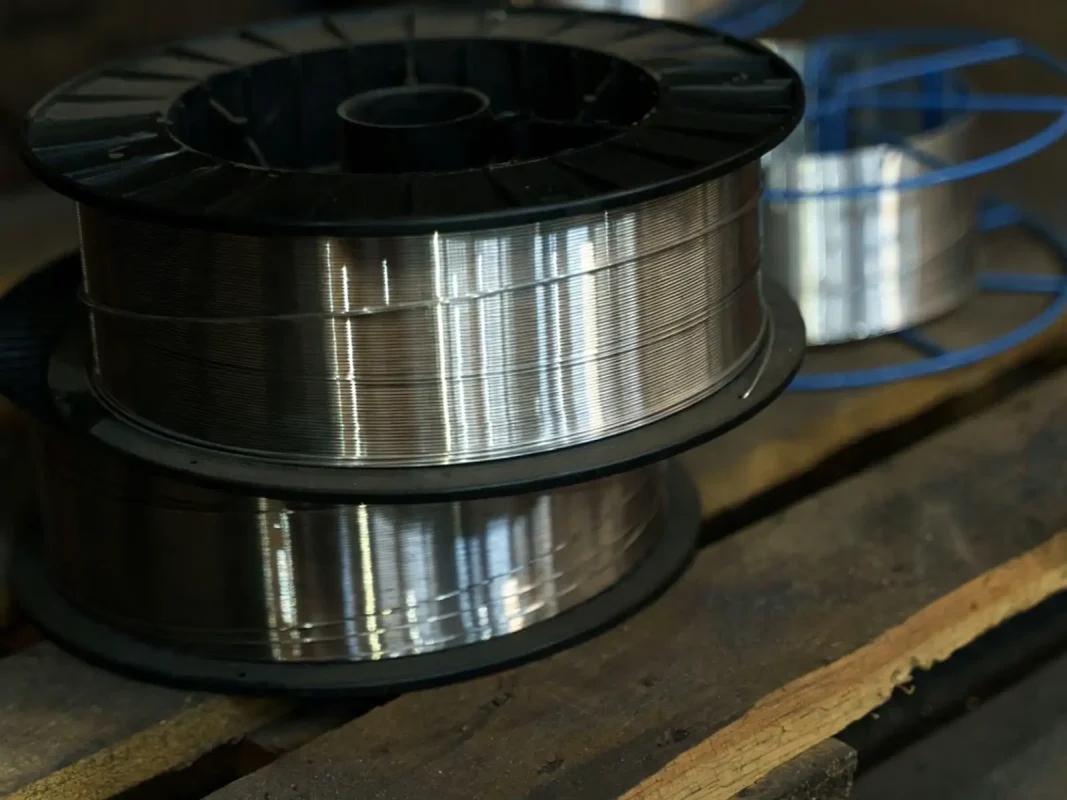
How Does Heat Treatment Affect the Properties of GR1 Titanium Wire?
Heat treatment significantly influences the mechanical properties, formability, and application perf...