
Why ASTM B550 Zirconium Is an Economical Choice for Long-Term Chemical Projects
- Why ASTM B550 Zirconium Is an Economical Choice for Long-Term Chemical Projects
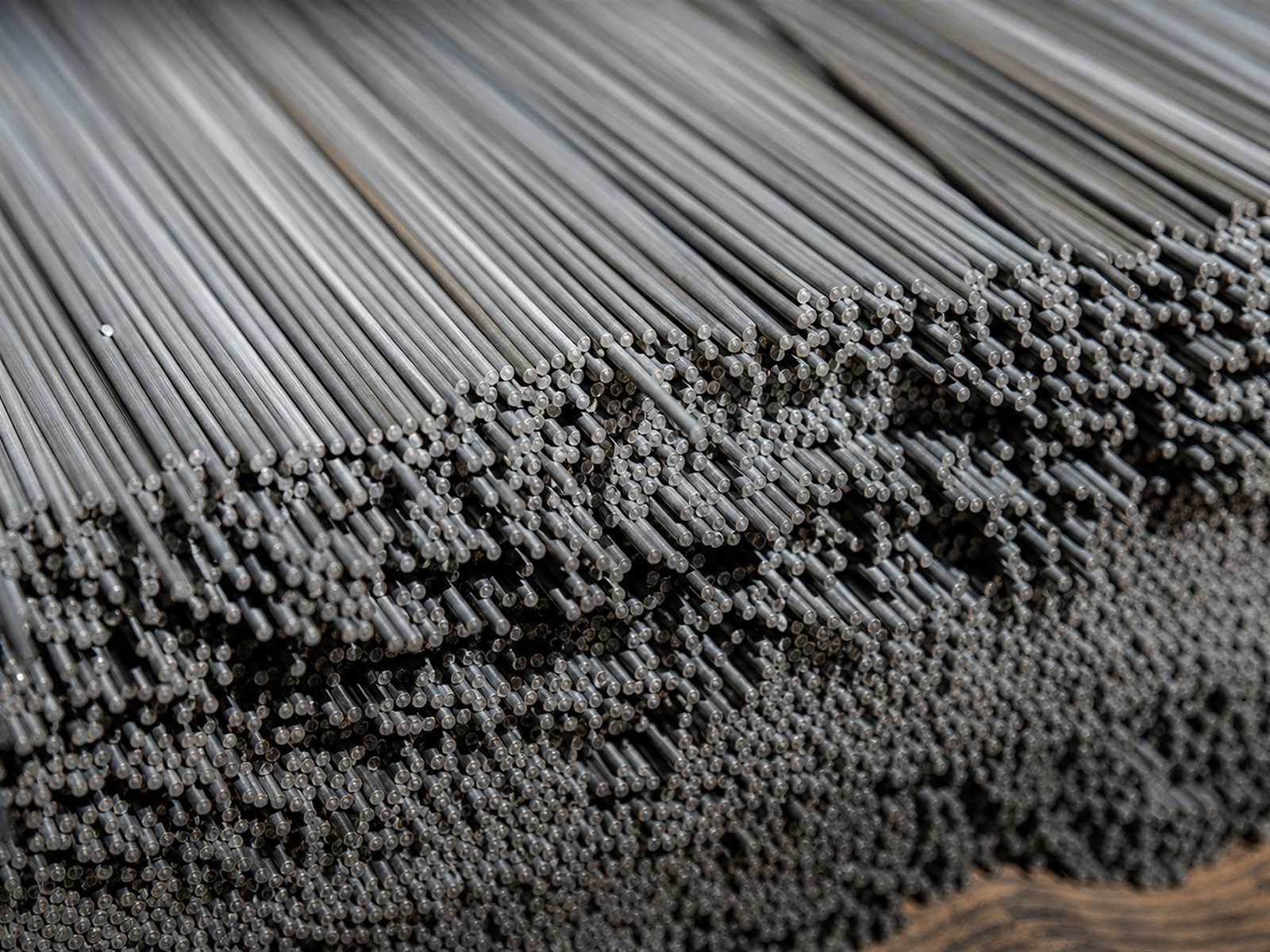
In chemical investment decision-making, material selection directly impacts equipment service life, maintenance costs, and operational reliability. ASTM B550 zirconium is a high-performance corrosion-resistant material. Although its initial procurement cost exceeds that of stainless steel and carbon steel, its exceptionally long service life and minimal maintenance requirements demonstrate significant economic advantages in full lifecycle cost (LCC) evaluations. This article analyzes five key dimensions—corrosion protection, maintenance costs, production continuity, return on investment, and real-world case studies—to demonstrate why ASTM B550 zirconium is the economically optimal choice for long-term chemical projects.
1. The Economic Value of Corrosion Protection
Corrosion-related economic losses account for approximately 2–4% of GDP annually in the chemical industry. Under harsh operating conditions—such as strong acids, strong alkalis, elevated temperatures, and high pressures—traditional carbon steel and stainless steel materials can experience corrosion rates of 0.5–5 mm/year, leading to frequent equipment replacement and repair.
In contrast, ASTM B550 zirconium exhibits corrosion rates below 0.001 mm/year in most chemical media—a figure negligible for practical engineering purposes.
Taking chlor-alkali chemical production as an example: 316L stainless steel incurs annual corrosion losses of approximately USD 50,000 per unit of equipment (including material replacement and downtime costs), whereas equipment constructed from ASTM B550 zirconium under identical operating conditions experiences virtually zero annual corrosion losses. For large-scale chemical installations, this difference translates to annual maintenance savings of hundreds of thousands to millions of U.S. dollars.
Material Comparison: Lifecycle Cost Analysis
Material Type | Initial Cost Factor | Annual Maintenance Cost (10K USD) | Design Life (Years) | 10-Year Total Cost (10K USD) |
Carbon Steel | 1.0 | 50 | 2 | 300 |
316L Stainless Steel | 3.0 | 15 | 5 | 180 |
Hastelloy C-276 | 5.0 | 5 | 10 | 100 |
ASTM B550 Zirconium | 6.0 | 1 | 20+ | 65 |
2. Significant Reduction in Maintenance Costs
The maintenance interval for ASTM B550 zirconium equipment can reach 10–20 years, far exceeding that of stainless steel equipment (3–5 years) and carbon steel equipment (1–2 years). The reduction in maintenance costs is reflected in the following areas:
Reduced Inspection Frequency: ASTM B550 zirconium equipment typically requires only routine annual inspections, whereas stainless steel equipment demands quarterly—or even monthly—wall thickness measurements and corrosion monitoring.
Lower Spare Parts Inventory: Due to extended equipment life and reduced replacement frequency, enterprises can significantly decrease capital tied up in spare parts inventory.
Labor Cost Savings: Fewer maintenance activities directly reduce labor expenses. Statistics show that the average annual maintenance man-hours for ASTM B550 zirconium equipment amount to only 10–20% of those for stainless steel equipment.
Maintenance Cost Breakdown Comparison
Cost Item | Stainless Steel Equipment | Zirconium Equipment | Savings Rate |
Annual Maintenance Hours | 500 hours | 100 hours | 80% |
Spare Parts Replacement Frequency | Every 3 years | Every 15 years | 80% |
Unplanned Downtime Losses | USD 200K/year | USD 10K/year | 95% |
3. Ensuring Production Continuity
Chemical production is characterized by continuous operation and substantial financial losses during shutdowns. Unplanned downtime can incur hourly economic losses ranging from USD 10,000 to USD 100,000, depending on facility scale and product value. The superior corrosion resistance of ASTM B550 zirconium ensures structural integrity over extended service periods, substantially reducing the risk of unplanned shutdowns.
Case Study: A large-scale fertilizer plant replaced the 316L stainless steel lining of its urea synthesis tower with ASTM B550 zirconium. As a result, annual unplanned downtime decreased from 120 hours to under 5 hours, generating an additional annual production benefit exceeding USD 2 million.
4. Return on Investment Analysis
Although the initial procurement cost of ASTM B550 zirconium is 5–8 times that of stainless steel, lifecycle cost analysis demonstrates significantly superior return on investment compared to traditional materials:
- Payback Period: 3–5 years (achieved through maintenance cost savings and extended equipment life)
- Total 10-Year Cost: 30–50% lower than stainless steel
- Total 20-Year Cost: 60–80% lower than stainless steel
Service Life Comparison by Chemical Industry Sector
Chemical Sector | Corrosive Medium | Stainless Steel Life | Zirconium Life |
Chlor-Alkali Industry | Chlorine-containing caustic solution | 3–5 years | 20+ years |
Fertilizer Production | Ammonium carbamate solution | 5–8 years | 15+ years |
Organic Acid Production | Acetic/Formic acid | 5–10 years | 20+ years |
5. Real-World Engineering Cases
Case Study 1: 300,000 MT/Year Acetic Acid Plant —The original design employed Hastelloy C-276 as the reactor and piping material. After 8 years of operation, major overhaul was required due to stress corrosion cracking. Following retrofitting with ASTM B550 zirconium in 2018, the equipment has operated without incident for 12 years, accumulating approximately USD 3.5 million in maintenance cost savings.
Case Study 2: Chlor-Alkali Electrolysis Cell —The original 316L stainless steel electrolysis cell had an average service life of 3 years. After replacement with an ASTM B550 zirconium plate electrolytic cell, the equipment has operated continuously for 15 years without corrosion issues, requiring only two routine inspections during this period.
6. Conclusion
With its exceptional corrosion resistance, ultra-long service life, and minimal maintenance requirements, ASTM B550 zirconium demonstrates pronounced economic advantages in long-term chemical projects. Although the initial investment is higher, the combination of reduced maintenance costs, minimized downtime losses, and extended equipment life enables ASTM B550 zirconium to recoup its additional investment within 3–5 years and generate substantial economic benefits throughout the equipment lifecycle. For chemical projects with a design life exceeding 10 years, ASTM B550 zirconium represents the most cost-effective material selection available.
FAQ
Q1: What is the initial cost of ASTM B550 zirconium?
ASTM B550 zirconium costs approximately 5–8 times that of 316L stainless steel and 1.5–2 times that of Hastelloy. However, considering service life and maintenance costs, the total lifecycle cost is significantly lower than that of traditional materials.
Q2: Which chemical media is ASTM B550 zirconium suitable for?
ASTM B550 zirconium exhibits excellent corrosion resistance in most chemical media, including hydrochloric acid (concentration <5%), sulfuric acid (concentration <10%), nitric acid, phosphoric acid, sodium hydroxide, and chloride solutions. However, it is not suitable for hydrofluoric acid and hot concentrated sulfuric acid.
Q3: How is the weldability of ASTM B550 zirconium?
ASTM B550 zirconium can be welded using TIG and MIG processes, with weld strength reaching over 90% of the base metal. Welding must be performed under argon shielding to prevent high-temperature oxidation.
Finding a Reliable ASTM B550 Zirconium Supplier
Baoji Titanium Valley Titanium, Nickel & Zirconium Material Processing Co., Ltd. is a specialized manufacturer of high-end rare metal products. Equipped with an Italian Danieli rolling production line, the company produces over 5,000 metric tons of zirconium materials annually, offering full-size customization and EN 10204 3.1 certification services. Contact us now for technical support and quotation: sales@titaniumvalleys.com
References
GB/T 27634-2011 Nuclear Grade Zirconium Alloy Pipes, Bars, and Wires [S]. Beijing: Standards Press of China, 2011.
ASTM International. ASTM B550-21 Standard Specification for Zirconium and Zirconium Alloy Bars and Rods [S]. West Conshohocken: ASTM International, 2021.